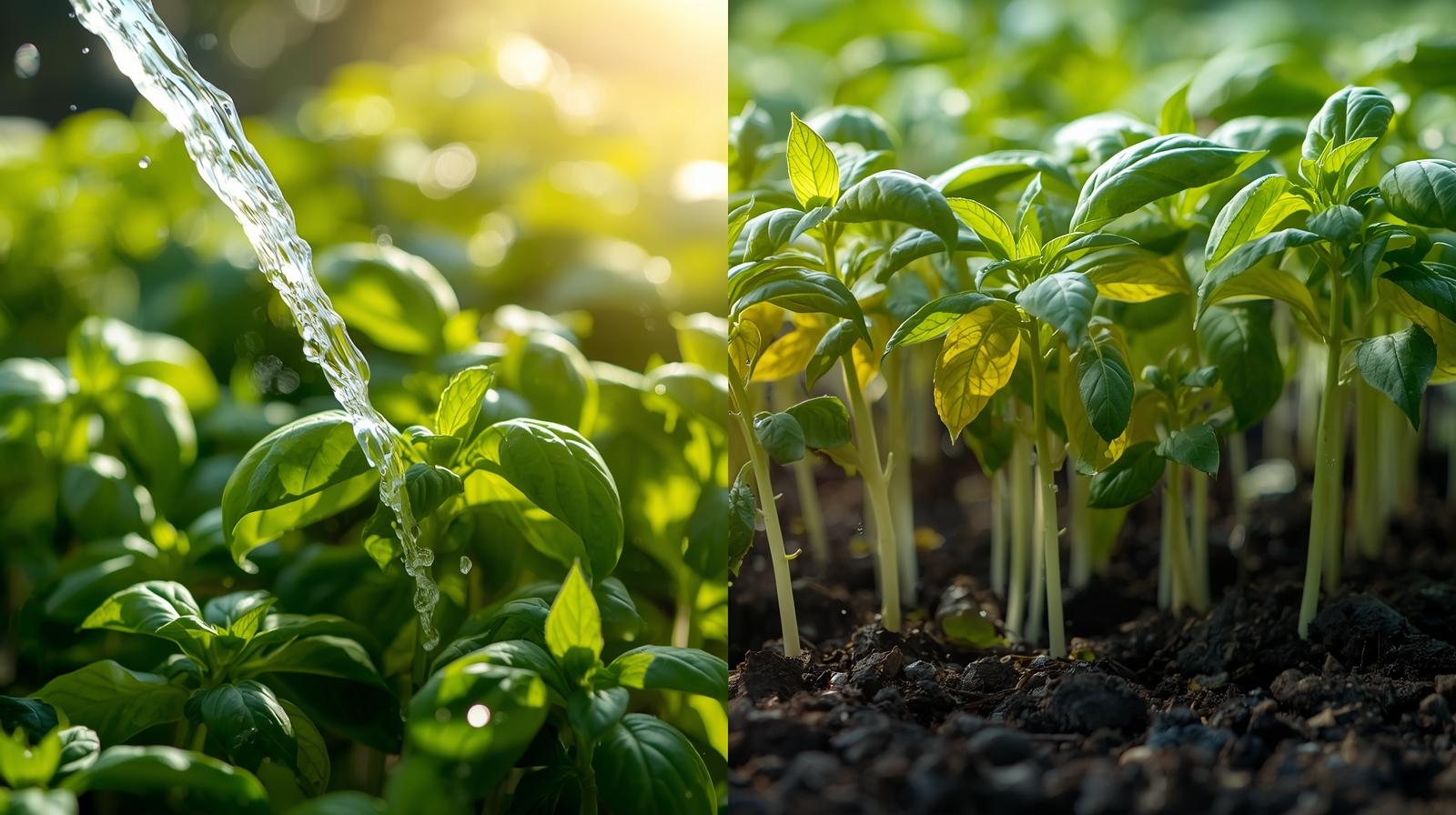
Basil is one of the most popular culinary herbs, valued for its fragrance, flavor, and fast growth. However, many gardeners struggle to keep basil plants healthy due to improper watering habits. Basil is sensitive to both overwatering and underwatering, and even small mistakes can cause yellow leaves, wilting, or poor aroma. Understanding how often to water basil ensures lush foliage and continuous harvests. Since basil has soft stems and shallow roots, it depends heavily on consistent moisture. Climate, soil type, and growing location all affect its water needs. When watered correctly, basil grows vigorously and produces flavorful leaves. Learning the correct watering rhythm is essential for long-term success. This guide explains basil watering in detail for beginners and experienced gardeners alike.
Understanding Basil’s Natural Growing Conditions
Basil originates from warm regions with moderate rainfall and well-drained soil. In nature, basil receives frequent but light watering rather than heavy soaking. Its roots prefer moist soil without standing water. Basil plants grow best when soil remains evenly damp throughout the day. Dry spells stress the plant, while waterlogged soil causes root rot. Knowing basil’s native conditions helps gardeners mimic the ideal environment. Warm temperatures combined with regular moisture encourage rapid leaf production. Basil does not tolerate cold or soggy soil. Replicating these conditions at home improves plant health significantly.
How Often Should You Water Basil in the Ground
Basil grown directly in garden soil typically needs watering every 2 to 3 days. However, frequency depends on temperature, rainfall, and soil texture. Sandy soil drains quickly and requires more frequent watering. Clay soil holds moisture longer and needs less frequent watering. During hot summer days, basil may require daily watering. The key is to check soil moisture before watering. If the top inch of soil feels dry, it is time to water. Avoid shallow watering, as it leads to weak roots. Deep watering encourages stronger root development and healthier plants.
How Often Should You Water Basil in Pots
Potted basil dries out faster than garden-grown plants due to limited soil volume. In warm weather, basil in pots often needs watering once every day. During cooler days, watering every two days may be sufficient. Always check the drainage holes to ensure excess water escapes. Standing water in pots can quickly kill basil. Lightweight pots dry faster than ceramic or clay containers. Morning watering is best to prevent fungal problems. Regular monitoring is essential for container-grown basil plants.
Signs Your Basil Plant Needs Water
Basil communicates its water needs clearly through visual signs. Wilting leaves during the day often indicate thirst. Leaves may curl inward or droop noticeably. Dry soil that pulls away from the pot edges is another warning sign. Basil leaves may lose their vibrant green color when underwatered. Growth slows significantly under drought stress. If wilting persists after sunset, watering is urgently required. Early detection prevents permanent damage. Always respond quickly to these signs to restore plant health.
Signs of Overwatering in Basil Plants
Overwatering is just as harmful as underwatering. Yellowing leaves, especially near the base, are a common symptom. The soil may smell sour or remain constantly wet. Basil stems may become soft and weak. Fungal diseases and root rot thrive in soggy conditions. Leaves may fall off despite adequate sunlight. Overwatered basil often grows slowly and appears unhealthy. Reducing watering frequency immediately can save the plant. Proper drainage is critical to avoid these issues.
Best Time of Day to Water Basil
Morning is the ideal time to water basil plants. Watering early allows moisture to penetrate the soil before heat causes evaporation. Leaves dry quickly, reducing the risk of fungal infections. Evening watering may leave soil wet overnight, encouraging disease. Midday watering is less effective due to rapid evaporation. Consistent morning watering establishes a healthy routine. Plants respond better when watered at the same time each day. This habit supports steady growth and strong flavor development.
How Climate Affects Basil Watering Frequency
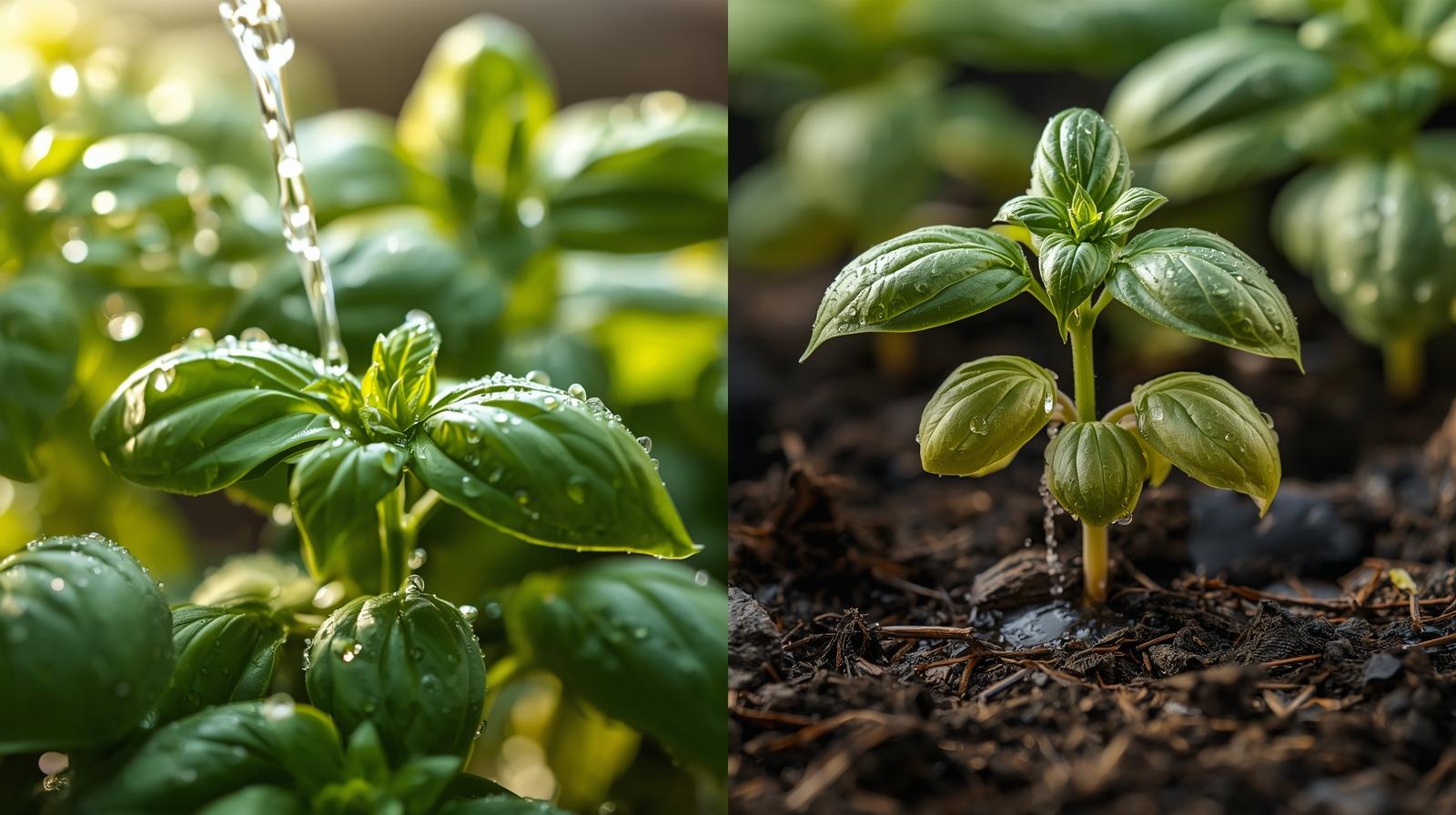
Climate plays a major role in determining how often basil should be watered. Hot, dry climates require more frequent watering than cool, humid regions. Windy conditions increase moisture loss from leaves and soil. During monsoon or rainy seasons, watering frequency should be reduced. Indoor basil requires less water due to controlled temperatures. Seasonal adjustments prevent stress on the plant. Observing local weather patterns helps refine watering schedules. Adaptation is essential for healthy basil growth year-round.
Soil Type and Its Impact on Basil Watering
Soil composition directly affects water retention and drainage. Loamy soil is ideal for basil, holding moisture while allowing airflow. Sandy soil drains quickly and requires frequent watering. Clay soil retains too much water and risks root rot. Adding organic compost improves soil structure and moisture balance. Well-draining soil prevents waterlogging and encourages root growth. Choosing the right soil reduces watering problems. Healthy soil supports consistent hydration naturally.
Watering Basil Seedlings vs Mature Plants
Young basil seedlings require more frequent but gentle watering. Their roots are shallow and dry quickly. Light watering once or twice daily may be necessary. Mature basil plants need deeper watering less frequently. Overwatering seedlings can cause damping-off disease. As plants grow, watering frequency can gradually decrease. Adjusting watering based on growth stage ensures healthy development. Careful observation is essential during early stages.
Using Mulch to Reduce Watering Frequency
Mulching helps retain soil moisture and regulate temperature. Organic mulch such as straw or dried leaves works well for basil. Mulch reduces evaporation and suppresses weeds. It also keeps soil cool during hot weather. With mulch, basil requires less frequent watering. Avoid piling mulch directly against the stem. Proper mulching improves water efficiency significantly. This technique is especially helpful in hot climates.
Water Quality and Basil Plant Health
Clean, chemical-free water promotes healthier basil growth. Chlorinated water can affect soil microorganisms. Rainwater is ideal for watering basil plants. Allow tap water to sit overnight to reduce chlorine levels. Salty or hard water may harm basil over time. Consistent water quality prevents leaf damage. Healthy water leads to better flavor and aroma. Always use room-temperature water for best results.
Indoor Basil Watering Guidelines
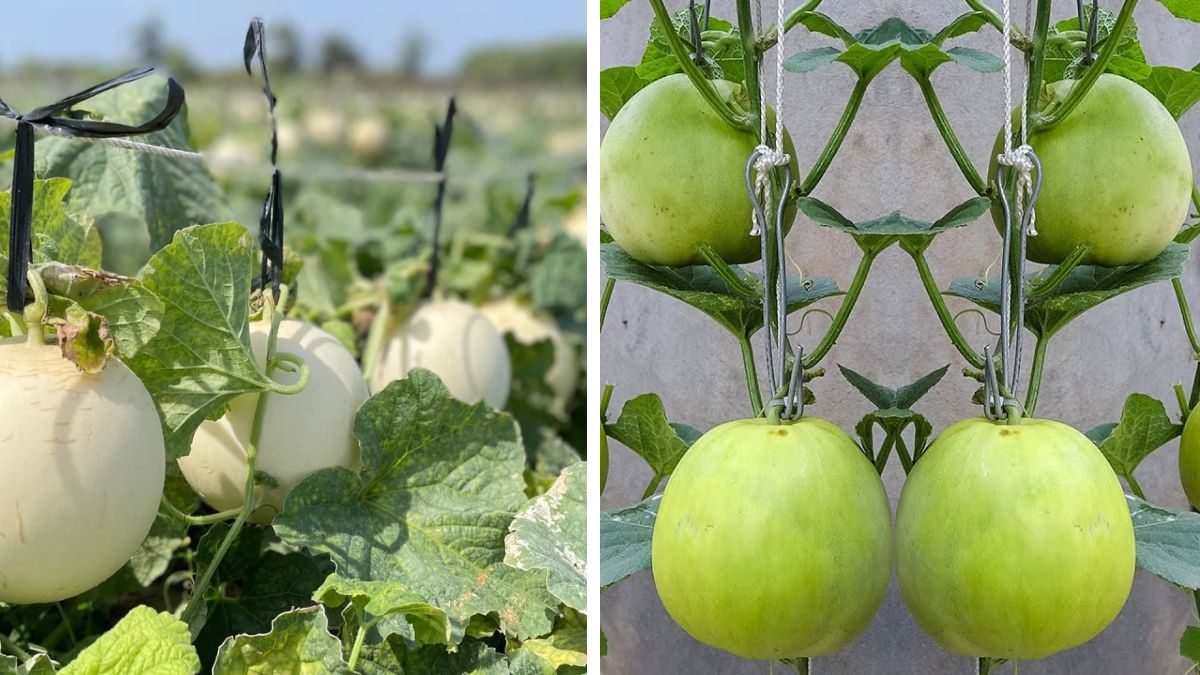
Indoor basil dries more slowly due to limited airflow. Watering every 3 to 4 days is usually sufficient. Always check soil moisture before watering. Indoor pots must have proper drainage holes. Overwatering indoors is a common mistake. Bright light increases water needs slightly. Maintain a balanced watering schedule. Indoor basil thrives with consistent but moderate moisture.
How Pot Size Influences Watering Needs
Small pots dry faster and need frequent watering. Larger pots retain moisture longer. Basil grown in small containers may require daily watering. Oversized pots increase the risk of overwatering. Choosing the right pot size balances moisture retention. Always match pot size to plant growth stage. Proper pot selection simplifies watering management. It directly affects plant health and growth rate.
Seasonal Changes in Basil Watering
Basil’s water needs change with the seasons. Summer requires more frequent watering due to heat. Spring and autumn need moderate watering. Winter watering should be reduced significantly. Dormant growth requires less moisture. Monitoring seasonal changes prevents stress. Adjust watering habits accordingly. Seasonal awareness ensures year-round basil success.
Table: Basil Watering Frequency Guide
| Growing Condition | Watering Frequency | Key Notes |
|---|---|---|
| Outdoor garden soil | Every two to three days | Check topsoil dryness |
| Potted basil outdoors | Daily in summer | Ensure good drainage |
| Indoor basil | Every three to four days | Avoid soggy soil |
| Seedlings | Light daily watering | Gentle moisture |
| Winter season | Once a week | Reduced growth |
Common Basil Watering Mistakes to Avoid
Many gardeners water basil on a fixed schedule without checking soil moisture. Ignoring drainage holes leads to root rot. Overwatering during rainy periods is another mistake. Using cold water can shock the roots. Watering late at night encourages disease. Inconsistent watering stresses plants. Avoiding these mistakes improves basil health. Awareness is key to success.
How Proper Watering Improves Basil Flavor
Correct watering directly affects basil’s taste and aroma. Underwatered basil produces bitter leaves. Overwatered plants lose essential oils. Balanced moisture enhances leaf tenderness and fragrance. Healthy hydration supports oil production. Proper watering leads to sweeter, stronger flavor. Culinary quality improves significantly. Watering discipline benefits both yield and taste.
Final Tips for Perfect Basil Watering
Always observe your basil plant before watering. Let soil condition guide your decisions. Use mulch and proper soil for moisture balance. Adjust watering based on weather and season. Avoid extremes of dryness or saturation. Consistency leads to strong growth. Healthy basil rewards you with abundant harvests. Mastering watering ensures long-lasting success.