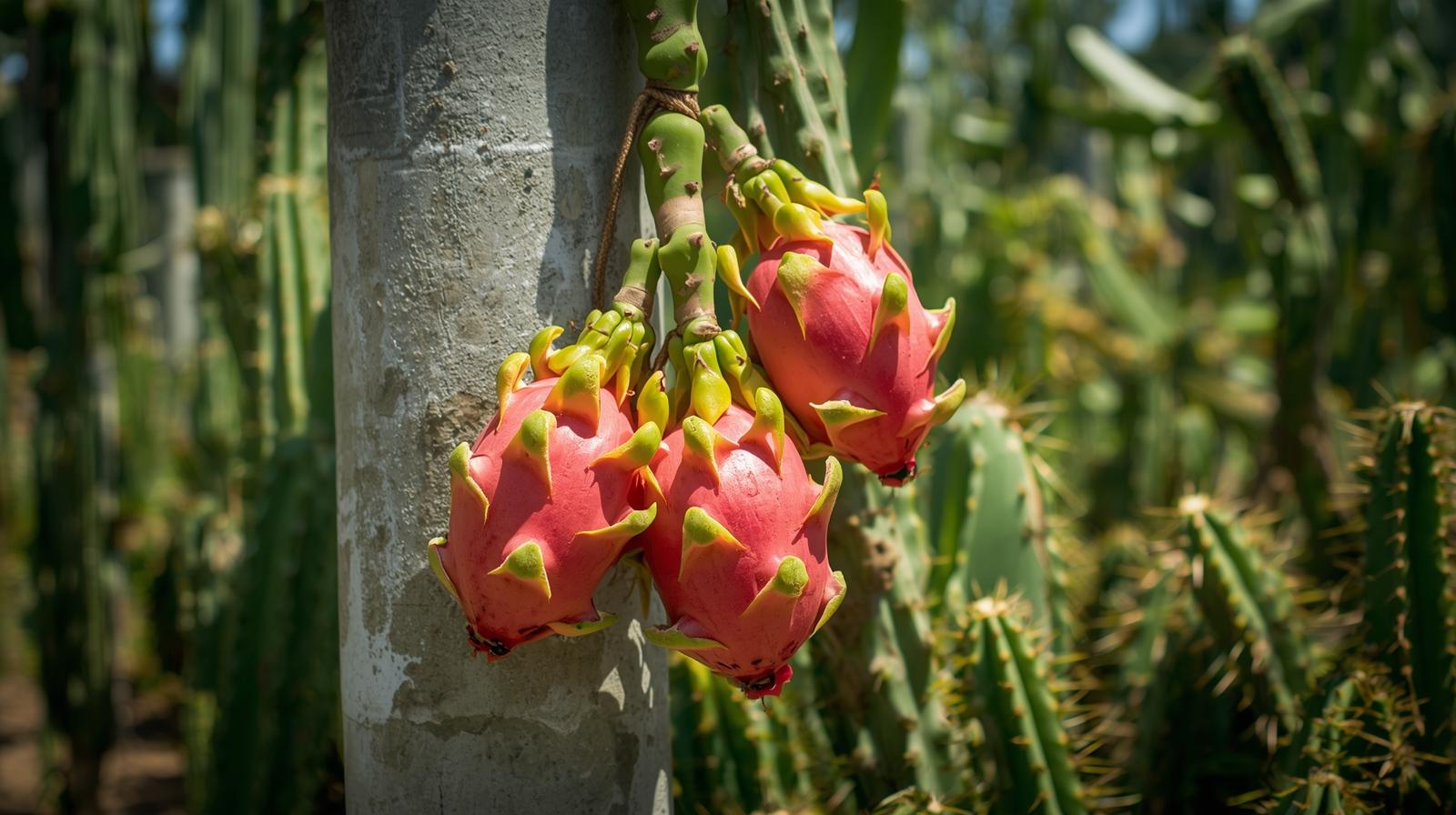
Introduction to Dragon Fruit Cultivation
Dragon fruit, also known as pitaya, is a fast-growing cactus fruit with high market demand. Modern cultivation techniques have made it easier to grow dragon fruit with higher productivity and better fruit quality even in small spaces.
Selecting the Right Dragon Fruit Variety
Different dragon fruit varieties vary in flesh color, sweetness, and climate preference. Choosing a variety suitable for local conditions ensures healthy growth and reliable fruiting.
Soil and Growing Medium Preparation
Dragon fruit requires well-drained soil rich in organic matter. A mixture of garden soil, sand, compost, and cocopeat creates an ideal growing medium for strong root development.
Strong Support System Installation
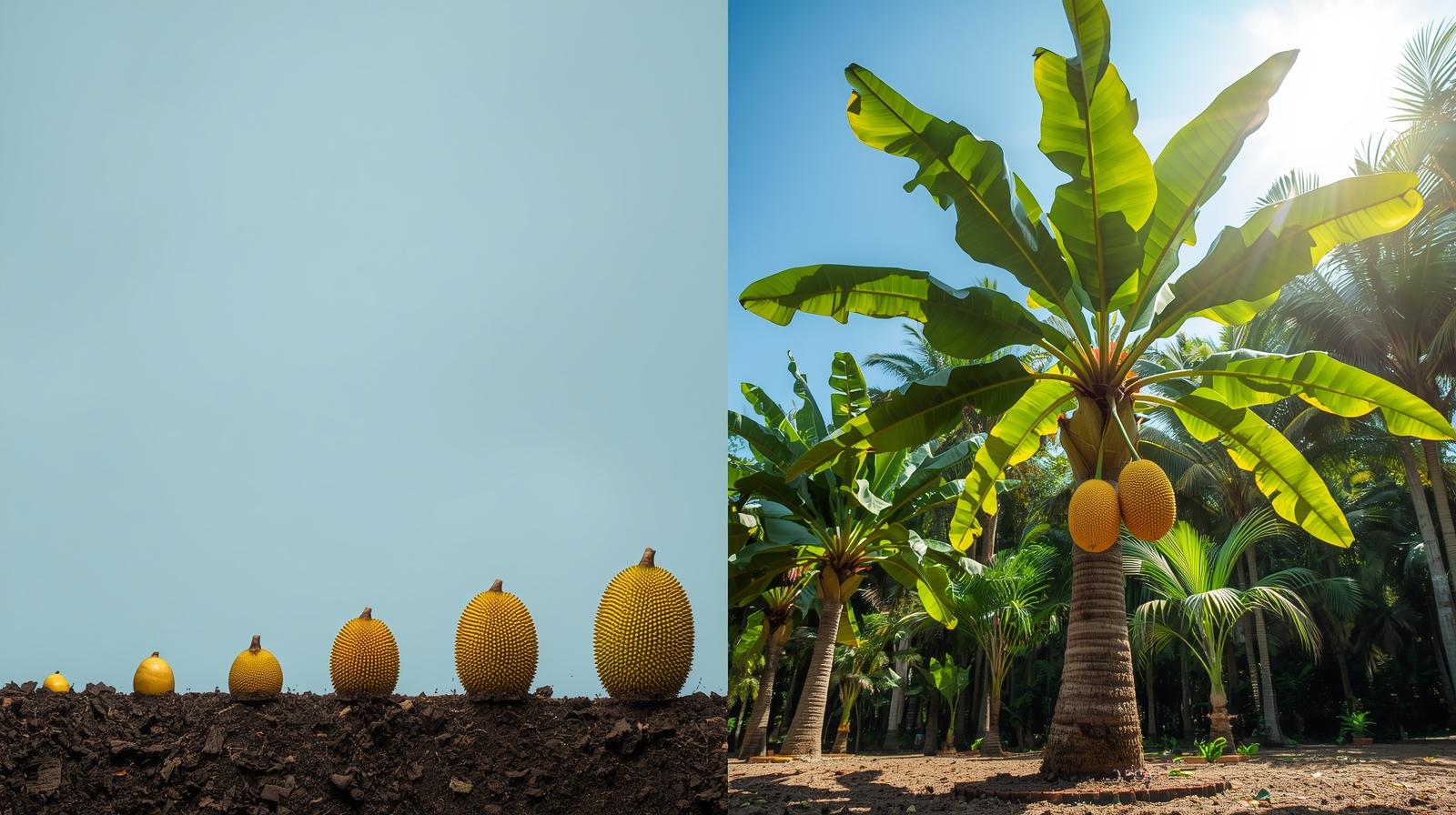
Unlike many fruit plants, dragon fruit needs vertical support. Concrete or wooden posts with circular frames are used to guide plant growth and support heavy fruit loads.
Planting and Spacing Method
Proper spacing ensures good airflow and sunlight exposure. Plants are positioned around the support structure to allow balanced growth on all sides.
Smart Watering Technique
Dragon fruit requires moderate watering. Overwatering is avoided to prevent root rot, while consistent moisture supports flowering and fruit development.
Nutrient Management Strategy
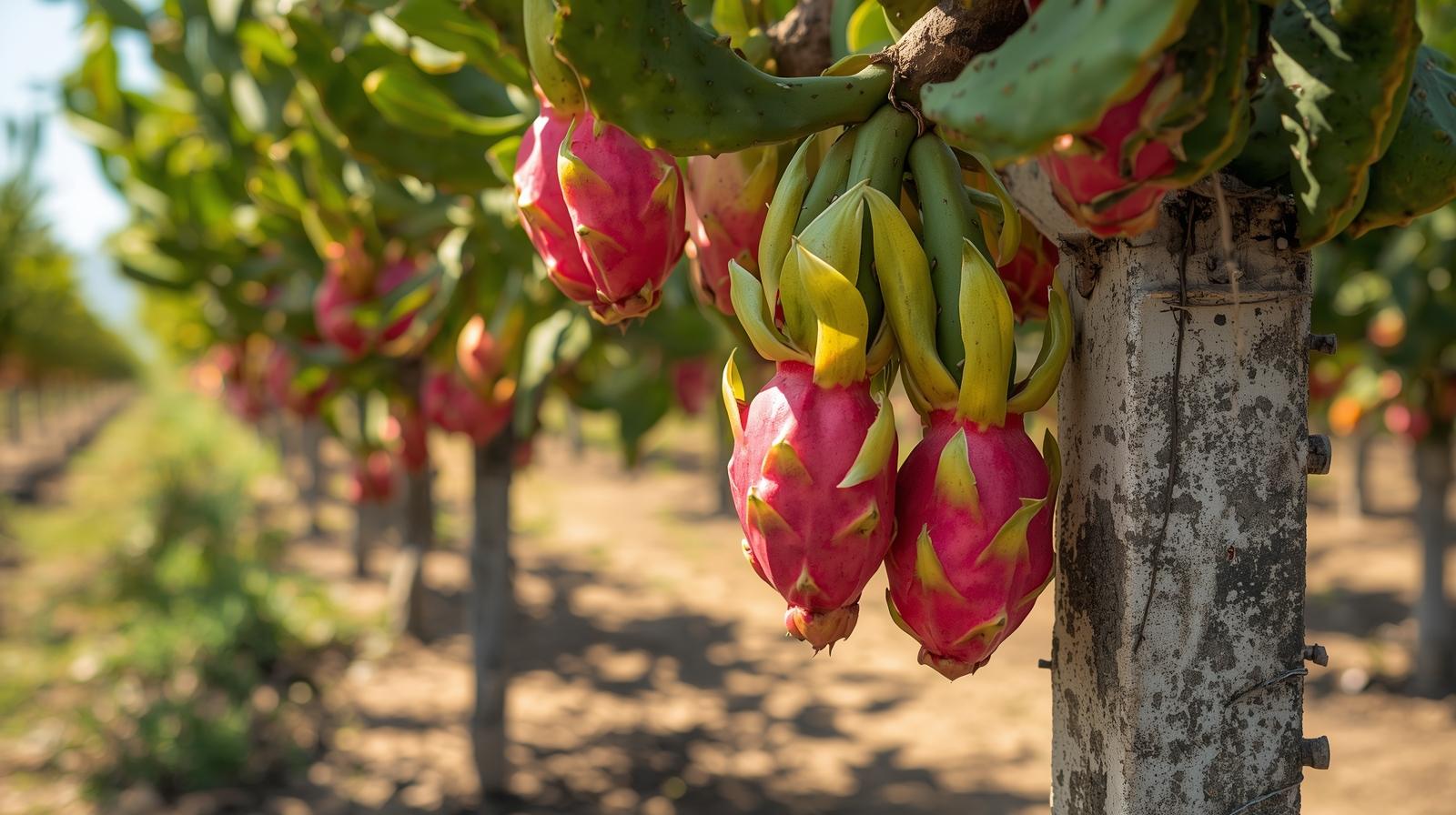
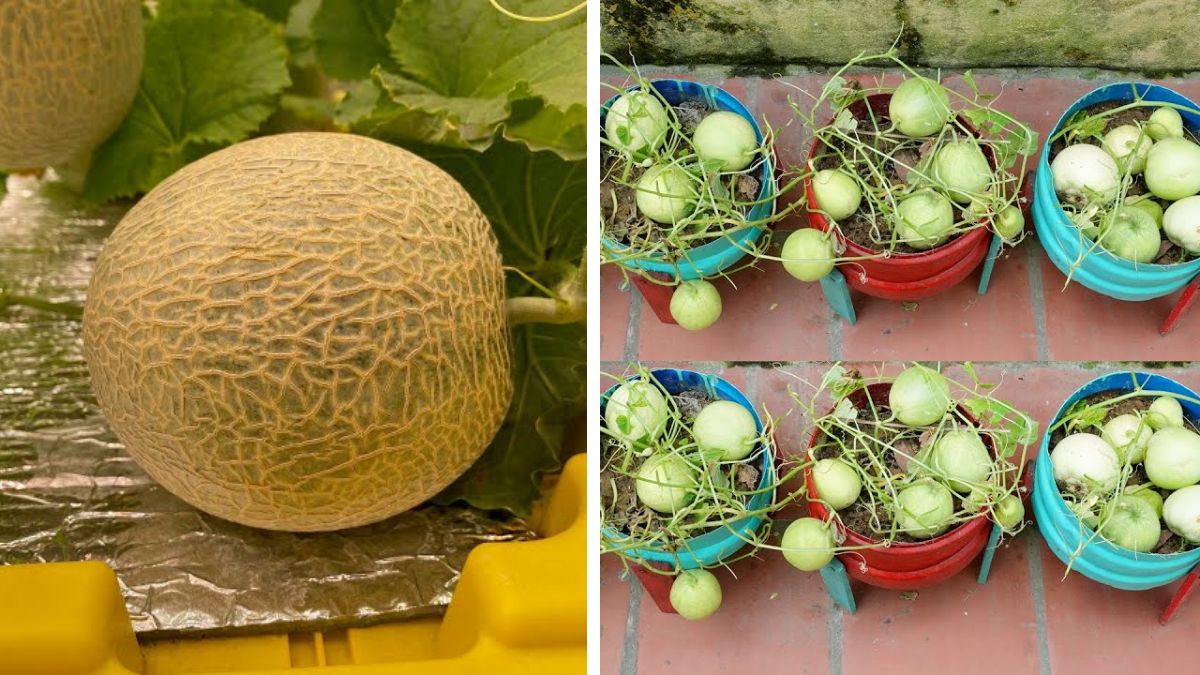
Organic compost and balanced fertilizers are applied regularly. Potassium-rich feeding during flowering improves fruit size, color, and sweetness.
Pruning and Branch Management
Excess branches are removed to focus energy on productive stems. Proper pruning improves air circulation and reduces disease risk.
Flowering and Pollination Support
In some regions, hand pollination improves fruit set. This technique ensures successful fertilization even when natural pollinators are limited.
Pest and Disease Control
Natural pest management practices such as neem spray and proper sanitation keep insects and fungal diseases under control.
Fruit Development and Maturity
Fruits develop rapidly after flowering. Monitoring maturity ensures harvesting at the right time for best flavor and shelf life.
Harvesting and Continuous Production
Dragon fruits are harvested when fully colored. With proper care, plants can produce multiple harvests each year for many seasons.
Dragon Fruit Cultivation Comparison Table
| Method | Growth Speed | Fruit Size | Productivity |
|---|---|---|---|
| Traditional Method | Slow | Medium | Average |
| Modern Technique | Fast | Large | High |