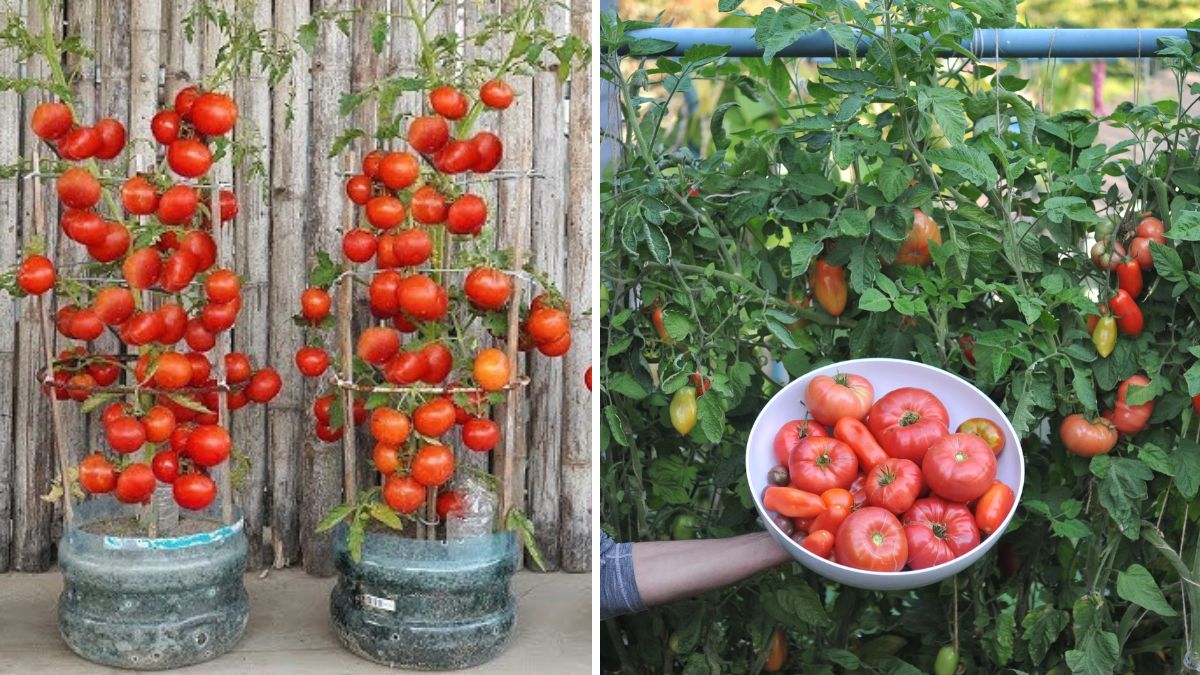
Tomatoes are one of the most widely grown vegetables in home gardens across the world. But many gardeners struggle with issues like low yield, disease-prone plants, blossom drop, or poor fruit quality. What if you could grow tomatoes that are stronger, more productive, and surprisingly fast-growing?
The answer lies in a new and increasingly popular technique—grafting tomatoes onto hardier rootstocks. This innovative method is transforming home gardening and commercial farming alike. In this article, we explore this new idea for grafting tomato plants, why it works so well, and how you can use it to grow tomatoes that yield like never before.
🌱 Why Grafting Tomatoes Works So Well
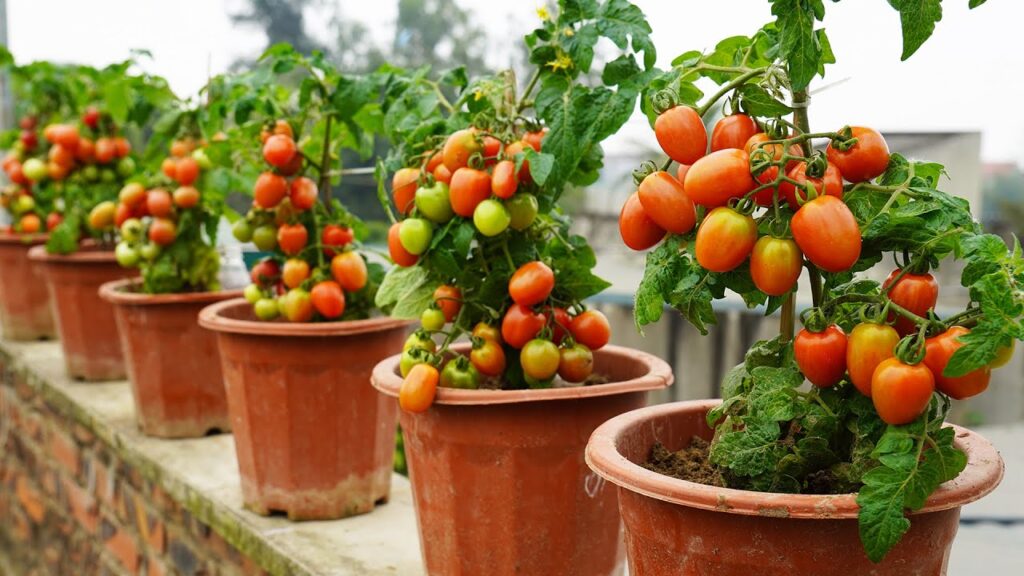
Grafting is a method of joining two plants to create one improved plant. In this method:
- The rootstock is a strong, disease-resistant plant known for vigorous growth.
- The scion is the tomato plant variety you want to grow—maybe a sweet cherry type, a juicy heirloom, or a large beefsteak variety.
Once combined, the new plant grows with the strength of the rootstock and the fruit quality of the scion. This gives you the best of both worlds.
Benefits of Grafting Tomatoes
✔ Disease resistance
✔ Stronger roots
✔ Increased yield
✔ Faster growth
✔ Better fruit quality
✔ Longer harvest season
✔ Improved tolerance to heat and drought
This “new idea” has become popular because it allows gardeners—even beginners—to enjoy professional-level tomato harvests.
🍅 Choosing the Best Rootstock for Tomato Grafting
The key to a successful tomato graft is choosing the right rootstock. Some plants have exceptionally strong root systems and make ideal partners for tomato scions.
Popular rootstocks include:
1. Wild Tomato Species
These have naturally strong immunity and can resist multiple soil-borne diseases.
2. Eggplant (Brinjal)
A surprising but effective choice—eggplant rootstock is incredibly hardy and thrives in tough soil conditions.
3. Special Hybrid Rootstocks
Commercial growers often use hybrid rootstocks developed specifically for grafting.
4. Disease-Resistant Tomato Varieties
If wild species or eggplants are not available, use a vigorous tomato variety.
This is the “new idea” inspiring gardeners everywhere—grafting tomatoes onto stronger plants like eggplant or wild rootstock to dramatically boost productivity.
✂️ How to Perform the New Tomato Grafting Technique
This method is ideal for beginners and can be done at home with simple tools. The most reliable grafting method for tomatoes is the cleft graft or splice graft.
Let’s walk through the step-by-step process.
🧤 Materials You Will Need
- Healthy tomato seedlings (scion)
- Hardy rootstock plant (eggplant, wild tomato, or hybrid)
- Sharp blade or grafting knife
- Grafting clips or tape
- Clean water
- Shade area
🌿 Step-by-Step Tomato Grafting Guide
1. Grow Seedlings of Similar Size
Both the rootstock and the scion must be:
- 10–15 days old
- 3–4 inches tall
- With stems of equal thickness
This ensures a smooth union.
2. Prepare the Rootstock
Cut the rootstock stem horizontally about 2–3 cm above the soil.
Now make a vertical slit (½–1 cm deep) in the center.
This is where the scion will be inserted.
3. Prepare the Scion
Take a healthy tomato seedling and cut its stem diagonally into a sharp wedge shape.
Remove the lower leaves but keep the top two leaves.
This wedge will slide into the rootstock slit.
4. Join the Scion and Rootstock
Carefully insert the scion wedge into the slit of the rootstock.
Make sure:
- The cut surfaces touch perfectly
- The plant stands firmly
- There is no air gap
5. Secure the Graft
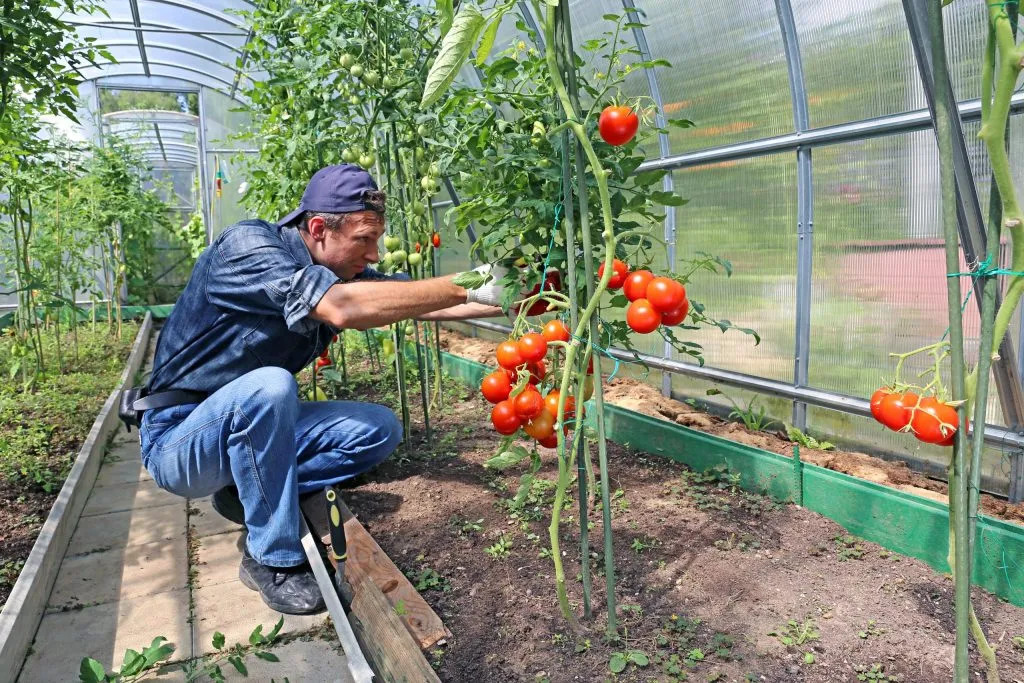
Use grafting tape or silicone clips to wrap the connection tightly.
This avoids movement and encourages fast healing.
6. Keep the Plant in Shade for 1 Week
Newly grafted plants are delicate. Place them in:
- Indirect sunlight
- A warm, humid environment
Avoid direct sun for the first 5–7 days.
Mist lightly to maintain humidity.
7. After 7 Days – Check for Success
Signs your graft is successful:
- Leaves stay green
- Scion stands upright
- New growth appears in 10–14 days
Once healed, gradually expose the plant to more sunlight.
🌞 Why Grafted Tomato Plants Grow Faster
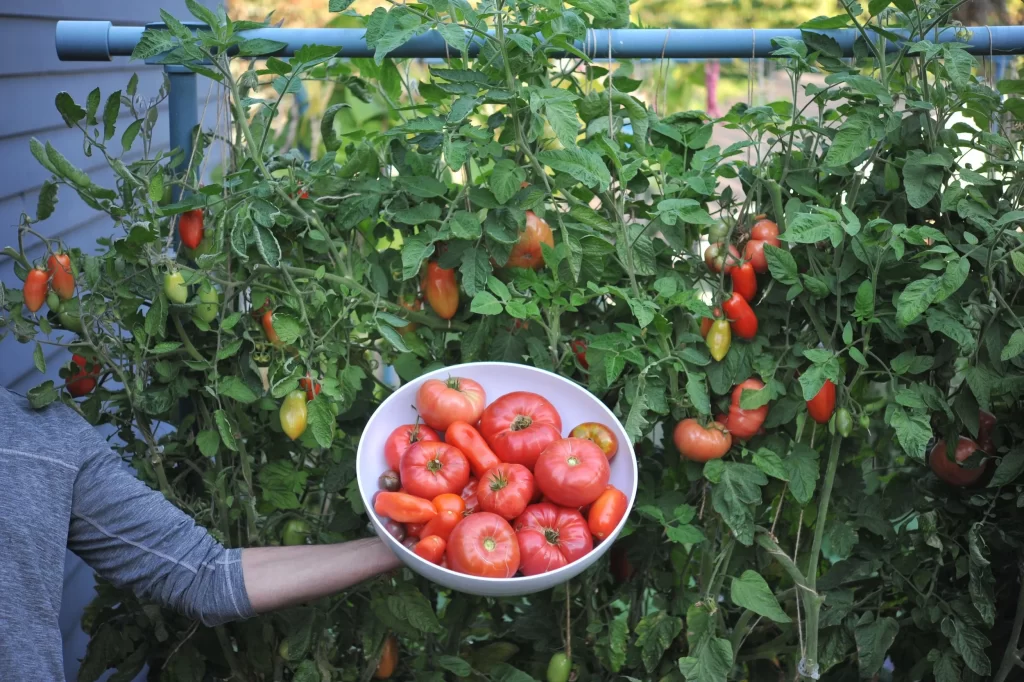
The reason is simple: rootstocks are naturally stronger.
They:
- Absorb nutrients efficiently
- Resist fungal diseases
- Withstand heat, drought, and poor soil
- Support heavier fruit loads
This means your grafted tomato plant can reach maturity faster and produce bigger harvests.
🍅 Special “New Idea”: Grafting Tomato on Eggplant (Brinjal)
One of the most popular modern innovations is grafting tomato onto eggplant rootstock.
Why? Because eggplants have:
- Deep, powerful roots
- High disease resistance
- Excellent heat tolerance
- The ability to thrive in almost any soil
Tomatoes grafted onto eggplant grow twice as strong and produce heavier fruit clusters.
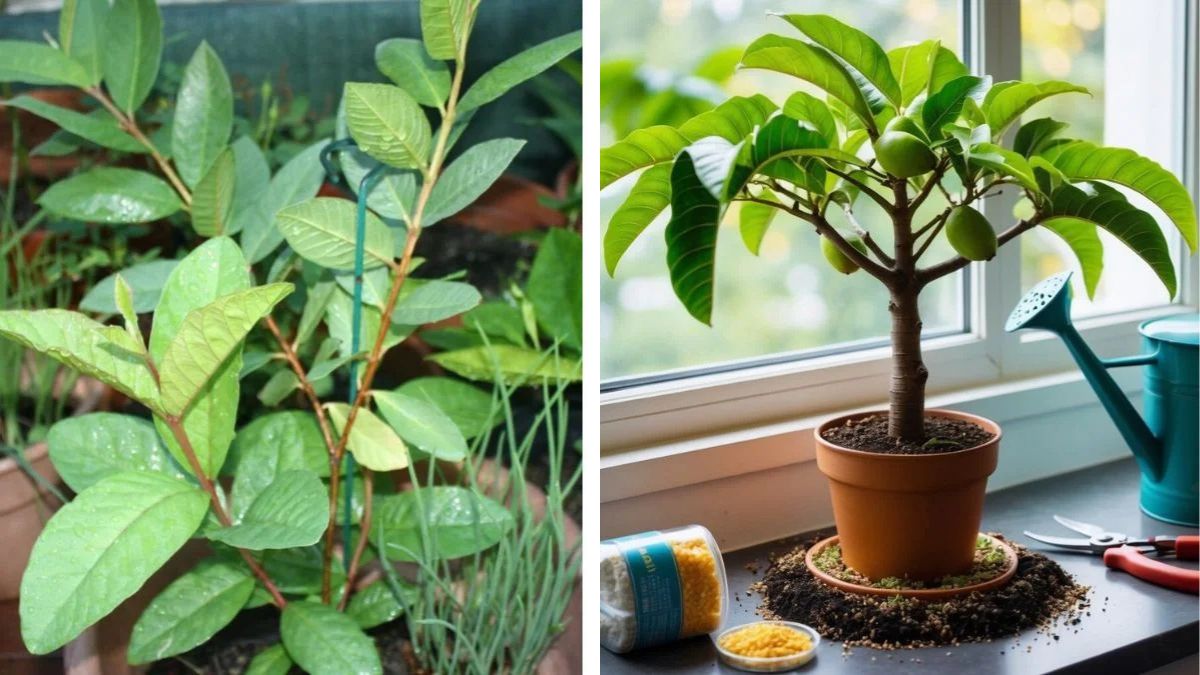
This idea has spread quickly on YouTube, farming forums, and gardening channels—because the results are truly impressive.
🌻 Caring for Grafted Tomato Plants
To ensure high yield, follow these care tips:
1. Water Deeply, Not Frequently
Grafted plants need deep hydration.
Water at the base, not on leaves.
2. Fertilize Every 15–20 Days
Use:
- Compost
- Cow dung
- Seaweed extract
- Banana peel fertilizer
- Bone meal
Avoid chemical overload.
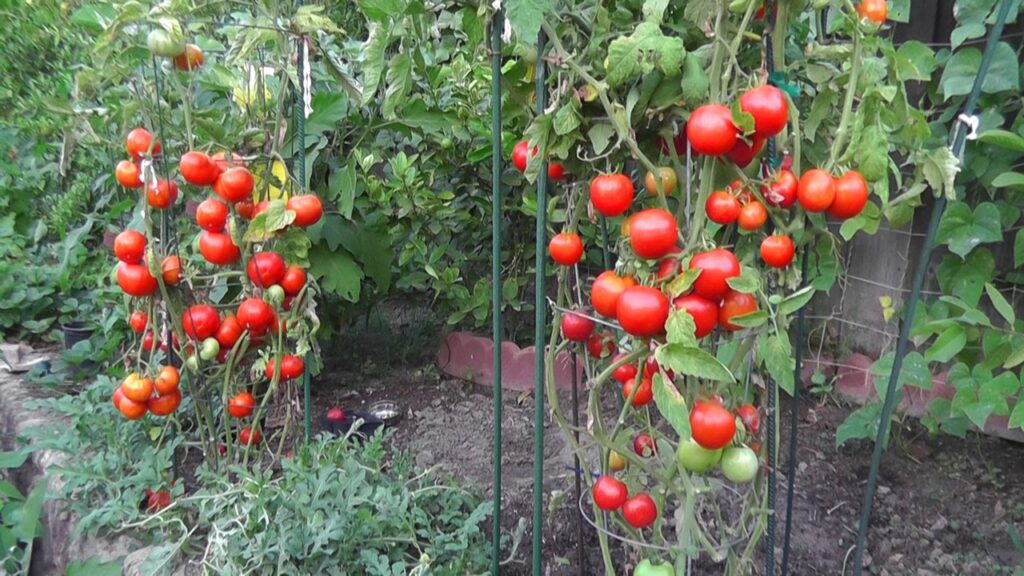
3. Provide Strong Support
Grafted tomatoes grow vigorously.
Use stakes or cages to prevent stem breakage.
4. Prune Regularly
Remove:
- Suckers
- Yellow leaves
- Weak side branches
This boosts fruiting.
5. Protect from Pests
Spray neem oil every 10–12 days to prevent:
- Aphids
- Whiteflies
- Fruit borers
🍅 Expected Yield From Grafted Tomato Plants
You can expect:
- 2× stronger plants
- 50–200% higher yield
- Longer harvest season (up to 6 months)
- Better quality fruits
Commercial farms around the world are adopting this system because the results are undeniably superior.
🌱 Common Mistakes to Avoid
✔ Using seedlings of different thickness
✔ Grafting in very dry or very hot weather
✔ Not securing the joint tightly
✔ Exposing newly grafted plants to direct sun
✔ Overwatering
⭐ Conclusion: A New Age of Tomato Growing Begins
This new idea of grafting tomatoes onto stronger rootstocks is revolutionizing home gardening and small-scale farming. With minimal tools and simple steps, you can create tomato plants that grow:
- Taller
- Healthier
- More productive
- Disease-resistant
- Long-lasting
If you’re tired of weak plants or low harvests, try this innovative grafting technique—you will be amazed at the results.