Gardening often teaches us lessons the hard way. You think you’re saving money and time, only to discover months later that a “cheap shortcut” quietly damaged your plants, soil, and hard work. That’s exactly what happened to us when we decided to build our raised garden beds using inexpensive plastic tubs. At the time, they looked practical, lightweight, and budget-friendly. But as the seasons rolled by, the truth began to unfold — our garden was slowly getting ruined.
This is the story of how our thriving backyard vegetable patch nearly collapsed, what we learned from the experience, and how switching to metal planters not only saved our garden but improved its health, productivity, and longevity.
The Big Mistake: Choosing Cheap Plastic Tubs
When we first started gardening, we wanted raised beds but didn’t want to invest too much upfront. Plastic tubs seemed perfect — available everywhere, easy to drill drainage holes into, and light enough to move around. For some months, everything looked fine. The seedlings grew, and we harvested a few veggies. But the problems started creeping in quietly.
1. Plastic Breaks Down Faster Than You Think
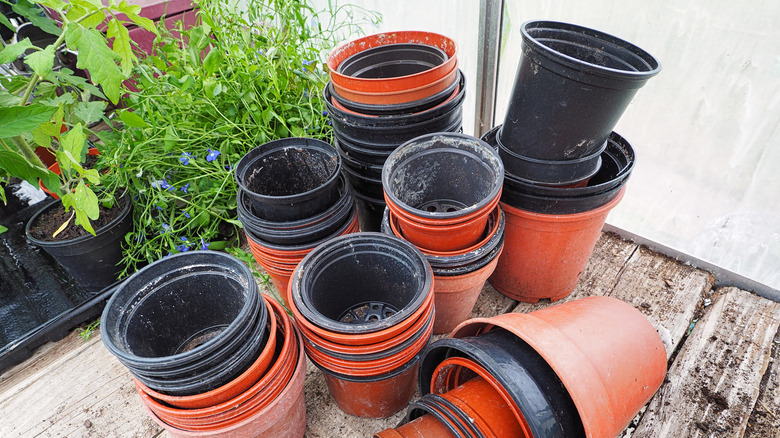
Sunlight, heat, moisture, and soil microbes all contribute to accelerating the breakdown of cheap plastic. We began noticing tiny cracks, warping at the edges, and faded surfaces. What we didn’t see at first were the micro-fragments mixing into the soil — something that seriously affects plant health.
2. Overheating Wrecked Our Roots
Black plastic tubs absorb heat extremely fast. In the peak of summer, the sides of the containers became scorching hot. This transferred heat directly into the soil, baking the roots and putting our plants under stress. Tomatoes wilted, spinach bolted prematurely, and herbs dried out even with regular watering.
3. Poor Drainage and Soil Compaction
Even with drainage holes, the tubs often trapped water at the bottom. Over time, this created a soggy layer that compacted the soil. Roots had less oxygen, fungal issues appeared, and growth slowed significantly.
4. Plastic Leaching Is Real
Many cheap tubs are not food-grade. Constant exposure to sun and water can cause chemicals to leach into the soil. While we couldn’t see it, the impact on plant vitality was visible — weak stems, yellowing leaves, and stunted growth.
The Breaking Point: When Our Garden Started Failing
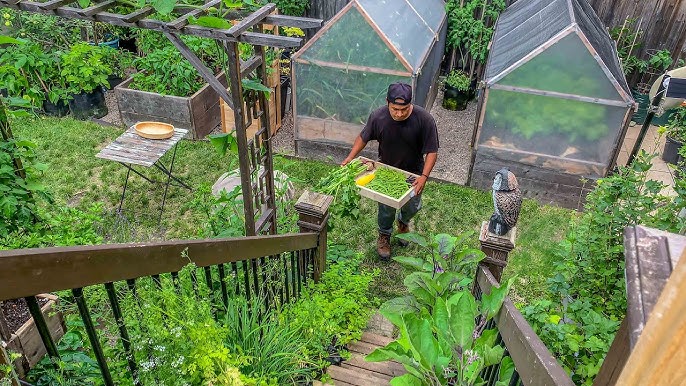
By the end of the first year, the damage became undeniable. Plants that once flourished now struggled. Our pepper yields dropped drastically; lettuce seedlings refused to grow beyond a tiny rosette. Even hardy crops like beans looked lifeless.
The plastic beds looked just as tired — bowed frames, brittle rims, and patches where the material had begun to chip away. Every part of the garden felt like it was deteriorating. That’s when we realized something needed to change.
Why We Switched to Metal Planters
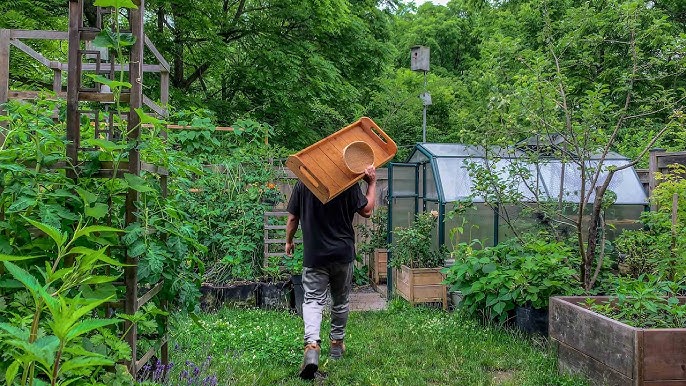
After researching alternatives and watching multiple gardening experts, we decided to switch to metal raised beds. And honestly, it was the single best investment we made for our garden.
Metal planters solved every issue plastic created — and added several benefits we didn’t even know we needed.
How Metal Planters Saved Our Garden
1. Superior Durability and Weather Resistance
Metal beds don’t crack, warp, or degrade under the sun. Whether it’s summer heat, winter frost, or heavy rainfall, the structure remains stable. This meant no more worrying about replacement or soil contamination.
2. Optimal Temperature Control
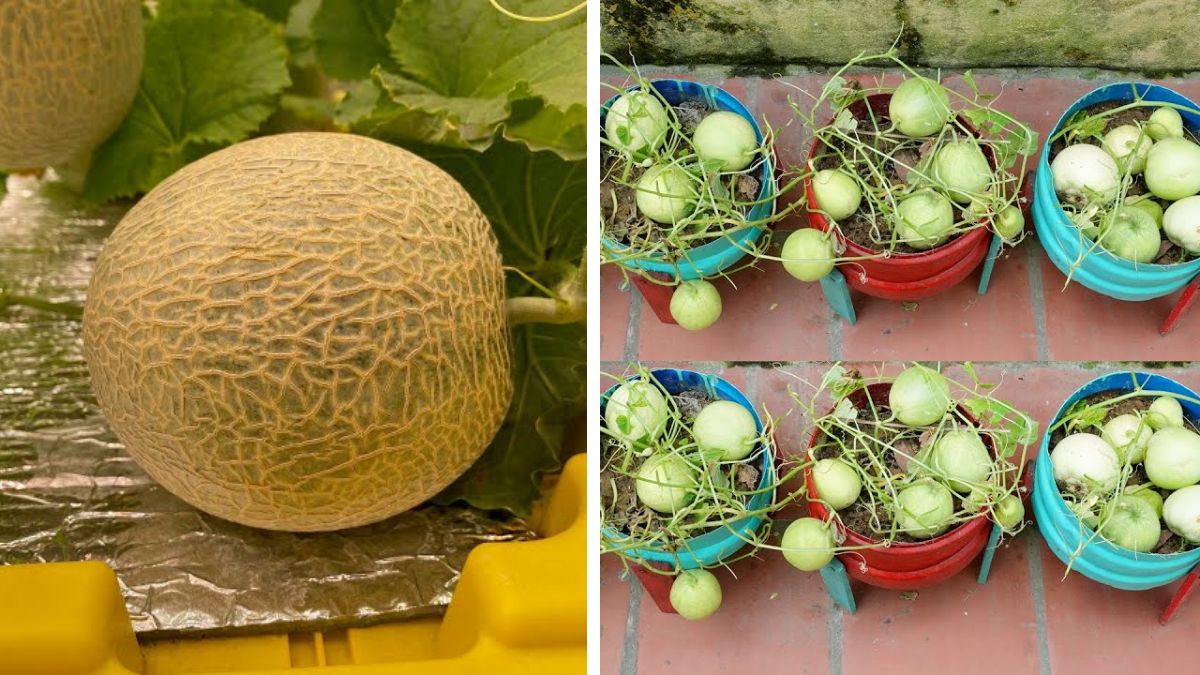
High-quality metal planters (especially galvanized steel or zinc-aluminum-coated beds) regulate heat much better than plastic. Instead of cooking the roots, they keep the soil temperature stable throughout the day. Our plants immediately showed less stress and more consistent growth.
3. Improved Soil Health
With proper aeration and drainage, metal planters prevent waterlogging and soil compaction. The result?
- Healthy microorganisms
- Strong, deep root systems
- Better nutrient availability
Within just two months, the difference was visible: greener leaves, stronger stems, faster growth.
4. Long-Term Safety for Edible Plants
Unlike cheap plastic, coated metal beds don’t leach harmful chemicals into the soil. The protective layer prevents rust and ensures a food-safe growing environment.
5. A Cleaner, More Organized Garden Layout
Metal beds give the garden a neat, structured look. They’re stronger, allowing taller, deeper beds — perfect for carrots, potatoes, tomatoes, and fruiting vegetables. Our space looked more professional and felt easier to manage.
The Transformation: From Struggling Garden to Abundant Harvest
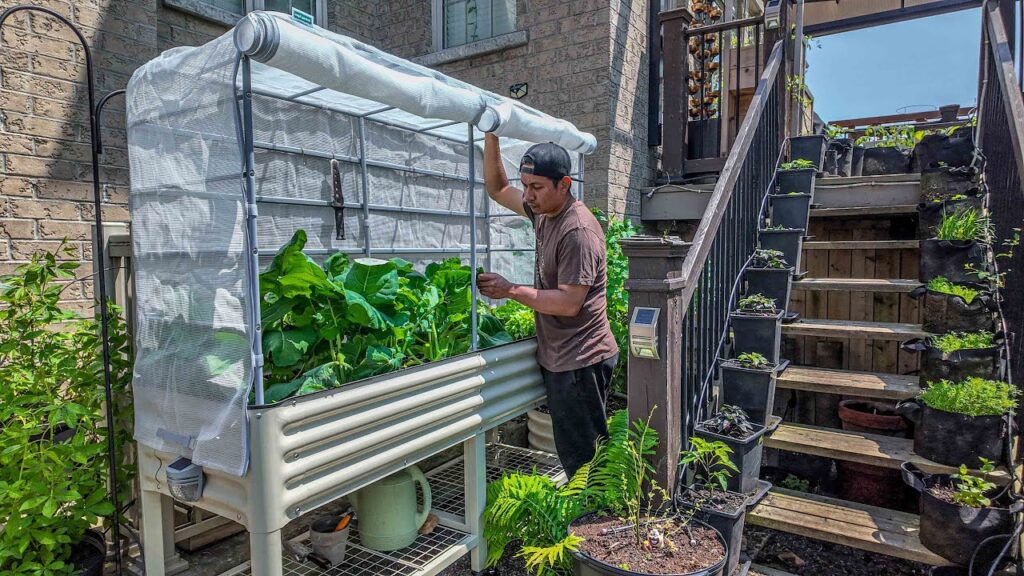
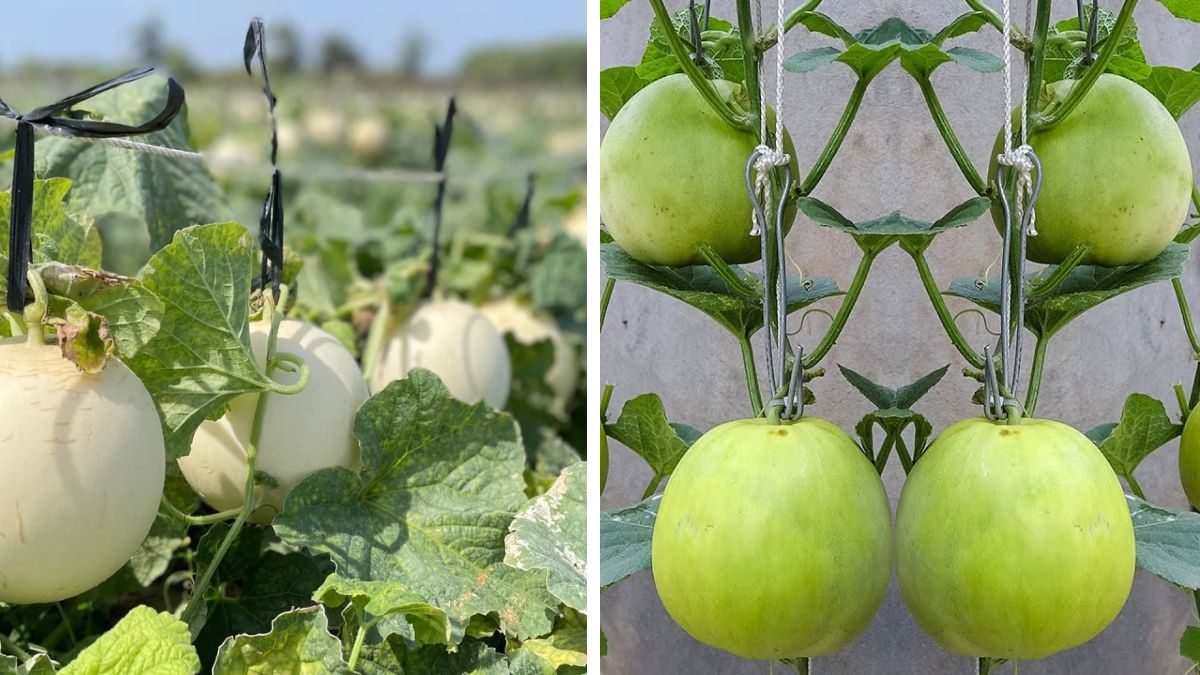
Once we transferred our soil (after filtering out plastic fragments) and replanted into metal beds, the change was almost magical.
Week 2
New seedlings showed rapid establishment. No drooping, no yellowing. The soil stayed evenly moist.
Month 1
Growth exploded. Beans climbed faster than ever. Basil and cilantro produced fuller bunches. The temperature stability made a big difference.
Month 3
We harvested more tomatoes than the entire previous season combined. Our peppers regained their vibrant color and crisp texture.
End of Season
We realized we had recovered our lost garden — and improved it. All because we switched from unreliable plastic tubs to durable, long-lasting metal planters.
What We Learned (So You Don’t Repeat Our Mistake)
If you’re considering starting a raised bed garden, or if you currently use plastic containers, here’s what our experience taught us:
1. Cheap Materials Cost More in the Long Run
Those plastic tubs may save you a few bucks upfront, but you’ll pay later — in ruined soil, dying plants, and having to replace containers every year.
2. Always Think About Sun + Heat + Moisture
Garden materials live outdoors 24/7. Heat exposure is the #1 enemy of cheap plastic.
3. Soil Quality Depends on the Container
A good raised bed protects the soil, keeps it aerated, and prevents chemical contamination.
4. Investing Once Is Better Than Fixing Forever
Metal planters last 10–20 years. That stability brings peace of mind and consistent harvests.
5. Healthy Roots = Healthy Plants
Most garden failures happen below the surface. Stable temperature, drainage, and airflow are crucial — and metal beds support all three.
Final Thoughts: Choose Wisely, Grow Abundantly
Our garden was almost destroyed by a simple, well-intentioned mistake — choosing cheap plastic tubs. But the switch to metal planters didn’t just fix the problem; it elevated our entire gardening experience. Today, every time we harvest fresh veggies, we’re reminded of how important it is to choose the right foundation.
If you want a garden that lasts, produces abundantly, and stays healthy year after year, metal planters are worth every penny. They saved our garden — and they can save yours too.