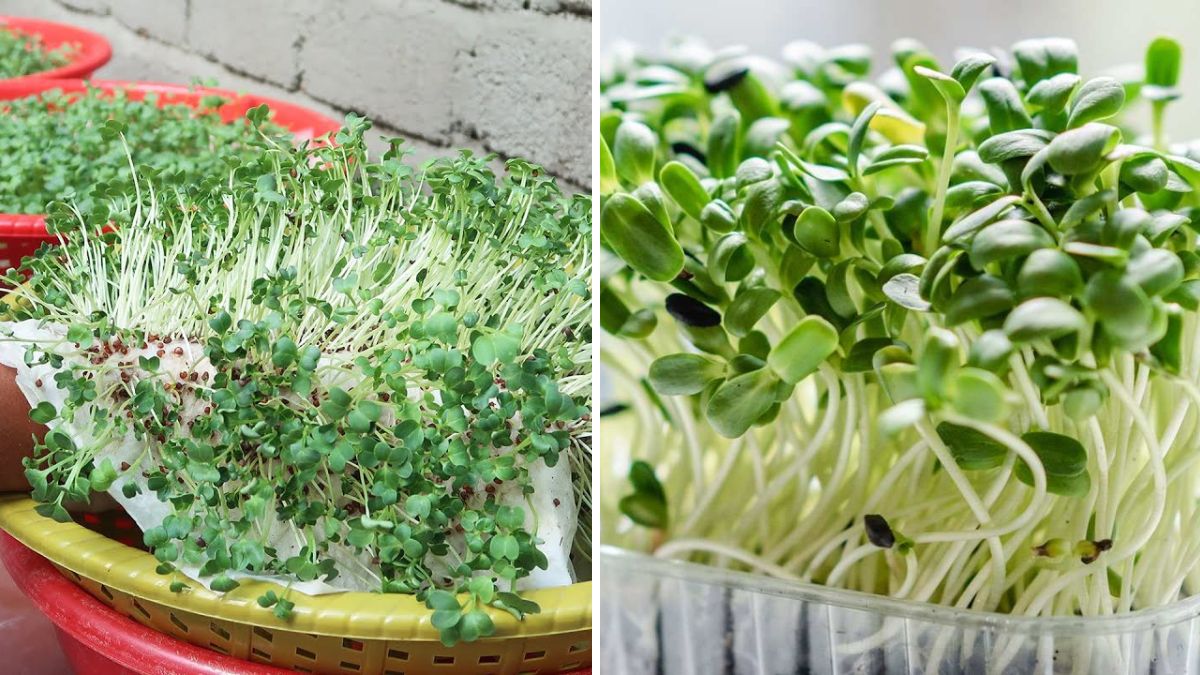
If you’ve ever wanted to grow your own fresh, nutritious food at home but felt overwhelmed by gardening, sprouts are the perfect place to start. They don’t need soil, special tools, or outdoor space. All you need is a handful of seeds, a jar or bowl, and water. That’s it! Sprouts grow incredibly fast—often in just 2–4 days—and are packed with vitamins, minerals, proteins, and enzymes that make them one of the healthiest additions to your meals.
Whether you live in an apartment, a hostel, or a small home with no garden, this easy, soil-free method will help you grow crisp, fresh sprouts anytime you want. Let’s explore the complete beginner-friendly guide to sprouting at home.
🌿 Why Grow Sprouts at Home?
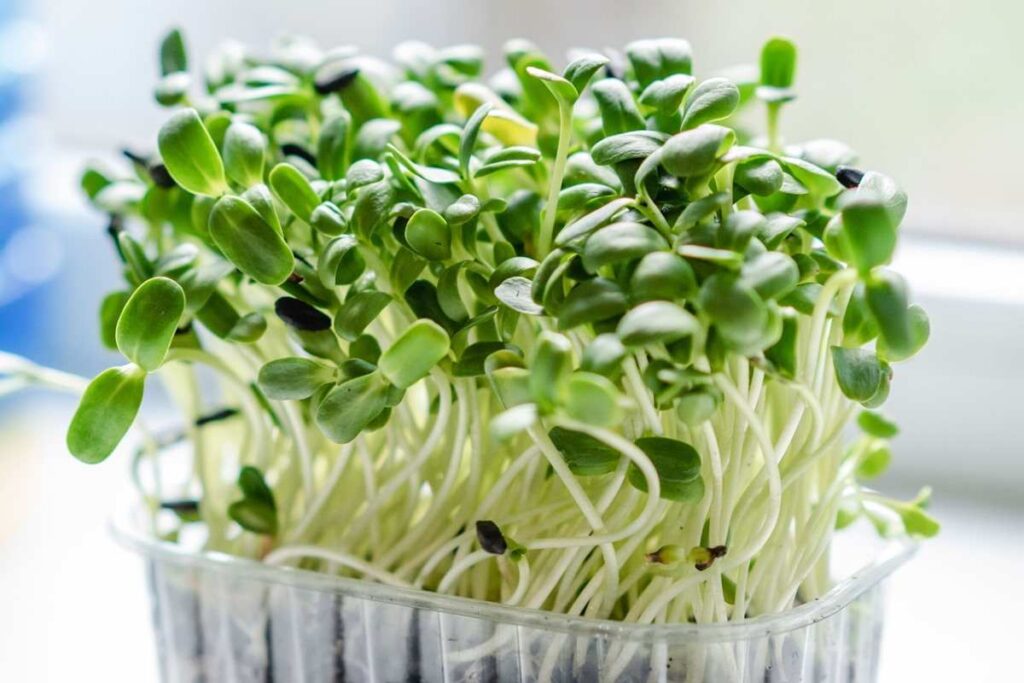
Sprouts are considered one of the most nutrient-dense foods on Earth. They offer major health benefits like:
✔ High protein
✔ Rich vitamins (A, B, C, K)
✔ Minerals like iron, calcium, magnesium
✔ Improved digestion
✔ Simple to grow with almost no cost
Store-bought sprouts are often expensive and may not be as fresh or clean. Growing your own ensures maximum nutrition and safety.
And best of all: you don’t need soil at all!
🫘 Best Seeds for Sprouting
You can sprout many types of seeds, but here are the easiest ones for beginners:
- Mung beans (green gram)
- Chickpeas
- Fenugreek (methi)
- Alfalfa
- Lentils
- Mustard seeds
- Wheat
- Broccoli seeds
- Radish seeds
Choose clean, whole, chemical-free seeds. Avoid split dals, roasted lentils, or polished types—they won’t sprout.
🥣 Materials You Need
Just a few household items:
- A glass jar, bowl, or steel container
- A clean cloth/mesh
- A rubber band/string
- Clean drinking water
- Seeds of your choice
No soil, fertilizer, or sunlight is required. Sprouting is almost effortless.
🌱 Step-by-Step: How to Grow Sprouts Without Soil
1. Measure and Rinse the Seeds
Use a small quantity of seeds—sprouts expand a lot when they grow.
✔ Start with 2–3 tablespoons of seeds
Rinse thoroughly 2–3 times until water runs clear.
This removes dust and improves the sprouting rate.
2. Soak the Seeds Overnight
Place the washed seeds in a bowl or jar and add plenty of water—at least 3 times the volume of seeds.
⏳ Soaking time:
- Mung beans: 6–8 hours
- Chickpeas: 10–12 hours
- Lentils: 6–8 hours
- Fenugreek: 8 hours
Soaking breaks seed dormancy and awakens them to start growing.
3. Drain the Water Completely
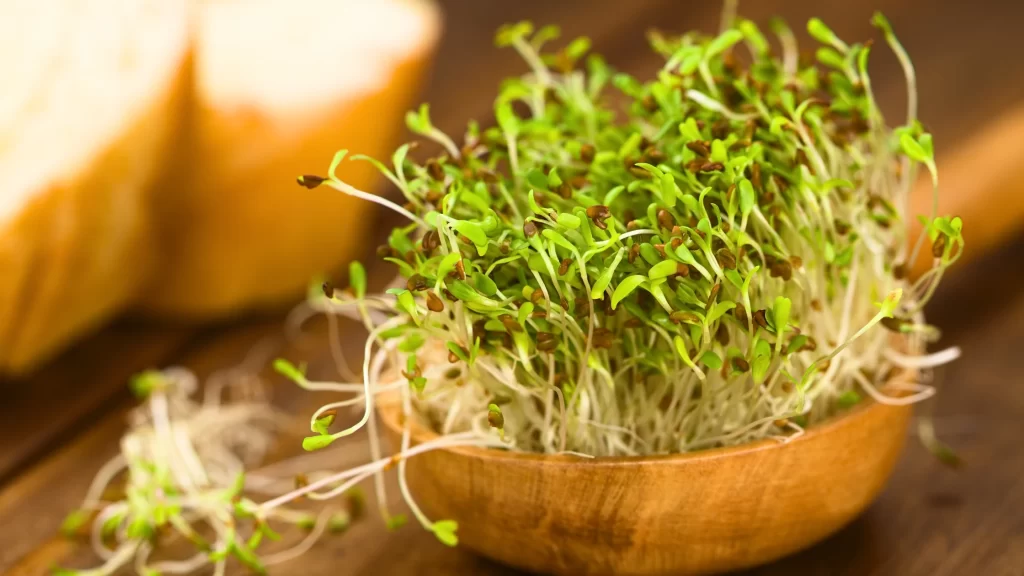
After soaking, drain the water thoroughly.
Seeds should be moist but not submerged.
This is the secret to sprouting—roots need moisture and air, not standing water.
4. Transfer to a Sprouting Jar or Bowl
Option A: Jar method
- Put soaked seeds into a jar
- Cover the mouth with cloth/mesh
- Secure with a rubber band
- Place the jar upside down in a tilted position so excess water drains out and air circulates
Option B: Bowl and cloth method
- Spread soaked seeds in a bowl
- Cover with a clean damp cloth
- Keep the bowl in a dark corner or cabinet
Both methods work beautifully.
5. Keep in a Dark, Warm Place
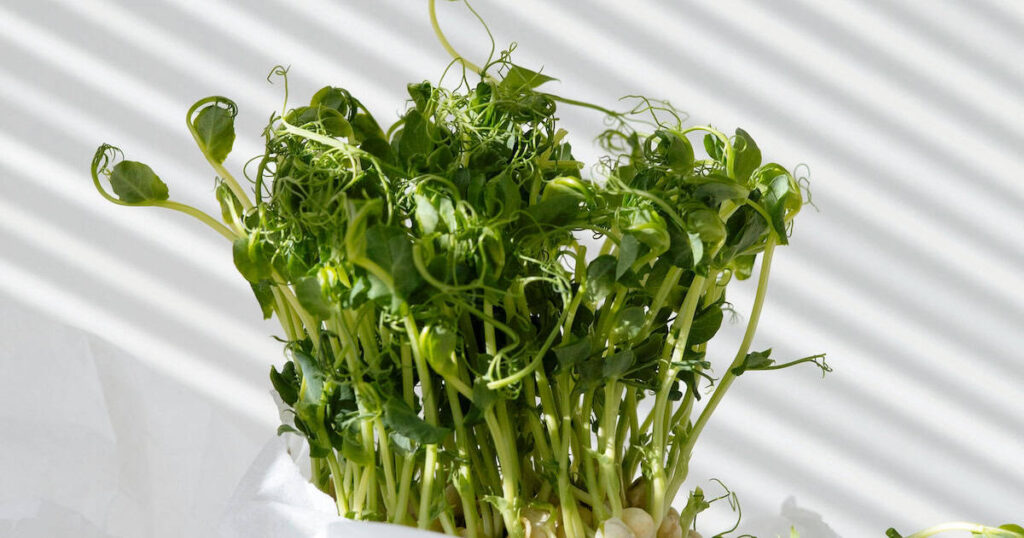
Sprouts grow faster in a warm, shaded environment.
Ideal temperature: 22–28°C
Avoid direct sunlight, as it dries out seeds too quickly.
6. Rinse and Drain Every 12 Hours
Morning and evening, rinse the seeds:
- Fill with water
- Swirl
- Drain completely
This prevents mold, keeps sprouts fresh, and encourages healthy growth.
🌿 When Are Your Sprouts Ready?
Sprouts usually grow within:
• 24–48 hours for mung beans
• 2–3 days for chickpeas
• 3–4 days for methi and alfalfa
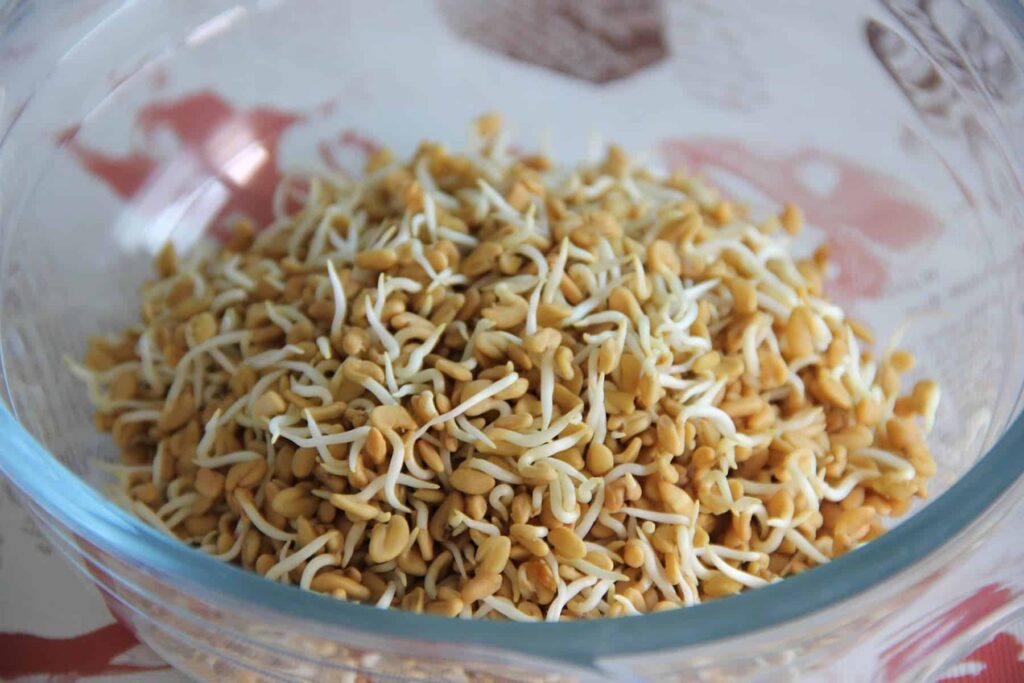
They’re ready to eat when a small white tail appears.
If you prefer longer sprouts, let them grow an extra day, but continue rinsing regularly.
🍽️ How to Use Your Fresh Sprouts
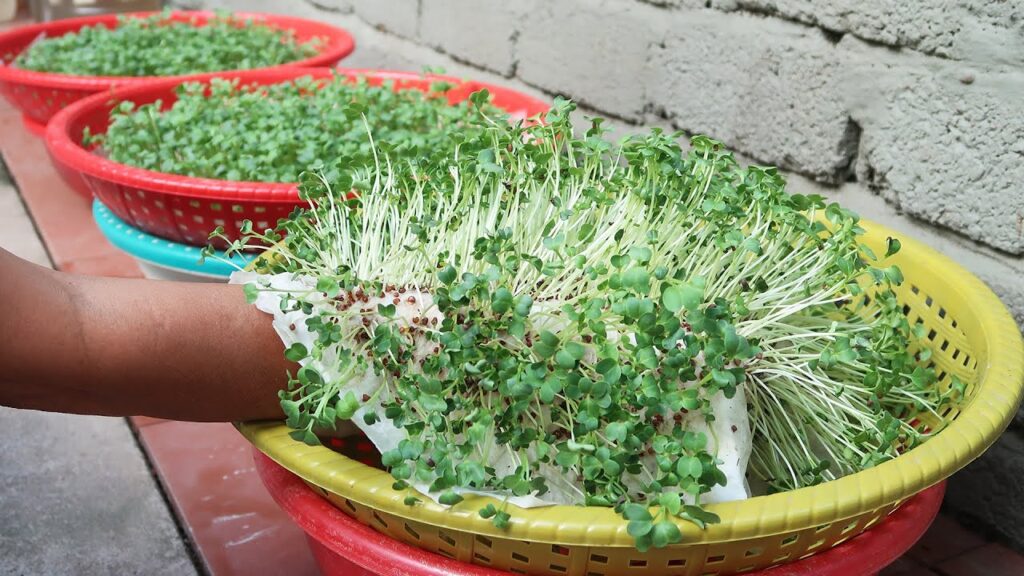
Sprouts are incredibly versatile. You can enjoy them in:
- Salads
- Stir-fries
- Soups
- Sandwiches
- Smoothies
- Sprout chaat
- Breakfast bowls
To preserve maximum nutrition, eat them raw or lightly steamed.
💧 How to Store Sprouts
If stored correctly, sprouts stay fresh for 3–5 days.
✔ Store in an airtight container
✔ Keep in the refrigerator
✔ Dry the sprouts well before storing to avoid moisture buildup
🌱 Why This Soil-Free Method Works So Well
Sprouting is essentially the seed’s natural growth cycle.
Inside every seed is a tiny plant waiting to grow.
With water and warmth, it wakes up—no soil needed.
During sprouting:
- carbohydrates convert to easily digestible sugars
- proteins become amino acids
- vitamins multiply
- enzymes activate
This makes sprouts extremely nutritious and easy for your body to absorb.
💡 Tips for Beginners (Avoid Common Mistakes)
✔ Don’t use too many seeds
They expand and may overcrowd the jar.
✔ Drain completely
Excess water causes rotting and fungus.
✔ Rinse every 12 hours
Keeps sprouts clean and growing well.
✔ Use clean equipment
Hygiene ensures safe consumption.
✔ Avoid polished or chemically-treated seeds
They may not sprout or may produce unhealthy shoots.
🥗 Health Benefits of Eating Sprouts Daily
Eating sprouts regularly offers incredible benefits:
✔ Boosts immunity
✔ Improves digestion
✔ Aids weight loss
✔ Helps control blood sugar
✔ Enhances skin health
✔ Builds muscle (high protein)
✔ Improves gut health
✔ Provides long-lasting energy
Just a handful of sprouts daily can improve overall health.
🌞 Do Sprouts Need Sunlight?
Not at first.
✔ For growing: Keep them in darkness
✔ For greener sprouts: Add 4–6 hours of light before harvest
This boosts chlorophyll and makes sprouts more nutritious.
🌿 Sprouting Without Soil: Perfect for Every Home
This no-soil sprouting method is ideal for:
- Students
- Apartment residents
- Busy professionals
- Beginners
- Elderly people
- Anyone with limited space
You can grow sprouts even in a kitchen drawer!
🧂 Flavor Variations
Want to enhance taste?
Try mixing:
- lemon juice
- black salt
- chopped tomatoes
- cucumber
- coriander
- roasted peanuts
Sprouts absorb seasonings beautifully.
🌱 Final Thoughts: Growing Sprouts Is the Easiest Way to Start Your Home Garden
Growing sprouts without soil is one of the most rewarding, simple, and healthy food-growing methods you can try. It requires no sunlight, land, fertilizer, or gardening experience—just seeds, water, and a few minutes of care each day.
In a world where food quality is uncertain, being able to grow your own superfood at home is a powerful habit. Once you see how easy it is, you’ll want to keep a fresh batch of sprouts growing all the time.
Start today, and enjoy clean, crisp, chemical-free sprouts whenever you want!