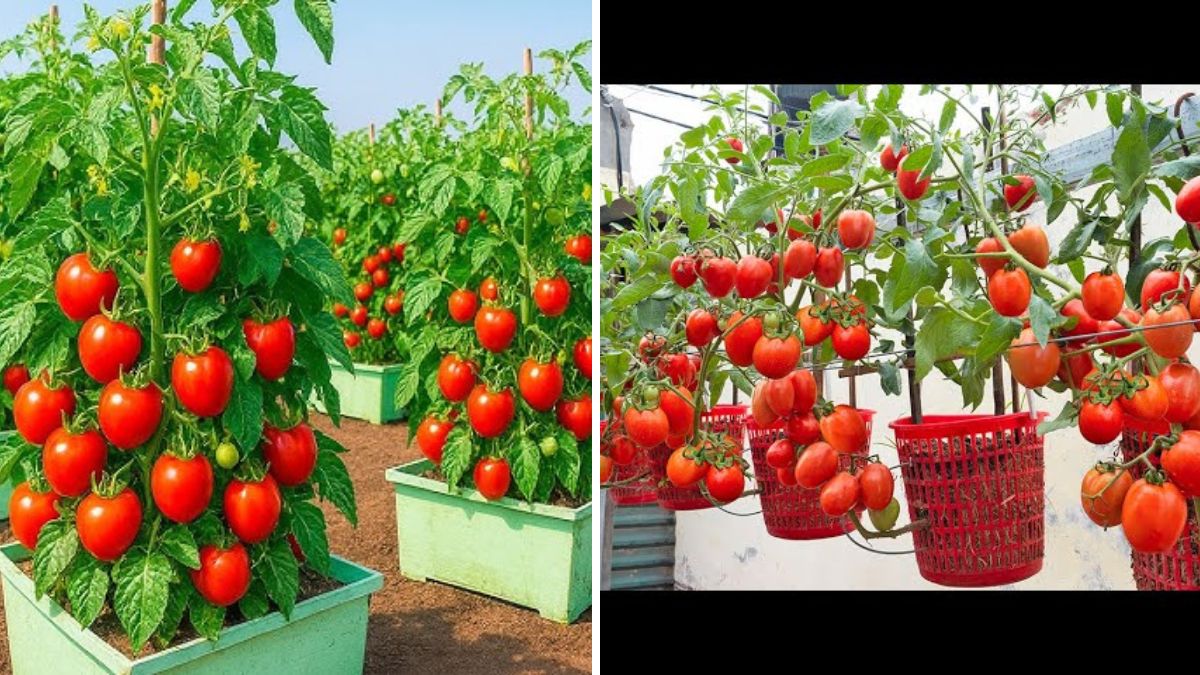
Tomatoes are one of the most rewarding crops you can grow at home—but many people hesitate because they think tomato plants need fancy grow bags, raised beds, or expensive gardening setups. The truth? Some of the best tomato harvests come from old, forgotten pots you already have lying around. With just a few smart techniques, even cracked or weathered pots can become incredibly productive tomato planters.
This method not only saves you money but also helps reduce waste—turning old containers into thriving mini tomato gardens. Whether you have a balcony, terrace, backyard, or just a sunny corner near a window, this simple approach will give you strong, healthy tomato plants that fruit abundantly all season long.
Ready to turn old pots into tomato machines? Let’s get started!
Why Old Pots Are Surprisingly Great for Tomatoes
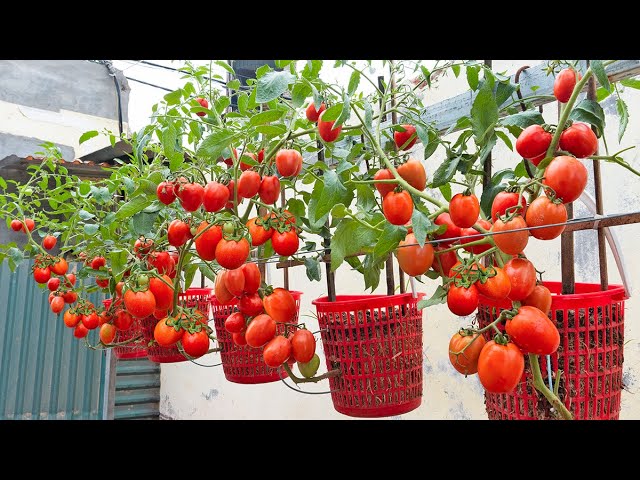
If you’ve ever felt guilty about tossing old plant pots, here’s good news: they’re still extremely useful. Tomatoes are adaptable plants, and they don’t care how shiny or new the container is. What they need is space, drainage, nutrients, and sunlight—not aesthetics.
Here’s why old pots actually work wonderfully:
1. Aged Pots Drain Better
Old pots often have slightly enlarged drainage holes or porous surfaces that help prevent waterlogging.
2. They’re Already Weathered
Exposure to sun and rain gives old pots better breathability, reducing root rot risks.
3. Zero Cost
You save money and reduce waste by reusing what you already have.
4. Suitable for Any Tomato Variety
Whether you’re growing cherry tomatoes, Roma varieties, or large beefsteak types, old pots provide enough flexibility and space.
5. Perfect for Balcony & Terrace Gardens
Lightweight and movable, old pots fit perfectly into small or urban growing areas.
Choosing the Right Old Pot for Tomatoes
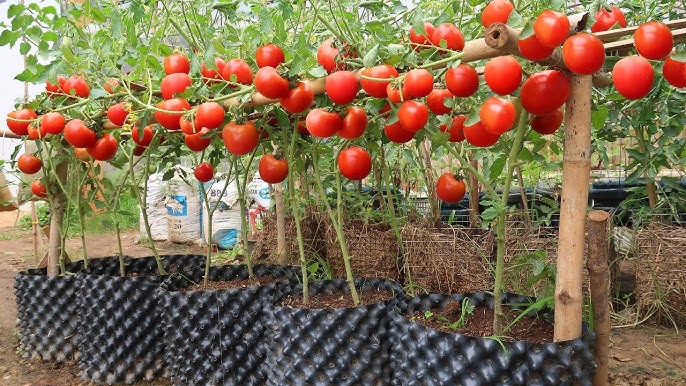
Tomatoes need enough root space to develop strong stems and deep roots. Before planting, inspect your old containers.
Checklist for Selecting an Old Pot:
✔ Minimum depth: 12–14 inches
✔ Diameter: 12 inches or more
✔ Strong enough to hold wet soil
✔ Has good drainage holes
✔ Cleaned to remove disease or residues
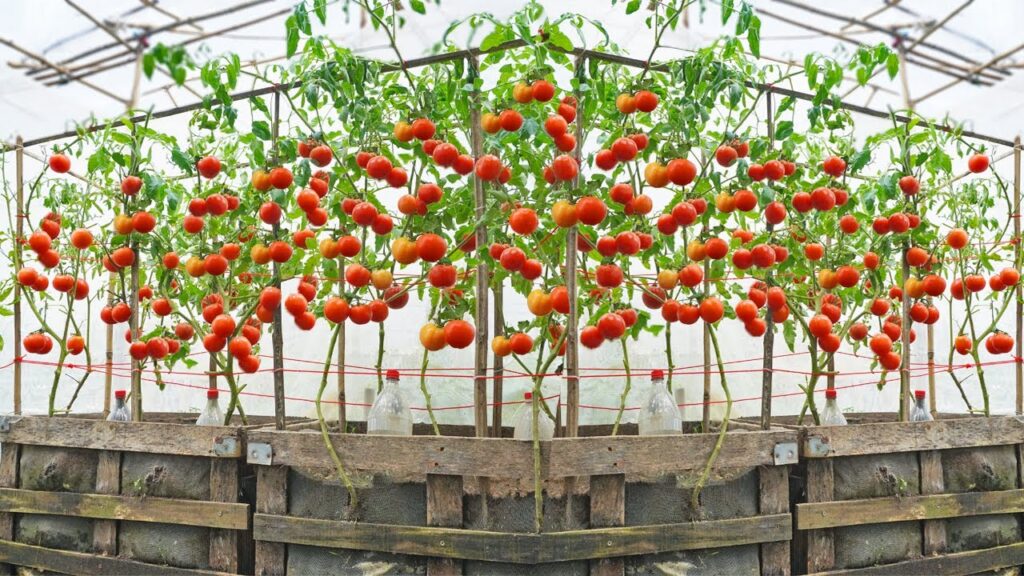
If the pot has cracks, that’s usually fine—tomatoes love airy root zones. But if the crack prevents it from holding soil, place a plastic bag liner inside with holes punched for drainage.
Preparing the Old Pot for Planting
A little prep ensures your pot is ready for a productive tomato season.
1. Deep Clean the Pot
Wash with:
- Water
- A brush
- Mild soap
- Optional: 1 teaspoon of vinegar or baking soda
This removes pathogens, salts, and old soil buildup.
2. Add a Drainage Layer
Place:
- Gravel
- Broken pot pieces
- Coarse sand
This keeps the pot from clogging and improves airflow.
3. Fill with Premium Soil Mix
Even if the pot is old, the soil must be fresh and nutrient-rich.
The Ideal Tomato Potting Mix
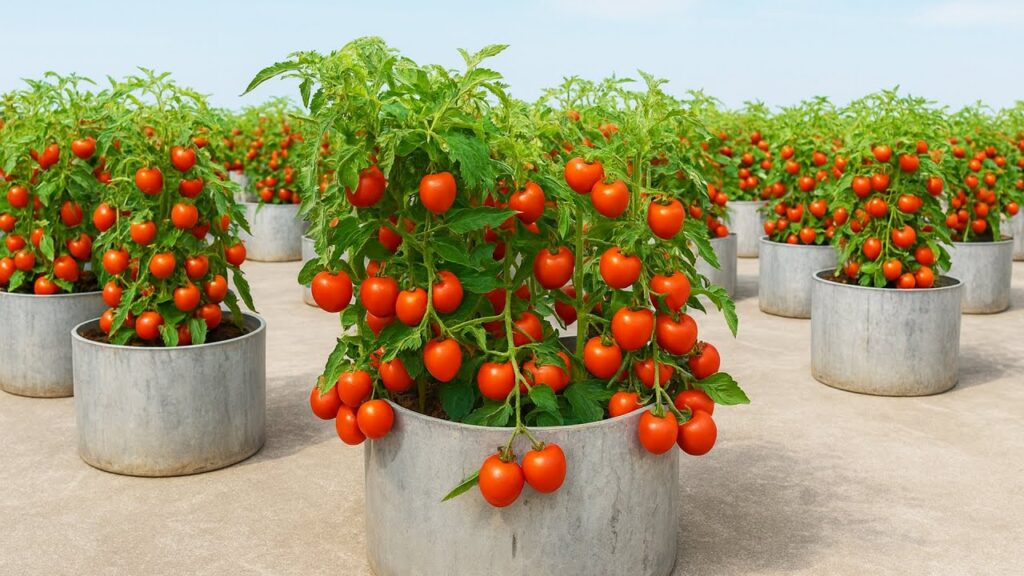
Tomatoes are heavy feeders. Using high-quality soil is crucial.
Best Tomato Soil Formula:
- 40% garden soil
- 30% compost or vermicompost
- 20% cocopeat
- 10% sand or perlite
Bonus Additives:
- 1 handful neem cake
- 1 cup bone meal for root strength
- 1 handful wood ash for potassium
- 1 tsp Epsom salt every 30 days for magnesium
Mix thoroughly so roots get oxygen and nutrients evenly.
Choosing the Best Tomato Variety for Old Pots
Some varieties do much better in containers.
Recommended Varieties:
- Cherry tomatoes (super productive)
- Roma tomatoes (compact and high yield)
- Patio or dwarf tomatoes
- Determinant varieties (bush types)
Indeterminate vines grow tall and need more space, but you can still grow them in old pots with proper support.
Planting the Tomato Seedlings
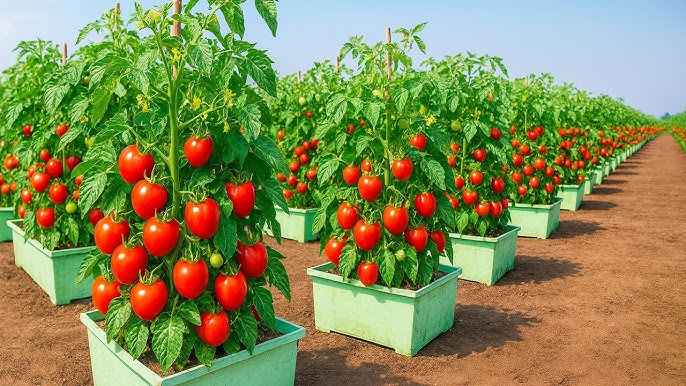
Here’s the trick most gardeners miss: plant tomatoes deep.
Steps:
- Dig a deep hole in the pot.
- Bury two-thirds of the stem, leaving only the top leaves visible.
- Roots will grow from buried stem portions—creating a stronger, more productive plant.
- Water thoroughly after planting.
If planting from seeds, grow in a tray first and transplant seedlings when they have 4–6 true leaves.
Sunlight: The Key to Heavy Tomato Production
Tomatoes need 6–8 hours of direct sunlight every day.
Best Places to Keep Old Pots:
- Balcony ledge
- South-facing terrace
- Window with strong sunlight
- Roof area
- Veranda with bright light
No sunlight? Tomatoes won’t fruit well.
Watering Tomatoes the Right Way
Tomatoes prefer deep but infrequent watering.
Watering Rules:
- Water every 2–3 days
- In summer, water daily
- Keep soil moist but not waterlogged
- Water at the base only
- Mulch with dry leaves or straw to retain moisture
Avoid wetting the leaves—this causes fungus.
Feeding Your Tomato Plants for Continuous Harvest
Tomatoes require regular feeding.
Fertilizer Schedule:
After 2 weeks of planting:
Add compost around the base.
Every 10–15 days:
Use:
- Compost tea
- Seaweed extract
- Cow dung liquid
- Fish fertilizer
At flowering & fruiting stage:
Increase potassium:
- Wood ash
- Banana peel tea
- Tomato liquid fertilizer
Avoid too much nitrogen—it leads to leafy plants but no fruits.
Support Structure for Tomatoes in Old Pots
Tomatoes must be supported to maximize yield.
Options:
- Bamboo stakes
- Tomato cages
- PVC trellis
- Rope and wall hook
Tie gently using soft cloth or twine.
Pruning for Bigger, Better Tomatoes
Pruning is essential for indeterminate varieties.
Pruning Tips:
- Remove bottom leaves touching soil
- Snip off “suckers” between stem and branches
- Remove yellowing leaves
- Thin out crowded branches
More airflow = healthier, more productive plants.
Pest & Disease Control for Pot-Grown Tomatoes
Old pots sometimes harbor pests, so preventive care is important.
Common Problems:
- Aphids
- Whiteflies
- Fungal infection
- Blossom end rot
- Caterpillars
Solutions:
- Neem oil spray every 7–10 days
- Soap water spray for aphids
- Add crushed eggshells for calcium
- Keep soil evenly moist
Good airflow and regular pruning prevent most diseases.
When & How to Harvest
Harvest tomatoes when:
- They turn full red, orange, or yellow (depending on variety)
- Skin becomes glossy
- Fruit feels slightly soft
Pick gently with a twist or use scissors.
Continuous picking encourages more fruiting.
Why This Old-Pot Tomato Method Works
This method works for three powerful reasons:
1. Tomatoes Love Deep Soil More Than Fancy Containers
Even an old pot can support heavy root growth.
2. Good Soil = Good Harvest
Replacing old soil with nutrient-rich mix gives plants a fresh start.
3. Controlled Environment
Old pots allow you to manage watering, pests, and sunlight more easily than garden beds.
Final Thoughts: Don’t Toss Old Pots—Grow Tomatoes Instead!
This simple method turns any old pot—big or small—into a highly productive tomato planter. With the right soil, sunlight, watering schedule, and minimal care, you can enjoy months of juicy, homegrown tomatoes without spending a single rupee or dollar on new containers.
Before you throw away your old pots, give them a second life—and enjoy a harvest that will surprise you!