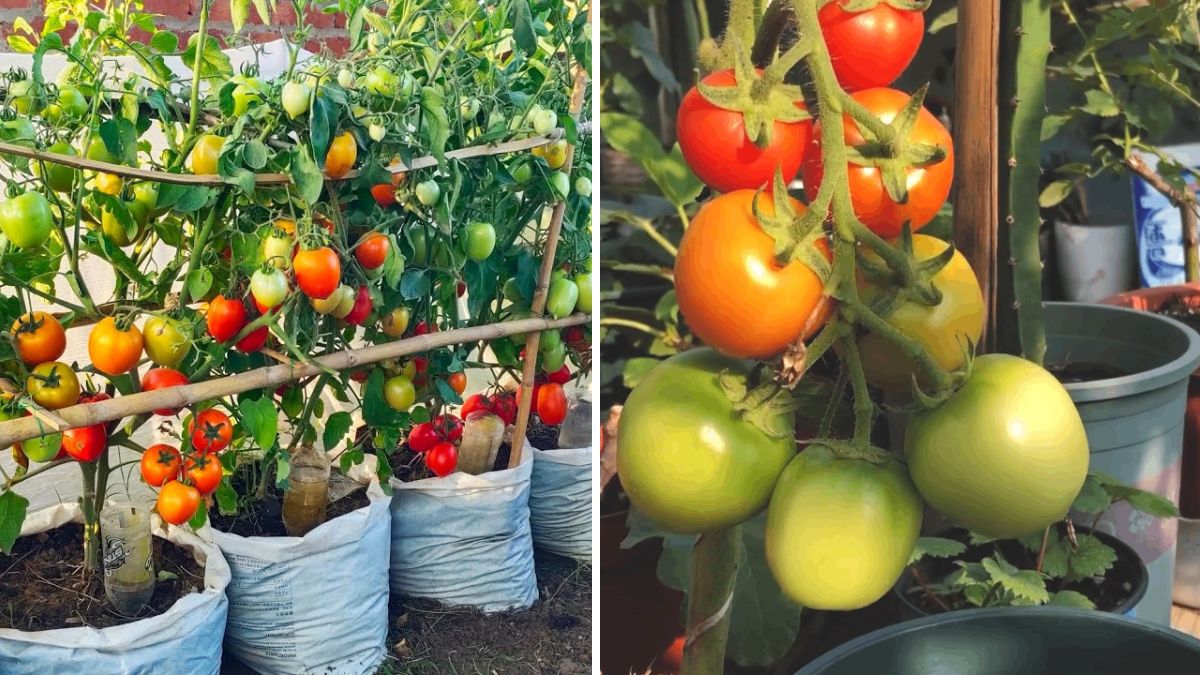
Tomatoes are one of the most popular and rewarding crops for home gardeners. Whether you have a spacious backyard, a small terrace, or just a few pots on your balcony, you can grow tomatoes successfully with the right techniques. Their vibrant colors, fresh aroma, and mouthwatering flavors make them a must-have in every garden. But to get those big, juicy, sweet tomatoes, you need to follow a few important steps—from choosing the right seeds to caring for the plants at every stage.
This detailed guide will walk you through everything you need to know about how to grow tomatoes, even if you are a beginner. By the end of this article, you’ll feel confident and ready to start your own tomato garden!
1. Choosing the Right Tomato Variety
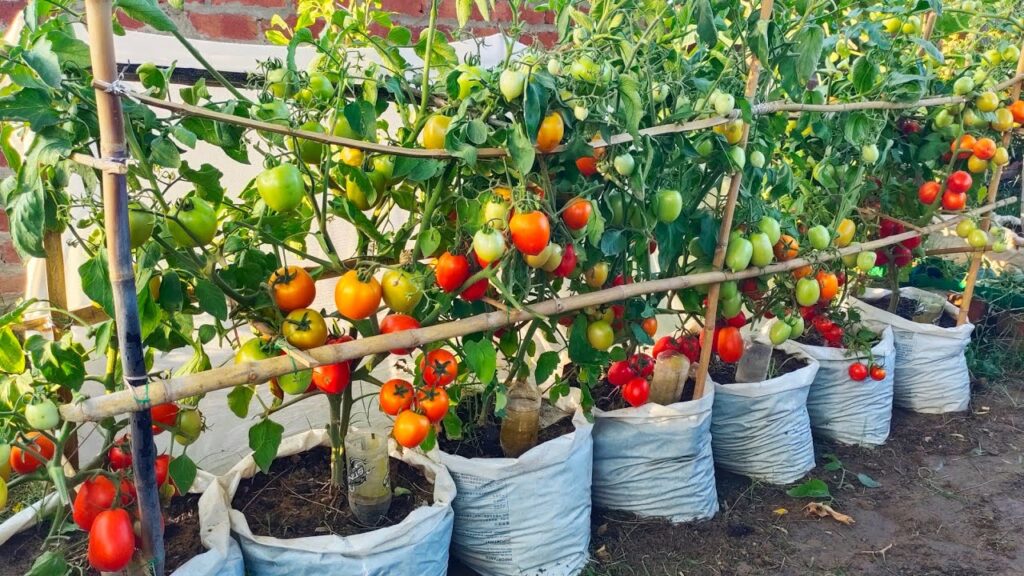
The first step in growing tomatoes successfully is picking the variety that suits your climate and space. Tomatoes come in many types, including:
🍅 Cherry Tomatoes
Small, sweet, and perfect for salads or snacking. They grow fast and are ideal for containers.
🍅 Roma/Plum Tomatoes
Fleshy and less juicy—great for sauces and pastes.
🍅 Beefsteak Tomatoes
Large, juicy tomatoes commonly used in burgers and sandwiches.
🍅 Heirloom Tomatoes
Colorful, rich in flavor, and grown from traditional varieties.
If you have limited space, choose dwarf or determinate types. If you want a continuous harvest, go with indeterminate varieties that grow tall and produce fruit all season.
2. Preparing the Soil
_1-1024x768.png)
Tomatoes love rich, well-drained soil full of nutrients. Healthy soil ensures strong root development and better fruit production.
✔ Soil Requirements
- pH level: 6.0–7.0
- Sandy loam soil (best)
- Organic matter-rich soil
✔ Improve Soil Quality
Mix in:
- Compost
- Cow dung manure
- Coconut coir (for moisture retention)
- Bone meal (for phosphorus)
- Neem cake (to prevent pests)
A fertile soil is the foundation of healthy tomatoes. Without proper nutrition, plants become weak, fruits stay small, and diseases spread easily.
3. Starting Tomatoes From Seeds
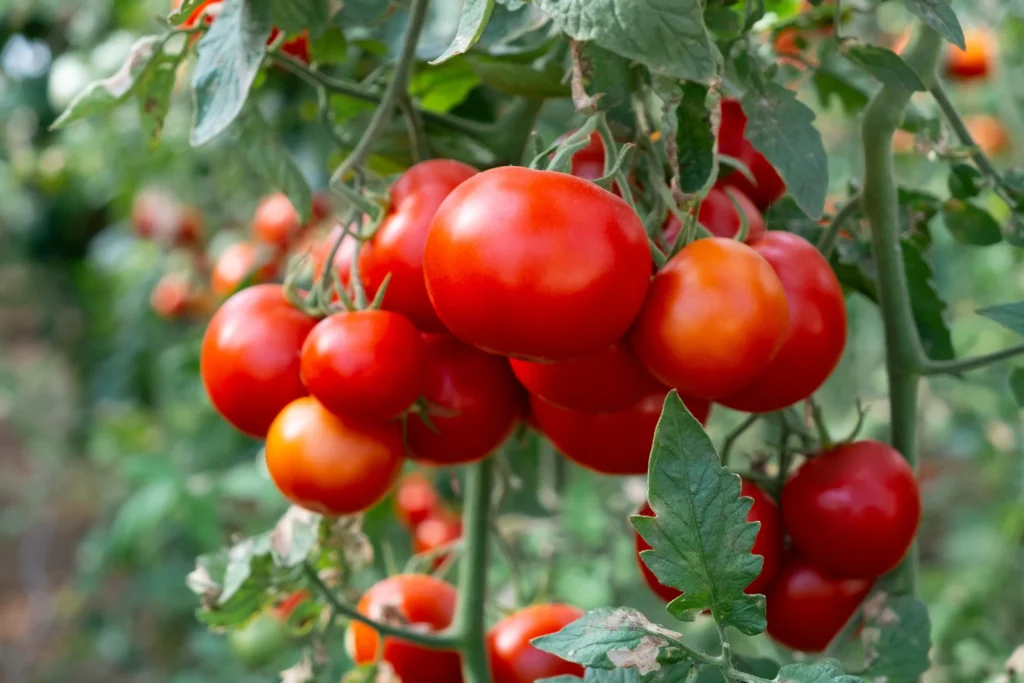
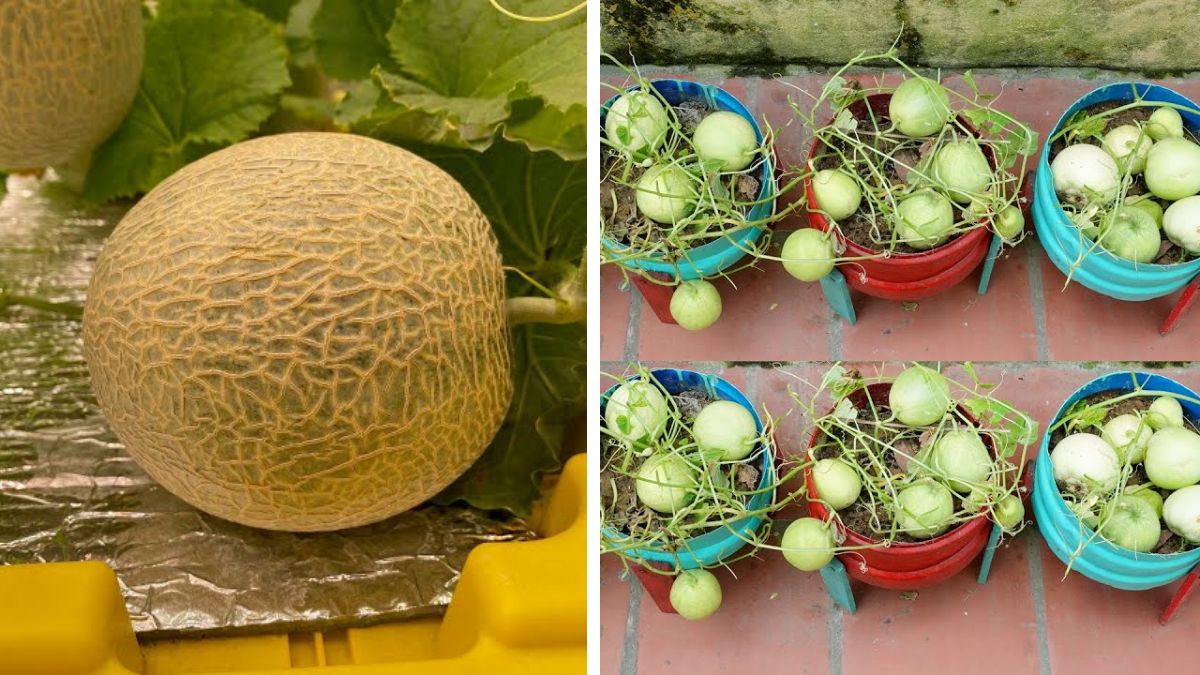
You can start tomatoes either from seeds or seedlings, but growing from seed gives you more control.
🌱 Steps to Start Seeds
- Fill seed trays or small cups with seed-starting mix.
- Plant seeds 0.5 cm deep.
- Keep the soil moist, not wet.
- Place in a warm, bright spot.
- Seeds germinate in 5–10 days.
Keep seedlings indoors or under shade until they grow 3–4 true leaves.
4. Transplanting Seedlings
Transplant your seedlings when they become about 6–8 inches tall.
🌱 How to Transplant
- Always transplant in the late afternoon or cloudy weather.
- Dig a deep hole because tomatoes grow roots along the buried stem.
- Bury the stem up to the first set of leaves.
- Add compost, bone meal, and a handful of ash to the hole.
- Water thoroughly after planting.
Deep planting builds a strong root system which means stronger plants and more tomatoes.
5. Watering Tomatoes Correctly
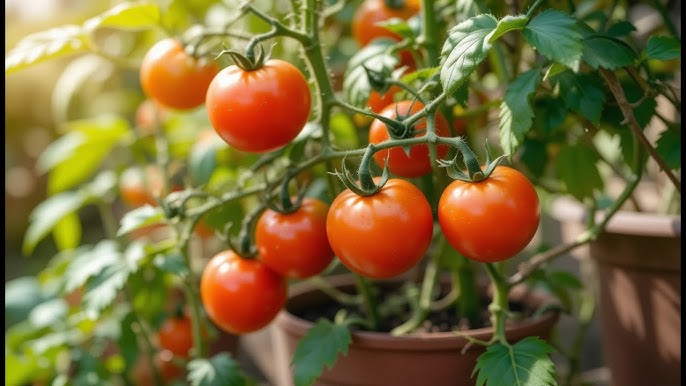
Watering is one of the most important parts of tomato care.
💧 Watering Tips
- Water at the base, not the leaves.
- Keep soil consistently moist.
- Water early in the morning.
- Avoid overwatering—tomatoes hate soggy soil.
- Use a mulch layer (dry leaves, straw) to maintain moisture.
Inconsistent watering can cause blossom end rot, cracked fruits, and reduced yield.
6. Sunlight Requirements
Tomatoes need 6–8 hours of direct sunlight to grow properly.
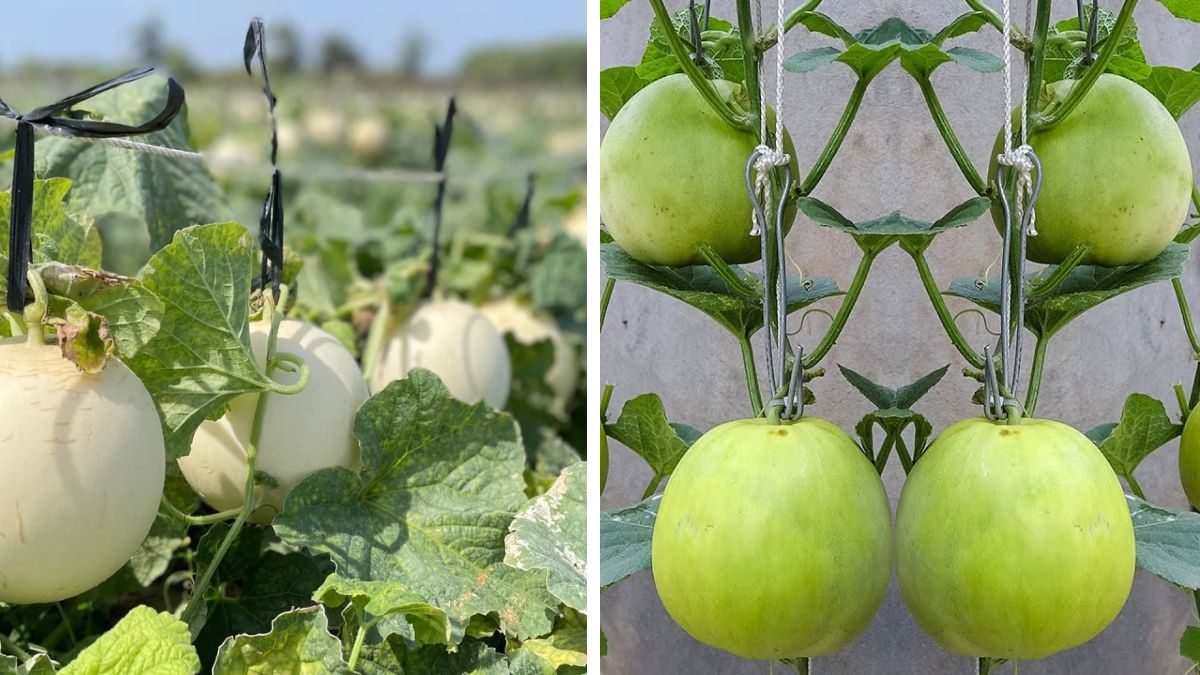
If growing indoors or in shaded balconies, you may need:
- Reflective sheets
- Grow lights (optional)
More sunlight = more flowers = more fruit.
7. Staking and Supporting the Plants
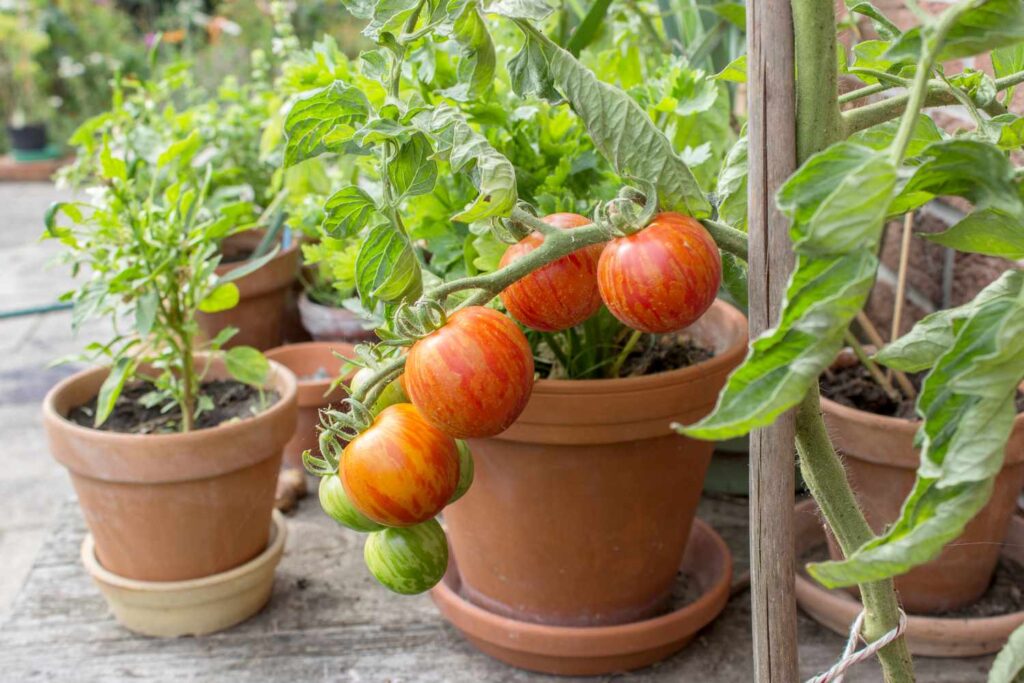
Tomatoes grow tall and heavy with fruit. Without support, stems break easily.
Support Options
- Bamboo stakes
- Cages
- Trellis
- Strings (for indeterminate types)
Tie the plants loosely to avoid damaging the stems.
8. Fertilizing for Bigger Tomatoes
Tomatoes are heavy feeders. To get big, juicy fruits, feed them regularly.
🌿 Recommended Natural Fertilizers
- Compost tea
- Banana peel fertilizer (potassium-rich)
- Eggshell powder (calcium)
- Fish amino acid
- Seaweed solution
- Cow dung manure
Fertilizing Schedule
- At planting
- After 20 days
- At flowering
- Every 15 days during fruiting
Balanced nutrition ensures continuous growth and plentiful harvest.
9. Pruning for More Yield
Proper pruning increases airflow, reduces diseases, and boosts fruit size.
How to Prune
- Remove bottom leaves touching the soil.
- Remove suckers (side shoots) for indeterminate varieties.
- Don’t prune determinate types too much.
Pruning helps the plant focus energy on fruits instead of unnecessary leaves.
10. Preventing Tomato Pests and Diseases
Common Pests
- Aphids
- Whiteflies
- Caterpillars
- Fruit borers
Organic Solutions
- Neem oil spray
- Soap water
- Garlic–chili spray
Common Diseases
- Leaf spot
- Blight
- Wilt
Avoid disease by:
- Watering at base
- Spacing plants well
- Removing infected leaves
- Using disease-resistant varieties
11. Flowering and Fruit Setting Tips
To encourage more flowers and fruits:
- Ensure enough sunlight.
- Avoid nitrogen-heavy fertilizers.
- Shake the plant gently to help pollination.
- Keep the temperature between 18°C–30°C.
12. Harvesting Tomatoes
Tomatoes are ready to harvest when:
- They turn fully red (or yellow/orange depending on variety)
- They feel slightly soft when pressed
- The fruit easily detaches from the plant
Harvest regularly to encourage the plant to produce more fruits.
Conclusion
Growing tomatoes is easy, fun, and incredibly rewarding. With the right care—from seed to harvest—you can enjoy baskets of fresh, delicious tomatoes right from your garden. All you need is good soil, proper sunlight, balanced fertilizers, and regular attention.
Whether you’re growing in the ground, in containers, or on a balcony, this guide gives you everything you need to get started. Try it today and enjoy the satisfaction of harvesting your own homegrown tomatoes!