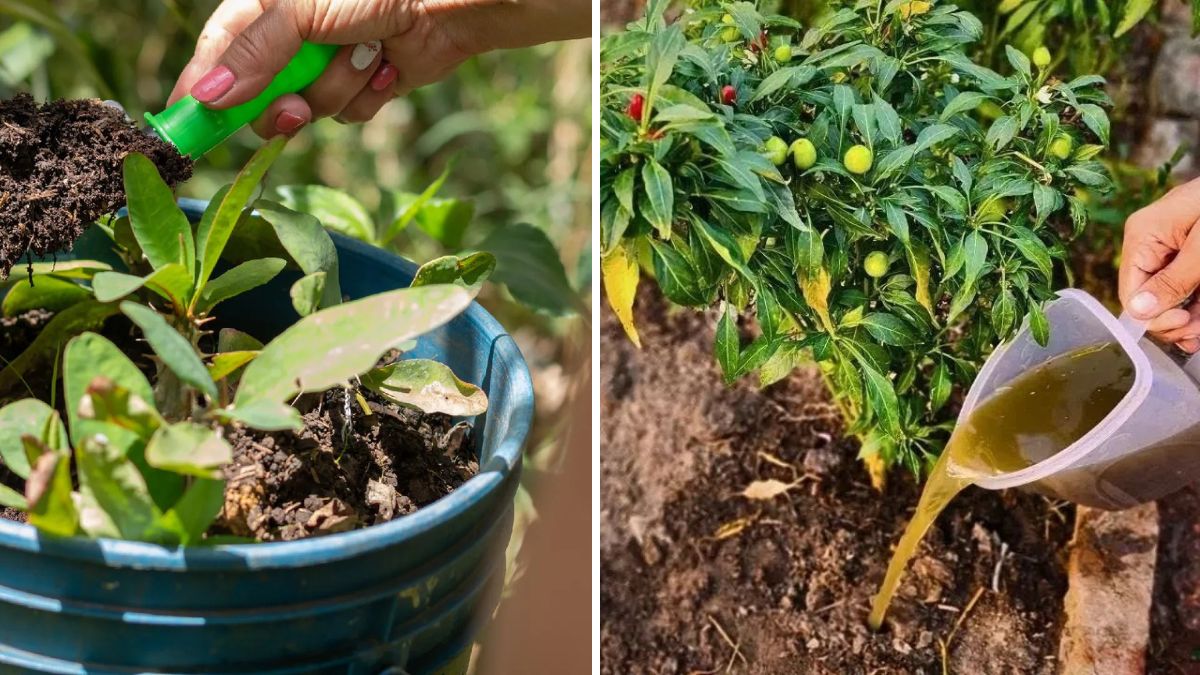
Farmers and home gardeners are always searching for natural, effective, and low-cost ways to improve crop growth. In recent years, compost water—commonly known as compost tea or liquid compost—has emerged as one of the most powerful organic boosters for crops. This nutrient-rich liquid works like nature’s own fertilizer, providing plants with easily available minerals, beneficial microbes, and growth-stimulating compounds.
Whether you grow vegetables, fruits, spices, or flowers, compost water can make a noticeable difference in plant growth, yield, and soil health. This guide will help you understand what compost water is, how to make it, how to use it, and why farmers call it “liquid gold.”
What Is Compost Water?
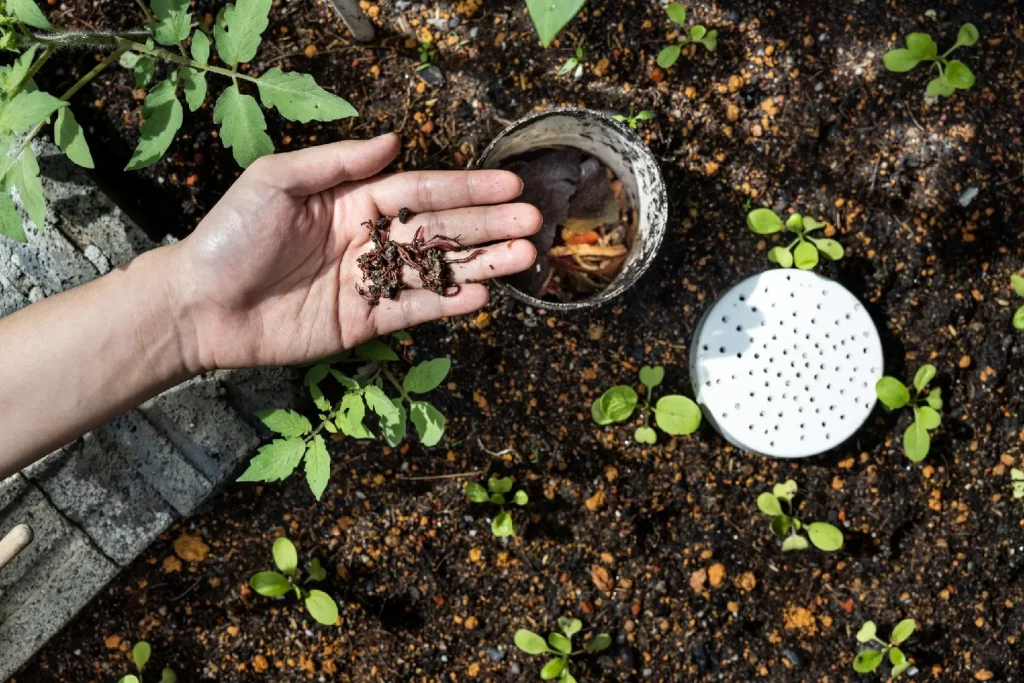
Compost water is a nutrient-dense liquid created by soaking mature compost in clean water for a certain period. During this time, the water extracts minerals, beneficial microorganisms, organic acids, and bio-active compounds from the compost, turning it into a powerful liquid fertilizer.
Unlike solid compost—which works slowly—compost water acts quickly because nutrients are already dissolved and ready for plants to absorb.
Why Compost Water Works So Well
Here are some reasons why compost water is considered one of the most effective organic fertilizers:
1. Rich in Beneficial Microorganisms
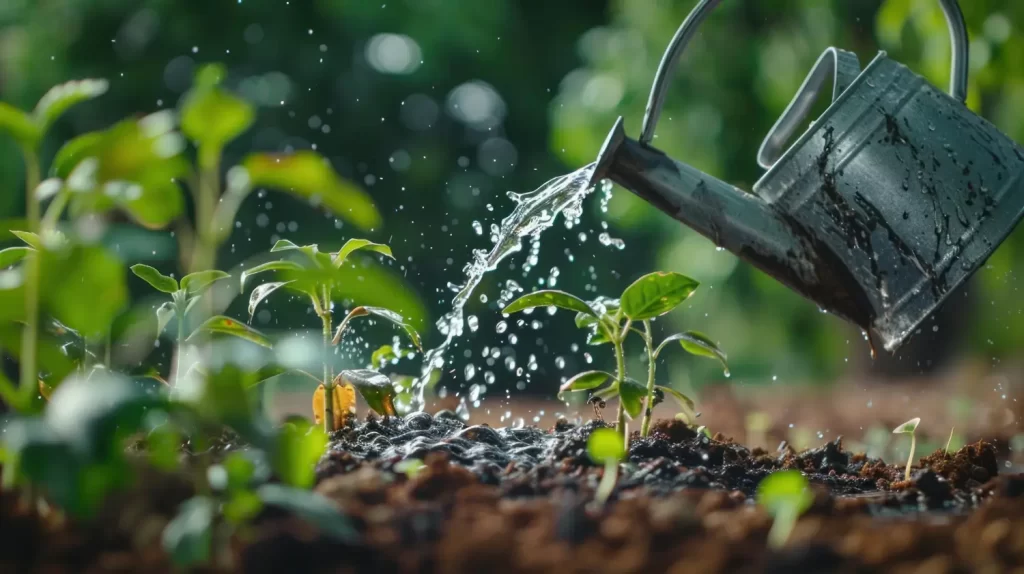
Good compost contains millions of helpful bacteria, fungi, protozoa, and other microbes. When added to crops, they:
- Improve soil structure
- Increase nutrient availability
- Protect plant roots from harmful pathogens
- Support strong and steady plant growth
2. Supplies Quick-Release Nutrients
Compost water contains instantly available nitrogen, phosphorus, potassium, and micronutrients. Plants absorb these nutrients quickly through leaves and roots, resulting in fast, visible improvement.
3. Boosts Soil Health
When poured into the soil, compost water increases biological activity, improves aeration, and enhances moisture retention. Over time, this leads to fertile, well-structured soil.
4. Strengthens Plant Immunity
Regular use of compost water helps plants develop resistance to:
- Fungal diseases
- Root rots
- Pest attacks
- Environmental stress (heat, drought, etc.)
5. 100% Organic and Chemical-Free
Unlike chemical fertilizers, compost water does not damage soil, burn plants, or harm beneficial insects.
How to Prepare Compost Water (Three Easy Methods)
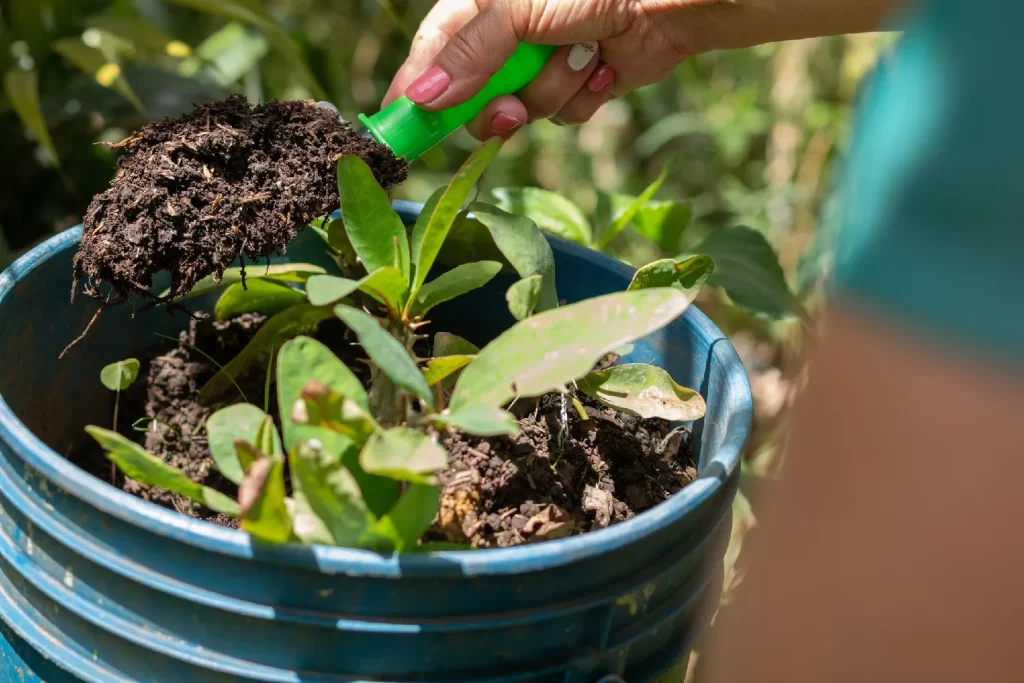
There are multiple ways to make compost water depending on time and ingredients. Here are the three most effective methods:
Method 1: Quick Compost Water (Ready in 24 Hours)
This is the best method if you need a fast supply of liquid fertilizer.
You’ll Need:
- 1 bucket
- 1 kg well-decomposed compost
- 10 liters clean water
- Stick for stirring
Steps:
- Add compost to the bucket.
- Pour water into the bucket.
- Stir well for 1–2 minutes.
- Let the mixture rest for 24 hours.
- Strain the liquid and use it as compost water.
This simple method works well for vegetables, leafy greens, and flowering plants.
Method 2: Aerated Compost Tea (Powerful & Microbe-Rich)
Aerated compost tea is the highest-quality compost water you can make. The added air boosts microbe growth, making the tea more effective.
You’ll Need:
- 1 bucket or drum
- 1 kg compost
- 10 liters water
- Aquarium air pump or aerator
- Molasses or jaggery (1–2 tablespoons)
Steps:
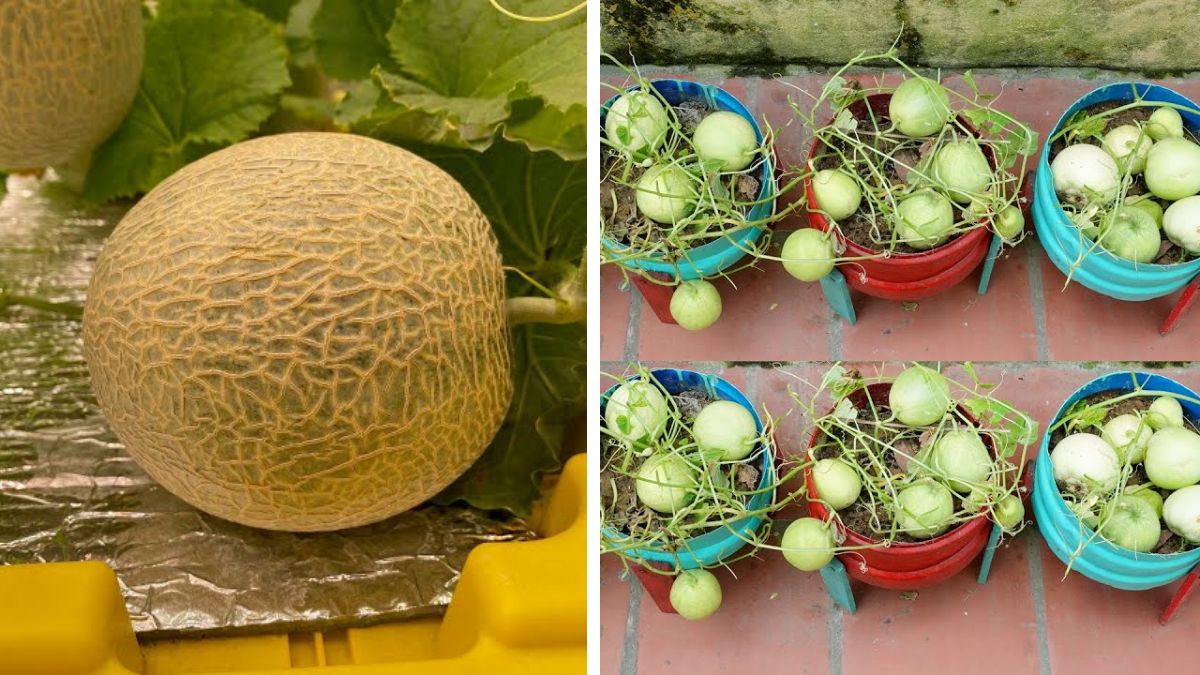
- Mix compost and water in a container.
- Add molasses/jaggery as food for microbes.
- Insert the aerator and run it for 24–36 hours.
- Strain the liquid before use.
This compost tea is extremely effective for spraying on leaves and improving soil microbiology.
Method 3: Fermented Compost Water (Strong Long-Term Fertilizer)
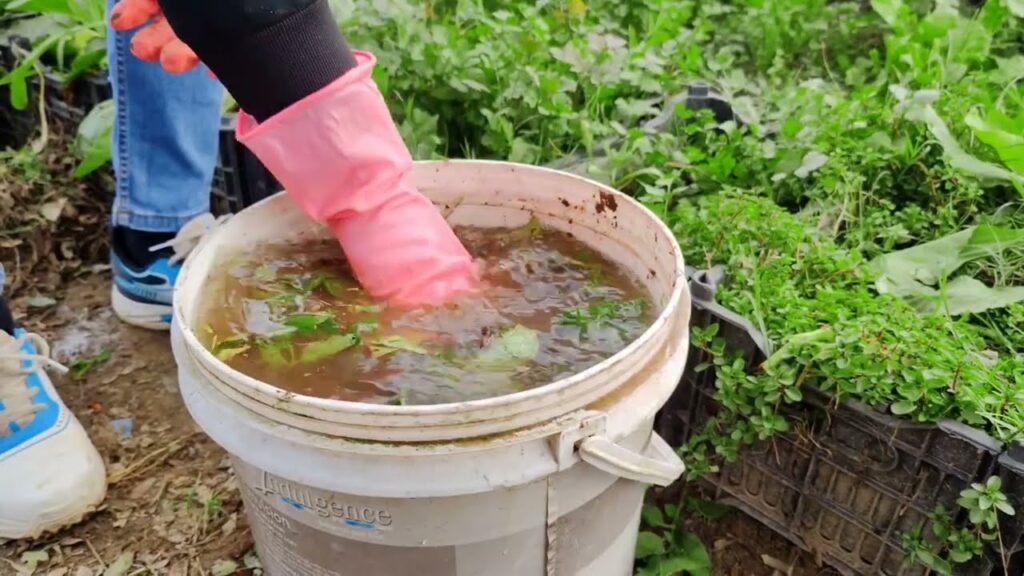
If you want a stronger fertilizer, this method is perfect.
You’ll Need:
- 1 drum or container
- 1–2 kg compost
- 20 liters water
- Jaggery/molasses (optional)
Steps:
- Mix compost and water in the container.
- Cover loosely to allow gases to escape.
- Let it ferment for 7–10 days.
- Stir every 1–2 days.
- Strain before use.
This stronger version should be diluted before applying to plants.
How to Apply Compost Water to Crops
Compost water is versatile and can be used in multiple ways depending on crop needs.
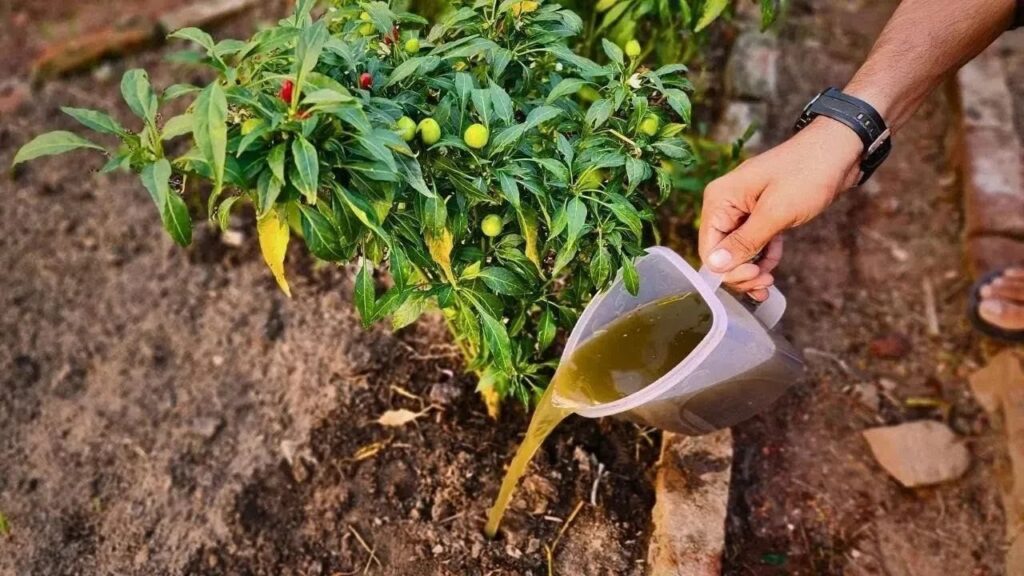
1. Soil Drenching (Best for Roots)
Pour the compost water directly at the base of plants.
Benefits:
- Strengthens root development
- Improves soil health
- Boosts nutrient absorption
Application Frequency:
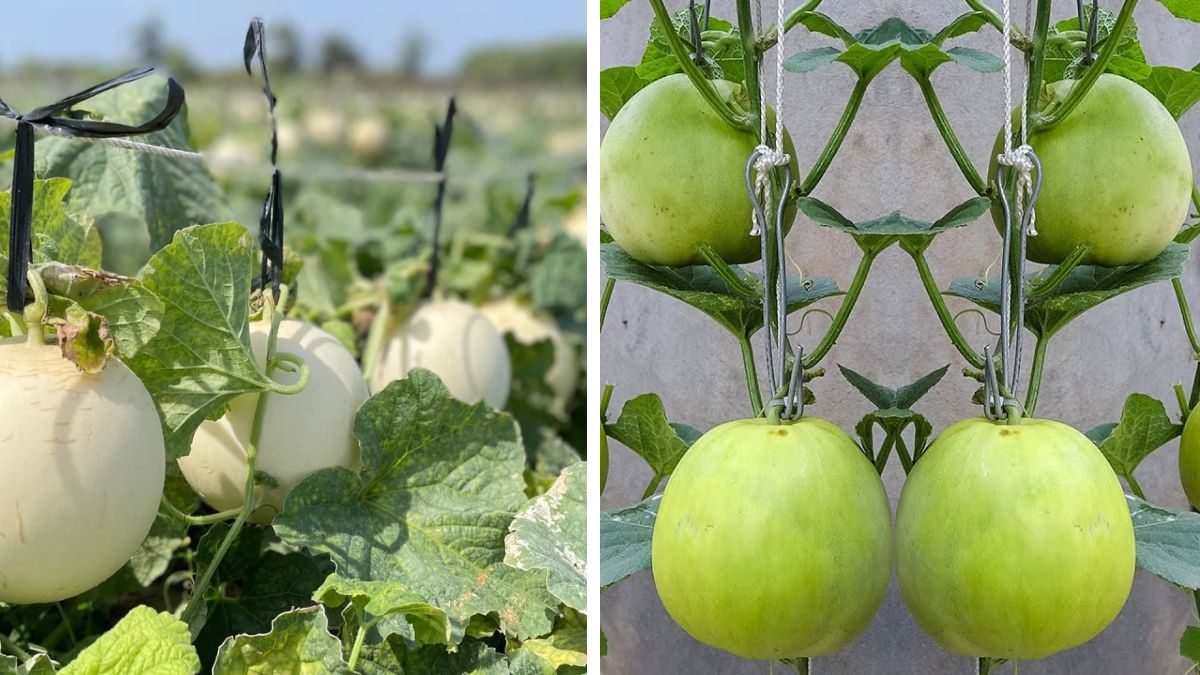
- Once every 7–10 days for vegetables
- Every 15 days for fruit trees
2. Foliar Spray (Best for Fast Results)
Spraying compost water on leaves allows plants to absorb nutrients immediately.
Benefits:
- Quick greening
- Improved photosynthesis
- Better immunity against pests and diseases
Important Tip:
Dilute compost water 1:1 with clean water before spraying.
Frequency:
- Once every 10–15 days
3. Seed Treatment
Before planting, dip seeds in diluted compost water for 30 minutes.
Benefits:
- Faster germination
- Stronger seedlings
- Disease-free growth
4. Drip Irrigation
If you have a drip system, compost water can be filtered and added through the tank.
Benefits:
- Even nutrient distribution
- Saves labor and time
Which Crops Benefit Most from Compost Water?
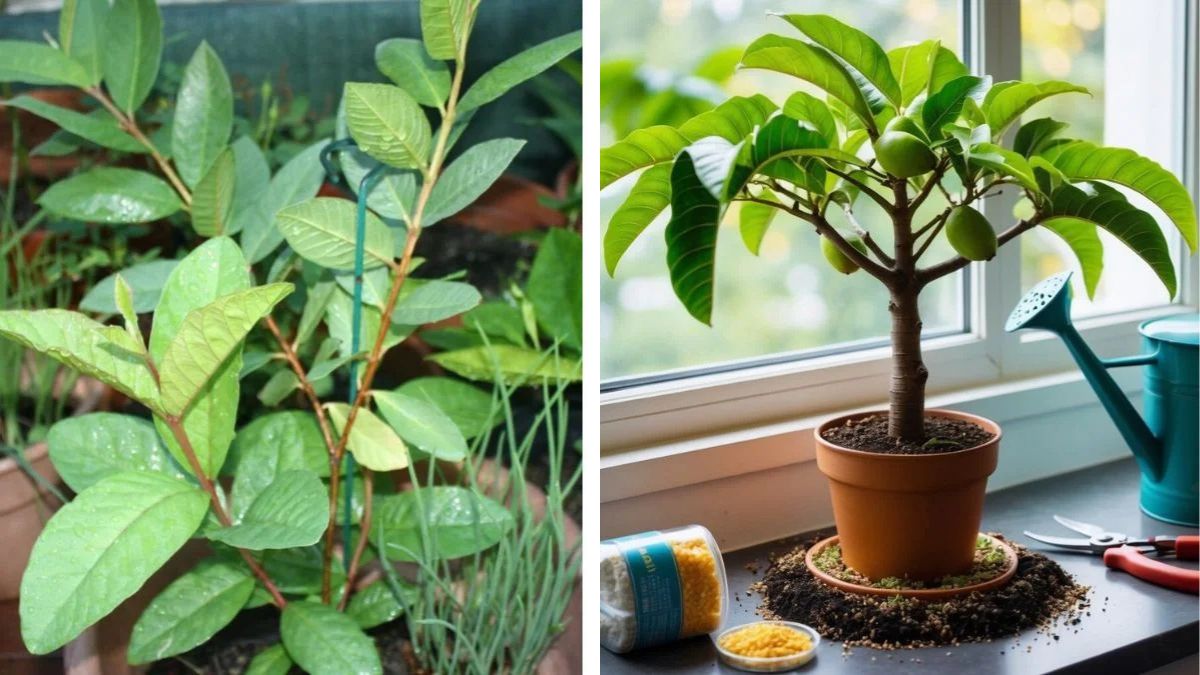
Compost water works for almost all crops, but some respond exceptionally well:
Vegetable Crops
- Tomatoes
- Cucumbers
- Chillies
- Okra
- Spinach
- Cabbage
Fruit Crops
- Papaya
- Banana
- Guava
- Grapes
- Watermelon
Field Crops
- Maize
- Rice
- Wheat
Flowers
- Marigold
- Rose
- Jasmine
- Sunflower
Common Mistakes to Avoid
Even though compost water is safe, avoid these common errors:
1. Using Fresh or Smelly Compost
Always use well-decomposed compost. Fresh compost can harm roots.
2. Applying Undiluted Strong Tea on Leaves
Always dilute fermented or strong compost water before spraying.
3. Overusing Compost Water
More is not always better. Excess use can increase salt buildup.
4. Using Unfiltered Compost Water in Sprayers
Unfiltered particles can block spray nozzles.
The Long-Term Benefits of Regular Compost Water Use
Farmers who use compost water consistently report:
Better Yield
Plants grow faster and produce more fruits and vegetables.
Reduced Fertilizer Cost
Chemical fertilizer use drops by 30–50%.
Healthier Soil
Soil becomes softer, richer, and more fertile each year.
Stronger Plants
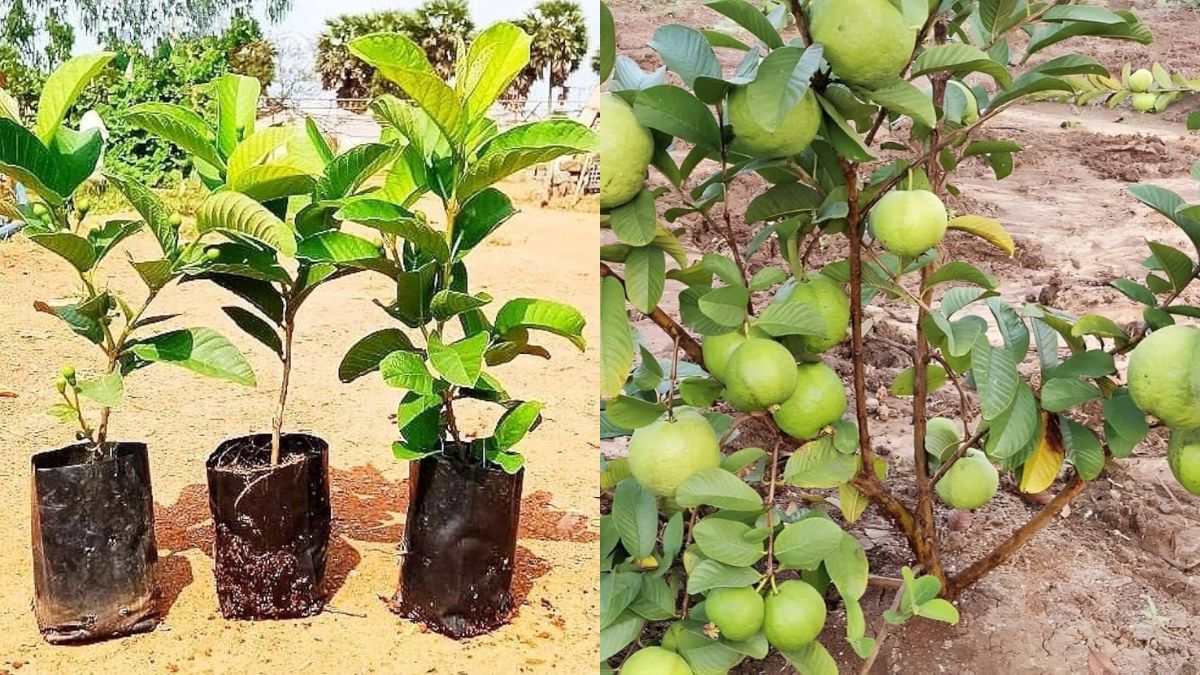
Less disease, fewer pests, and improved tolerance to climate changes.
Final Thoughts
Compost water is one of the most powerful yet simplest tools for organic farming and gardening. It is inexpensive, easy to prepare, and highly effective for improving crop growth, yield, and soil health. Whether you are a home gardener or a full-time farmer, using compost water can transform your fields and provide healthier, more abundant harvests.
By making compost water a part of your routine, you are not only feeding your crops—you are nourishing the entire ecosystem of your soil.