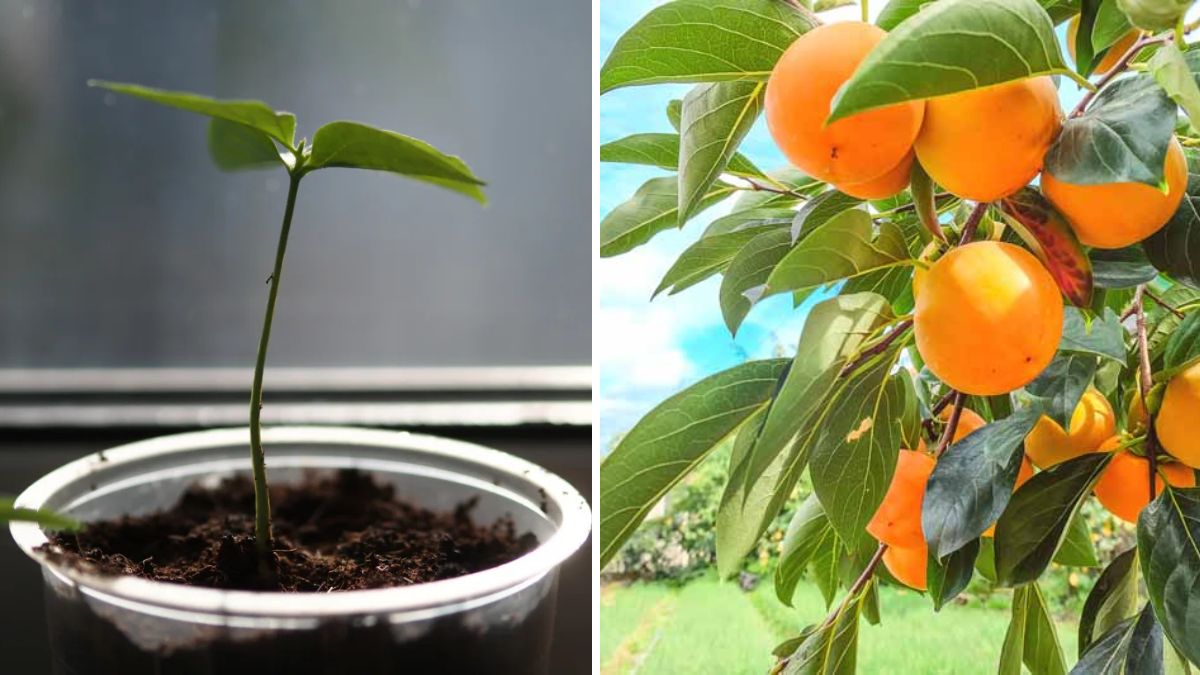
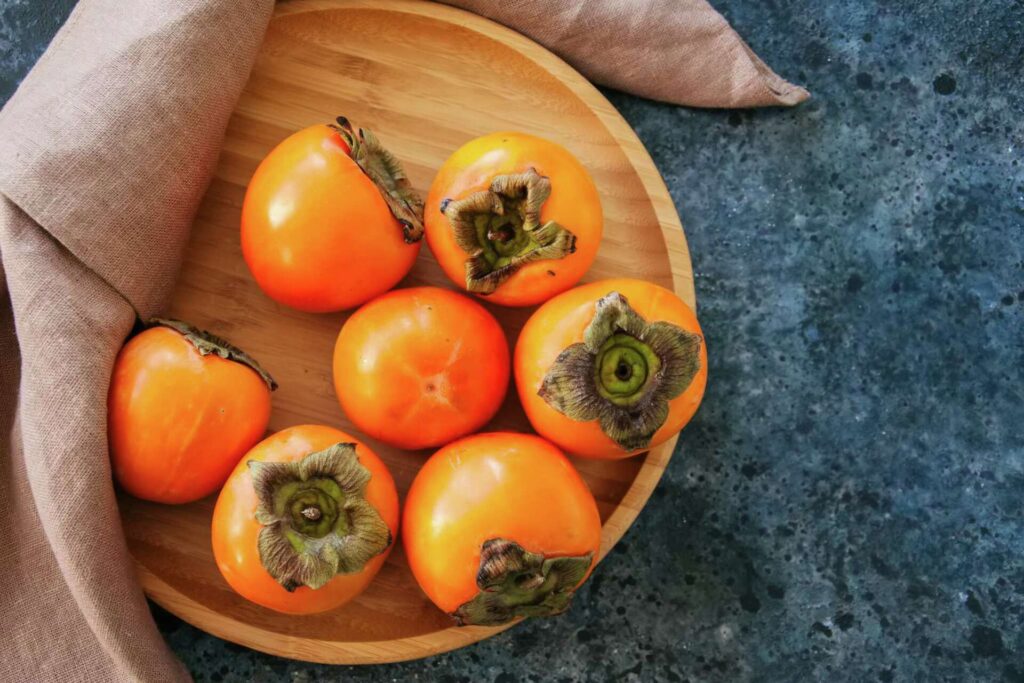
Persimmon trees are beloved for their sweet, honey-like fruits, glossy leaves, and elegant shape. Whether you enjoy them fresh, dried, or turned into desserts, having your own persimmon tree at home is a rewarding experience. The good news? You can grow persimmon trees easily from seeds and cuttings with just a little care and patience.
This complete guide will walk you through seed preparation, germination, soil selection, planting tips, aftercare, pest control, and more. Let’s get started!
🌱 Introduction: Why Grow Persimmon Trees at Home?
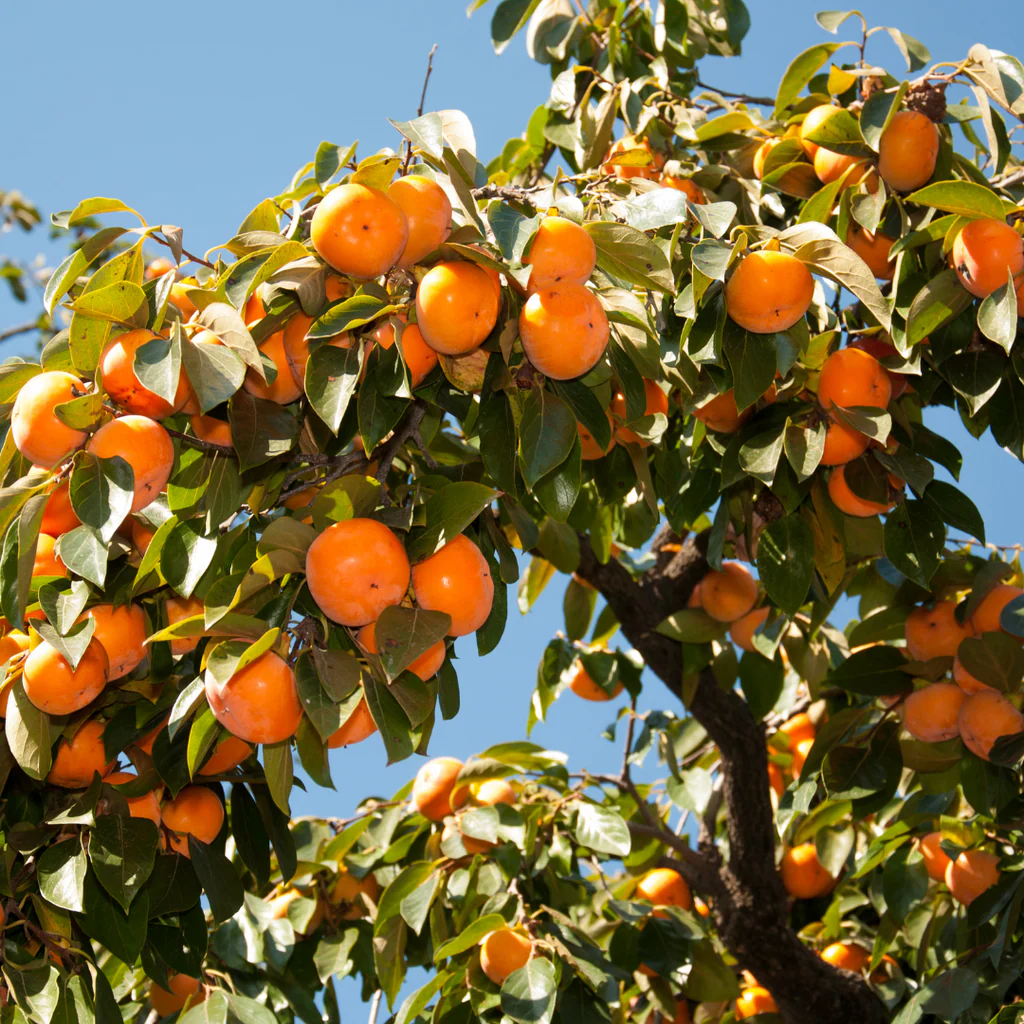
Persimmon trees (Diospyros kaki) are incredibly hardy and adaptable. They thrive in warm, temperate climates and can grow beautifully in gardens, pots, or farm spaces. Their vibrant orange fruits ripen in winter—just when most other fruit trees finish fruiting—making them perfect for home growers.
Growing persimmons from seeds or cuttings is economical and enjoyable, especially for beginners who want a long-lasting fruit tree.
🍊 Step 1: Choosing the Right Persimmon Variety
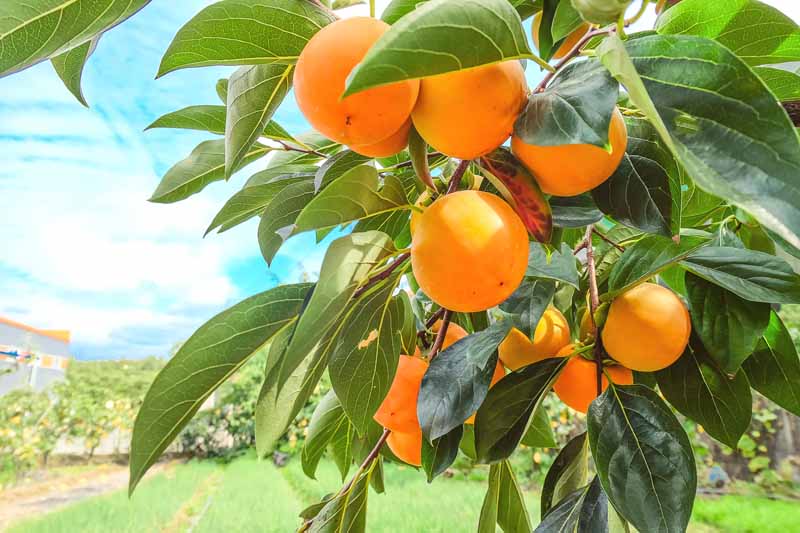
Before growing persimmons, it’s helpful to understand the two main types:
1. Astringent Varieties (e.g., Hachiya)
These must soften completely before eating. When ripe, they become jelly-like and extremely sweet.
2. Non-Astringent Varieties (e.g., Fuyu)
These can be eaten crisp like apples. They are more beginner-friendly and popular for home gardens.
You can grow both types from seeds or cuttings, though seeds may not produce identical fruits. Cuttings give faster and more reliable results.
🍂 Step 2: How to Grow Persimmon Trees from Seeds
Growing from seeds is exciting, but requires patience. Here’s the complete process:
✔️ 1. Collecting and Cleaning Seeds
- Choose a fully ripe persimmon fruit.
- Scoop out the seeds and wash them thoroughly to remove pulp.
- Let them dry on a paper towel for 24 hours.
✔️ 2. Seed Stratification (Chilling Process)
Persimmon seeds need a cold period to break dormancy.
Steps:
- Mix seeds in moist (not wet) cocopeat or peat moss.
- Seal them in a zip-lock bag.
- Refrigerate for 60–75 days at 3–5°C.
This step is essential for faster and healthier germination.
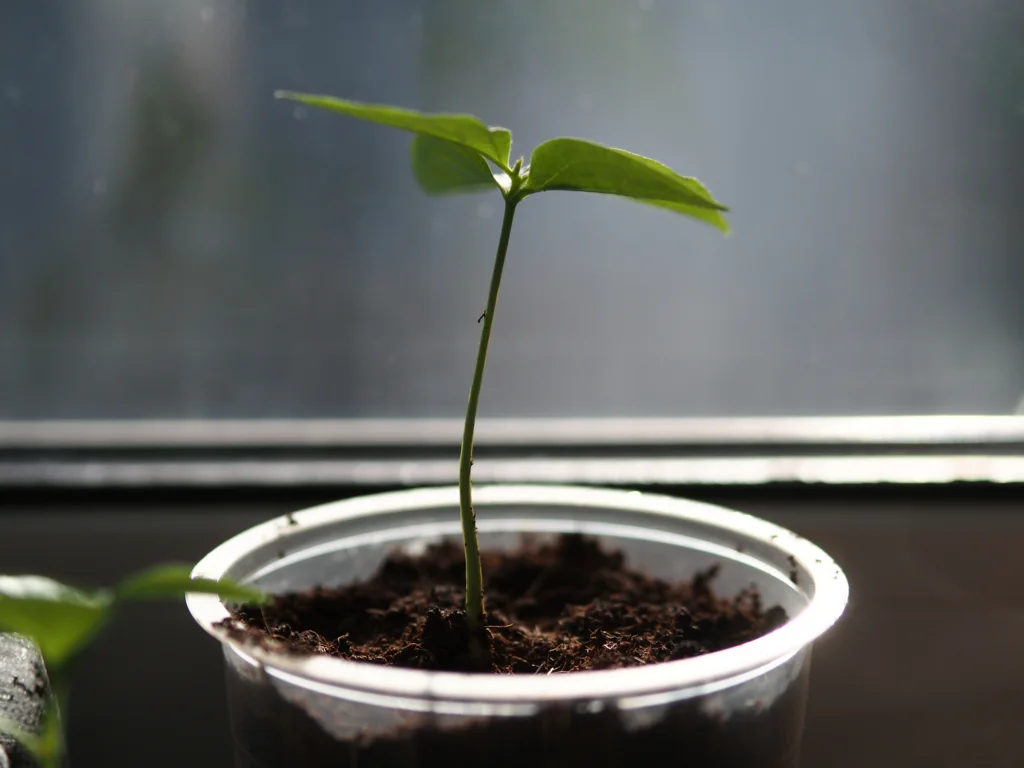
✔️ 3. Germinating the Seeds
After chilling:
- Prepare small pots with well-drained soil.
- Plant the seeds 1 inch deep.
- Keep the soil moist but never soggy.
- Place the pot in partial sunlight.
Seeds may germinate within 15–30 days, though some take longer—be patient!
🌿 Step 3: How to Grow Persimmon Trees from Cuttings (Fastest Method)
Growing persimmons from cuttings gives you a tree identical to the mother plant, ensuring fruit quality.
✔️ 1. Choosing the Cutting
- Select semi-hardwood cuttings (6–8 inches long).
- Make sure they have at least 3–4 nodes.
- Cut at a slant just below a node.
✔️ 2. Preparing the Cutting
- Remove leaves from the bottom half.
- Dip the bottom end in rooting hormone (optional but helpful).
- Keep the cutting moist, not wet.
✔️ 3. Planting the Cutting
- Use a pot with a mixture of 50% sand + 25% compost + 25% garden soil.
- Insert the cutting 2–3 inches deep.
- Water lightly.
Cover the pot with a plastic bag or bottle dome to maintain humidity.
Roots will form within 4–6 weeks.
🌤️ Step 4: Choosing the Right Soil & Pot
Persimmon trees are not too demanding but prefer:
- Well-drained soil
- Slightly acidic to neutral pH
- Rich organic matter
If planting in a pot:
- Use at least a 16–20 inch pot for young plants.
- Ensure good drainage holes.
Best Soil Mix:
- 40% garden soil
- 40% compost
- 20% sand or perlite
This keeps the soil airy and fertile.
🌞 Step 5: Light, Watering & Climate Needs
Persimmon trees LOVE sunlight.
☀️ Light:
- 6–8 hours of direct sunlight daily.
💧 Watering:
- Keep the soil moist during early growth.
- After establishment, water once every 7–10 days.
- Avoid overwatering—persimmons hate “wet feet”.
🌡 Climate:
- Ideal temperature: 20–30°C
- Can tolerate mild frost after maturity.
🌳 Step 6: Transplanting into the Ground
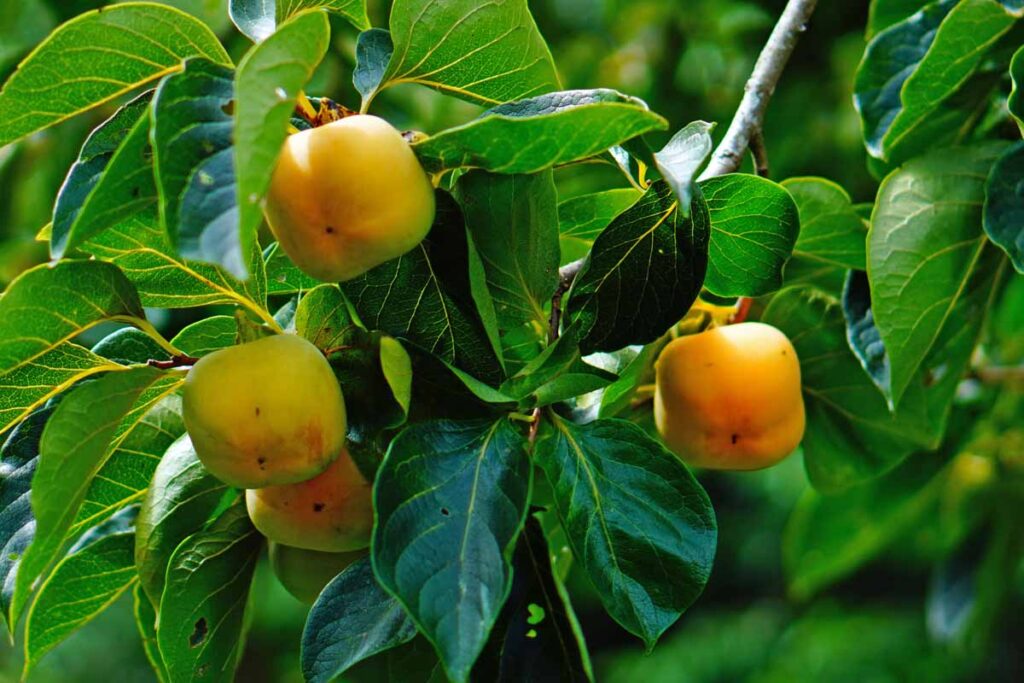
When your plant reaches 1–1.5 feet in height:
- Select a sunny area.
- Dig a pit: 2 ft × 2 ft × 2 ft.
- Fill with topsoil + compost + sand.
- Carefully transfer the plant.
- Water thoroughly.
Leave at least 12–15 feet space between trees.
🍃 Step 7: Fertilizing Your Persimmon Tree
Persimmons don’t need heavy feeding.
Best Organic Fertilizers:
- Well-rotted cow dung
- Vermicompost
- Mustard cake
- Banana peel compost
Apply fertilizers twice a year:
- Before the growing season
- After fruiting
Avoid high-nitrogen fertilizers, as they promote leaves instead of fruit.
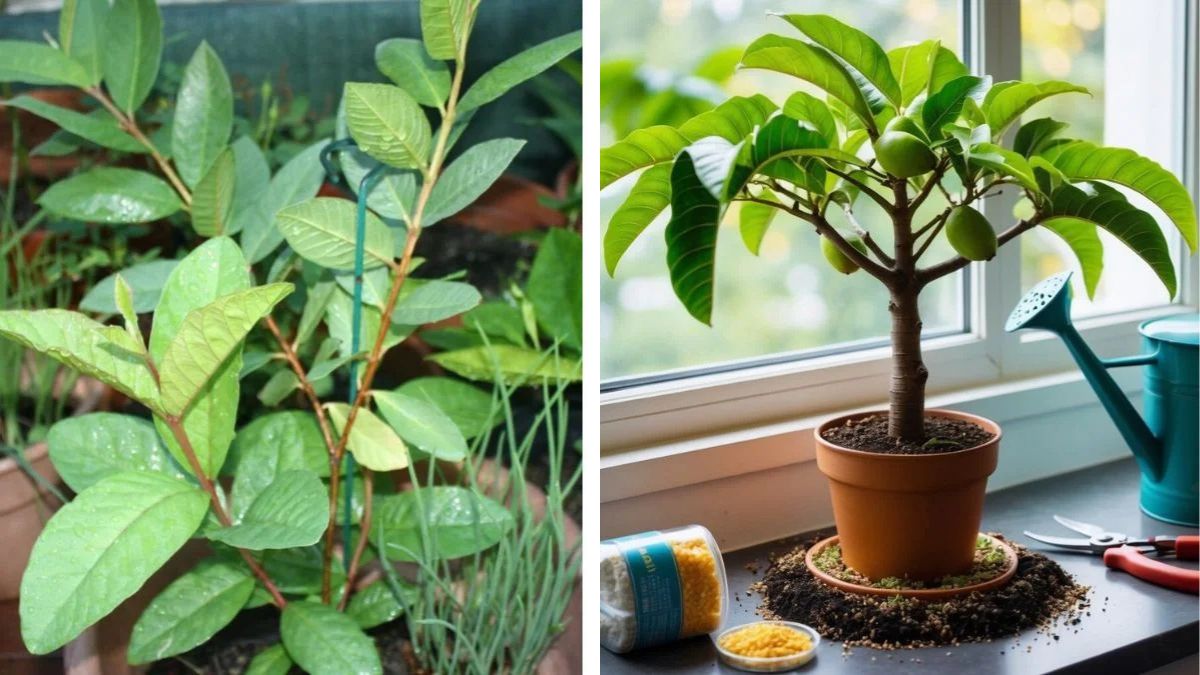
🍁 Step 8: Pruning for Better Growth & Fruit Quality
Pruning helps shape the tree and promotes more fruit.
When to prune:
Late winter or early spring.
How to prune:
- Remove dead branches.
- Cut off downward-growing stems.
- Maintain an open center structure.
This allows better airflow and sunlight penetration.
🐛 Step 9: Common Pests & Solutions
Persimmons are relatively pest-resistant, but occasionally face issues.
Common Problems:
- Mealybugs
- Aphids
- Fruit drop
- Fungal issues
Solutions:
- Spray neem oil every 15 days.
- Maintain proper drainage.
- Avoid overhead watering.
Healthy trees rarely face serious problems.
🍊 Step 10: When Will Your Persimmon Tree Bear Fruit?
Growing persimmons requires patience.
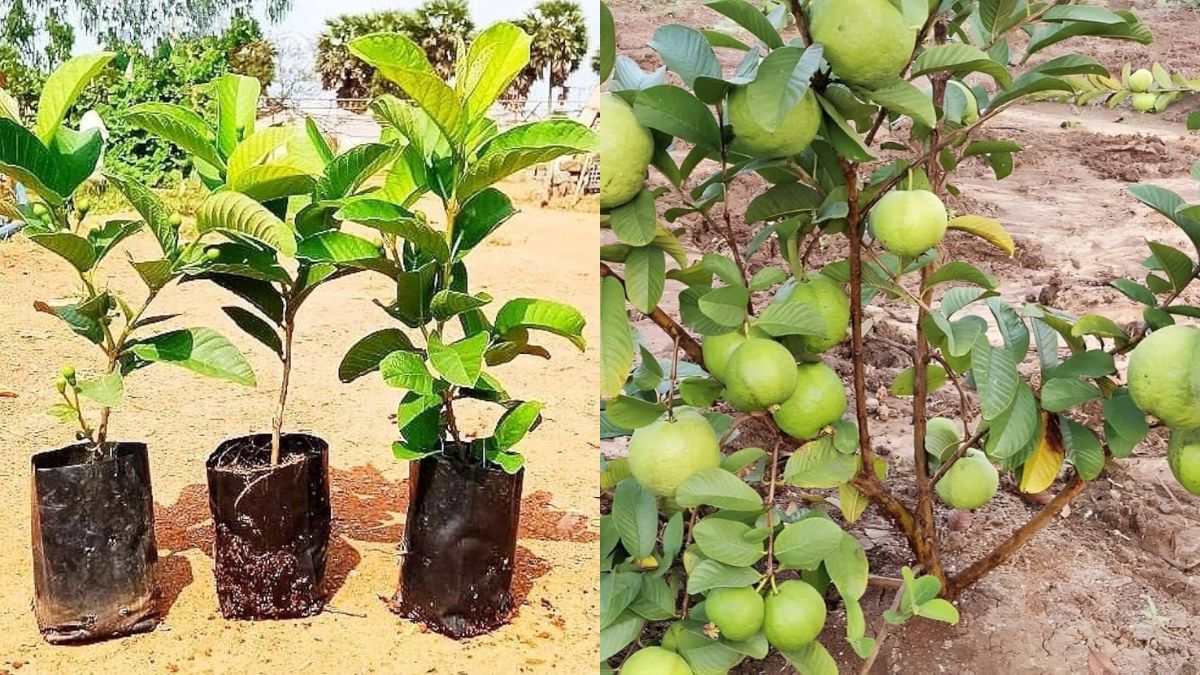
If grown from seeds:
- Fruit in 5–7 years
If grown from cuttings:
- Fruit in 3–4 years
Once mature, each tree can produce 50–200 fruits annually.
🌟 Conclusion: A Rewarding Journey from Seed to Fruit
Growing persimmon trees from seeds or cuttings is a delightful experience. With proper care—sunlight, soil, water, pruning, and patience—you can enjoy a beautiful fruit-bearing tree right in your garden.
Whether you’re a beginner or an experienced gardener, persimmons are a fantastic choice: low-maintenance, beautiful, and delicious.