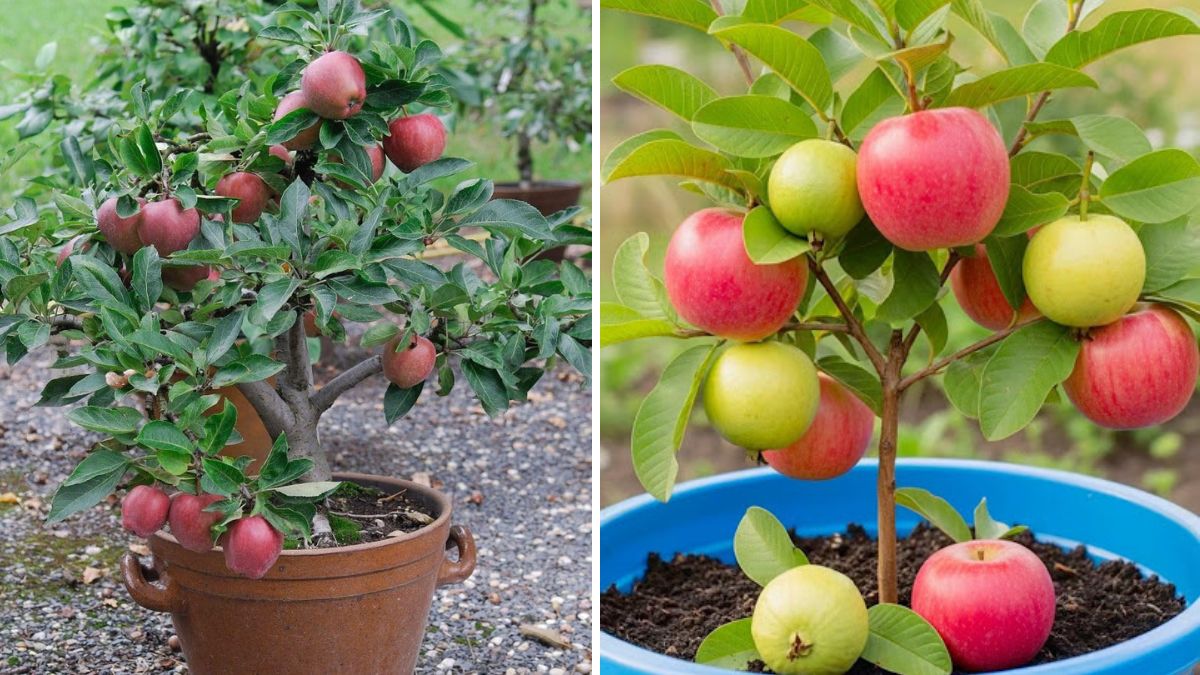
Growing apple trees has traditionally been considered a task for cold regions and commercial orchards—but with modern growing techniques and smart home-gardening ideas, anyone can grow apple trees that produce lots of fruits, even in small spaces or warmer climates.
Whether you dream of harvesting juicy apples from your backyard, terrace, or farm, this complete guide reveals an amazing new idea and powerful strategies that help apple trees fruit earlier, grow healthier, and produce more apples than traditional methods.
Let’s begin your journey toward creating your very own high-yield apple tree!
🍏 Why Growing Apple Trees Has Changed Today
In the past, gardeners struggled with:
- Slow growth
- Poor pollination
- Low fruiting
- Climate limitations
- Large space requirements
But today, with new dwarf varieties and innovative planting methods, apple cultivation has become easy and accessible for home gardeners.
Modern apple-growing ideas help you achieve:
✔ Earlier fruiting (2–3 years instead of 6–8)
✔ Heavy yield even in small spaces
✔ Enhanced disease resistance
✔ Year-round growth in many climates
✔ Successful container gardening
This guide introduces a great idea that can transform how apple trees grow and fruit.
🌱 The Great Idea: Multi-Variety Grafting on a Single Apple Tree
One of the best modern ideas for increasing apple production is grafting multiple apple varieties on one rootstock.
This technique is known as a “multi-grafted apple tree” or a fruit salad tree.
Why This Idea Works:
- Different apple varieties cross-pollinate each other (apples need cross-pollination!)
- Increases fruiting dramatically
- Extends the harvest season
- Saves space—multiple varieties grow on one plant
- Creates stronger, disease-resistant trees
This idea alone can boost apple production by 50–200%.
Let’s explore how to do it properly.
🌳 Step-by-Step: Growing a Multi-Variety Apple Tree
1. Choose a Strong Rootstock
The rootstock determines:
- Tree size
- Disease resistance
- Soil adaptability
- Growth speed
Best rootstocks for home gardeners:
- M106 (semi-dwarf) – Excellent for soil
- M111 (vigorous) – Good for warm climates
- M9 (dwarf) – Best for terrace or pot growing
Choose a young rootstock, 1 year old, 1–1.5 cm thick.
2. Select High-Yield Apple Varieties for Grafting
Choose 2–4 varieties that cross-pollinate each other.
Popular and reliable combinations:
- Gala + Fuji + Honeycrisp
- Red Delicious + Golden Delicious
- Anna + Dorsett Golden + Tropic Sweet (best for warm climates)
Each branch will bear fruit of its own variety!
3. Use the Cleft or Whip Grafting Technique
Steps:
- Cut the branch of the rootstock.
- Prepare the scion wood of your chosen variety.
- Make a wedge cut on the scion.
- Split the rootstock with a sharp blade.
- Insert and align the cambium layers.
- Seal with grafting tape.
- Label each scion with its variety name.
Why this increases fruit production:
- More flower variety = more pollination
- Mixed-variety blossoms attract more bees
- Stronger root system supports multiple fruiting cycles
This simple idea drastically increases yields.
🌞 Climate & Location: Essential for Apple Success
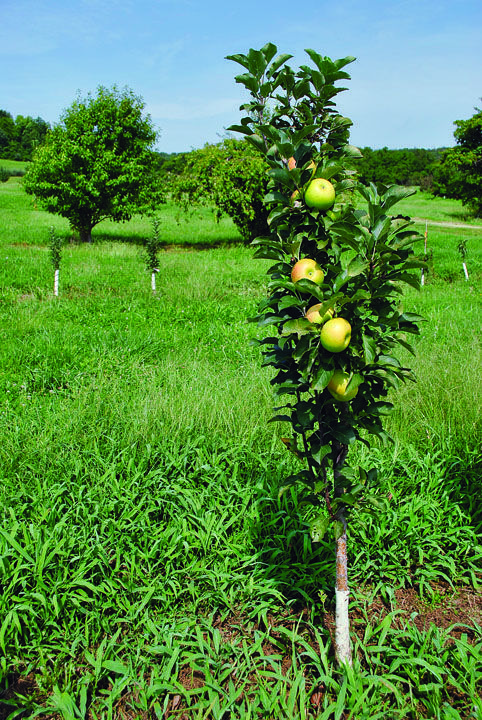
Apple trees love cool temperatures, but many new varieties grow well in warm and tropical climates.
Ideal requirements:
- 6 hours of sunlight
- Well-draining soil
- Cold exposure (for some varieties)
- Air circulation
- Slightly acidic soil (pH 6.0–6.5)
If you live in warm regions:
Grow low-chill varieties like:
- Anna
- Dorsett Golden
- Tropic Sweet
These varieties thrive in India, Southeast Asia, and other warm areas.
🪴 Growing Apple Trees in Containers (A Modern Idea!)
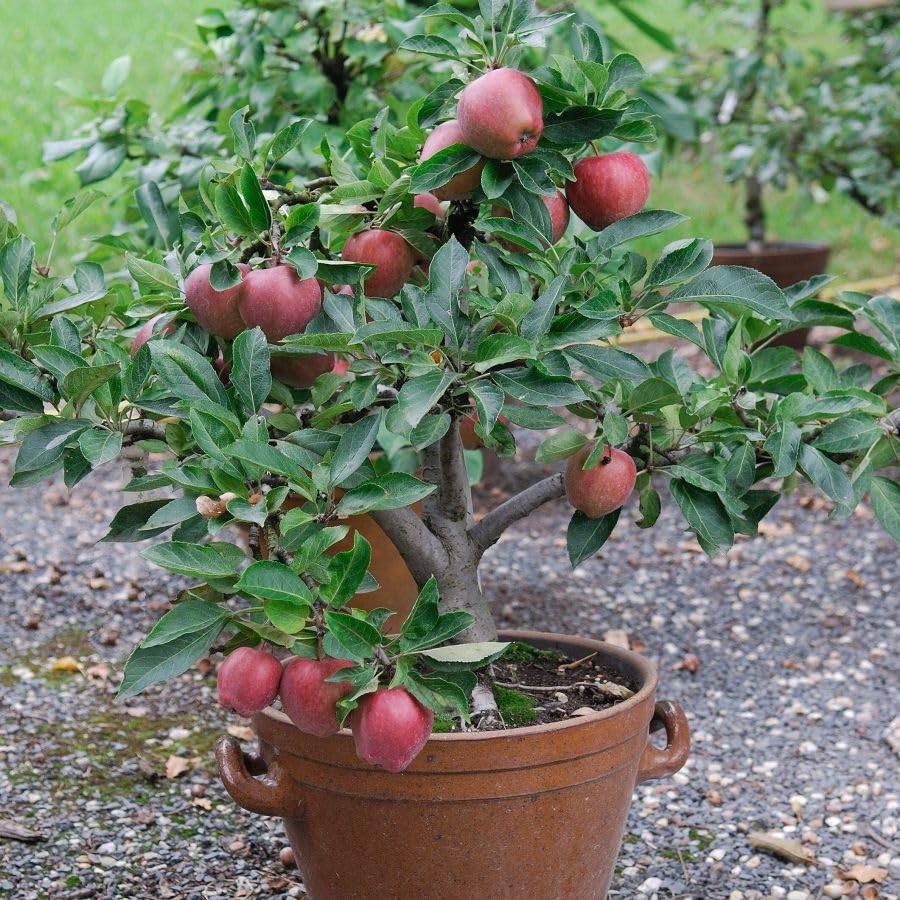
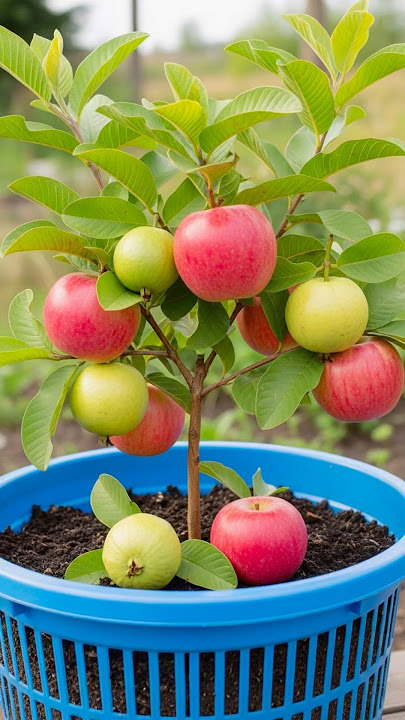
With dwarf rootstocks, apple trees grow beautifully in pots.
Requirements:
- Pot size: 50–100 liters
- Soil mix:
- 40% garden soil
- 30% compost
- 20% sand
- 10% cocopeat
- Add bone meal or neem cake monthly.
- Use drip irrigation or weekly watering.
Container apples fruit the same as ground-grown trees if maintained well.
🌿 Training & Pruning: The Real Secret to Heavy Production
Apple trees need shape and structure to fruit their best.
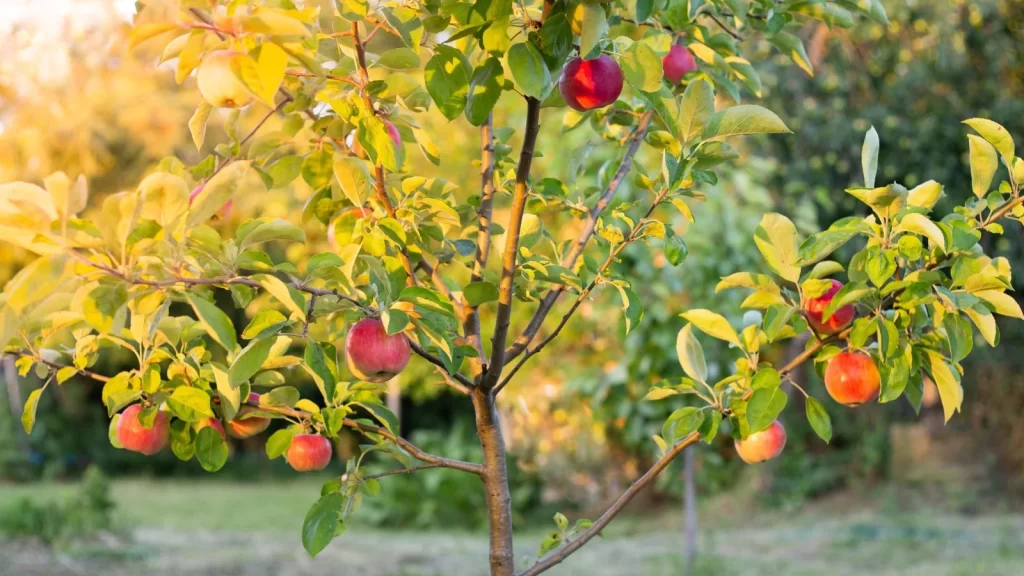
The Best Training Method: Central Leader System
- Keep one main stem.
- Develop 4–5 side branches in spiral formation.
- Maintain airflow and light penetration.
- Remove branches growing inward or crossing.
Pruning Rules:
- Winter: Shape the tree
- Summer: Remove suckers
- After fruiting: Light pruning
Pruning increases:
- Flowering
- Fruit size
- Branch strength
- Sunlight exposure
A well-pruned apple tree always produces more.
💧 Watering Techniques: Avoid Overwatering!
Apple trees hate “wet feet.”
Use smart watering techniques:
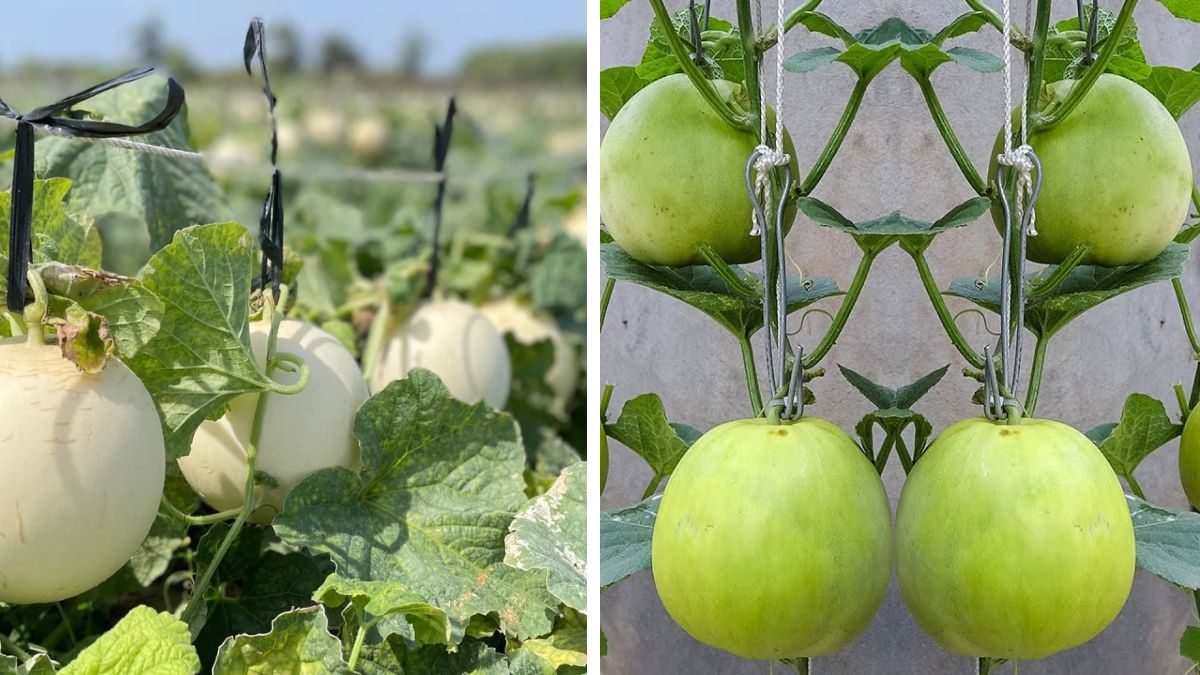
Best practices:
- Water deeply once a week
- Mulch with straw or wood chips
- Keep soil moist, not soggy
- Reduce watering in winter
- Increase watering during fruit formation
Too much water = root rot + fewer fruits.
Balanced moisture = heavy fruiting.
🌸 Boost Flowering for More Fruits
Flowers are the beginning of apples.
Use these methods to increase flowering:
1. Apply Potassium-Rich Fertilizers
- Wood ash
- Banana peel fertilizer
- Potash granules
2. Use Seaweed Extract
Promotes more buds and healthier blooms.
3. Avoid Excess Nitrogen
Nitrogen grows leaves, not fruits.
4. Ensure Cross-Pollination
If you planted a single variety, add grafts of another variety.
🍏 Organic Fertilizers for Bigger, Sweeter Apples
Feed your apple tree every 45–60 days.
Best organic fertilizers:
- Vermicompost
- Cow manure
- Bone meal
- Fish emulsion
- Mustard cake
- Compost tea
- Banana peel water
Apply around the drip line (outer area of the branches).
🐝 Encourage Pollinators for Maximum Apple Production
Apples rely heavily on bees.
Boost pollination naturally:
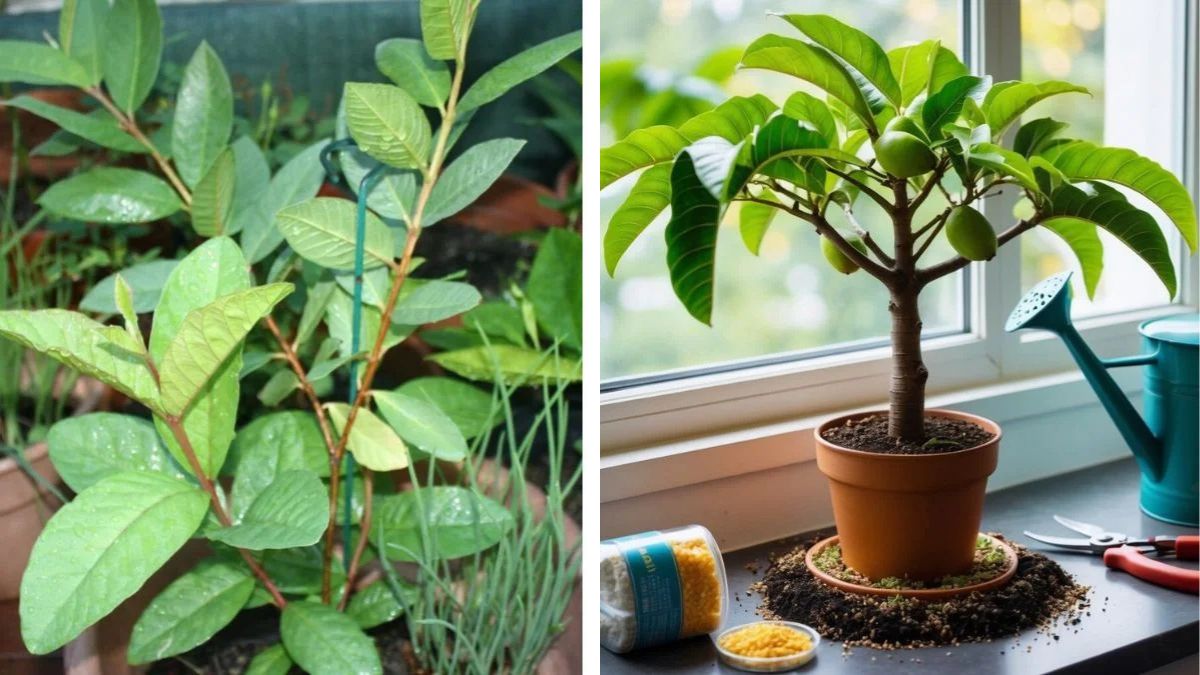
- Plant marigold, lavender, or mint nearby
- Avoid chemical pesticides
- Keep a water source for bees
- Allow flowering weeds nearby
More bees = more apples.
🐛 Pest & Disease Control (Natural, Modern Methods)
Common apple problems:
- Aphids
- Apple scab
- Powdery mildew
- Codling moth
Natural solutions:
- Neem oil every 15 days
- Baking soda spray (for fungal issues)
- Sticky traps
- Prune infected branches
- Maintain airflow
Healthy plants produce better fruit.
🍎 When Will Your Apple Tree Start Producing?
Using modern methods:
Dwarf apples:
Start fruiting in 2–3 years
Semi-dwarf apples:
3–4 years
Standard apples:
4–6 years
With multi-grafting, production can DOUBLE within 3 years.
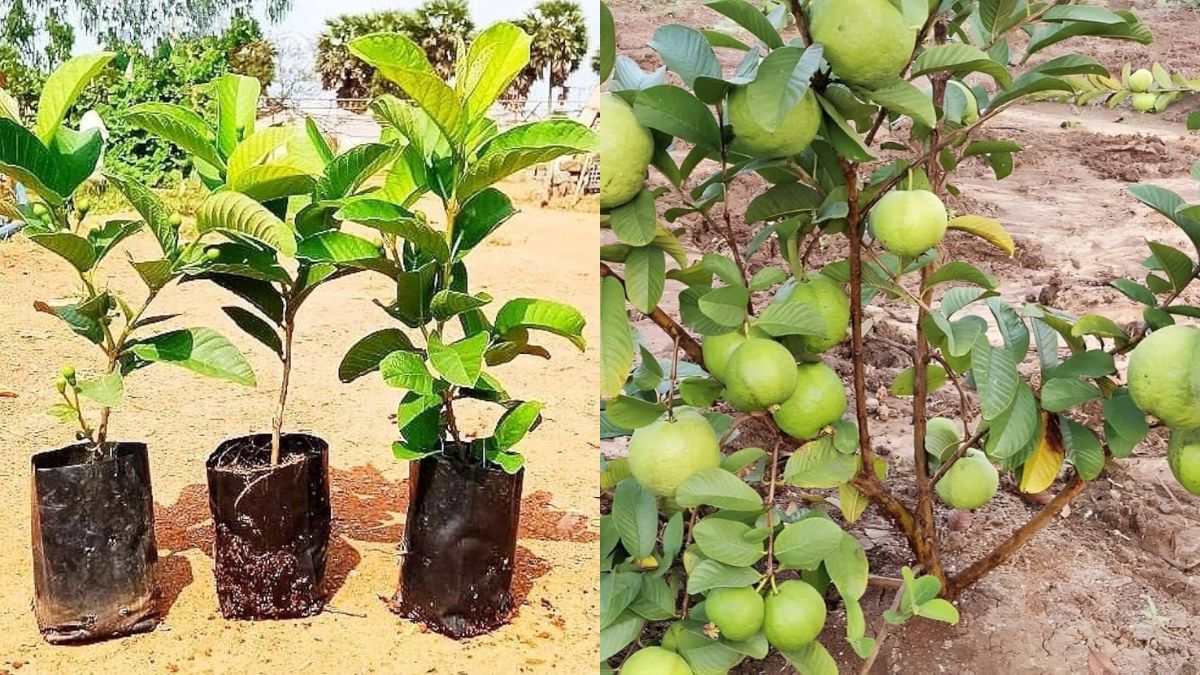
⭐ Conclusion: The Great Idea That Changes Everything
Growing apple trees that produce heavily is no longer difficult.
With the brilliant idea of multi-variety grafting, combined with modern techniques like dwarf rootstocks, container growing, pruning, mulching, and organic fertilizing, you can create a super-productive apple tree—even in limited space.
This method is:
✔ Beginner-friendly
✔ Space-saving
✔ High-yielding
✔ Perfect for warm and cool climates
Start using this idea today and enjoy a garden filled with apples of different flavors, colors, and sizes—all from a single tree!