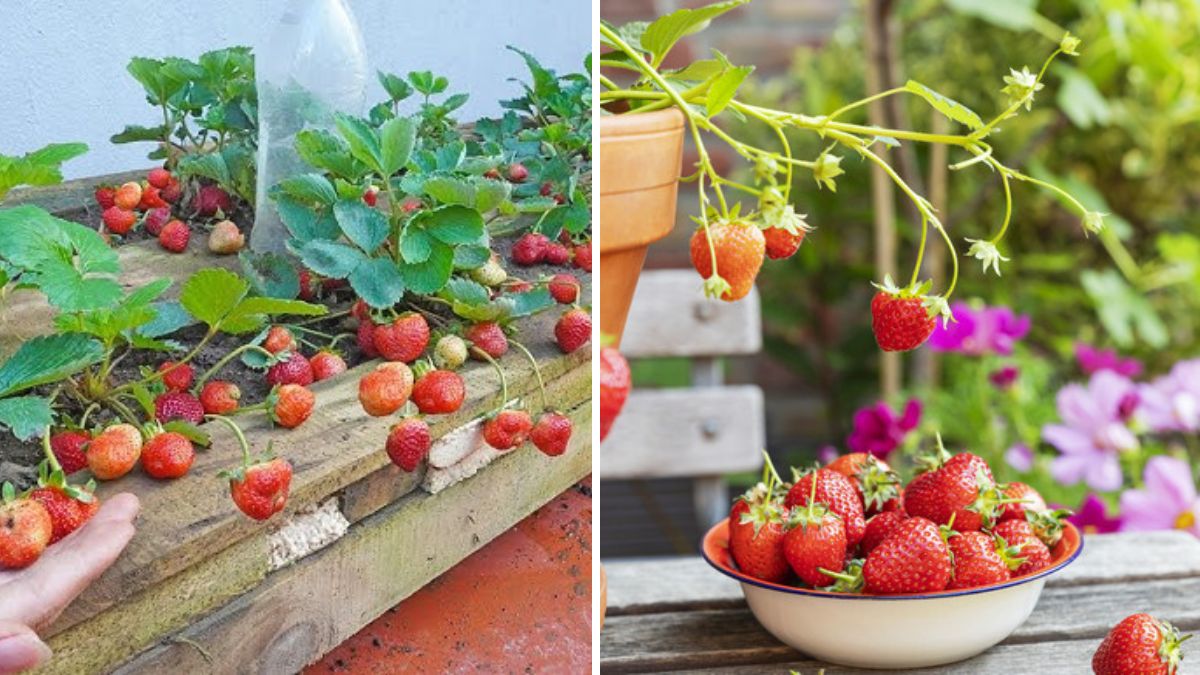
Strawberries are among the most loved fruits in the world—sweet, juicy, fragrant, and incredibly rewarding to grow. The good news? You don’t need a big farm or large backyard to harvest baskets of fresh strawberries. With the right techniques, you can successfully cultivate strawberries in pots, grow bags, hanging baskets, or even small backyard patches. Whether you live in a flat, a house with a terrace, or a home with minimal outdoor space, this guide will help you grow strawberries step-by-step.
This complete 1200-word guide covers soil preparation, pot selection, watering, fertilizing, sunlight, pest control, and how to multiply strawberry plants endlessly. Let’s begin your sweet gardening journey!
🌱 Why Grow Strawberries at Home?
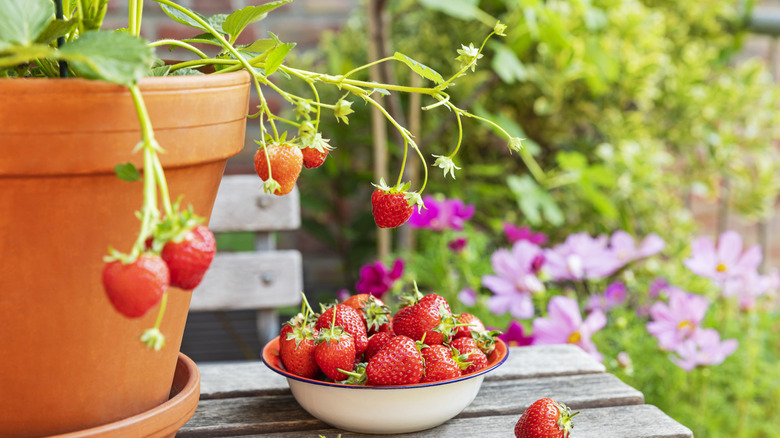
Growing strawberries at home is not just about saving money—although homegrown strawberries are cheaper, sweeter, and chemical-free. But the true joy is watching your plants bloom, seeing tiny green berries form, and finally harvesting bright red fruits that your family will love.
Homegrown strawberries are:
- 100% organic and pesticide-free
- Sweeter because you harvest them fully ripe
- Safer than store-bought berries (store berries often have heavy chemical residue)
- More productive—one plant gives dozens of berries per season
- Beautiful, making your garden look vibrant with lush green leaves and red fruits
🌿 Choosing the Right Strawberry Variety
Not all strawberry varieties grow well in warm climates. For home gardening, choose hardy, heat-tolerant types:
Best varieties for home gardening
- Winter Dawn – Fast-growing, sweet berries
- Chandler – High yield, excellent taste
- Festival – Prefers tropical regions
- Sweet Charlie – Very sweet, grows well in pots
- NSF-1 – New popular variety in India
If you live in a warm region, choose varieties known to tolerate heat.
🪴 Best Container for Growing Strawberries
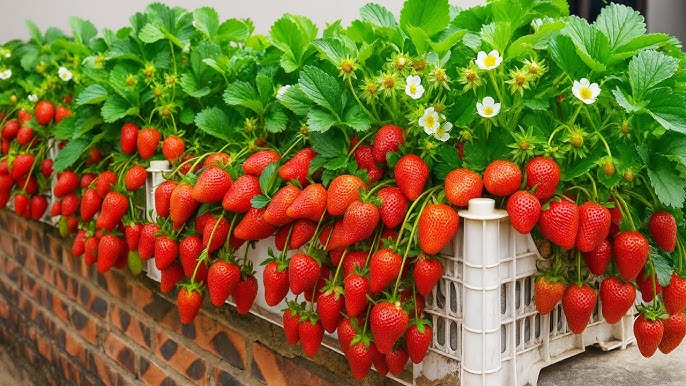
Strawberries grow well in small spaces, but the container must be chosen carefully.
Recommended containers
✔ 8–12 inch pots (per plant)
✔ Grow bags (12 × 12 inch)
✔ Hanging baskets
✔ Vertical strawberry towers
✔ Plastic crates or tubs with drainage holes
Important:
Strawberry roots are shallow. They hate waterlogging. Ensure good drainage always.
🌱 Soil Mix for Super-Healthy Strawberry Plants
One of the most important steps! Strawberries prefer soft, airy, fertile, well-draining soil.
Perfect soil mix:
- 40% garden soil
- 30% cocopeat or leaf compost
- 20% vermicompost
- 10% sand or perlite
Optional boosters:
- A handful of neem cake powder
- 1 tbsp bone meal or mustard cake powder
This mix ensures:
- Proper drainage
- Healthy root growth
- Continuous flowering and fruiting
🌞 Sunlight Requirements
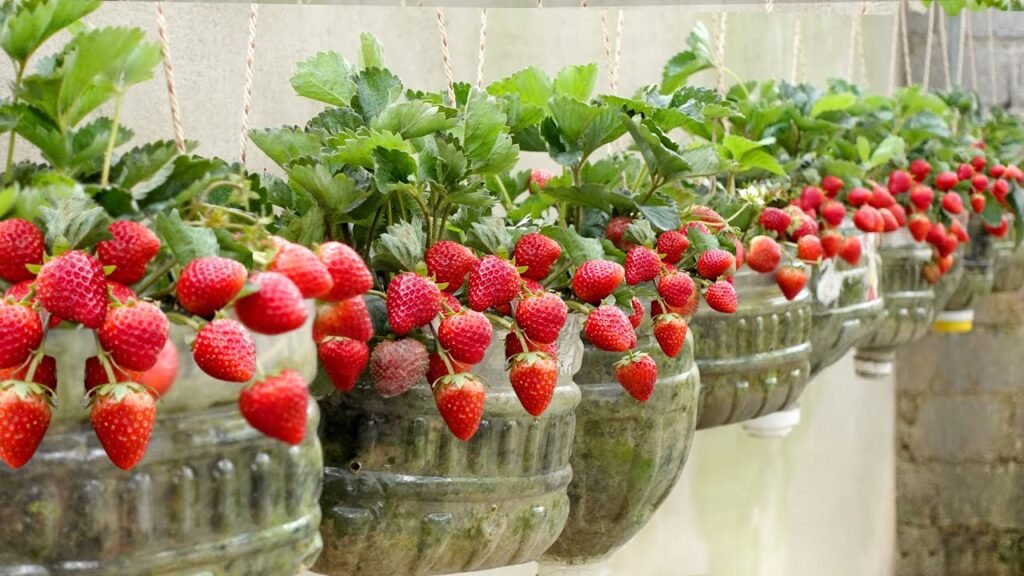
Strawberries need at least 4–6 hours of direct sunlight daily to produce sweet fruits.
Best locations:
- Balcony with morning sun
- Terrace
- Open backyard
- Window-side sunlit area
Tip: Morning sunlight is better than afternoon sunlight, as afternoon heat may scorch the leaves.
🍓 Planting Strawberries (Step-By-Step)
Follow these steps for successful planting:
1. Prepare the pot
- Add small stones or broken pieces of terracotta to improve drainage.
- Fill with soil mix, leaving 2 inches space on top.
2. Place the strawberry plant
- Plant it slightly above the soil line.
- Make sure the crown (center part) is not buried too deep.
3. Water gently
- Water only until soil becomes moist.
- Never flood your pot.
4. Mulch
Use:
- Dry leaves
- Straw
- Grass clippings
Mulch prevents:
- Soil drying
- Rotting of strawberries touching soil
- Weeds
💧 Watering Rules for Strawberry Plants
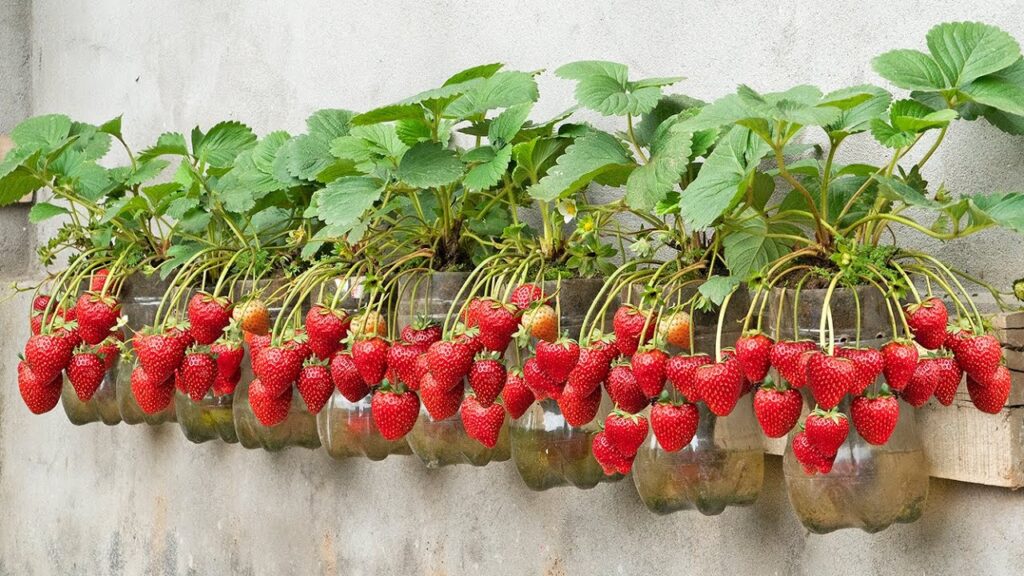
Strawberries love moisture but hate standing water.
Watering guide:
- Water every 2–3 days in winter
- Water daily in summer
- Keep soil moist but not soggy
- Never wet the leaves too much—can cause fungal disease
Important: Overwatering = dead strawberry plant.
🌺 Flowering & Fruiting Care
Strawberries begin flowering in 40–50 days after planting. Each flower becomes a strawberry.
To boost flowering:
- Provide full sunlight
- Use organic fertilizer monthly
- Remove old, yellow leaves
Tip: Pollination increases fruit size
If you grow indoors, gently shake the plant daily to help pollination.
🌿 Fertilizer Schedule
Strawberries need nutrients regularly.
Best organic fertilizers:
- Vermicompost
- Mustard cake liquid
- Banana peel fertilizer
- Fish amino acid (diluted)
- Seaweed extract
- Homemade compost tea
Fertilizing timeline
- After planting: No fertilizer for 2 weeks
- After 2 weeks: Add 1 handful vermicompost
- Every 20–25 days: Liquid fertilizer
- During fruiting: Add banana peel water
Avoid overfeeding—a little goes a long way.
🐛 Pest & Disease Control
Strawberries can attract pests.
Common pests:
- Aphids
- Spider mites
- Mealy bugs
- Slugs and snails
Organic solution options:
- Neem oil spray (once per week)
- Soapy water spray
- Garlic-ginger chilli organic pesticide
- Beer trap for slugs
Fungal diseases
Use:
- Cinnamon powder
- Baking soda spray
Healthy airflow prevents fungus.
🍓 Harvesting Your Strawberries
Your berries are ready to pick when:
- They turn bright red
- They smell sweet
- They are soft to touch
Harvest regularly to encourage more fruit.
Best time to harvest: Early morning.
🌱 How to Multiply Strawberry Plants
Strawberry plants produce “runners”—long stems that grow new baby plants.
Multiply them easily:
- Place runner in a small pot
- Press lightly into soil
- Water often
- After 2–3 weeks, roots form
- Cut from the mother plant
Now you have unlimited new strawberry plants for free!
🏡 Extra Gardening Tips for a Large Strawberry Harvest
✔ Use wide containers
✔ Keep soil always moist
✔ Don’t bury the crown
✔ Use mulch
✔ Trim old leaves
✔ Protect fruits from birds
✔ Avoid heavy fertilizers
🌟 Final Thoughts
Strawberry cultivation at home is simple, rewarding, and perfect for beginners. With the right soil mix, proper sunlight, and regular care, your plants will bless you with sweet, juicy fruits season after season.
Whether you grow them in pots, hanging baskets, or your backyard, strawberries will add beauty, freshness, and flavor to your home garden.
Happy Gardening! 🍓🌿🌞