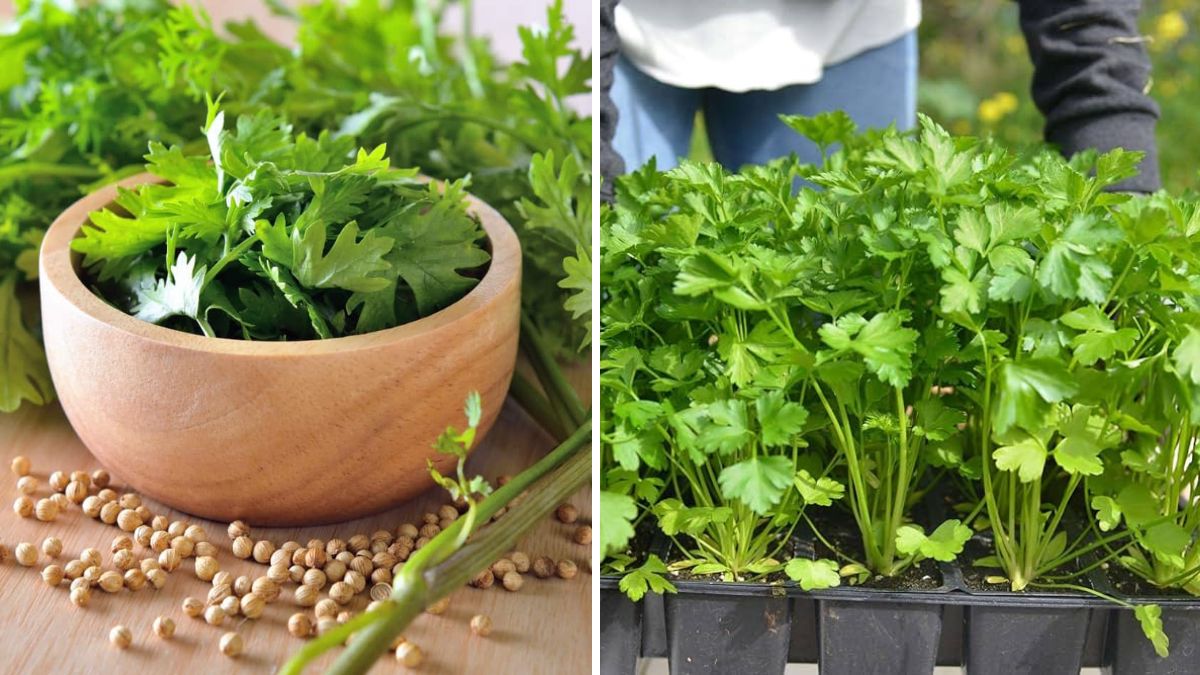
Fresh coriander is one of the most beloved herbs in every Indian household. Whether it’s garnishing dal, adding aroma to chutneys, or enriching curries, nothing beats the fragrance of freshly picked dhania leaves. The good news? You don’t need a big garden to grow it. A small kitchen corner, balcony, or windowsill is enough to start your own coriander garden.
In this detailed guide, you’ll learn how to grow coriander easily at home, how to care for it, and how to enjoy continuous harvests throughout the year.
🍃 Why Grow Coriander in Your Kitchen Garden?
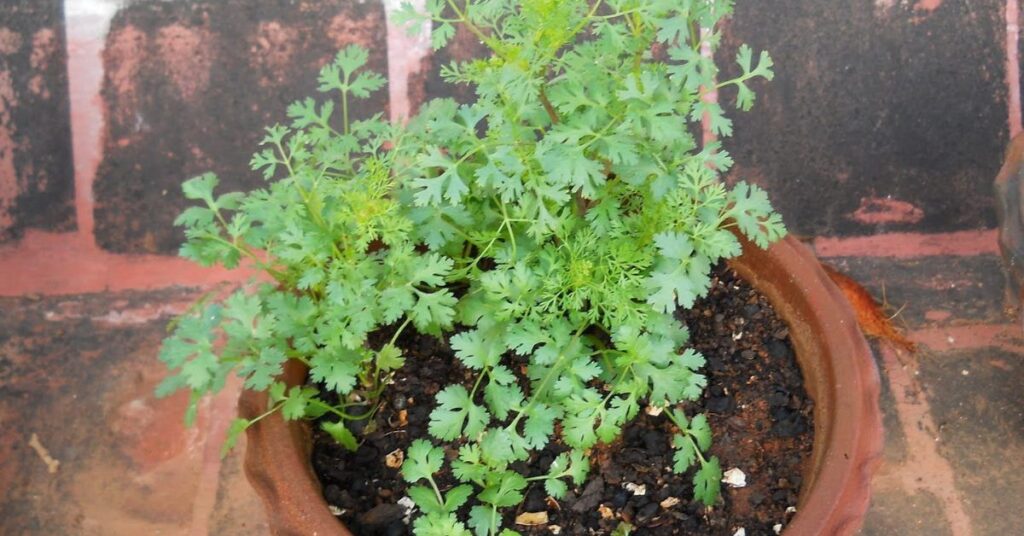
Coriander is one of the easiest herbs to grow, making it perfect for beginners. It grows fast, doesn’t require much space, and can be harvested in just 25–30 days.
Benefits of Growing Coriander at Home
- Zero chemicals: Fresh and safe to eat
- Continuous supply: Harvest every week
- Low maintenance: Grows in pots, trays, bottles
- Aromatic and fresh: Better taste than store-bought
- Budget-friendly: Seeds are very cheap
- Multi-use plant: Leaves, stems, and seeds can be used
Growing coriander connects you to nature and brings a touch of greenery right into your kitchen.
🌱 Choosing the Right Coriander Seeds
Many beginners buy the wrong type of seeds. Coriander seeds should be:
✔ Unpolished (raw) seeds
These sprout quickly. Grocery store seeds can also work if they’re unpolished.
✔ Split seeds
Coriander seeds naturally come as a dry fruit containing two seeds inside. Lightly crushing them helps them sprout faster.
✔ Fresh seeds
Old seeds have poor germination rates.
Pro Tip: Look for seeds labeled “dhania for sowing” or “organic coriander seeds.” These have the best results.
🪴 Where to Grow Coriander: Pots, Tubs, or Kitchen Windows?
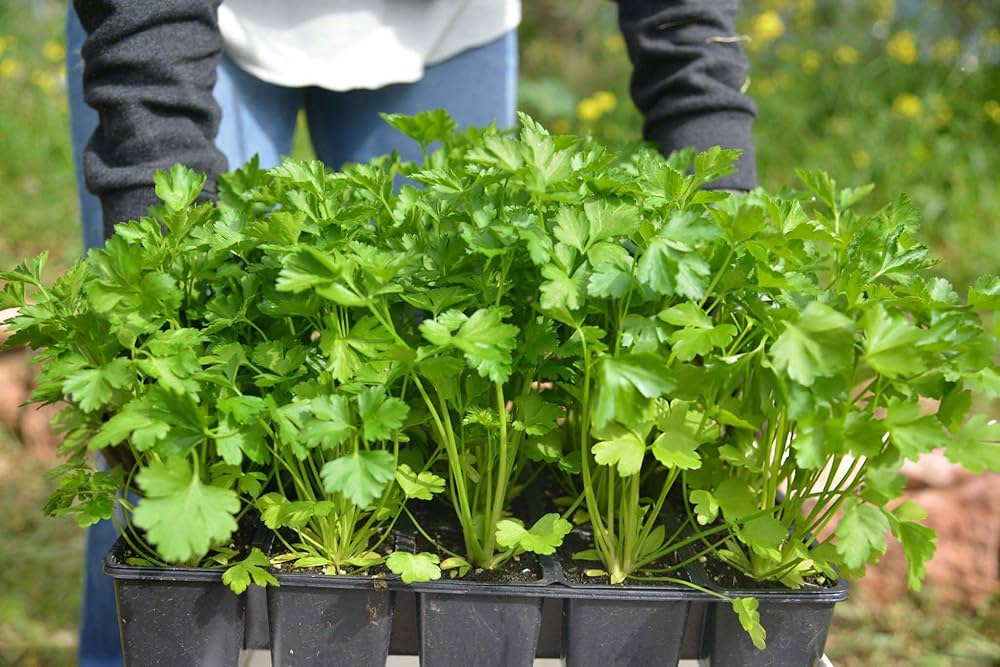
Coriander grows almost anywhere as long as it gets good sunlight.
Ideal Growing Spots
- Kitchen windows with 3–4 hours of sunlight
- Balcony shelves
- Terrace garden
- Railing planters
- Hanging grow bags
- Rectangular plastic tubs
Ideal Pot Size
- Depth: 6–8 inches
- Width: Wider is better; coriander loves space
- Must have drainage holes
🌿 Best Soil Mix for Coriander
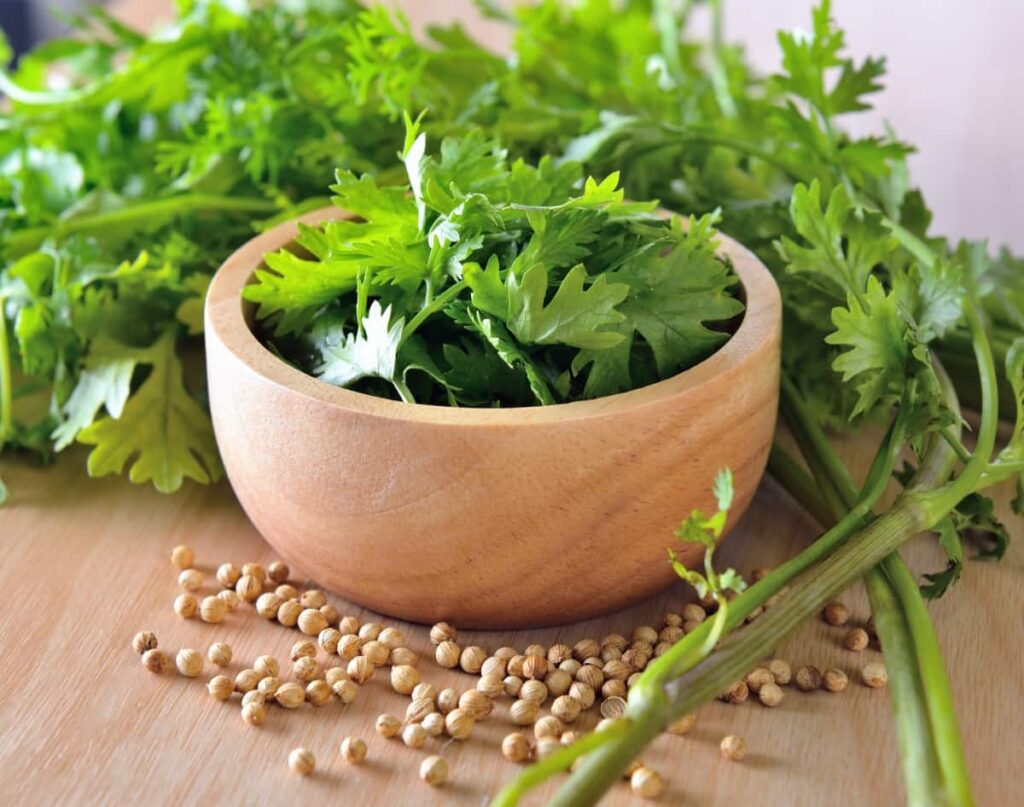
Coriander thrives in loose, airy soil. Heavy or clay soil should be avoided.
Perfect Soil Mix Recipe
- 40% garden soil
- 40% compost (cow dung/vermicompost)
- 20% cocopeat/sand
This mix ensures:
- Proper aeration
- Good water drainage
- Strong root growth
- Faster leaf development
pH Level
Coriander prefers slightly neutral soil (pH 6.2–6.8).
🌾 How to Sow Coriander Seeds (Step-by-Step)
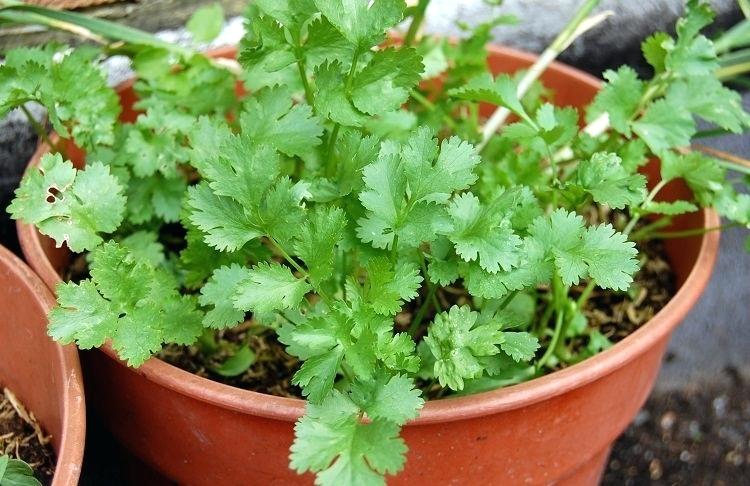
Step 1: Prepare the seeds
Crush seeds gently to split them into two halves. Don’t grind them—just a gentle press.
Step 2: Fill the container with soil
Level the soil and lightly water it.
Step 3: Sprinkle seeds
Spread seeds evenly for a dense, bushy coriander garden.
Step 4: Cover with a thin soil layer
Just 1–2 cm of soil is enough.
Step 5: Water with a spray bottle
Avoid heavy watering; seeds may sink deep.
Step 6: Provide shade for 3–4 days
Coriander seeds germinate better in partial shade.
Within 5–7 days, you’ll see tiny green shoots coming up.
🌞 Light Requirement
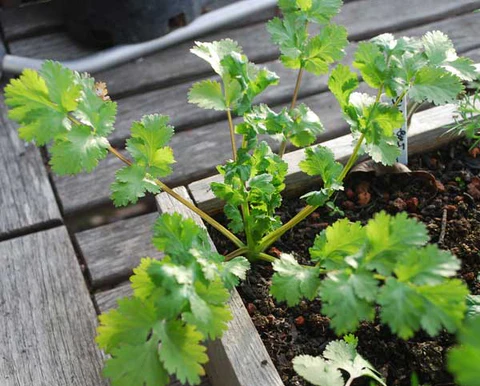
Coriander needs sunlight but not extreme heat.
Ideal Conditions
- 3–5 hours of sunlight
- Morning sunlight is best
- Shade from intense afternoon heat
Too much heat = plants bolt (flower early)
Too little light = weak, leggy plants
💧 Watering: The Key to Healthy Coriander
Coriander loves moisture but hates waterlogging.
Watering Tips
- Keep soil slightly moist, never soggy
- Water every alternate day in winter
- Water daily in summer
- Use a spray bottle for young seedlings
Signs of underwatering: Dry, drooping leaves
Signs of overwatering: Yellowing and fungal growth
🌱 How to Fertilize Coriander for Fast Growth
Since coriander grows fast, it needs nutrients.
Best Organic Fertilizers
- Vermicompost
- Cow dung compost
- Mustard cake water (use once every 15 days)
- Seaweed extract spray
- Compost tea
Avoid
- Excessive nitrogen
- Chemical fertilizers
Extra nitrogen makes leaves long but flavorless. Organic fertilizers keep flavor strong and leaves aromatic.
🌿 Common Problems When Growing Coriander
1. Seeds not germinating
Reasons:
- Old seeds
- Seeds not crushed
- Soil too dry
- Too much depth
2. Plants become tall and thin
Reason: Lack of sunlight
3. Plants flower too early (bolting)
Reasons:
- Too much heat
- Lack of water
- Poor soil
4. Yellow leaves
Reason: Overwatering or nutrient deficiency
🍃 How to Harvest Coriander for Continuous Supply
This is the most important part!
First Harvest:
After 25–30 days, cut the top leafy parts gently.
How to Cut:
Use scissors and cut from the top—not the roots.
Leave the lower stems:
These stems grow again and give you a second harvest.
Second Harvest:
Another 12–15 days after the first cut.
Third Harvest:
If the plant is healthy, you can harvest again.
Pro Tip: Sow new seeds every 10–12 days to get unlimited coriander all year long.
🌾 How to Grow Coriander From Stems
Many people throw away coriander stems—but they can grow again!
Stem Growing Method
- Take thick, healthy stems with roots.
- Place them in a glass of water for 2–3 days.
- When roots appear, plant them in soil.
This method is perfect for quick regrowth.
🍽 How to Use Home-Grown Coriander
Home-grown coriander tastes fresher and stronger. Use it for:
- Garnishing Indian curries
- Making chutneys
- Adding flavor to salads
- Coriander rice
- Coriander soup
- Coriander tea for digestion
- Coriander seeds for spice blends
Fresh coriander boosts aroma and makes dishes authentic.
🌿 Why Your Kitchen Garden Is the Best Place for Coriander
The kitchen is the heart of your home. Growing coriander here ensures:
- Quick access while cooking
- Naturally improved indoor air quality
- Aesthetic greenery
- A sense of freshness
- Savings on buying coriander regularly
With a few pots and seeds, your kitchen can turn into a living spice garden.
🌱 Final Thoughts: Start Your Coriander Journey Today
Coriander is one of the easiest, fastest, and most rewarding plants for a kitchen garden. With the right soil mix, sunlight, watering, and care, anyone can grow lush green coriander right at home—even in small spaces.
Whether you’re a gardening beginner or a passionate plant lover, growing coriander will bring joy, flavor, and greenery to your life.