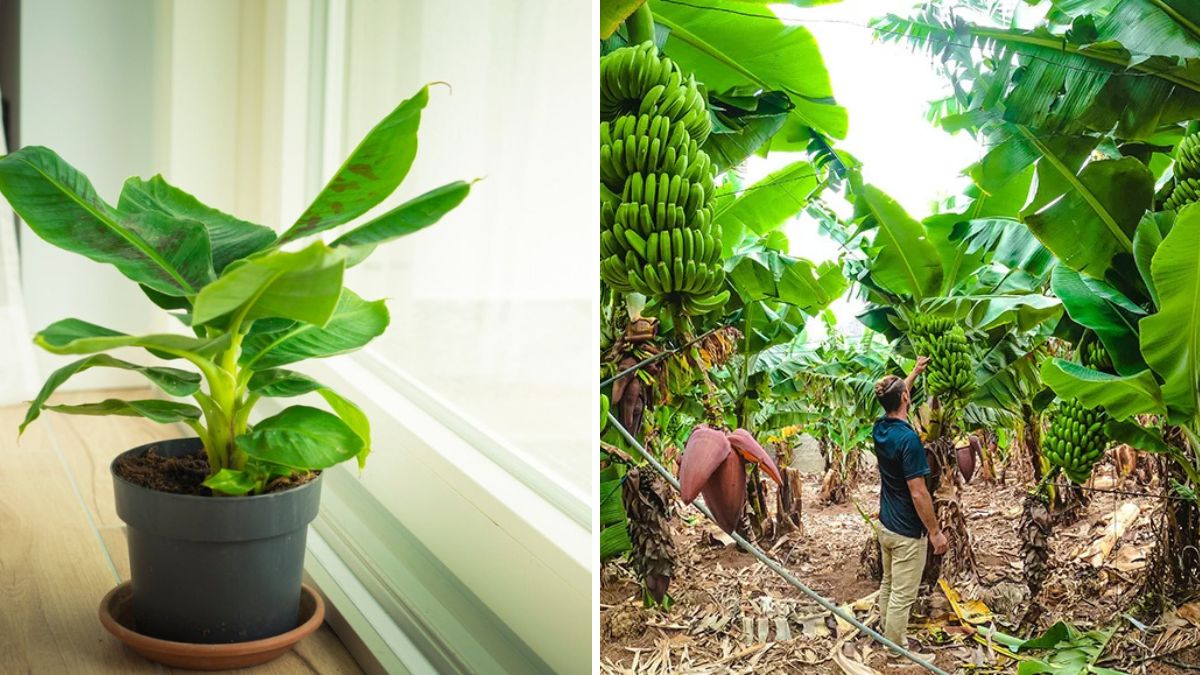
Bananas are one of the most popular tropical fruits in the world, loved for their sweet taste, high nutrition value, and quick growth. But did you know that you can easily propagate banana plants at home—even if you have limited space? Many gardeners think bananas are difficult to grow, but the truth is that banana propagation is one of the simplest and most reliable methods in home gardening.
In this article, we explore amazing, effective, and beginner-friendly ways to propagate banana plants, whether you want to expand your banana garden, grow them in pots, or simply experiment with plant propagation. Let’s dive into the world of banana plants and discover the secrets of growing them successfully.
🍌 Understanding How Banana Plants Grow
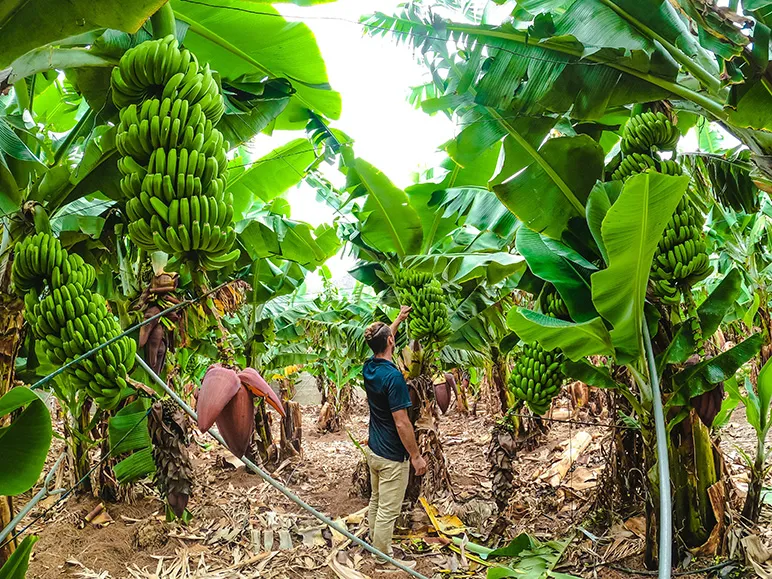
Before we start propagating bananas, it’s important to understand how banana plants naturally multiply.
Banana plants are not trees—they are giant herbs. They grow from an underground stem called a rhizome or corm. From this corm, new shoots called suckers or pups emerge. These suckers can be separated and grown into new banana plants.
Because bananas rarely grow true to type from seeds, nearly all banana varieties are propagated vegetatively—meaning they are cloned from the mother plant. This ensures:
- Same fruit quality
- Faster growth
- Earlier harvesting
- Stronger, disease-resistant plants
Now, let’s explore the most amazing method to propagate banana plants successfully.
🌿 🌟 Method 1: Propagating Banana Using Suckers (Most Popular & Effective)
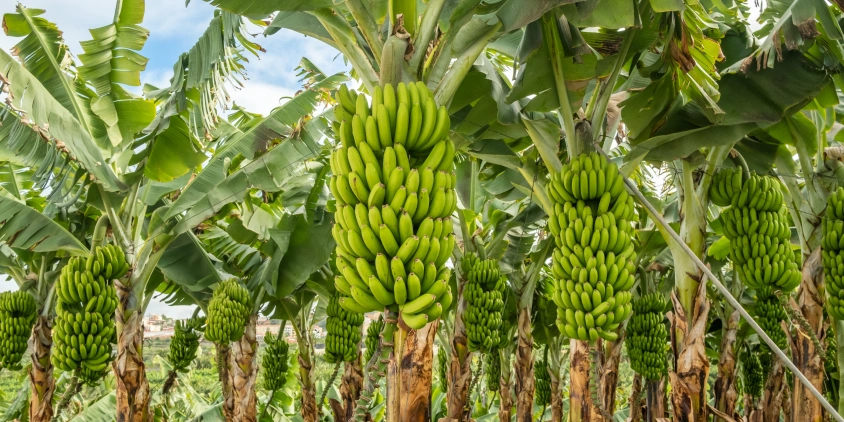
This is the traditional and most reliable propagation method. Suckers are small plants that grow around the base of the main banana plant.
There are three types of suckers:
1️⃣ Water Suckers
They have thin stems and broad leaves. Not ideal for propagation because they produce weak plants.
2️⃣ Sword Suckers
These have narrow leaves and thick stems—the best choice for propagation.
3️⃣ Peepers
Very small shoots, too young to separate.
To get the best results, always choose sword suckers, as they grow into strong, high-yielding banana plants.
🍃 How to Propagate Banana Through Suckers (Step-by-Step)
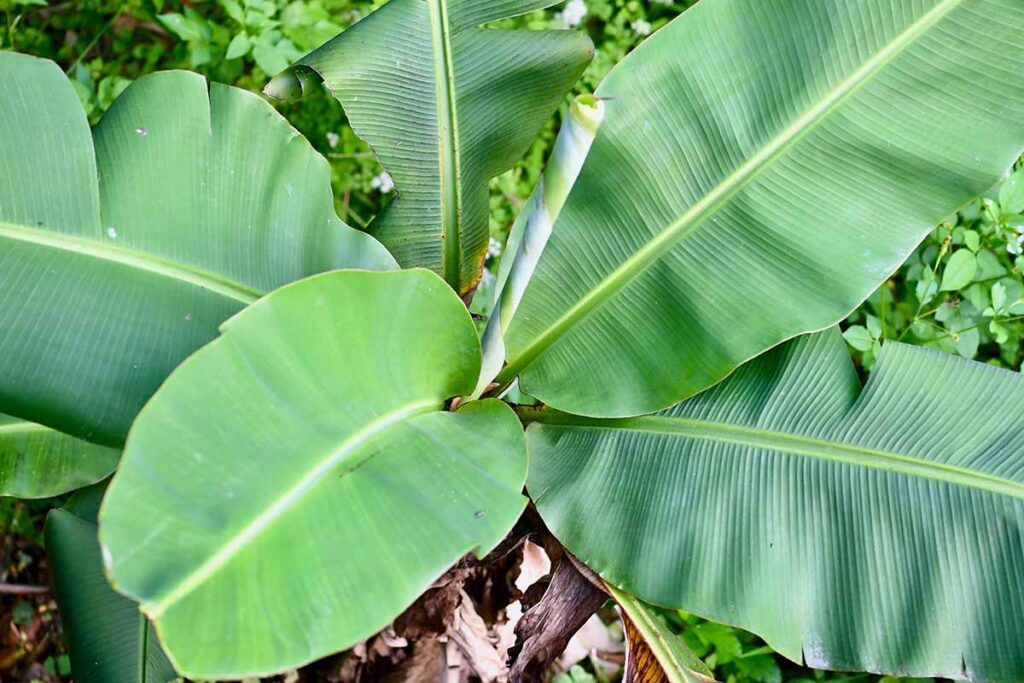
Step 1: Choose a Healthy Mother Plant
Select a banana plant that is:
- Disease-free
- Producing healthy fruits
- Growing vigorously
A healthy mother plant produces strong suckers.
Step 2: Identify the Right Sucker
Choose a sword sucker around:
- 2–4 months old
- 1–3 feet tall
- With narrow, upright leaves
These are signs of a strong root system.
Step 3: Prepare the Tools
You will need:
- A sharp spade or knife
- Clean water
- Gloves
- Fungicide or wood ash (optional, for root protection)
Step 4: Separate the Sucker
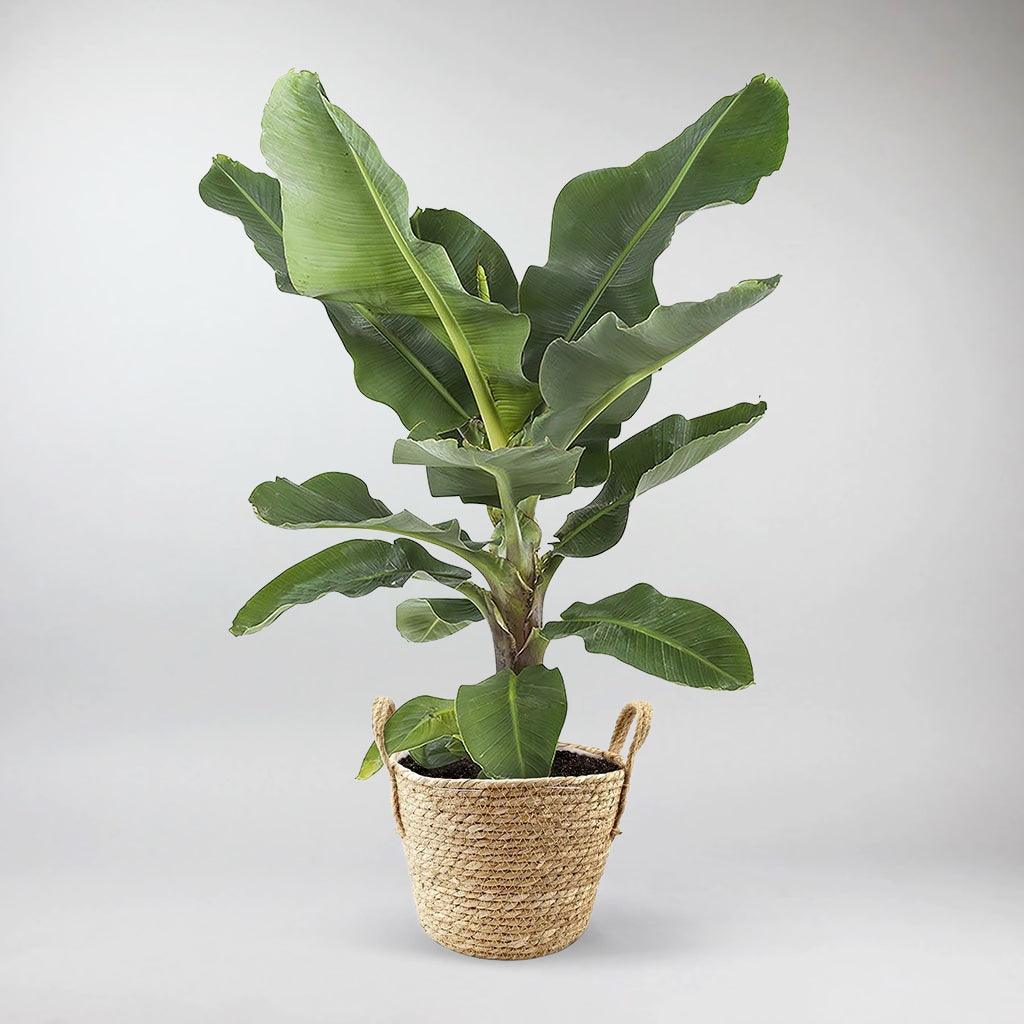
Dig around the sucker gently to expose its base.
Make sure you do not damage the corm.
Cut the sucker away from the mother corm with a clean, sharp tool. The sucker should have:
- A portion of corm
- Healthy roots
These elements ensure the plant survives after separation.
Step 5: Clean and Prepare the Sucker
Wash the roots to remove soil and pests.
Dip the base in:
- Wood ash
- Neem powder
- Mild fungicide
This step prevents fungal infection and improves survival.
Step 6: Planting the Sucker
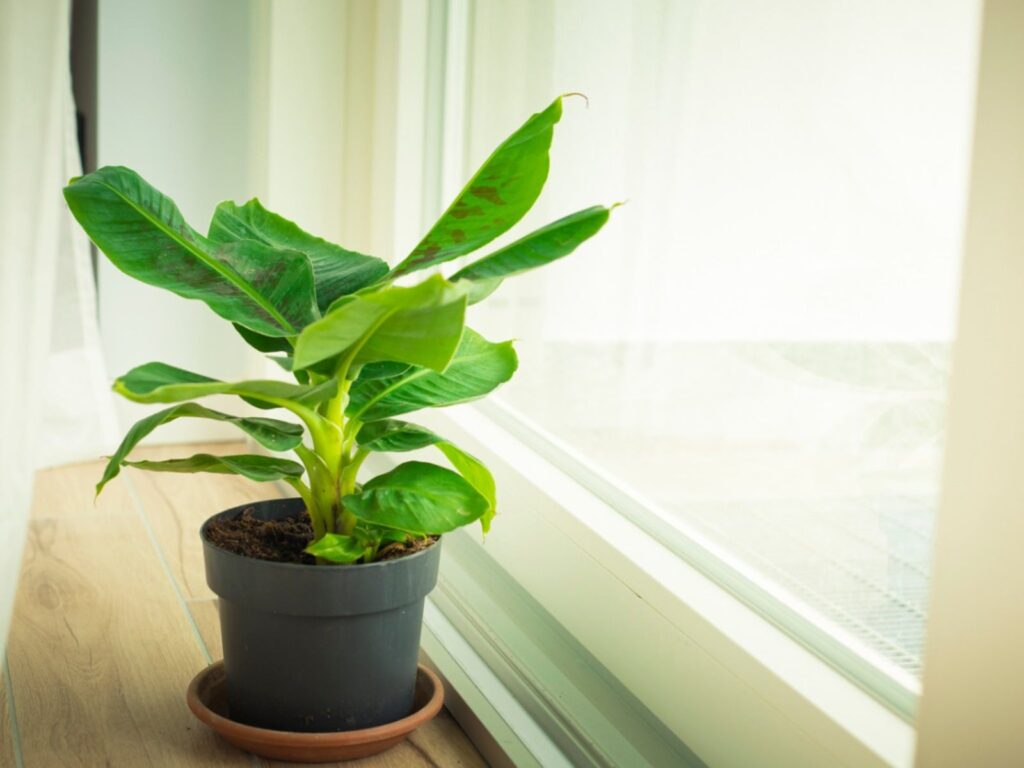
You can plant suckers in:
✔ Soil (Garden)
Dig a pit of 2 feet depth.
Add:
- Compost
- Dry leaves
- Cow dung
- Sand for drainage
Place the sucker and cover with loose soil.
✔ Large Pots
Use 18–24 inch pots.
Fill with:
- 50% garden soil
- 25% compost
- 25% cocopeat/sand
Banana plants grow extremely well in big containers with good nutrition.
Step 7: Watering
Water the plant thoroughly after planting.
Keep the soil moist but not waterlogged.
Bananas love water but hate standing water.
Step 8: Provide Shade for 7–10 Days
After separation, suckers need protection.
Keep in partial shade, then slowly expose to sunlight.
Step 9: Feeding Your Banana Plant
Bananas are heavy feeders.
Every 20–25 days add:
- Compost
- Vermicompost
- Banana peel fertilizer
- Mustard cake fertilizer
- Cow dung slurry
This leads to faster growth and early fruiting.
🌟 Method 2: Propagating Banana From Corm Pieces (Amazing & Effective)
This is a relatively new and fascinating method.
A banana corm can be cut into small pieces, each containing an eye or bud. These pieces develop roots and shoots and grow into full plants.
Steps:
- Select a healthy, disease-free banana corm.
- Cut into small sections, each with a visible bud.
- Dip in a fungicide or turmeric powder.
- Plant in moist soil or polybags.
- Keep in shade until new leaves appear.
This method helps generate multiple plants from a single corm!
🌟 Method 3: Propagating Banana Through Tissue Culture (Advanced Method)
Tissue culture is used in commercial banana farming.
Benefits:
- Disease-free planting material
- Uniform growth
- High-yielding plants
However, this method requires a lab and expertise, so it’s not ideal for home gardeners.
🍌 How to Care for Your Propagated Banana Plants
✔ Sunlight
Bananas need 6–8 hours of direct sunlight daily.
✔ Watering
Keep the soil moist consistently.
Avoid drought conditions, as bananas need water to grow big leaves.
✔ Mulching
Apply dry leaves, straw, or hay around the plant.
Benefits:
- Retains moisture
- Controls weeds
- Improves soil fertility
✔ Fertilizing
Bananas consume a lot of nutrients.
Add organic fertilizer every 3–4 weeks.
✔ Support
When the plant starts fruiting, provide support with bamboo sticks.
Banana bunches are heavy and can bend the plant.
🍇 Benefits of Propagating Banana Plants
1️⃣ Easy and Beginner-Friendly
Even new gardeners can succeed on the first try.
2️⃣ High Survival Rate
Banana suckers rarely fail if planted correctly.
3️⃣ Cost-Effective
One mother plant can produce 10–20 new plants over time.
4️⃣ Early Harvest
Sword-sucker propagated bananas fruit faster than seed-grown plants.
5️⃣ Ideal for Home Gardens
Bananas can be grown:
- In pots
- On terraces
- In small gardens
6️⃣ Eco-Friendly
Propagation uses natural, organic methods.
🍉 Common Mistakes to Avoid
🔸 Planting water suckers instead of sword suckers
🔸 Overwatering young plants
🔸 Planting in small containers
🔸 Ignoring pest problems like banana weevils
🔸 Cutting the sucker too young
Avoid these mistakes for healthy and productive banana plants.
🌱 Conclusion
Propagating banana plants is truly an amazing and rewarding experience. Whether you’re a beginner or an experienced gardener, the methods discussed above—especially using sword suckers—are simple, reliable, and highly effective.
Bananas not only provide delicious fruits but also enhance the beauty of your garden with their broad tropical leaves. By following the step-by-step process and giving proper care, you can grow healthy banana plants that produce sweet, nutritious fruits year after year.
Ready to grow your own banana plantation at home? Start propagating today!