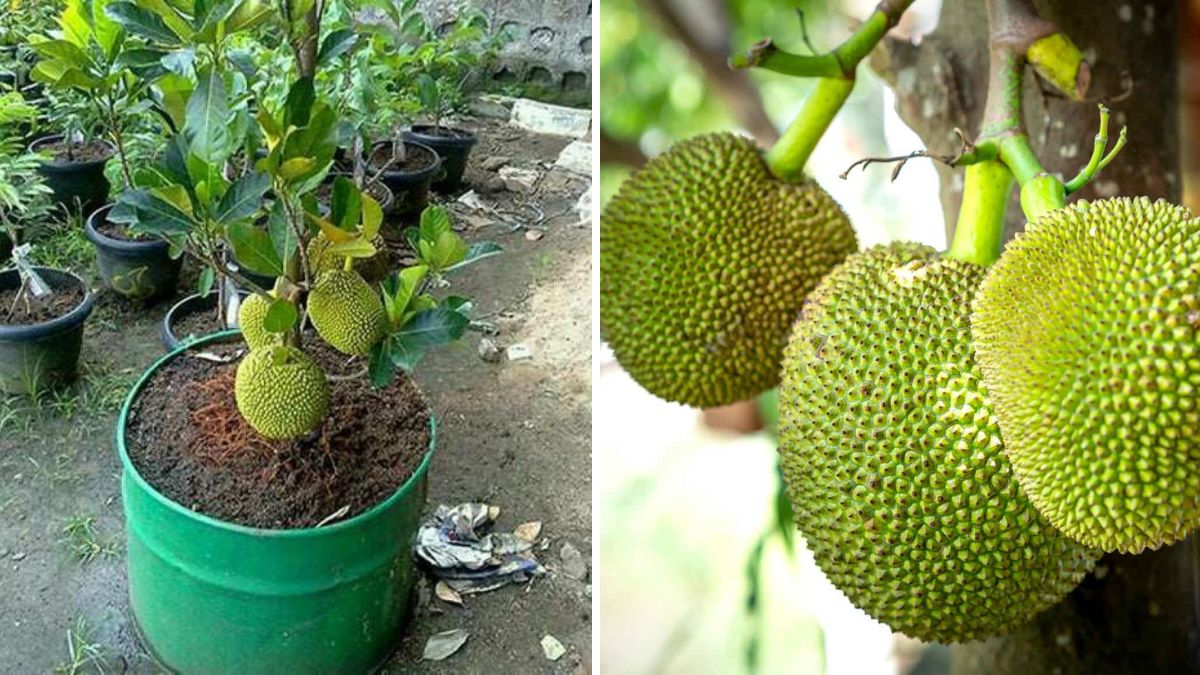
Jackfruit is one of the most loved tropical fruits, known for its massive size, sweet aroma, and the numerous health benefits it offers. Traditionally, jackfruit trees are propagated using seeds or conventional grafting techniques like cleft grafting, veneer grafting, and side grafting. However, a new and innovative idea is getting attention among gardeners—grafting jackfruit trees using ripe jackfruit itself as part of the propagation process.
While it sounds surprising, this creative method uses the biological potential inside ripe jackfruit and blends it with modern grafting principles to speed up seed germination, improve rootstock selection, and create a stronger, early-fruiting tree. Let’s explore how this new concept works and why it may become a favorite among home gardeners and hobby farmers.
🌳 Why Rethink Jackfruit Propagation?
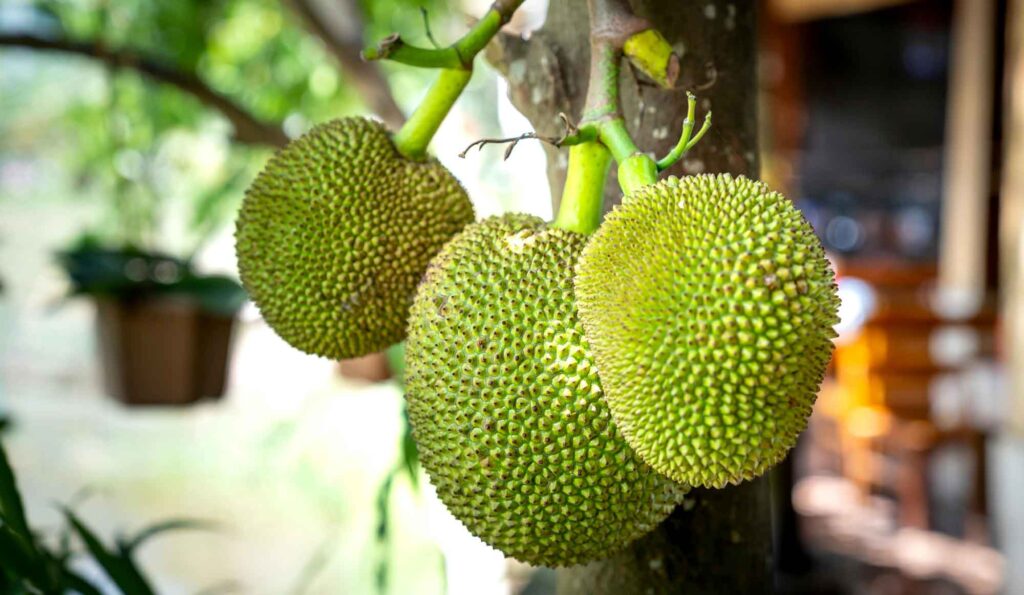
Most people grow jackfruit trees from seeds. But seed-grown trees take 5–7 years to bear fruit and rarely replicate the exact taste or quality of the parent tree. That’s why grafting is so important—it ensures:
- Same fruit quality as the mother tree
- Faster fruiting (2–3 years instead of 7)
- Better disease resistance
- Stronger root system
But many gardeners struggle with traditional grafting methods because they require precision, timing, and skill. This is where the new ripe-jackfruit grafting idea stands out—it is simpler, creative, and surprisingly effective when done correctly.
🍈 Understanding the “Ripe Jackfruit Grafting Idea”
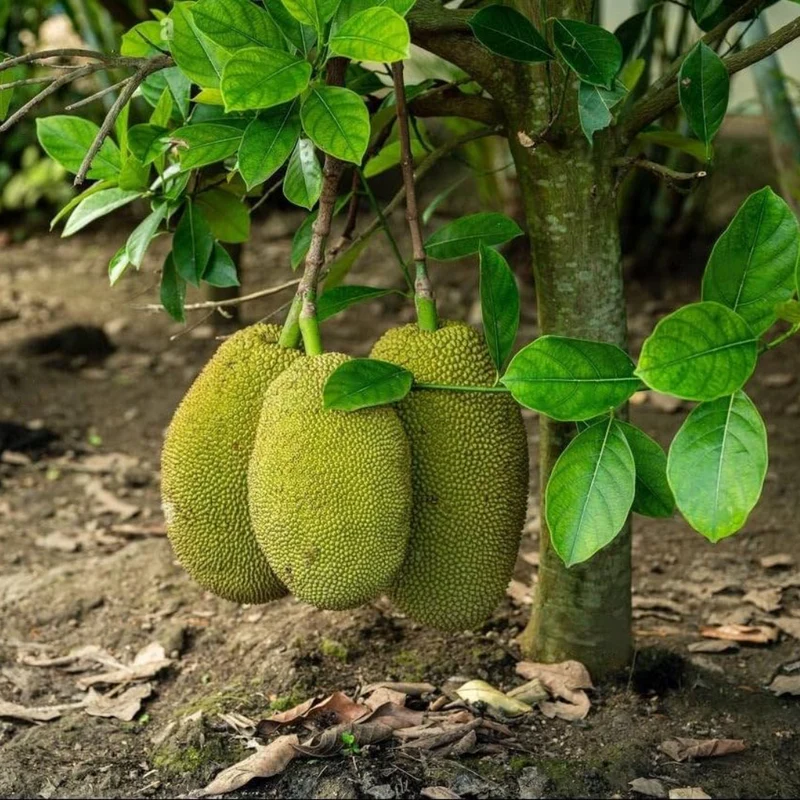
This new idea doesn’t mean attaching a ripe jackfruit directly to the rootstock. Instead, it utilizes the unique moisture, hormones, and seed-conditioning properties inside a ripe jackfruit to help germinate strong seedlings that are ideal for grafting.
The method has two parts:
1️⃣ Using the ripe jackfruit pulp to condition seeds
Ripe jackfruit contains natural plant hormones, sugars, and warmth-retaining fibers that create a mini-incubator environment for seeds. When seeds are taken directly from a ripe fruit and kept in the pulp for 1–2 days, it triggers a faster and healthier germination.
2️⃣ Grafting elite scion wood onto these fast-germinated seedlings
Once the conditioned seeds sprout, the seedlings become perfect rootstocks for grafting. They are more vigorous, flexible, and absorb nutrients better.
This approach shortens the overall propagation cycle and increases the success rate of grafting.
🍃 Step-by-Step Guide: New Idea for Grafting Jackfruit Trees Using a Ripe Fruit
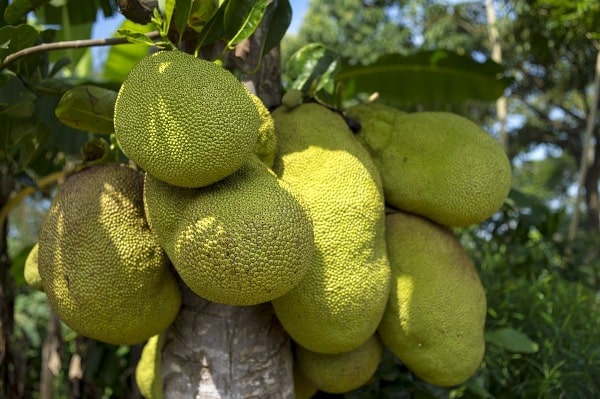
🌟 Step 1: Choose a High-Quality Ripe Jackfruit
Select a fully ripe jackfruit from a tree known for:
- Sweetness
- Texture
- Aroma
- Soft edible bulbs
The quality of the mother fruit determines the quality of the scion you will graft later.
🌟 Step 2: Extract Fresh Seeds Carefully
While opening the ripe jackfruit:
- Pick large, healthy, white seeds
- Avoid seeds that are flat, tiny, moldy, or damaged
- Don’t wash them immediately—keep them moist
Moisture from the fruit helps maintain the seed’s natural germination enzymes.
🌟 Step 3: Use Pulp as a Germination Booster
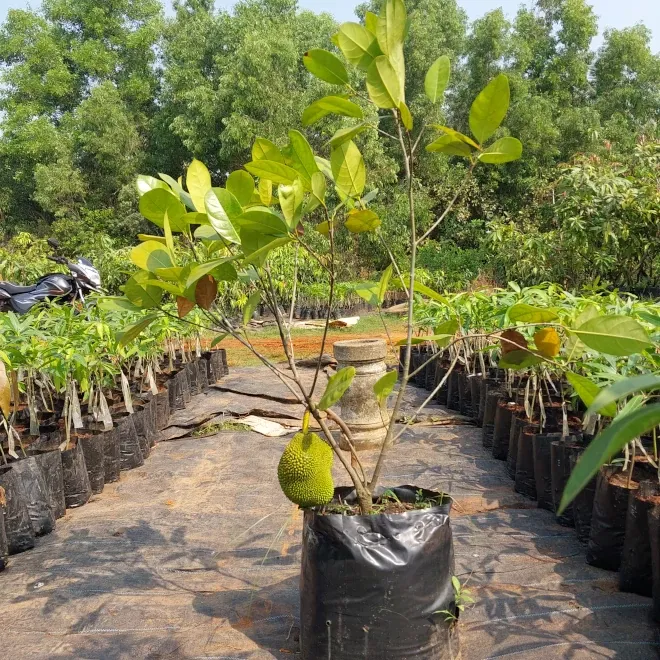
Place the fresh seeds back into a portion of ripe jackfruit pulp. This pulp:
- Maintains humidity
- Provides natural sugars for early root stimulation
- Keeps seeds warm
- Contains growth hormones like auxins and gibberellins
Let the seeds remain wrapped in the pulp for 24–48 hours.
This small step is the heart of the new idea.
🌟 Step 4: Germinate Seeds for Rootstock
After two days:
- Remove the seeds
- Wash lightly
- Sow them in polybags filled with:
- 40% garden soil
- 30% sand
- 30% compost
Water gently and keep in partial shade.
The seeds germinate within 7–10 days, faster than normal.
🌟 Step 5: Prepare Scion Wood from a Superior Tree
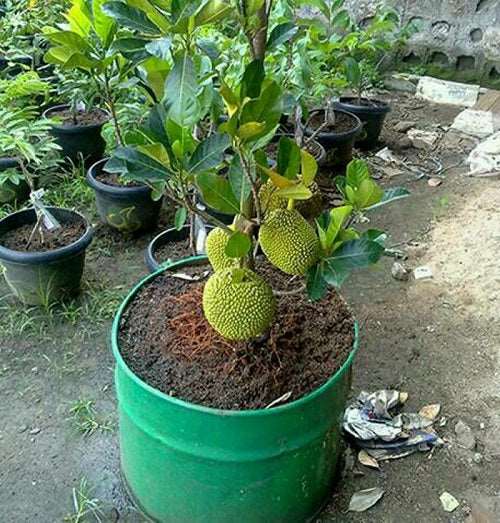
Choose a branch that has:
- Pencil thickness
- 3–4 healthy buds
- Disease-free bark
- Mature but flexible wood
Cut early morning to retain moisture.
Wrap the scion in a moist cloth or store it in a cool place until grafting time.
🌟 Step 6: Grafting the Seedlings
When seedlings are 45–60 days old, they become ready for grafting.
You can use one of these methods:
✔ Cleft Grafting (most effective)
- Cut the seedling at 4–5 inches height
- Make a vertical slit
- Shape the scion into a wedge
- Insert and tie with tape
✔ Veneer Grafting
- Make an angled cut on rootstock
- Place the scion flat
- Tie with grafting tape
✔ Approach Grafting
Good for beginners but slower.
The new seed conditioning helps seedlings accept the scion better.
🌟 Step 7: Post-Grafting Care
Place grafted seedlings in a shaded area.
Keep temperature moderate, avoid rainwater on graft union, and mist lightly.
Within 20–30 days, successful grafts show:
- Fresh leaf sprouting
- Tight graft union
- Scion turning greener
If the scion dries or turns brown, retry with another seedling.
🌼 Benefits of This New Jackfruit Grafting Idea
1️⃣ Faster Germination
Seeds conditioned in ripe pulp germinate quicker due to natural sugars and hormones.
2️⃣ Stronger Rootstock
Moisture-rich incubation increases the seedling’s initial vigor.
3️⃣ Higher Graft Success
Healthy, flexible seedlings accept grafts more easily.
4️⃣ Naturally Organic
No chemicals, rooting hormones, or fertilizers are used.
5️⃣ Earlier Fruiting
Grafted jackfruit trees begin bearing fruit in 2–3 years, much sooner than seed-grown trees.
6️⃣ Easy for Home Gardeners
Even beginners can try this unique method at home.
🌿 Additional Tips for Better Results
🌤 Right Season:
Best time for grafting jackfruit is February–April and July–September.
💧 Watering Tip:
Avoid overwatering. Keep soil moist but never soggy.
🪴 Pot Size:
Use 8×10 inch polybags so roots grow deeper.
🐜 Pest Protection:
Spray neem oil if you notice ants or mites on the seedlings.
☀ Aftercare:
Expose grafted plants gradually to sunlight after the union becomes strong.
🌱 Why This New Idea is Becoming Popular
Gardeners love experimenting—and when a simple idea delivers better germination, healthier seedlings, and high graft success, it becomes viral rapidly. Using ripe jackfruit for seed conditioning adds a natural twist that aligns with sustainable gardening trends.
This technique is:
- Inexpensive
- Organic
- Beginner-friendly
- Scientifically logical
- Effective even in small spaces
Many plant lovers have already reported improved results.
🍇 Conclusion
Grafting jackfruit trees using this new idea—conditioning seeds with ripe jackfruit pulp—is a powerful, natural way to create strong and early-fruiting jackfruit plants. It brings together traditional knowledge and modern DIY innovation. Whether you are a home gardener, a YouTube creator, or a small farmer, this method offers an exciting opportunity to grow high-quality jackfruit trees with better success.
If you want to experiment with plant propagation in a simple, fun, and organic way, this innovative technique is definitely worth trying!