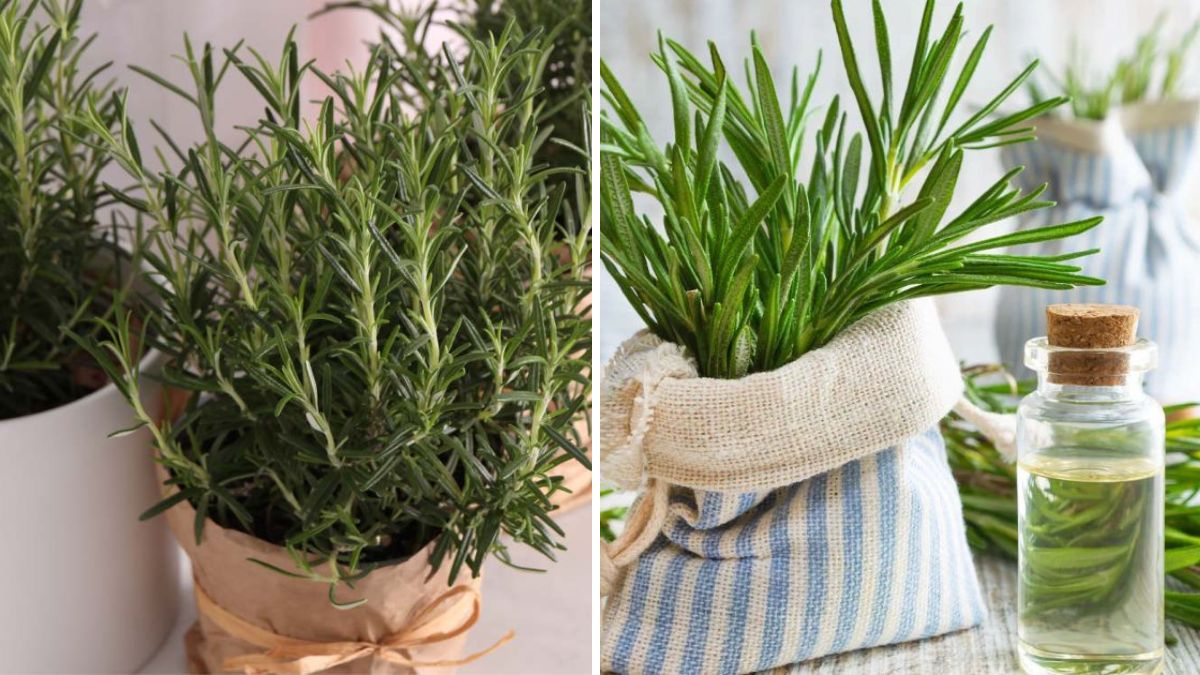
If there is one herb that deserves a permanent place in every home garden, it is rosemary. Known for its rich fragrance, woody texture, and incredible culinary and medicinal uses, rosemary is one of the easiest—and most rewarding—herbs you can grow. From seasoning your favourite dishes to uplifting your home with its refreshing aroma, rosemary brings nature’s magic into your everyday life.
The best part? Rosemary is tough, hardy, and thrives with minimal care. Whether you’re growing it on a windowsill, balcony, terrace, or garden bed, this guide will show you exactly how to cultivate healthy, bushy rosemary plants that last for years.
Let’s dive deep into the art and science of growing rosemary at home!
🌱 What Makes Rosemary So Special?
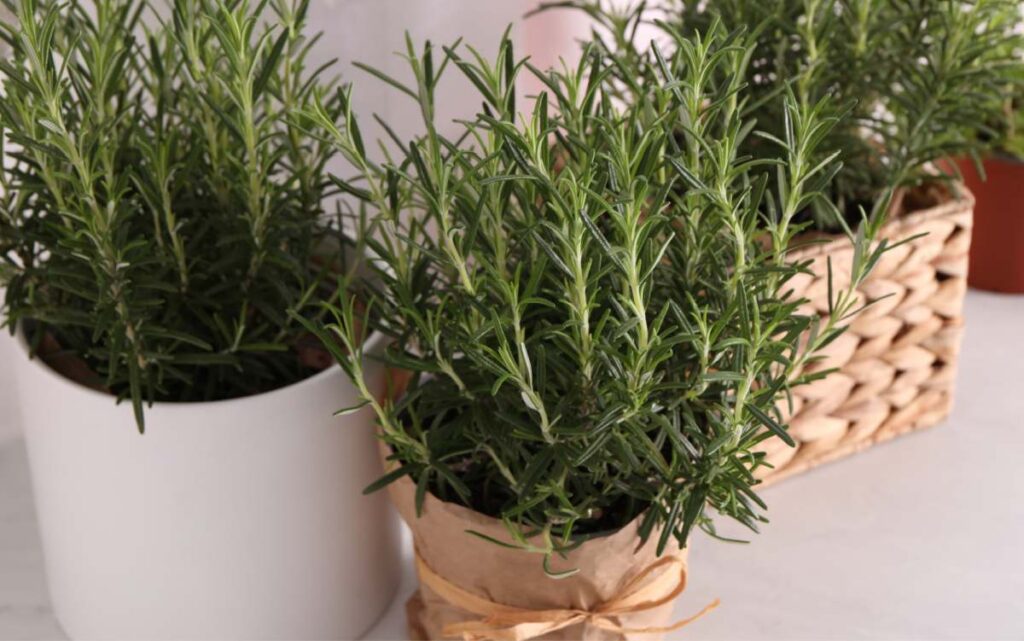
Before we get into the growing process, it helps to understand why rosemary is such a beloved herb worldwide.
✔ Aromatic Powerhouse
Its pine-like fragrance transforms kitchens, gardens, and homes.
✔ Culinary Magic
Perfect for:
- Grilled vegetables
- Bread and focaccia
- Meat and fish dishes
- Soups and sauces
- Herbal teas
✔ Medicinal Benefits
Rosemary is known to:

- Improve memory
- Boost immunity
- Relieve stress
- Aid digestion
- Improve hair growth
✔ Low-Maintenance Nature
It is drought-resistant, sun-loving, and very forgiving.
If you want a herb that stays evergreen and beautiful all year round, rosemary is a perfect choice.
🌞 Step 1: Choose the Right Location
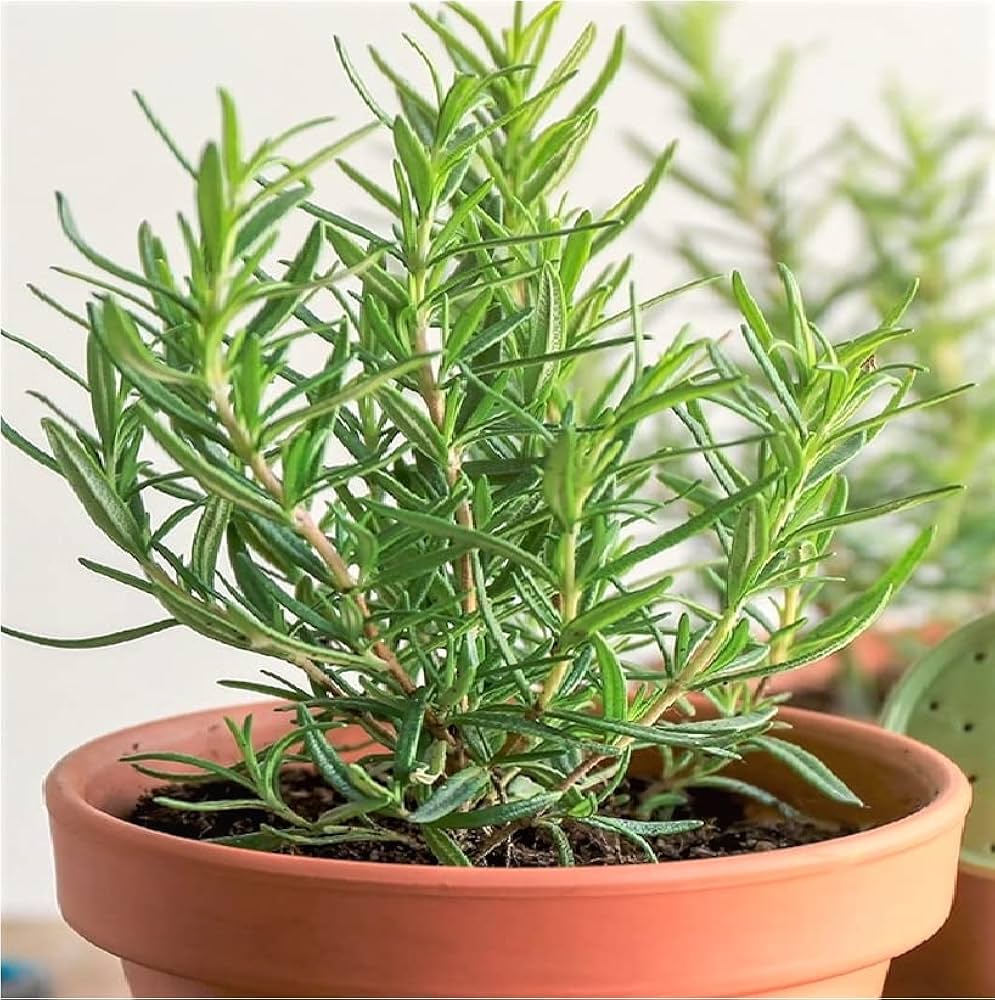
Rosemary loves the sun—truly! If you want a thriving plant, the location is everything.
🌤 Sunlight Requirements
- Needs 6 to 8 hours of direct sunlight daily
- The more sun it gets, the stronger the fragrance
- Indoor rosemary must be placed near the sunniest window
If you live in a cooler region, choose a spot that gets consistent daylight.
🪴 Step 2: Pick the Perfect Pot and Soil
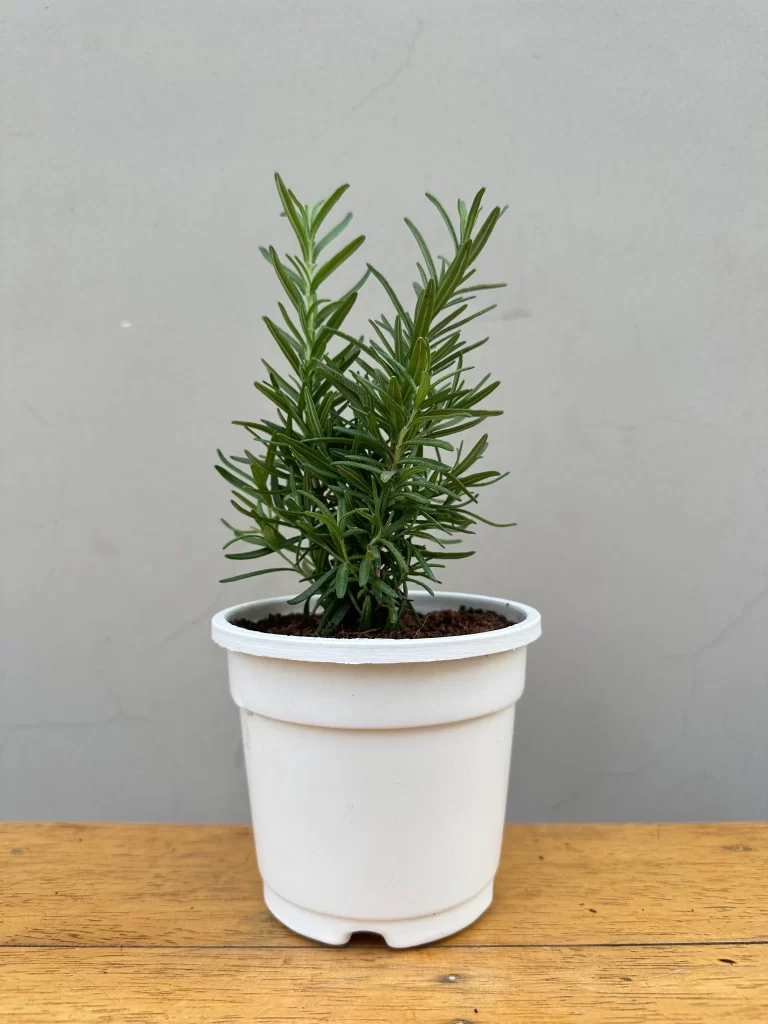
Rosemary’s roots hate sitting in water. This is why choosing the right pot and soil mix is crucial.
Best Pot for Rosemary
- A clay or terracotta pot works best because it allows excess moisture to evaporate
- Ensure the pot has at least one large drainage hole
- Use an 8–12 inch pot for young plants
- Upgrade to a 14–16 inch pot as it grows
Ideal Soil Mix
Rosemary prefers light, airy, and well-draining soil.
🌿 Perfect Soil Recipe:
- 40% garden soil
- 40% sand or perlite (for drainage)
- 20% compost
Why this works:
- Sand ensures the roots never get waterlogged
- Compost provides slow, balanced nutrients
- Soil gives essential structure
Avoid heavy, clay-like soil—it will suffocate the roots.
💧 Step 3: Watering the Right Way
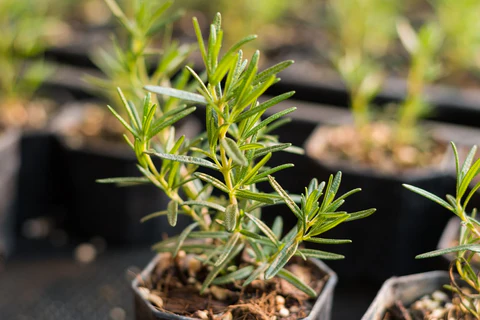
If there is one thing that kills rosemary instantly, it is overwatering. This herb naturally grows in dry Mediterranean regions, so it hates wet feet.
Watering Rules
- Water only when the top 2 inches of soil feel dry
- Deep water and let excess out through holes
- In winter, water even less—every 10–14 days
- Always avoid water standing in the pot tray
If rosemary leaves start turning brown or dropping, chances are your plant is overwatered.
🌿 Step 4: Propagating Rosemary – Grow Unlimited Plants!
One of the most exciting things about rosemary is that you can grow dozens of new plants from a single mother plant.
Propagation Through Cuttings (Best Method!)
- Take a 4–6 inch cutting from a healthy plant.
- Remove lower leaves, leaving only the top ones.
- Dip the end in rooting hormone (optional but helpful).
- Plant the cutting in sandy potting mix.
- Mist lightly and place in a bright location.
Roots appear within 2–3 weeks, and you can transplant them after a month.
✔ Benefits of Growing from Cuttings
- Faster growth
- Identical to the parent plant
- Higher success rate than seeds
🌾 Step 5: Feeding Your Rosemary Plant
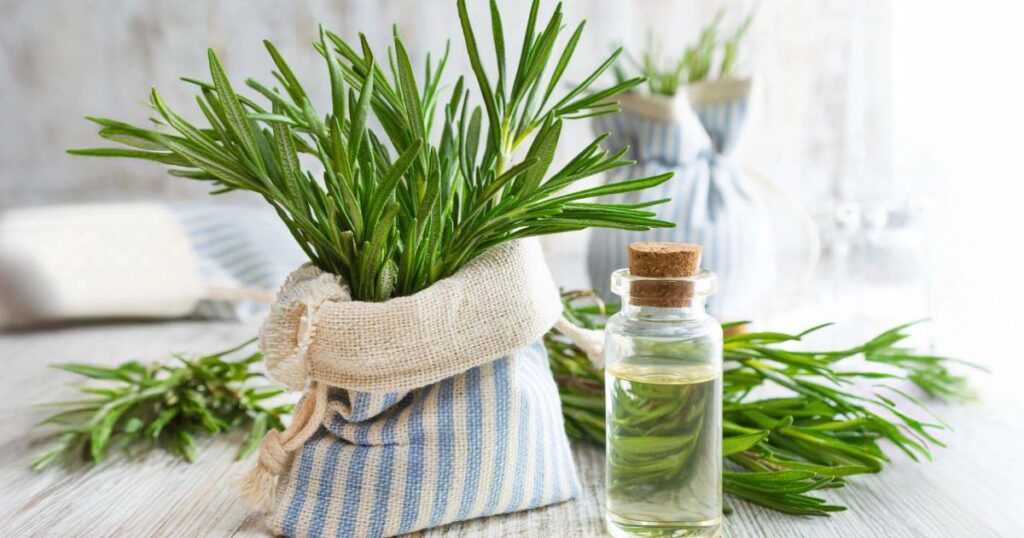
Rosemary does not need heavy feeding. Too much fertilizer can weaken its fragrance and make it leggy.
Best Feeding Schedule
- Feed with compost or vermicompost once every 45 days
- Use liquid seaweed or mild organic liquid fertilizer monthly
- Avoid nitrogen-heavy fertilizers—they reduce aroma
🌱 Step 6: Pruning for Bushy Growth
Pruning is essential if you want a round, dense rosemary plant instead of a tall, thin one.
How to Prune Correctly
- Trim soft, green stems, not woody ones
- Always prune above a leaf node
- Do light pruning every 2–3 months
- Never remove more than 1/3rd of the plant at once
Benefits of Pruning
- Increases branching
- Encourages oils and aroma
- Prevents woody stems
- Promotes fresh new growth
🐛 Step 7: Protecting Rosemary from Pests & Diseases
Rosemary is naturally pest-resistant thanks to its aromatic oils. However, poor growing conditions may attract problems.

Common Issues
✔ Root Rot
Caused by overwatering.
✔ Aphids & Whiteflies
Appear during humid weather.
✔ Powdery Mildew
Occurs in low ventilation.
Natural Solutions
- Neem oil spray (every 15 days)
- Good air circulation
- Proper sunlight
- Avoid overhead watering
A healthy rosemary plant rarely gets infected.
🌿 Step 8: Harvesting Rosemary the Right Way
Once your plant reaches 15–20 cm height, you can start harvesting.
How to Harvest
- Cut soft stems, not woody parts
- Use clean scissors
- Always leave enough growth for the plant to recover
How Often Can You Harvest?
Every 2–3 weeks—rosemary grows fast when healthy.
How to Store Fresh Rosemary
- Wrap in a damp towel and refrigerate
- Freeze the sprigs in ice cubes
- Dry sprigs and store in jars for long-term use
🍽 How to Use Homegrown Rosemary
Growing rosemary opens the door to countless uses:
Culinary Uses
- Season roasted potatoes
- Add to soups and stews
- Use in marinades for chicken and fish
- Make rosemary-infused olive oil
- Add to bread dough or pizza
Medicinal Uses
Rosemary tea can:
- Reduce stress
- Improve digestion
- Boost immunity
Aromatherapy Uses
- Add to diffuser
- Use in herbal bath water
- Make rosemary-scented candles
🏡 Rosemary for Home Décor & Landscaping
Rosemary isn’t just useful—it’s beautiful.
You can use it for:
- Garden borders
- Window planters
- Decorative pots
- Fragrant balcony corners
- Low-maintenance hedges
Its evergreen nature keeps your home looking fresh all year.
🌿 Common Mistakes to Avoid
To ensure your rosemary thrives, avoid these mistakes:
❌ Overwatering
❌ Growing in low sunlight
❌ Planting in soggy soil
❌ Over-fertilizing
❌ Cutting thick woody stems
Fix these, and your rosemary will live for years.
🌞 Final Thoughts: Your Ultimate Rosemary Journey Begins Now
Growing rosemary is one of the most rewarding experiences for any gardener. Its rich aroma, culinary versatility, medicinal benefits, and evergreen beauty make it a must-have plant in every home.

With the right sunlight, good soil, careful watering, and occasional pruning, your rosemary plant will flourish effortlessly—whether in a small pot or a full garden bed.
Imagine stepping outside and picking fresh rosemary sprigs for tea, cooking, or simply enjoying their fragrance. That experience starts with your first plant.
Are you ready to grow your own fragrant rosemary haven?
Your garden—and your kitchen—will thank you. 🌿💚