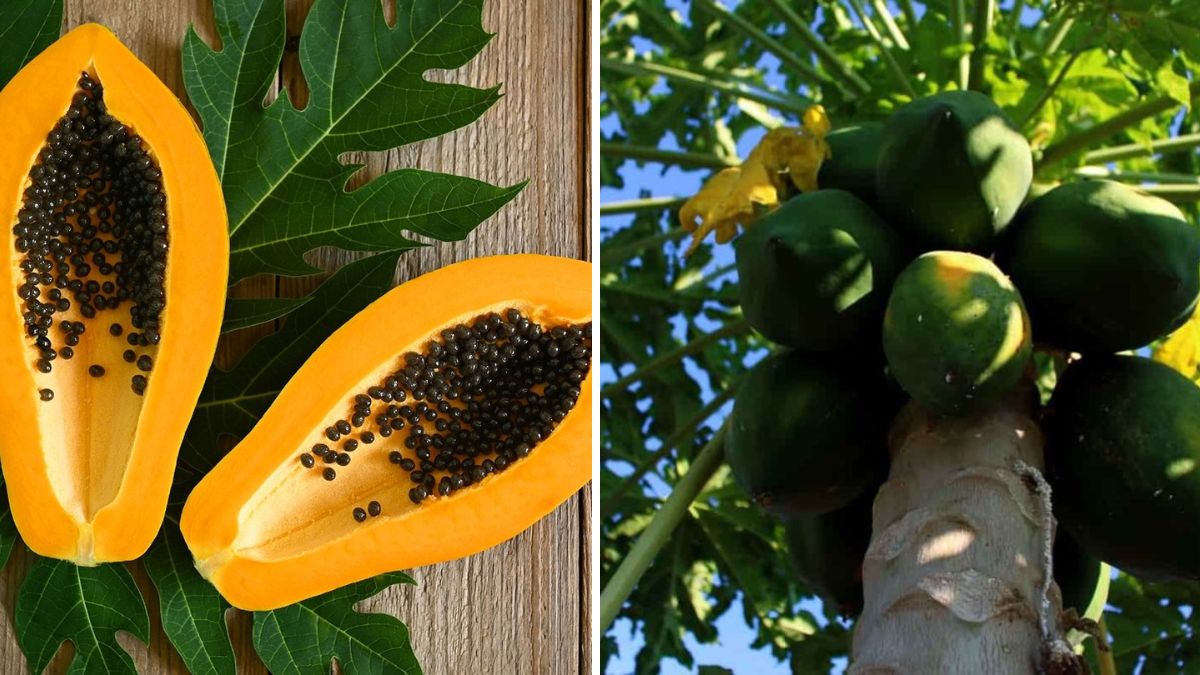
Papaya is one of the fastest-growing and most rewarding fruit trees for home gardeners. Within just 6–10 months, a healthy papaya plant can start producing dozens of delicious, nutrient-rich fruits. But many gardeners face a frustrating problem: the papaya plant grows tall, produces lots of leaves, maybe even flowers—but no fruit!
If your papaya plant refuses to fruit, don’t worry. This is one of the most common issues, and fortunately, it has a very simple solution. In this complete 1200-word guide, you’ll discover why papaya plants fail to produce fruit and the easiest method to fix it—even beginners can do it successfully.
Let’s unlock your papaya’s full fruiting potential!
🍈 Why Papaya Plants Do Not Produce Fruit
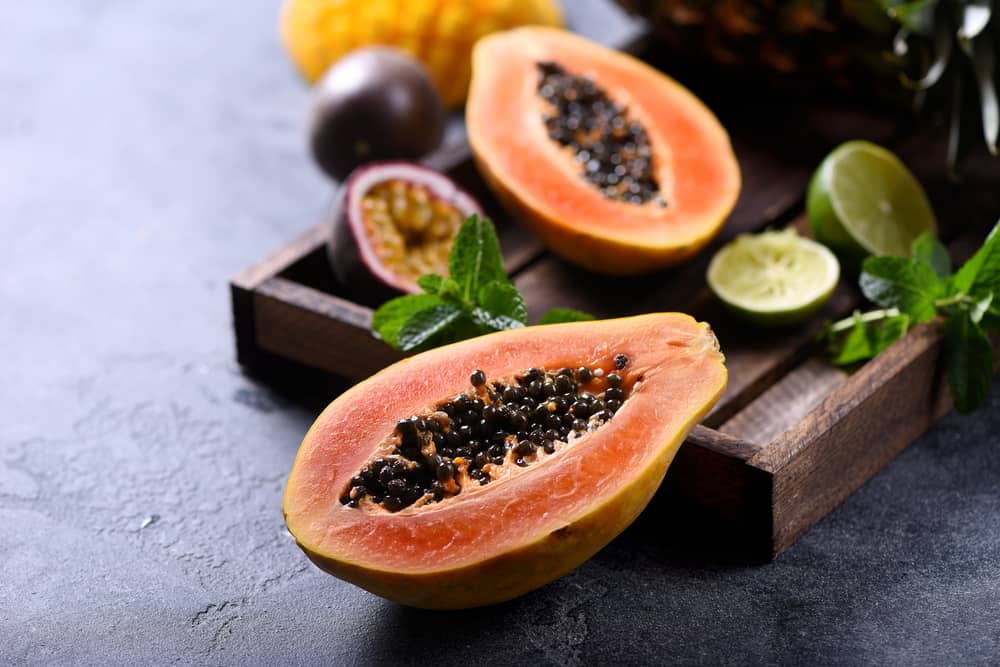
Before we jump into the easy solution, it’s important to understand why the plant is not bearing fruit. Papaya is unique because it has three different types of flowers, and this directly affects its fruiting ability.
1. Male Papaya Plants
Male papaya trees produce only male flowers.
These flowers have pollen but cannot produce fruit at all.
If your papaya is covered in long, dangling flower stalks with many small flowers—it is a male plant.
2. Female Papaya Plants
Female papayas produce large, single flowers near the trunk.
They can produce fruit, but only if pollinated by a male or hermaphrodite plant.
Without pollination, the flowers drop.
3. Hermaphrodite (Perfect) Papaya Plants
These are the best type.
They have both male and female organs in the same flower and produce fruit on their own.
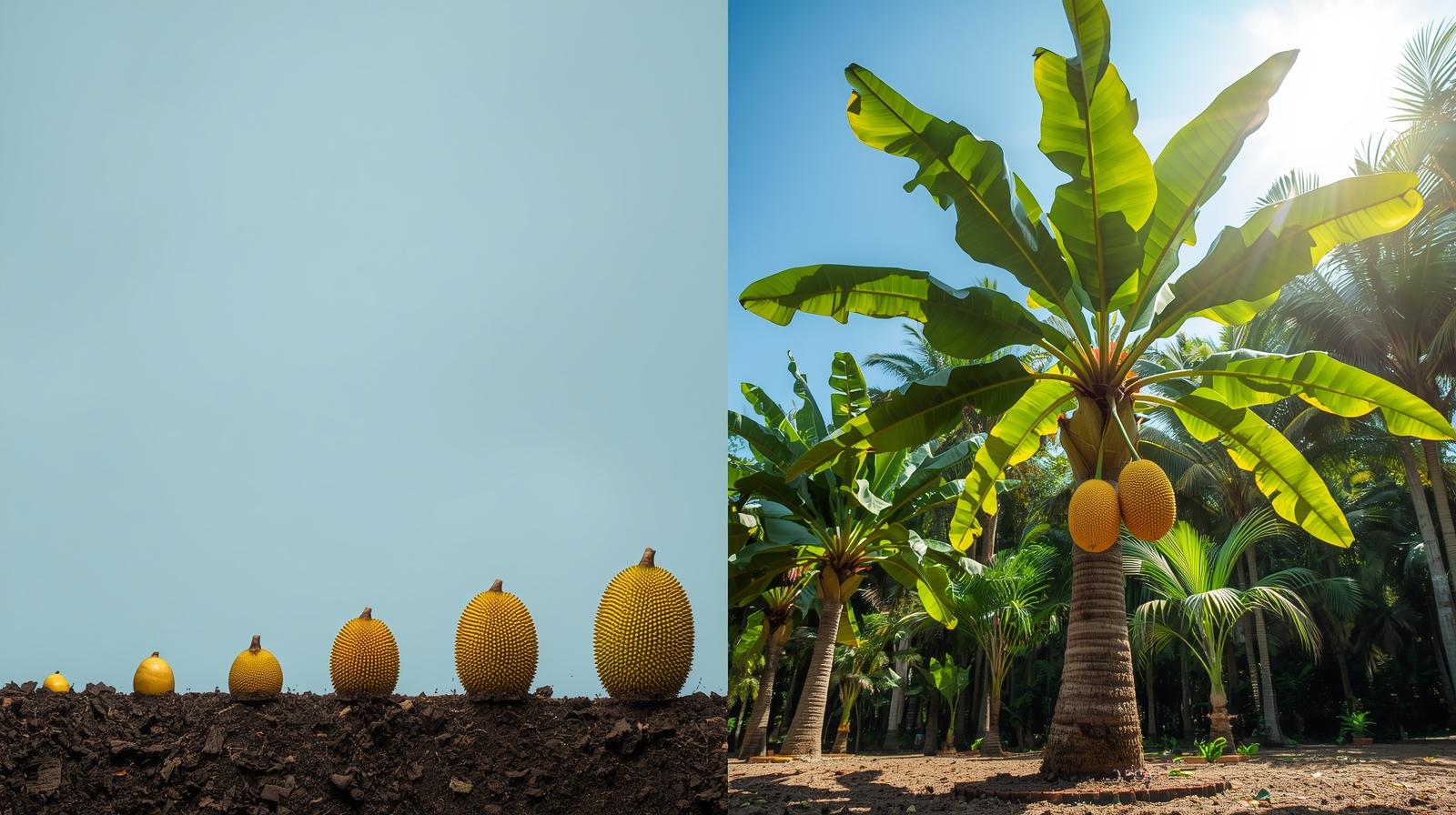
Most improved varieties sold today are hermaphrodites because they guarantee good fruiting.
🌱 Common Reasons Your Papaya Is Not Fruiting
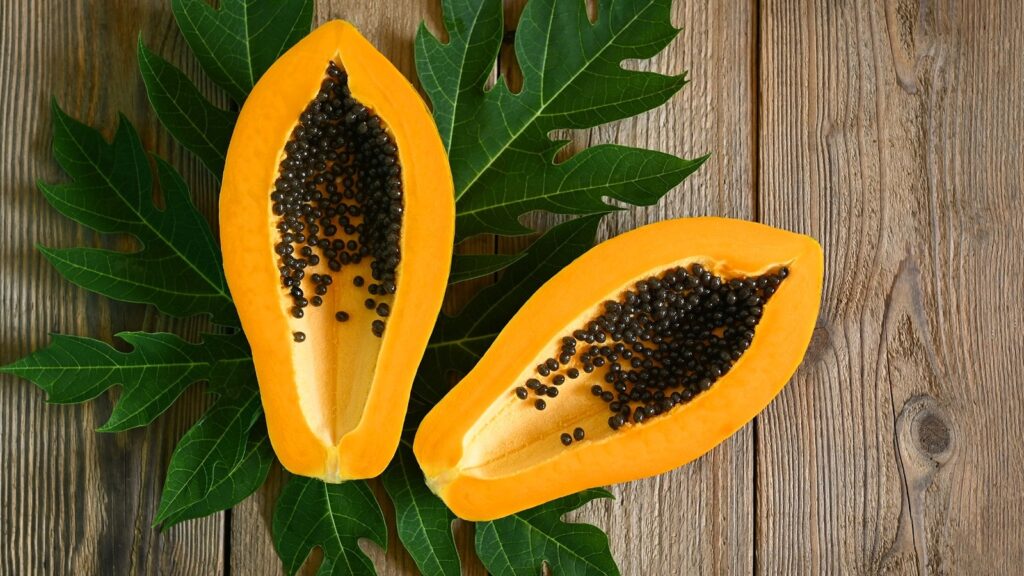
Even if your plant is female or hermaphrodite, other factors can stop fruit formation. The common causes include:
• Poor Pollination
Lack of insects, excessive humidity, or heavy rains stop pollination.
• Nutrient imbalance
Too much nitrogen (leaf growth) and too little phosphorus & potassium (fruit growth).
• Temperature extremes
Very cold or very hot weather affects flower fertility.
• Water stress
Overwatering or underwatering causes flower drop.
• Wrong planting depth
Papaya planted too deep struggles to fruit.
• Variety issues
Seedlings from random fruit may grow into male plants.
Now that you understand the causes, let’s solve the problem with the simplest and most effective method.
🌟 THE EASY METHOD TO TRIGGER FRUITING: THE “FLOWER INDucer” TECHNIQUE
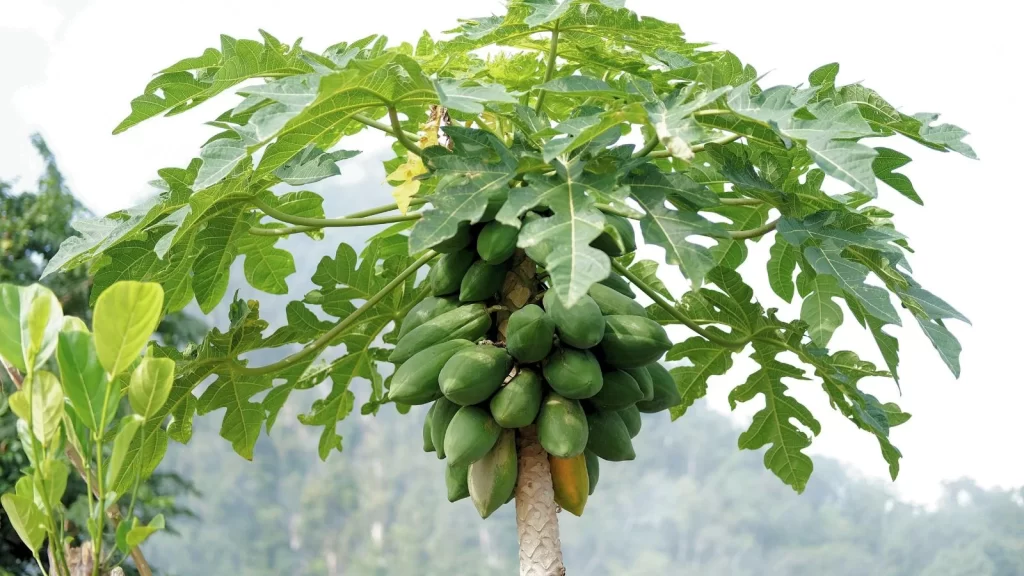
This method is used by papaya farmers across Asia and South America to force papaya plants to start fruiting—even those that have delayed or stopped flowering.
It’s a natural way to stimulate flower production and increase the chances of fruit formation.
🍃 Step 1: Add a Potassium-Rich Booster
Papayas need potassium (K) more than any nutrient for flowering and fruiting.
Without potassium, the tree will grow tall but remain unproductive.
✔ Best natural potassium sources:
- Banana peel water
- Wood ash (small quantity)
- Coconut water
- Compost mixed with ash
- Fermented banana peel solution
👉 How to apply:
- Apply 1–2 liters of banana peel water around the plant base every 10 days.
- OR mix 1 handful of wood ash with soil around the plant once every 15 days.
This alone can trigger flowering in 2–4 weeks.
🍯 Step 2: Sweetening Method (Sugar-Induced Flowering)
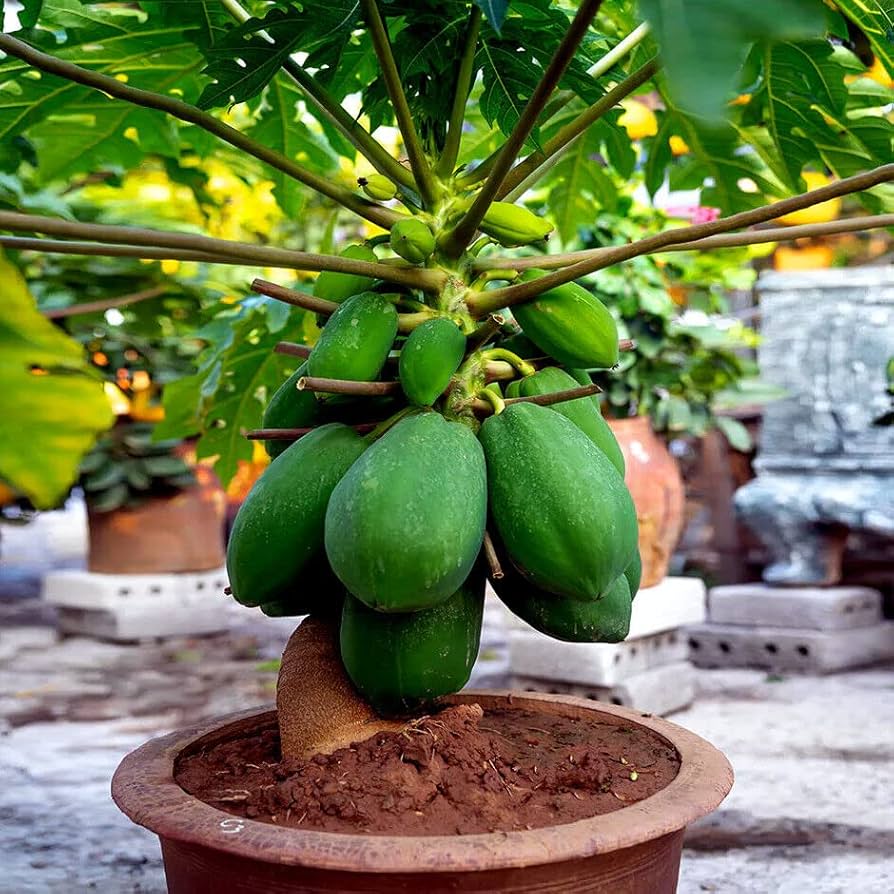
Gardeners worldwide swear by the “sugar method” to encourage flower formation.
✔ How to do it:
Mix the following in 1 liter of water:
- 2 tablespoons brown sugar OR jaggery
- 1 teaspoon Epsom salt (optional, but very helpful)
Pour this mixture around the plant.
Why it works:
- Sugar activates beneficial soil microbes.
- Epsom salt boosts chlorophyll production.
- Together, they increase plant energy and promote flowering.
Do this once every month for best results.
🌼 Step 3: Prune the Growing Tip (The Flowering Trigger!)
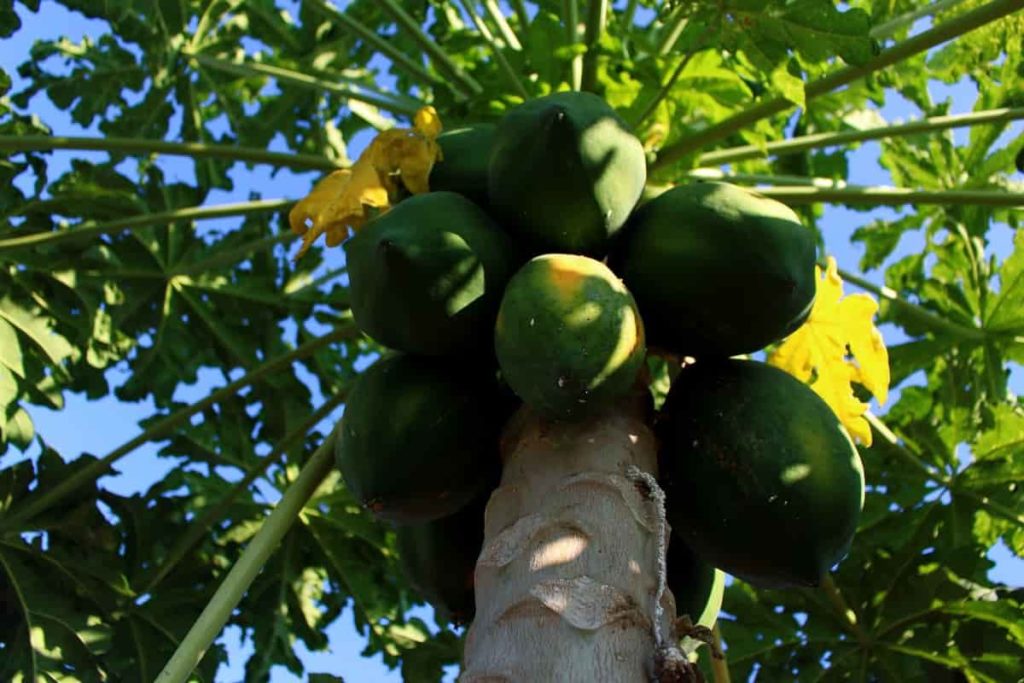
This is one of the most effective techniques for papaya plants that grow tall but never produce flowers.
✔ How to do it:
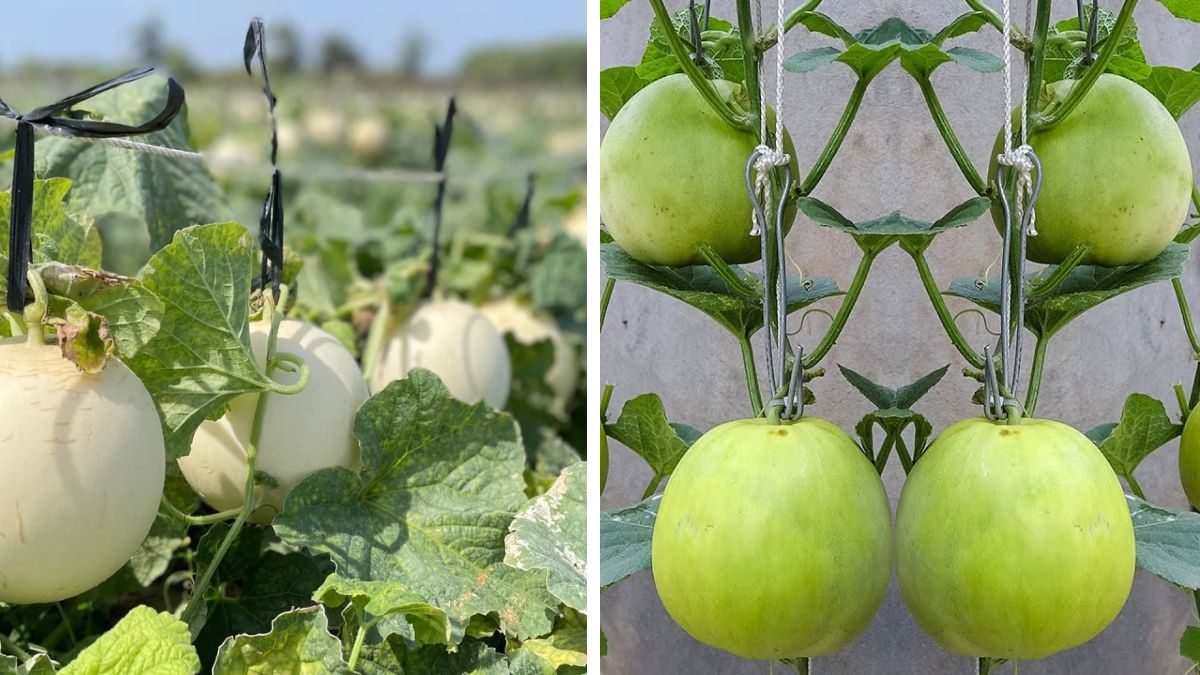
- Cut 2–3 inches off the top growing tip of the papaya.
- Use clean, sharp tools.
- Do this only on healthy plants.
What happens next?
- The plant stops growing taller.
- Energy shifts from vertical growth to flower production.
- Within 2–5 weeks, flower buds start forming.
This method works like magic—especially for papaya plants that have become too tall without fruit.
🌻 Step 4: Improve Pollination (Essential for Female Plants)
If your plant is female, you must improve pollination.
✔ Methods:
1. Hand pollination
Use a small brush or cotton bud:
- Collect pollen from male flowers.
- Gently touch it to the stigma of the female flower.
Done in the morning for best results.
2. Attract more pollinators
Grow these around papaya:
- Marigold
- Basil
- Sunflower
- Jasmine
Pollinators → More fruit.
🌊 Step 5: Fix Watering Issues
Papaya roots hate standing water.
✔ Ideal watering:
- Water deeply twice a week in summer.
- Once a week in winter.
Too much water causes flower drop.
Too little water makes the plant stop initiating flowers.
🌱 Step 6: Correct Soil Nutrients
Papaya needs a balanced combination of:
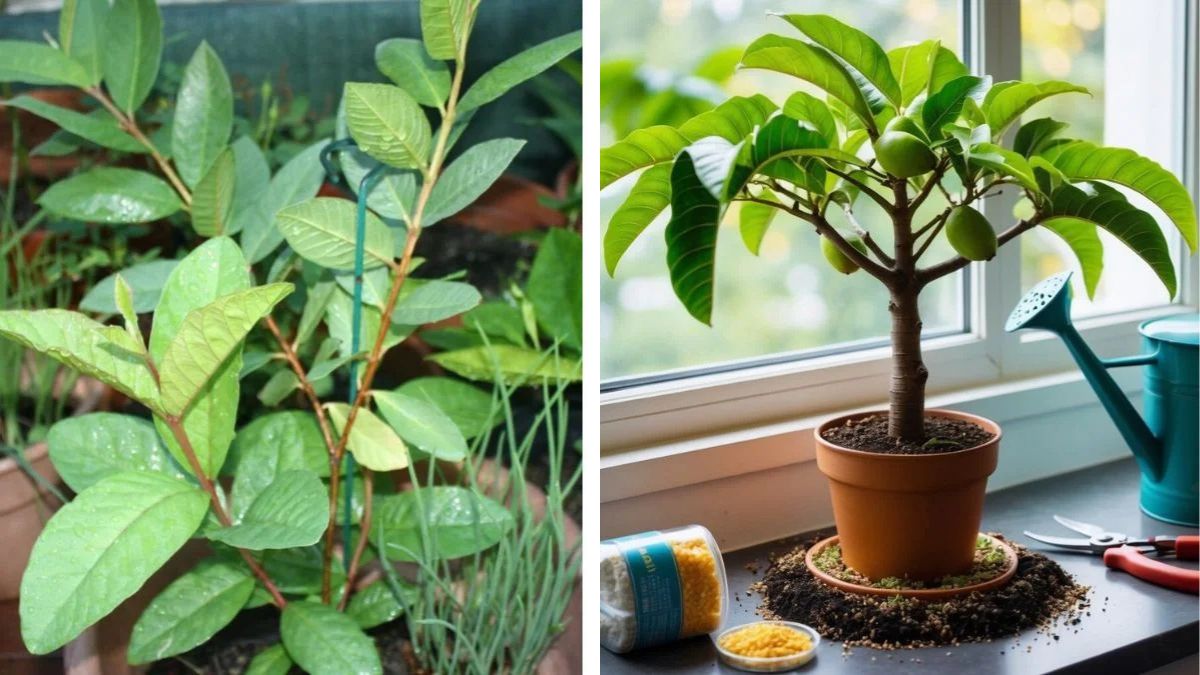
- Nitrogen for growth
- Phosphorus for flowers
- Potassium for fruits
✔ Perfect homemade fertilizer mix:
- 2 kg compost
- 1 handful bone meal
- 2 handfuls wood ash
- 1 handful neem cake
- 1 handful cow dung powder
Apply every 45 days.
This combination encourages continuous flowering.
🌞 Additional Tips to Ensure Heavy Fruiting
✔ Grow at least 3 papaya plants together
This increases the chance of having male, female, and hermaphrodites for cross-pollination.
✔ Keep the plant in full sunlight
Papaya needs 6–8 hours minimum.
✔ Remove lower leaves
This increases airflow and helps fruit set.
✔ Avoid chemical fertilizers
They force leaf growth but weaken flowering hormone production.
🍈 How Long Until Papaya Starts Fruiting?
Under ideal conditions:
- From seed: 8–12 months
- From grafted or special variety: 6–8 months
After applying the methods above, most gardeners see flowering within 3–6 weeks.
🌟 Final Thoughts: Your Papaya Can Produce Fruit—Just Give It the Right Push
A papaya plant that isn’t producing fruit is not a lost cause. In most cases, it needs a simple push—better nutrition, better pollination, or a quick pruning technique—to encourage flowering.
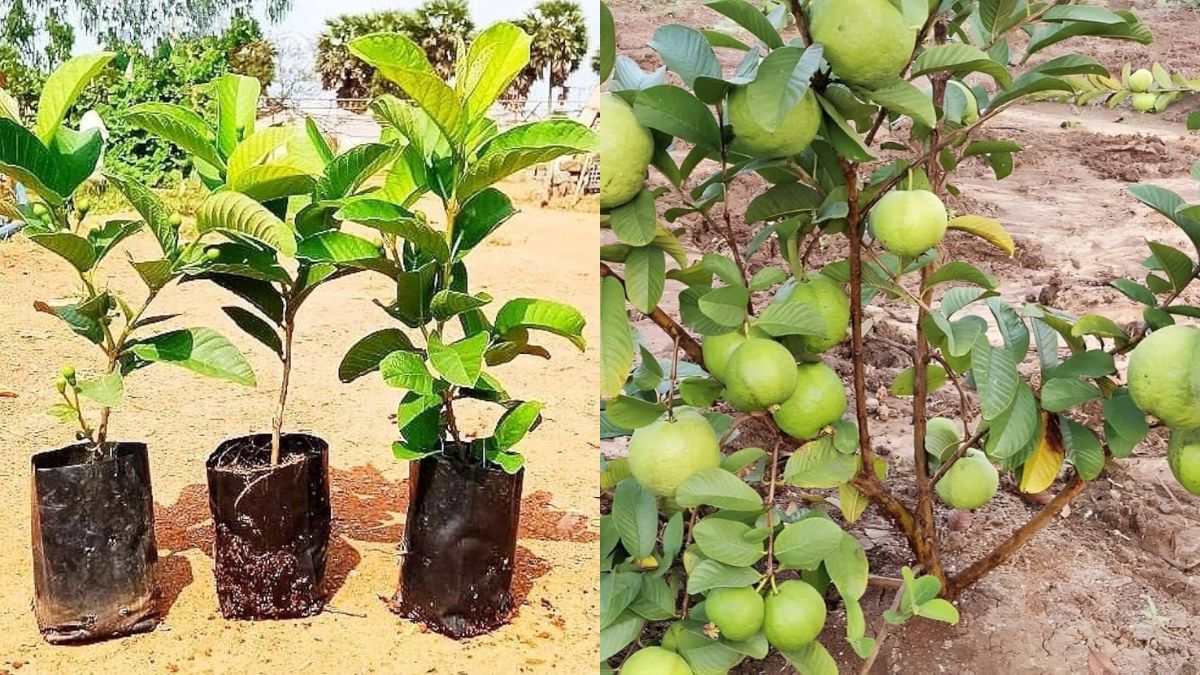
These easy methods used by farmers worldwide can transform your papaya plant from leafy and unproductive into a fruit-loaded powerhouse.
Whether your plant is young or already tall, these steps will help you finally enjoy delicious homegrown papayas.
If you’d like, I can also create: