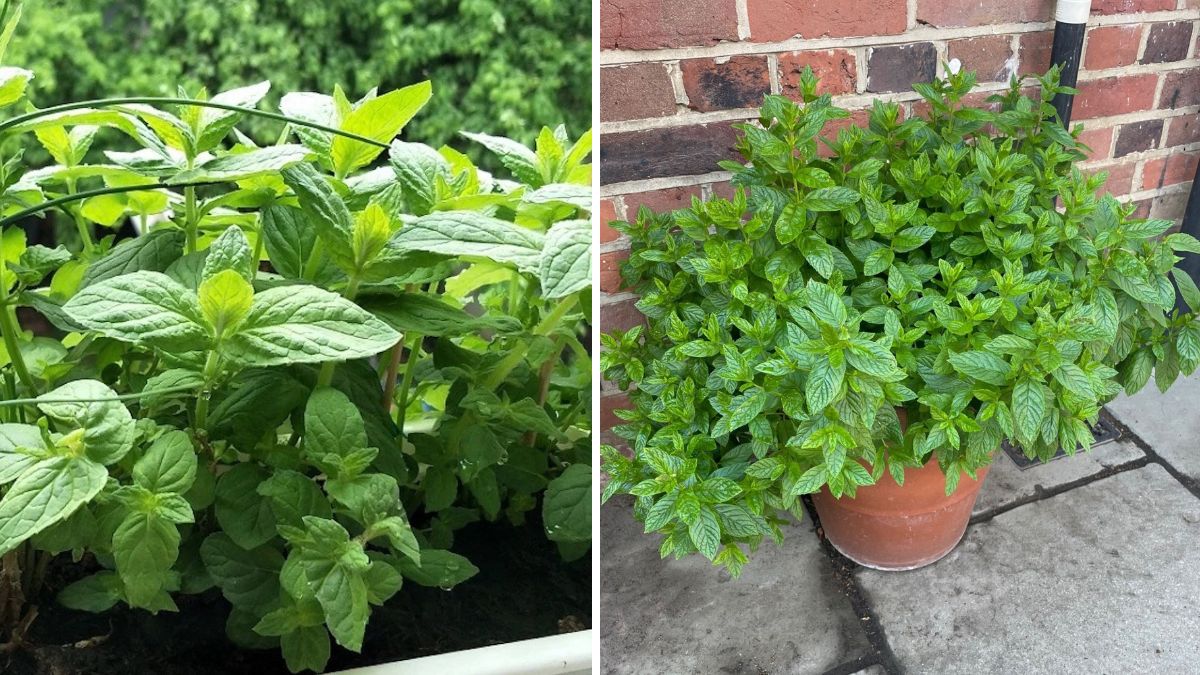
Mint is one of the most rewarding herbs you can grow, whether you have a sprawling garden, a small balcony, or just a sunny windowsill. Its refreshing aroma, cool flavor, and hardy nature make it a favorite for culinary uses — from teas, salads, and chutneys to cocktails and desserts. But beyond all that, growing mint is a delightful, low-effort project that pays off richly if done right.
In this guide you’ll learn everything you need to know about growing mint — from selecting the right variety, soil and potting tips, watering, harvesting, and even how to control its growth so it doesn’t take over your garden.
1. Why Mint Is a Great Start for Beginner Gardeners
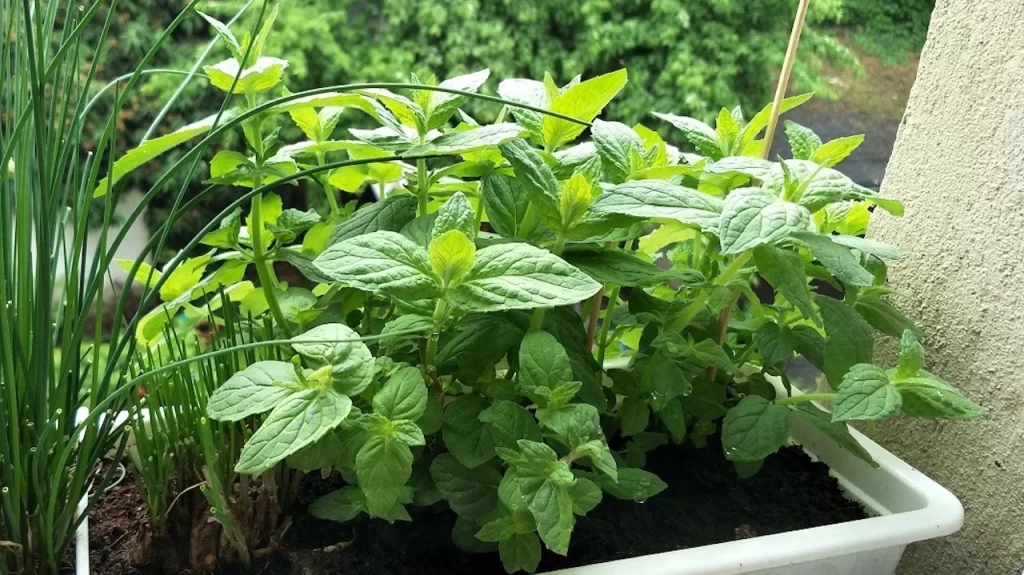
Mint has several characteristics that make it an ideal herb for first-time gardeners:
- It grows rapidly and vigorously.
- It’s tolerant of a wide range of conditions.
- It thrives in pots as well as in-ground beds.
- It can be used fresh, dried, or even as essential oils.
- It repels certain pests and attracts beneficial insects.
If you’re new to gardening and want instant gratification, growing mint is one of the most satisfying ways to begin.
2. Popular Mint Varieties You Can Grow
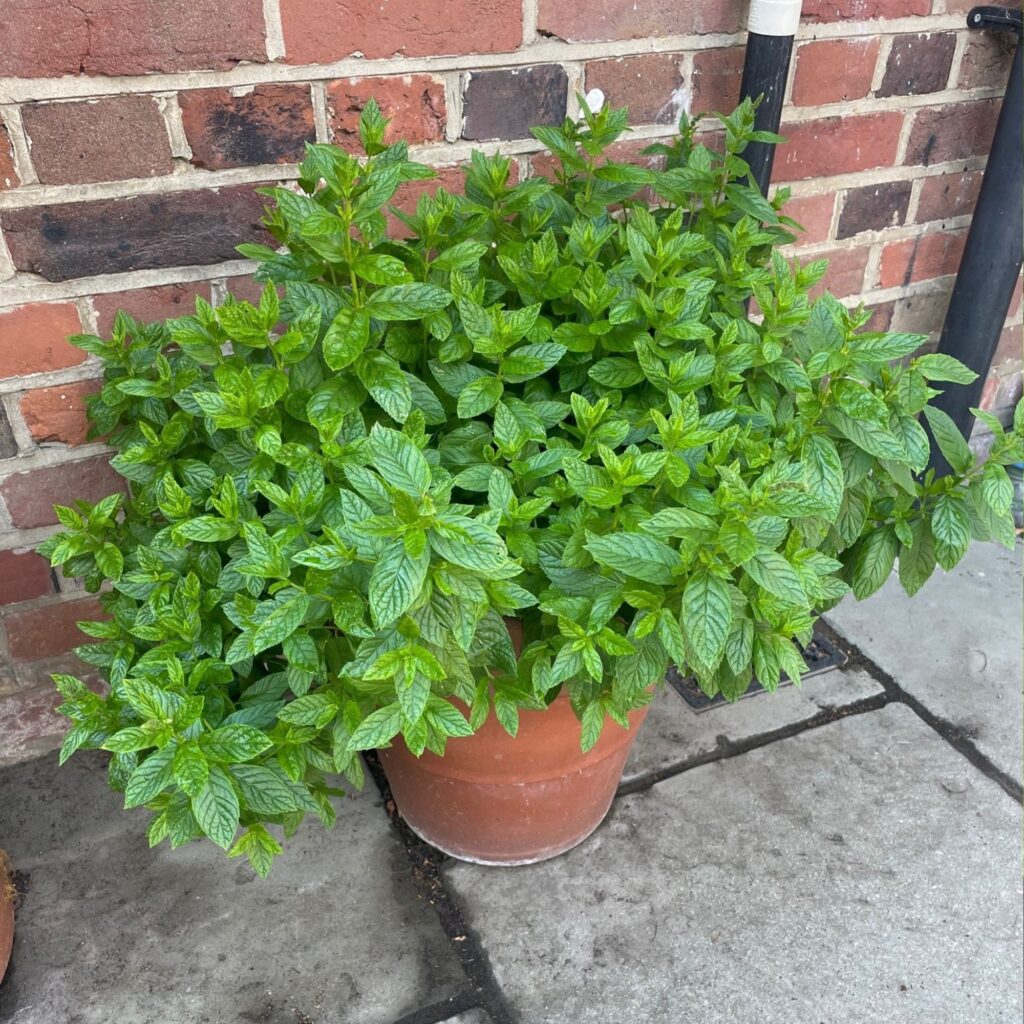
There are many mint varieties to choose from, each with its flavor profile and ideal uses. Some of the most garden-friendly ones:
- Spearmint (Mentha spicata): Bright, fresh flavor — perfect for salads and drinks.
- Peppermint (Mentha × piperita): Strong, cooling flavor — ideal for teas, chocolates, desserts.
- Apple mint (Mentha suaveolens): Mild, fruity flavor — great for chutneys, sauces, and garnish.
- Chocolate mint: A fun variation with a hint of chocolate aroma — lovely for desserts.
- Pudina (Indian mint): Widely used in Indian cooking — fresh chutneys, raitas, and drinks.
Choose the variety based on how you plan to use the mint — peppermint for teas and desserts; spearmint or pudina for cooking and drinks.
3. Best Location: Indoors, Balcony, or Garden Bed
Mint is flexible — it grows well under different conditions, but thrives with the right care.
Sunlight & Shade:
- Partial shade to full sun. 3–5 hours of sunlight daily is sufficient.
- In hot climates (summer), afternoon shade helps prevent scorching.
Temperature:
- Prefers 15–28 °C.
- Can tolerate mild frost if mulched.
- Grows year-round in warm climates with regular watering.
Containers vs Garden Soil:
- Containers help contain its spread — ideal if you don’t want mint to take over other plants.
- Garden beds are okay if you’re prepared to manage growth.
Containers also make it easier to move mint indoors or to a cooler spot during extreme heat.
4. How to Get Started: Planting Mint
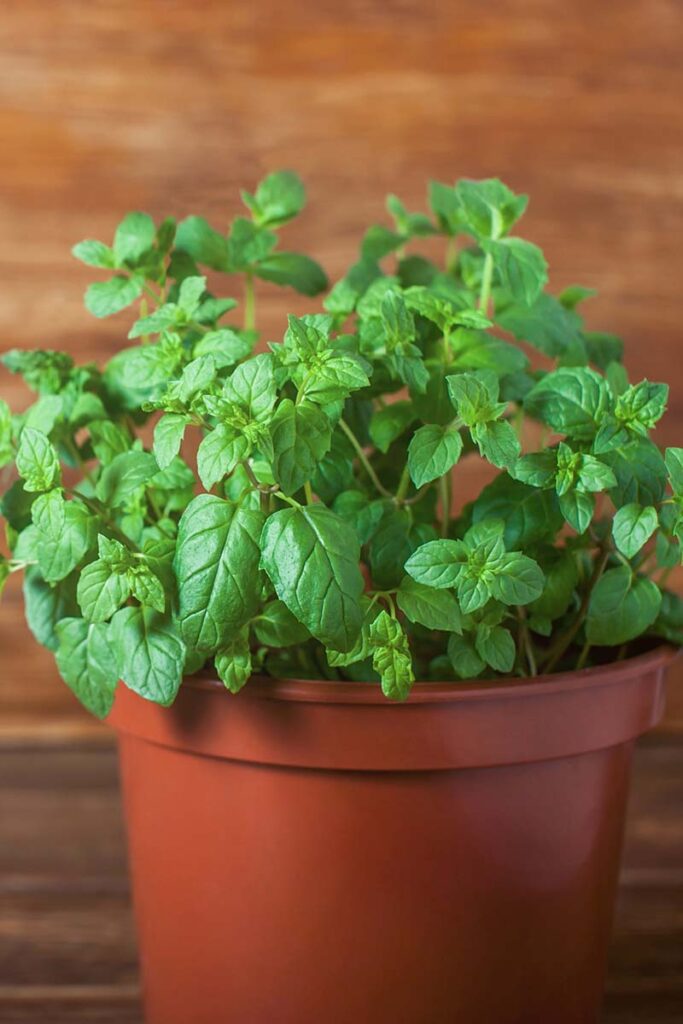
You have two main ways to start mint: from cuttings/divisions or from seed. Cuttings are much faster and more reliable.
A. Growing from cuttings or divisions:
- Take a healthy stem (~10 cm) from an existing mint plant.
- Remove lower leaves.
- Place in a glass of water until roots develop (usually 7–14 days).
- Transplant into soil or pot with good draining mix.
B. Growing from seeds:
- Sow seeds in a small tray with light soil.
- Keep soil moist and place under indirect light.
- Seeds germinate in 7–20 days.
- After seedlings are 5–6 cm tall, transplant to individual pots.
Cuttings produce mature, harvest-ready plants in 4–6 weeks, while seeds take longer but are useful if you don’t have an existing plant.
5. Best Soil, Pot and Watering Practices
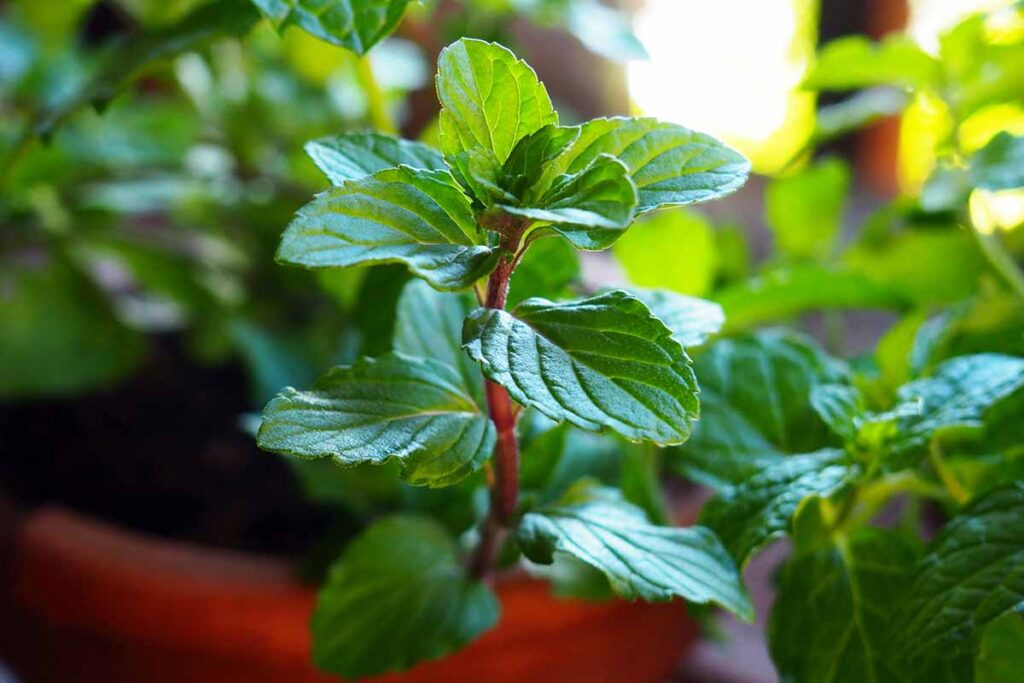
Ideal Soil Mix:
- 40% garden soil
- 30% compost or vermicompost
- 20% coco peat or coco coir
- 10% coarse sand or perlite
The mix should be well-draining, loose, and fertile. Mint roots dislike waterlogging.
Pot Recommendations:
- Use pots at least 6–8 inches deep and wide.
- If growing in a garden bed, use barriers (e.g. plastic pots buried in soil) to prevent mint from spreading.
Watering Schedule:
- Keep the soil evenly moist — not soggy.
- Water when the top 2–3 cm of soil begins to dry out.
- In hot weather, mint may need watering every 2–3 days; in cooler weather, once every 4–5 days.
Consistent moisture ensures lush, aromatic leaves.
6. Fertilizing Mint for Continuous Growth
Mint responds well to light feeding. Since it grows quickly, it can deplete nutrients fast.
Fertilizer Options:
- Well-decomposed compost or vermicompost (once every 4–6 weeks)
- Liquid organic fertilizers — diluted compost tea, cow dung compost water, or seaweed extract (every 2–3 weeks)
- Avoid heavy chemical fertilizers — they can make leaves soft and reduce aroma
A lightly fed mint plant stays green, bushy, and flavorful.
7. Pruning and Harvesting: Keep Mint Lush All Year
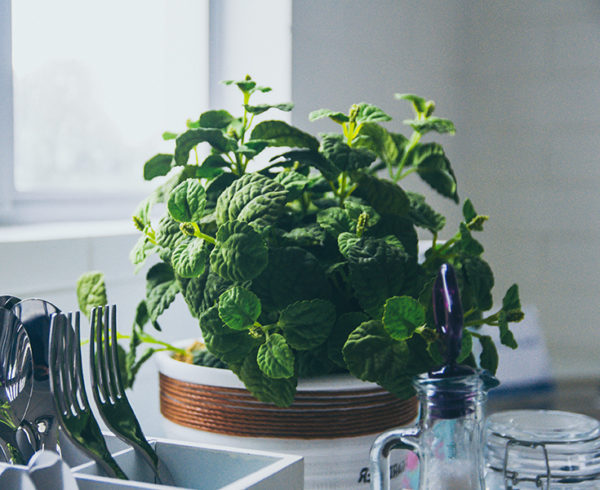
Regular harvesting and trimming encourage thicker growth.
Tips for Harvesting:
- Use scissors or pruning shears.
- Cut stems about 2–3 cm above soil — don’t pull leaves.
- Harvest once the plant is at least 15–20 cm tall.
- Regular harvest (every 7–14 days) prevents flowering, which can make leaves bitter.
Pruning also prevents the plant from becoming leggy and keeps it compact.
8. Controlling Mint’s Spread & Keeping It Contained
In open soil, mint spreads aggressively via underground runners — which can quickly take over your garden.
Ways to Control Spread:
- Grow in containers or pots.
- If planting in a bed — use barriers (e.g. buried pots, plastic edges).
- Regularly trim roots when repotting or dividing.
- Watch for new shoots outside the planting area and remove immediately.
If you want a neat, contained herb patch — containers are the safest bet.
9. Dealing with Pests & Diseases
Mint is generally hardy, but like any plant, it can attract problems.
Common Issues:
- Aphids — small, sap-sucking insects that cluster around new shoots.
- Spider mites or whiteflies — especially in dry, hot weather.
- Root rot — if soil is waterlogged.
Natural Solutions:
- Spray diluted neem oil or mild soap-and-water solution — once every 1–2 weeks.
- Ensure good air circulation; avoid overcrowding.
- Do not overwater; let soil surface dry before watering again.
Healthy, well-kept mint rarely succumbs to pests or disease.
10. Harvesting Strategies & Storing Your Mint
Best Time to Harvest:
- Morning, after dew dries — leaves are most aromatic then.
- Before flowering — flavor is strongest.
Storing Fresh Mint:
- Wrap in a damp paper towel and store in a zip-lock bag in the refrigerator (lasts ~1 week).
- For longer storage — chop leaves and freeze in small portions (ice cube tray with a little water works well).
- Drying — hang small bunches upside down in a cool, dark place; store dried leaves in airtight jars.
Each method preserves mint’s flavor well — choose based on how soon you plan to use it.
11. Creative Uses for Home-grown Mint
Growing your own mint opens up many possibilities:
- Mint-lemon tea or iced mint water
- Chutneys, sauces, raitas
- Garnishing salads, soups, biryanis
- Mint-infused desserts, ice-creams, chocolates
- Homemade mint oil or herbal skincare (mint water, scrubs)
- Grow near other vegetables to deter pests
Home-grown mint tastes fresher and more aromatic than store-bought — and using it in cooking or drinks adds freshness and flavor.
12. When to Re-Pot or Divide Your Mint
Mint grows quickly and tends to get root-bound in pots.
Signs You Should Re-Pot or Divide:
- Roots visible through drainage holes
- Soil dries out too quickly
- Growth slows down even with good care
How to Re-Pot / Divide:
- Lift the plant carefully.
- Divide the root ball into 2–4 smaller clumps.
- Plant each into fresh soil/pot.
- Water well and keep in shade for 2–3 days.
Re-potting every 9–12 months keeps mint vigorous and productive.
13. Growing Mint Indoors — Apartment-Friendly Tips
If you live in a city apartment and lack an outdoor garden, mint still works beautifully.
Indoor Mint Setup:
- Use a pot at least 6–8 inches deep.
- Place near a south or west-facing window (for sunlight).
- If light is insufficient, use a small LED grow light (4–5 hours/day).
- Maintain humidity — mist occasionally or keep a tray of water beneath pot.
- Water when top 1–2 cm soil dries.
With these small adjustments, you can have fresh mint indoors throughout the year.
14. Seasonal Care — Mint Through Summer, Monsoon, and Winter
Summer (Hot & Dry):
- Water more often — every 2–3 days
- Provide some afternoon shade
- Mulch soil surface to retain moisture
Monsoon (Wet & Humid):
- Ensure good drainage
- Raise pots slightly above ground (use bricks)
- Avoid waterlogging — root rot risk
Winter (Cool or Mild):
- Mint may grow slower — reduce watering
- In cool climates, move indoors or to a sheltered spot
- Remove dead leaves; keep soil moderately moist
With minimal seasonal adjustments, mint can stay healthy year-round.
Conclusion
Mint is arguably one of the best herbs to grow at home — beginner-friendly, forgiving, and extremely useful. Whether you grow it on your balcony, in a pot indoors, or in your backyard bed, mint requires just a bit of care, and in return, gives you fresh, aromatic leaves for cooking, drinks, and more.
With the tips provided in this guide — from choosing the right variety to watering, harvesting, potting, and storing — you can enjoy a thriving mint patch all year round.
If you’d like, I can also provide:
🌿 A printable care-chart / schedule for mint
🌿 A grow-along infographic
🌿 A list of companion plants that go well with mint
🌿 Or a video-friendly script
Just let me know!