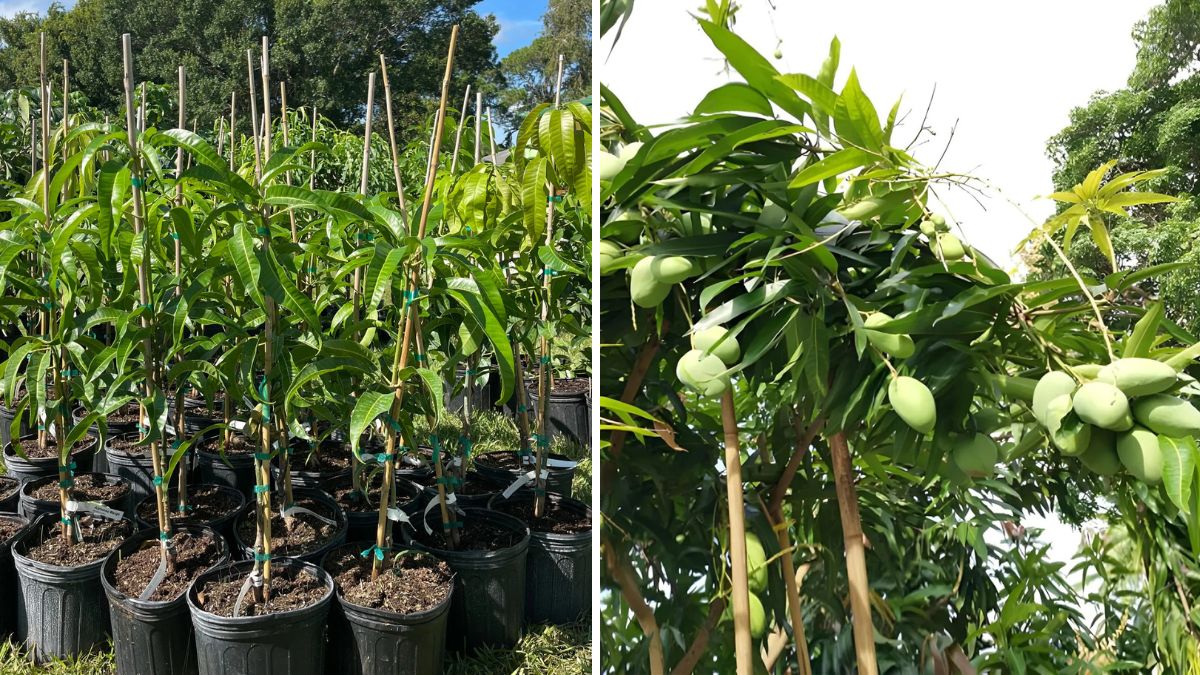
Mangoes are one of the most beloved tropical fruits, prized for their sweet, juicy flavor and nutritional value. For anyone looking to grow mango trees with superior quality fruit, grafting is an essential technique. Grafting allows you to combine the best traits of two plants—ensuring faster fruiting, consistent quality, and disease resistance. Unlike growing mangoes from seeds, which can take years and produce unpredictable results, grafted mango plants offer reliability and efficiency.
In this guide, we’ll explore everything you need to know to start grafting mango plants, from selecting rootstocks to techniques, care, and troubleshooting.
Why Graft Mango Plants?
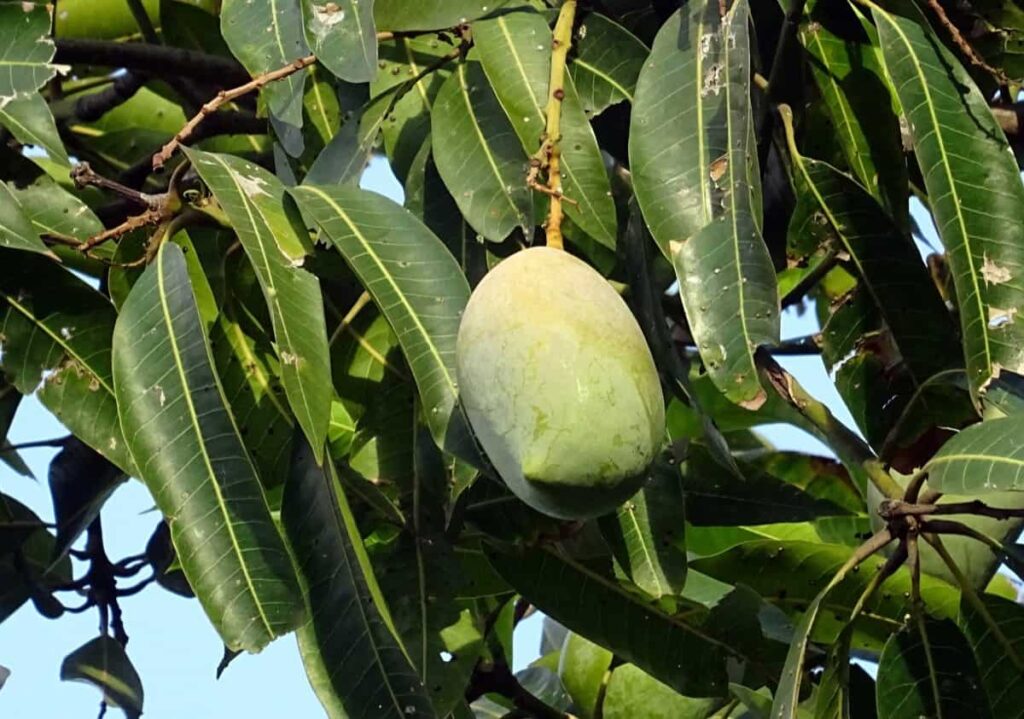
Grafting is a horticultural technique in which a branch or bud from a desired mango variety is joined to a compatible rootstock. The benefits of grafting mango plants include:
- Faster Fruiting: Grafted mango trees often bear fruit within 2–4 years, compared to 6–10 years for seed-grown trees.
- Consistent Quality: Ensures that the fruit has the same taste, size, and color as the parent variety.
- Disease Resistance: Rootstocks can be chosen for resistance to soil-borne diseases or adverse conditions.
- Controlled Growth: Dwarf or compact trees can be produced for smaller gardens or containers.
- Multiple Varieties on One Tree: Techniques like multi-grafting allow different mango varieties to grow on a single tree.
Grafting is, therefore, a smart choice for home gardeners, commercial growers, and anyone seeking high-quality mango production.
Choosing the Right Rootstock
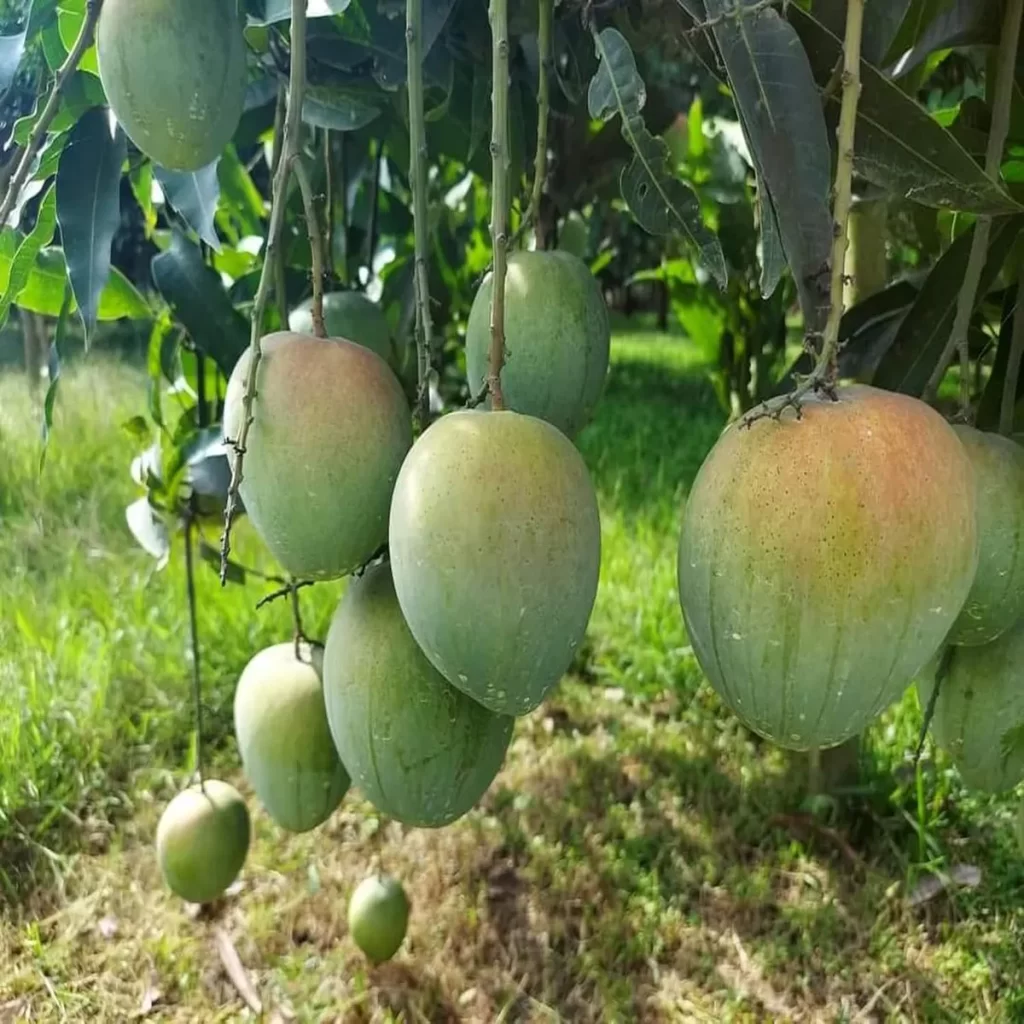
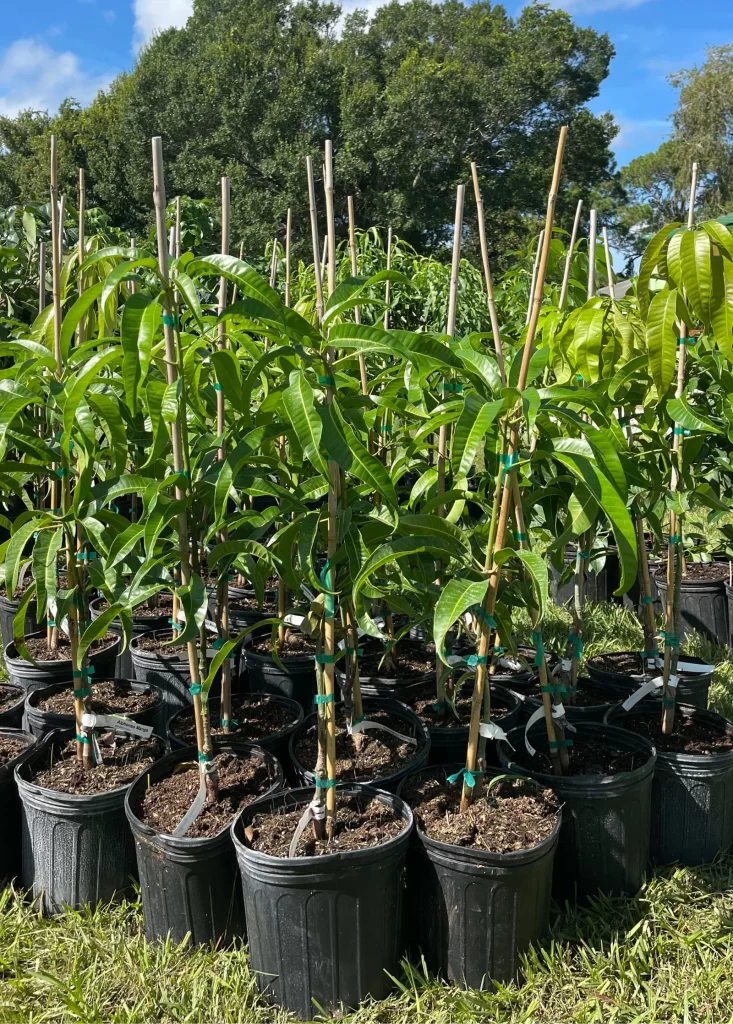
The rootstock is the foundation of a grafted mango plant, influencing growth, fruiting, and disease resistance. When selecting a rootstock, consider:
- Seedling Health: Choose vigorous, disease-free mango seedlings for grafting.
- Compatibility: Ensure the rootstock is compatible with the scion variety to improve success rates.
- Soil Adaptability: Rootstocks that tolerate local soil conditions, drought, or salinity are preferred.
- Size Management: Certain rootstocks produce dwarf or semi-dwarf trees suitable for container planting.
Healthy, well-established rootstocks increase the likelihood of grafting success and long-term productivity.
Selecting the Scion
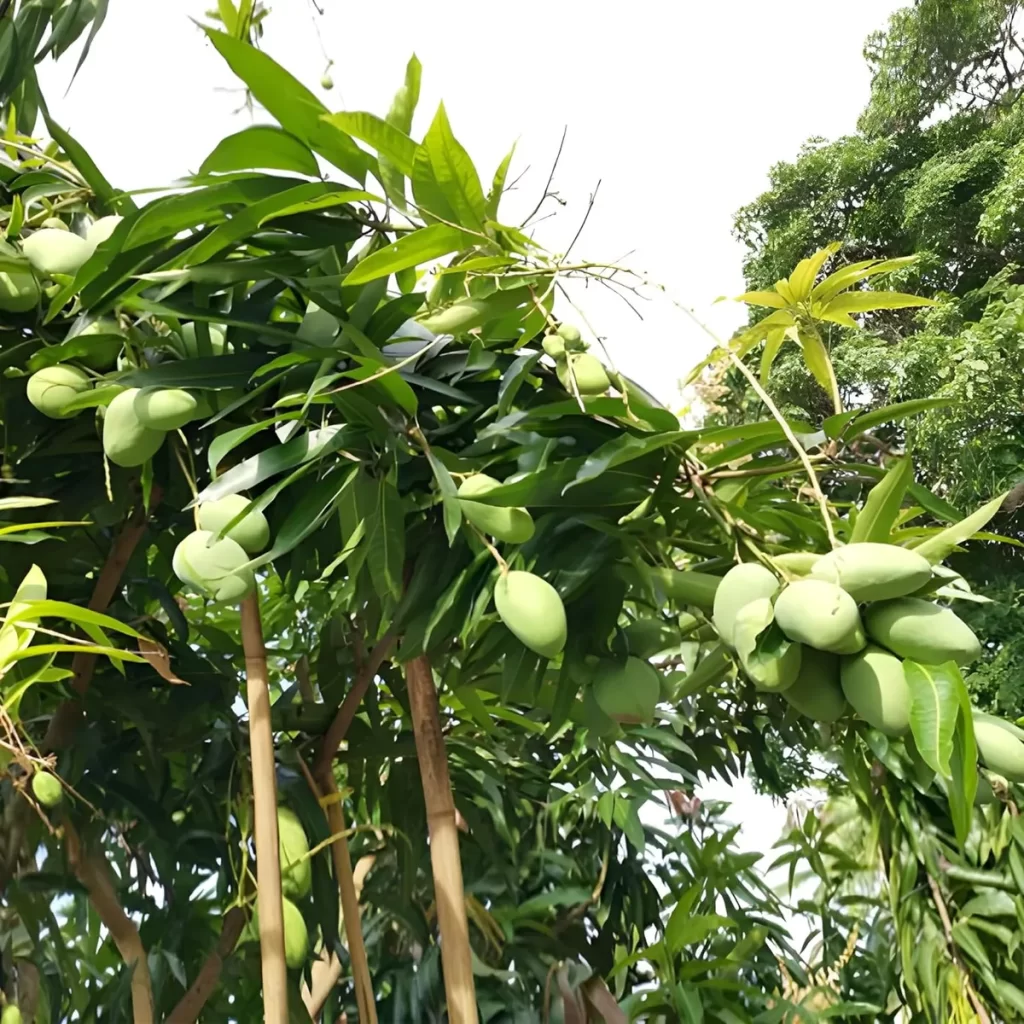
The scion is the part of the mango tree that will produce the desired fruit. When selecting a scion:
- Choose disease-free, healthy branches from a mature, productive tree.
- Select shoots that are 1–2 years old, preferably 6–12 inches long.
- Avoid branches that show signs of pests, diseases, or poor growth.
- Use scions from a variety known for flavor, size, color, or early fruiting to achieve the desired outcome.
Essential Tools for Grafting Mango Plants
To start grafting mango plants, you’ll need:
- A sharp grafting knife or razor blade.
- Pruning shears.
- Grafting tape or parafilm to secure the graft union.
- Wax or sealant to prevent moisture loss.
- Clean cloth or alcohol for sterilizing tools.
Sterilizing all tools before grafting reduces the risk of infection and improves the success rate.
Grafting Techniques for Mango Plants
There are several techniques used for grafting mango plants. The choice depends on the age of the rootstock and the type of scion:
1. Tongue Grafting
Ideal for young seedlings with compatible diameter scions.
Steps:
- Cut the rootstock stem at a 45° angle.
- Make a small vertical slit (tongue) in the cut surface.
- Cut a corresponding tongue in the scion.
- Fit the scion and rootstock tongues together securely.
- Wrap the union with grafting tape and apply wax or sealant.
This method ensures strong contact and promotes rapid union formation.
2. Cleft Grafting
Used when the scion is smaller than the rootstock or for older rootstocks.
Steps:
- Cut the rootstock stem horizontally and make a vertical slit in the center.
- Shape the scion into a wedge and insert it into the slit.
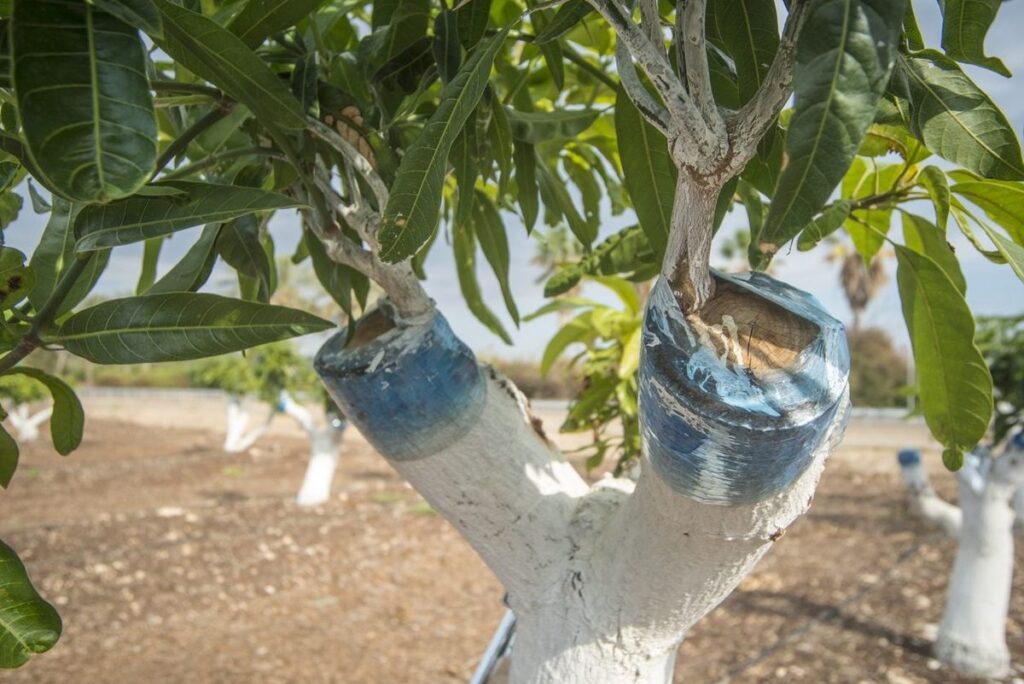
- Wrap tightly with grafting tape and apply sealant.
Cleft grafting works well for rejuvenating older mango trees or introducing new varieties.
3. Bud Grafting (Patch or Chip Budding)
Bud grafting involves transferring a single bud from the desired variety to the rootstock.
Steps:
- Make a T-shaped cut on the rootstock bark.
- Remove a bud from the scion with a small piece of bark.
- Insert the bud under the bark of the rootstock.
- Secure with tape until it heals.
Bud grafting is highly efficient for commercial propagation and allows multiple grafts on one tree.
Aftercare for Grafted Mango Plants
Proper aftercare is critical for graft success:
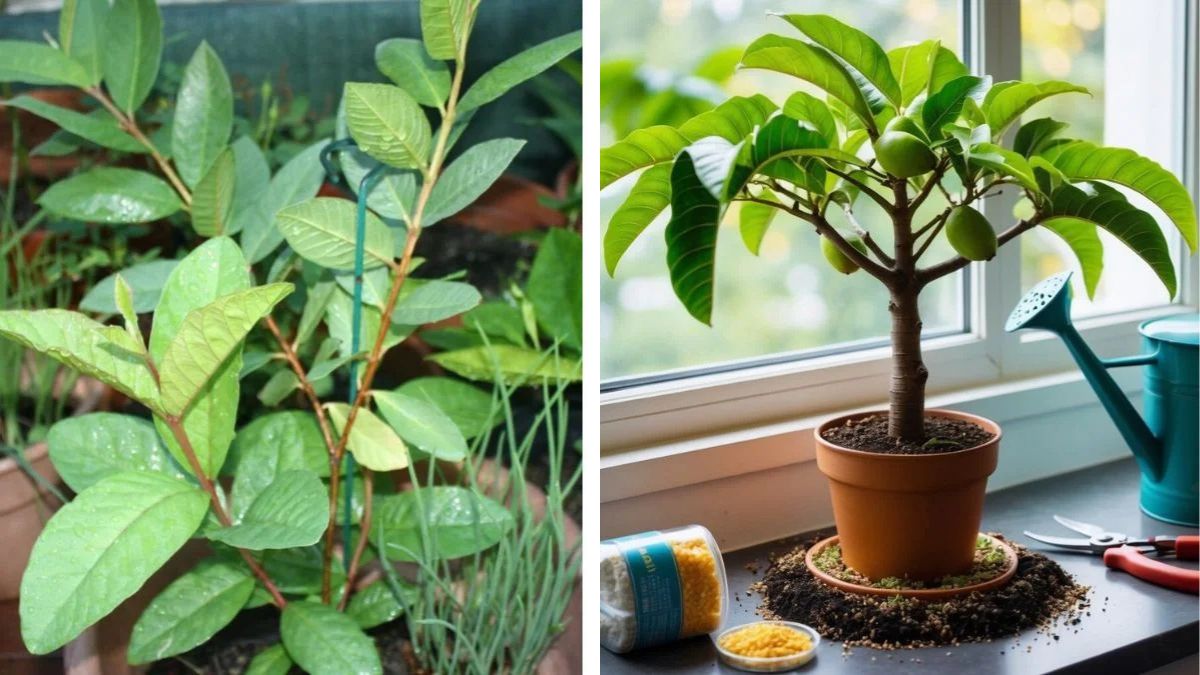
- Watering: Keep the soil consistently moist but not waterlogged. Overwatering can rot the graft union.
- Shade Protection: Protect newly grafted plants from direct sunlight for 1–2 weeks.
- Remove Competing Shoots: Trim any shoots emerging from the rootstock below the graft to encourage scion growth.
- Support the Scion: Use a stake to support the scion until it establishes firmly.
- Monitor for Pests: Check for aphids, ants, or fungal infections, which can affect graft healing.
Signs of Successful Grafting
A successful graft will show:
- Swelling and healing at the union within 2–3 weeks.
- Emergence of new leaves from the scion after 3–4 weeks.
- Strong attachment of the scion to the rootstock within 2–3 months.
If the scion remains dry or shows no growth after a few weeks, it may indicate graft failure. In such cases, you can attempt re-grafting using a fresh scion and improved technique.
Common Challenges and How to Overcome Them
- Graft Rejection: Occurs due to incompatibility or improper technique. Ensure matching diameters and healthy plant material.
- Drying of Scion: Prevent by wrapping grafts tightly and using wax or sealant.
- Pest Infestation: Cover grafted plants and monitor closely to prevent damage.
- Excessive Rootstock Growth: Remove shoots below the graft to allow the scion to dominate.
Patience, careful technique, and consistent care are essential for overcoming these challenges.
Advantages of Grafted Mango Plants
- Early Fruiting: Grafted plants produce fruit faster than seed-grown plants.
- Uniform Quality: Fruit characteristics remain consistent with the parent tree.
- Improved Yield: Stronger growth and disease-resistant rootstocks enhance productivity.
- Space Efficiency: Dwarf or semi-dwarf varieties are ideal for gardens and small plots.
Grafting ensures that your mango trees are reliable, productive, and of high quality—perfect for home gardeners and commercial growers alike.
Conclusion
Grafting mango plants is a practical, efficient, and rewarding method to grow high-quality mango trees at home or on a farm. By selecting healthy rootstocks and scions, choosing the right grafting technique, and providing proper aftercare, anyone can successfully propagate mango trees with superior fruit quality.
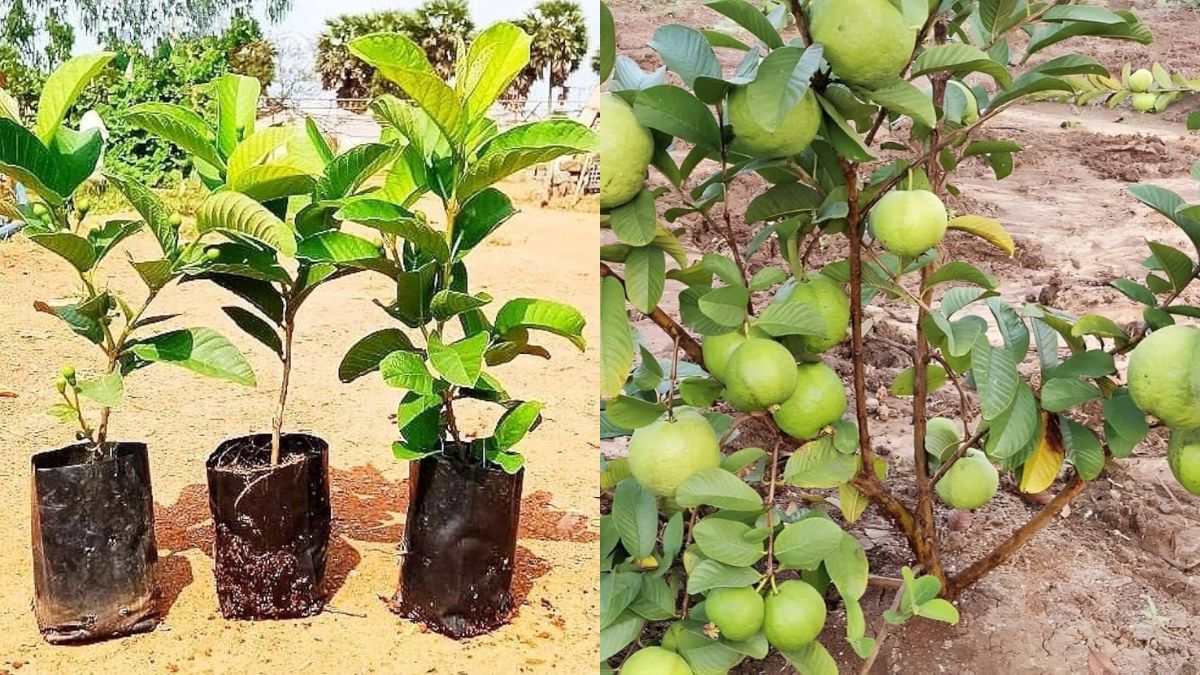
Whether you are a hobbyist gardener or a commercial farmer, learning grafting techniques allows you to enjoy faster fruiting, consistent yields, and the satisfaction of producing healthy, robust mango trees. With patience, practice, and attention to detail, grafting can transform your mango cultivation and help you grow trees that are both productive and beautiful.