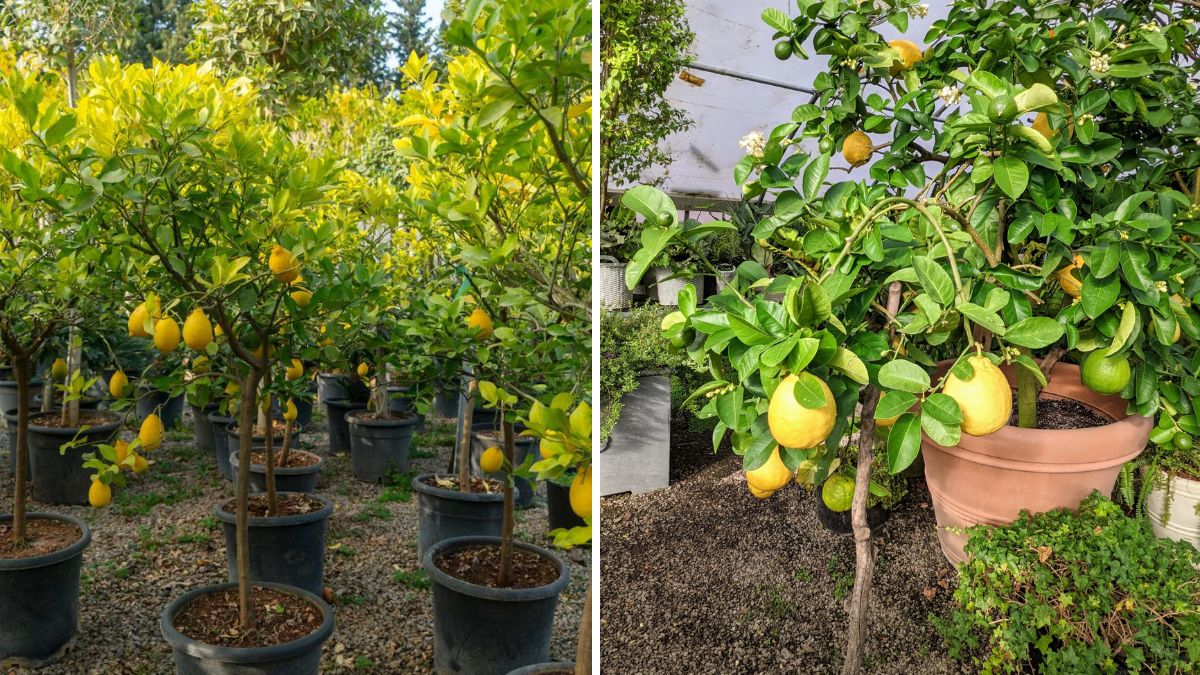
Lemon trees are more than just fruit-bearing plants—they bring vibrant greenery, a refreshing aroma, and a steady supply of nutritious lemons right to your home. Growing lemon plants from cuttings is one of the easiest and most effective ways to cultivate these delightful citrus trees. Unlike growing from seeds, which can take years and may produce unpredictable fruit, propagation from cuttings allows gardeners to create new plants that are true to the parent variety and begin fruiting more quickly.
This guide will walk you through everything you need to know to grow lemon plants easily from cuttings, from selecting the right parent tree to planting, caring for, and eventually harvesting your homegrown lemons.
Why Grow Lemon Plants from Cuttings?
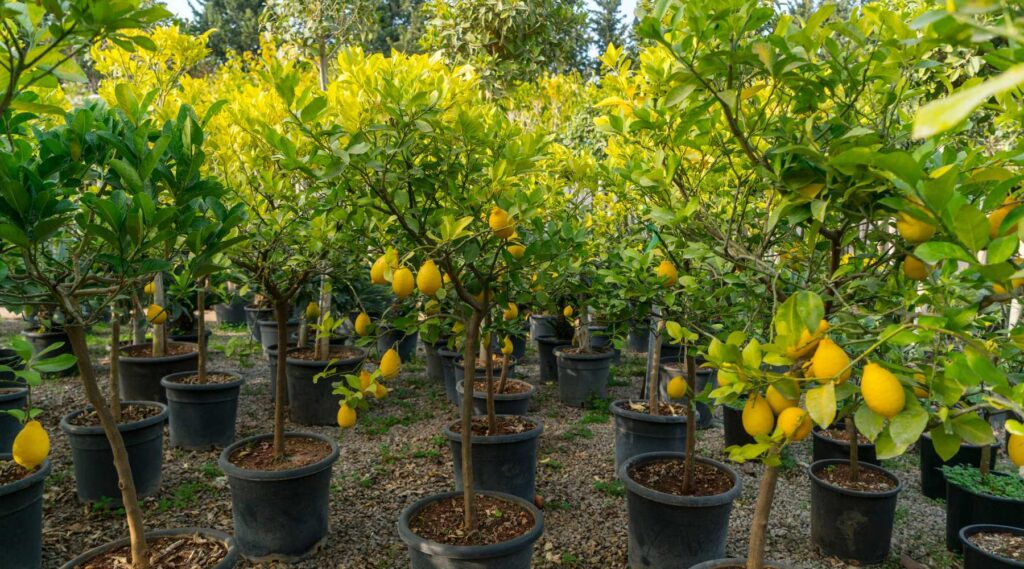
Growing lemon plants from cuttings offers several advantages:
- Faster Fruiting: Cuttings establish quickly and may bear fruit within 1–2 years, much sooner than seed-grown trees.
- True-to-Type Plants: The new plants are genetically identical to the parent, ensuring consistent fruit quality.
- Cost-Effective: You can propagate multiple plants from a single healthy tree without buying seeds or saplings.
- Space Efficiency: Cuttings can be grown in pots, containers, or small garden plots, making them ideal for home gardening.
- Low Maintenance: Once established, lemon cuttings are hardy and require minimal care compared to starting from seeds.
For beginner gardeners and urban growers, propagation from cuttings is a practical and rewarding method.
Materials Needed for Lemon Cuttings
To propagate lemon plants successfully, gather the following materials:
- A healthy parent lemon tree for selecting cuttings
- Sharp pruning shears or a knife
- Rooting hormone (optional but recommended for faster root growth)
- Well-draining potting soil or a mix of sand and compost
- Pots or containers with drainage holes
- Plastic bags or a mini-greenhouse setup to maintain humidity
- Watering can for gentle irrigation
Having all the necessary materials prepared in advance will help ensure a smooth propagation process.
Selecting the Right Lemon Cutting
Choosing the right cutting from the parent tree is essential for successful propagation. Consider the following:
- Healthy Branch: Select a disease-free, pest-free branch with strong growth.
- Semi-Hardwood: The cutting should be semi-hardwood—neither too young nor too old. This typically means shoots from the current season that have partially matured.
- Length and Thickness: Ideal cuttings are 6–8 inches long and about ¼–½ inch in diameter.
- Leaf Nodes: Choose cuttings with at least 2–3 leaf nodes, as roots usually develop near these nodes.
- Avoid Flowering Branches: Remove any flowers or buds to focus the plant’s energy on root development.
Proper selection of cuttings significantly increases the chances of successful propagation.
Step-by-Step Guide to Propagating Lemon Plants from Cuttings
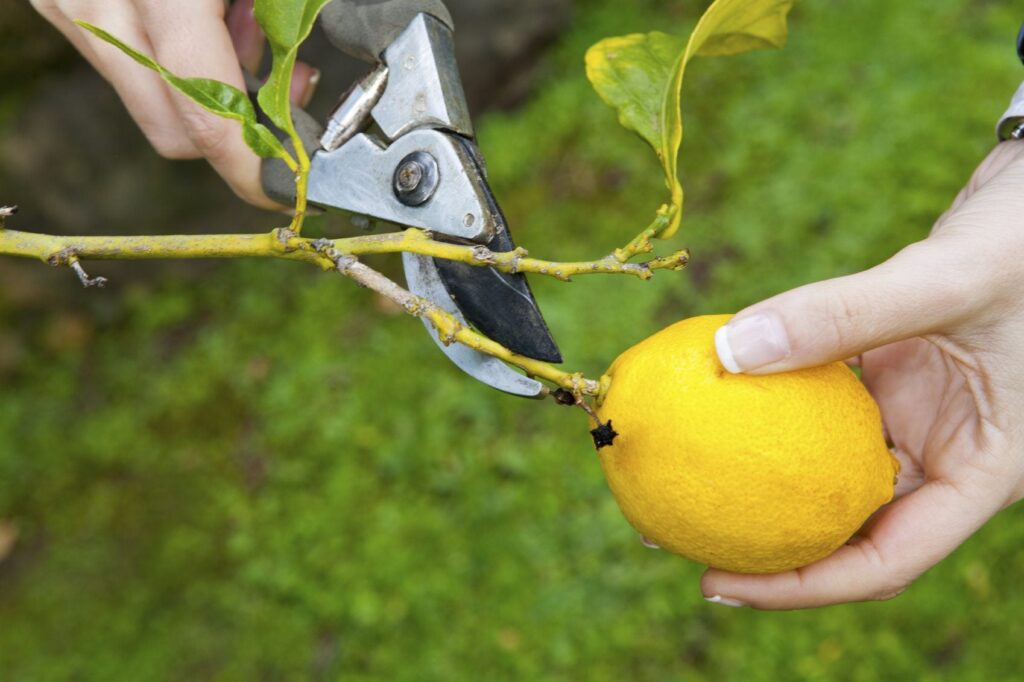
Step 1: Preparing the Cutting
- Use a sterilized knife or pruning shears to cut a healthy branch at a 45° angle.
- Remove all but the top 1–2 leaves to reduce moisture loss.
- Optional: Dip the cut end in rooting hormone to stimulate root formation.
Step 2: Planting the Cutting
- Fill a pot or container with well-draining soil or a mixture of sand and compost.
- Make a small hole in the soil and insert the cutting about 2–3 inches deep.
- Firm the soil gently around the cutting to ensure stability.
- Water thoroughly to settle the soil and provide moisture for rooting.
Step 3: Creating a Humid Environment
- Cover the cutting with a plastic bag or mini-greenhouse to maintain high humidity, which helps prevent drying out.
- Ensure the plastic does not touch the leaves; use sticks or a small frame to support it.
- Place the pot in bright, indirect sunlight—too much direct sunlight can stress the cutting.
Step 4: Root Development and Care
- Check the cutting after 3–4 weeks for root development by gently tugging on the stem. Resistance indicates root formation.
- Maintain soil moisture by watering lightly but avoid waterlogging, which can cause rot.
- Remove the plastic cover gradually once roots are well-established to acclimate the plant to normal conditions.
Transplanting and Potting Up
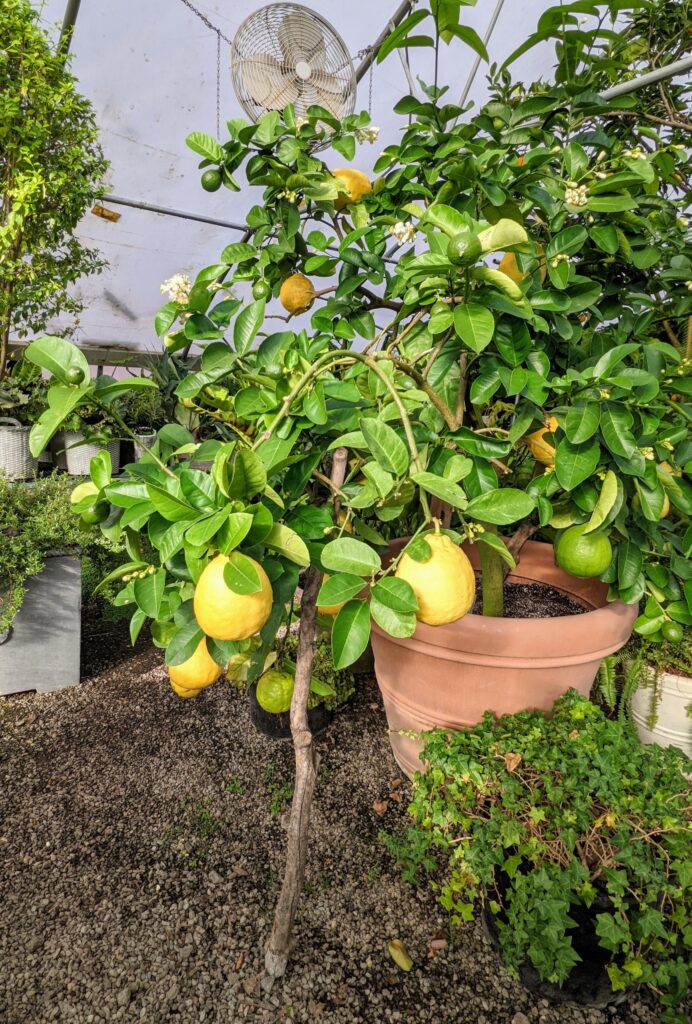
Once the cutting has developed a strong root system:
- Transplant the young plant into a larger pot or directly into the garden.
- Use nutrient-rich, well-draining soil to support growth.
- Ensure proper spacing if planting multiple lemon plants to allow air circulation and sunlight exposure.
- Water deeply and consistently during the first few weeks to help the plant establish.
Sunlight and Watering Requirements
Lemon plants thrive under the right environmental conditions:
- Sunlight: Provide at least 6–8 hours of direct sunlight per day. Indoor plants can be placed near south-facing windows or supplemented with grow lights.
- Watering: Keep the soil consistently moist but not soggy. Deep watering encourages strong root development.
- Mulching: Add a layer of organic mulch around the base to retain moisture and regulate soil temperature.
Fertilization for Healthy Growth
Young lemon plants benefit from regular feeding to support root and leaf development:
- Use a balanced, citrus-specific fertilizer every 4–6 weeks.
- Incorporate organic compost or worm castings into the soil to enhance nutrient availability.
- Avoid excessive nitrogen, which can promote leaf growth at the expense of root development.
Pruning and Training
Pruning encourages a bushier growth habit and prevents legginess:
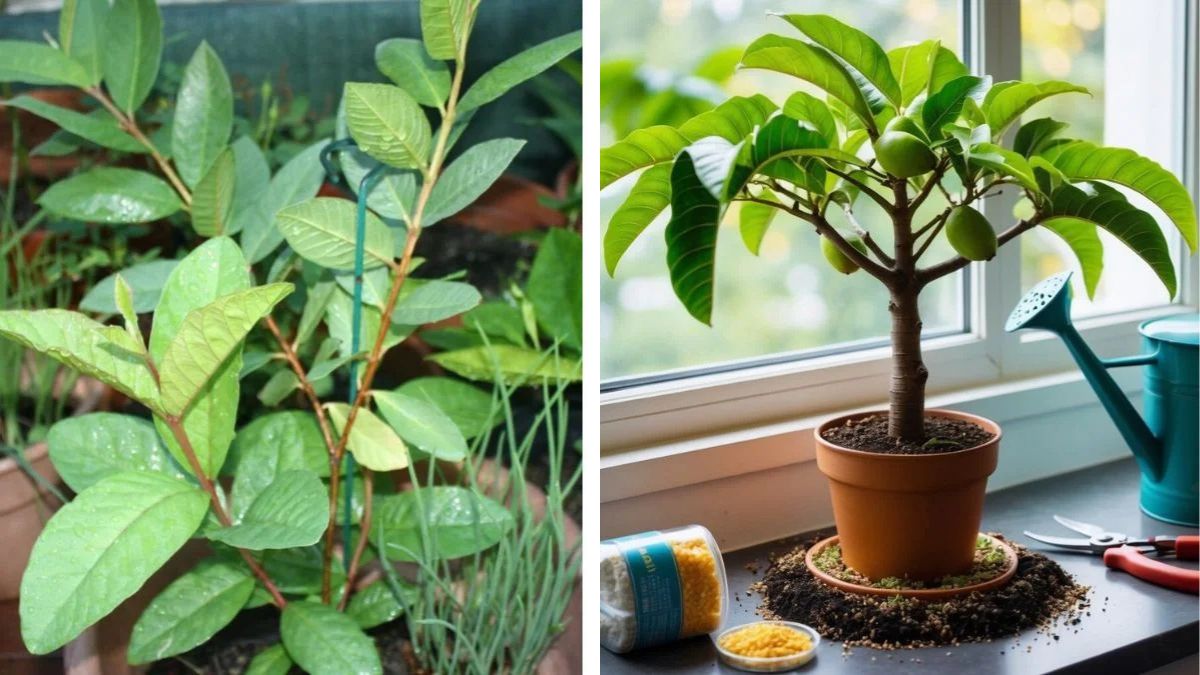
- Pinch or trim the top of the plant once it reaches 12–18 inches tall.
- Remove any damaged, diseased, or crossing branches to promote airflow and sunlight penetration.
- Train the plant to a central leader system for stronger structure and fruit support.
Pest and Disease Management
Even young lemon plants can encounter pests or diseases:
- Common Pests: Aphids, mealybugs, and spider mites. Control with neem oil, insecticidal soap, or manual removal.
- Diseases: Root rot, leaf spot, or powdery mildew. Ensure proper drainage, avoid overwatering, and maintain airflow.
- Preventive Care: Regular inspection, clean tools, and removing infected leaves can help prevent infestations.
Harvesting Lemons
Depending on the variety and growing conditions, lemon plants propagated from cuttings can produce fruit in 1–2 years:
- Fruit is ready to harvest when it turns fully yellow and feels slightly soft to touch.
- Cut the lemons carefully from the branch to avoid damaging stems.
- Regular harvesting encourages the plant to produce more fruit.
Creative Tips for Home Gardeners
- Container Gardening: Grow lemon cuttings in pots on balconies or patios for urban gardening.
- Indoor Citrus: Use grow lights and proper humidity to maintain indoor lemon plants.
- Multiple Cuttings: Propagate several cuttings from a single parent tree to expand your home citrus collection.
- Eco-Friendly Pots: Use recycled containers, buckets, or old tubs to reduce waste.
Advantages of Growing Lemon Plants from Cuttings
- Quick Fruiting: Faster production than seed-grown plants.
- Genetic Consistency: Ensures identical fruit quality.
- Cost Savings: Multiple plants from a single parent tree.
- Space-Saving: Perfect for urban and container gardening.
- Sustainable: Promotes eco-friendly home gardening.
Conclusion
Growing lemon plants from cuttings is a simple, rewarding, and efficient way to cultivate fresh citrus at home. With proper selection, planting, care, and patience, even beginners can enjoy thriving lemon plants that produce high-quality fruit in a short time.
By propagating from cuttings, gardeners can bypass the long waiting period of seed-grown plants while ensuring genetic consistency, faster fruiting, and healthier growth. This method is perfect for home gardens, balconies, and urban spaces, combining the joy of gardening with the convenience of fresh lemons at your doorstep.
With consistent care, sunlight, and nurturing, your homegrown lemon plants will thrive, providing vibrant greenery, aromatic foliage, and a steady supply of delicious, zesty lemons for years to come.