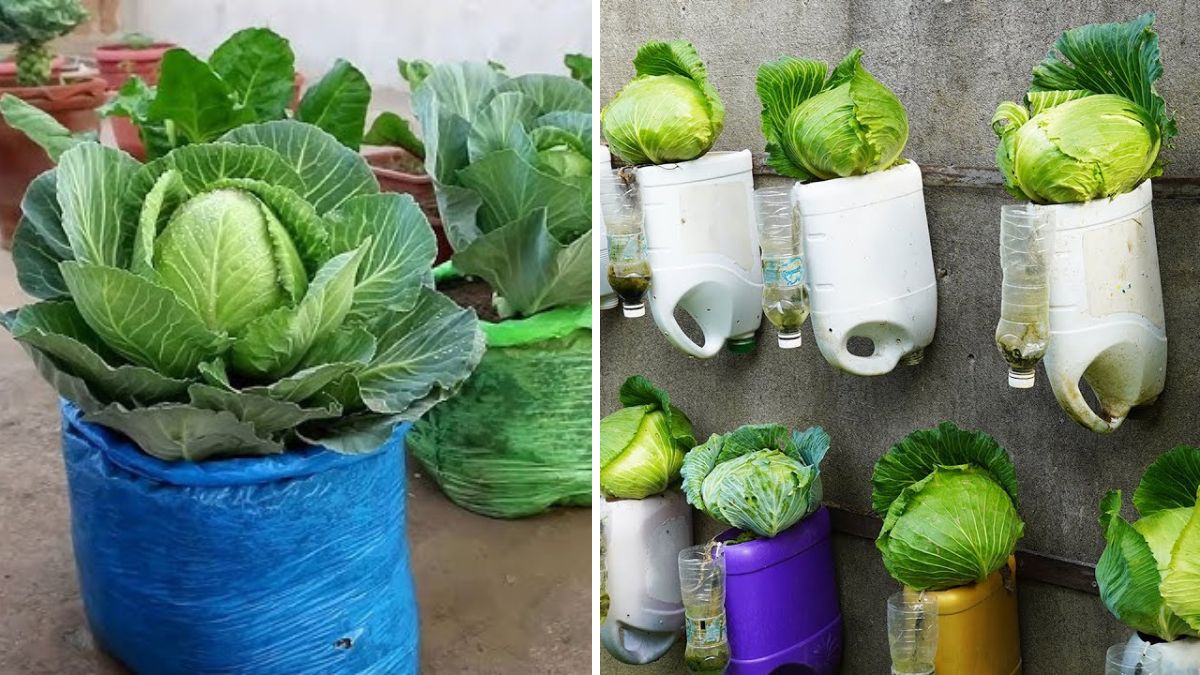
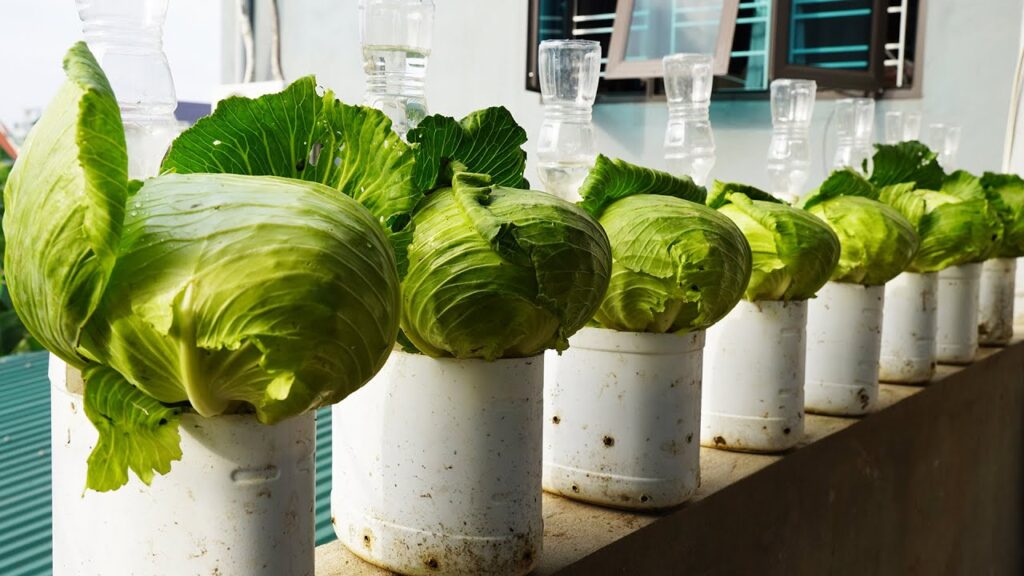
Cabbage is a nutritious, versatile, and relatively easy vegetable to grow at home. Whether you enjoy it in salads, soups, or stir-fries, homegrown cabbage is fresher, tastier, and healthier than store-bought options. But what if you don’t have a large garden space? Or you want to combine gardening with sustainability? The answer lies in growing cabbage creatively using upcycled containers.
Upcycling—reusing old materials to create something new—not only reduces waste but also provides a cost-effective way to grow vegetables. By repurposing items like buckets, crates, and bottles, you can cultivate cabbage efficiently while supporting eco-friendly practices.
In this guide, we’ll explore how to grow cabbage creatively in upcycled containers, covering everything from choosing containers to planting, care, and harvesting.
Why Grow Cabbage in Upcycled Containers?
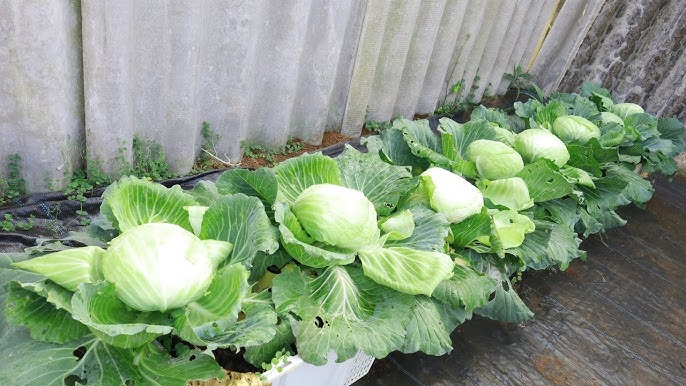
Growing cabbage in upcycled containers offers numerous advantages:
- Saves Space: Ideal for balconies, patios, and small urban homes.
- Cost-Effective: Reduces the need to buy traditional gardening pots.
- Eco-Friendly: Repurposes waste materials, minimizing environmental impact.
- Control Over Soil and Water: Container gardening allows precise control of soil quality, moisture, and nutrients.
- Flexibility: Containers can be moved for optimal sunlight or to protect plants from extreme weather.
By combining container gardening with upcycling, you not only grow healthy vegetables but also contribute to a sustainable lifestyle.
Choosing the Right Upcycled Containers
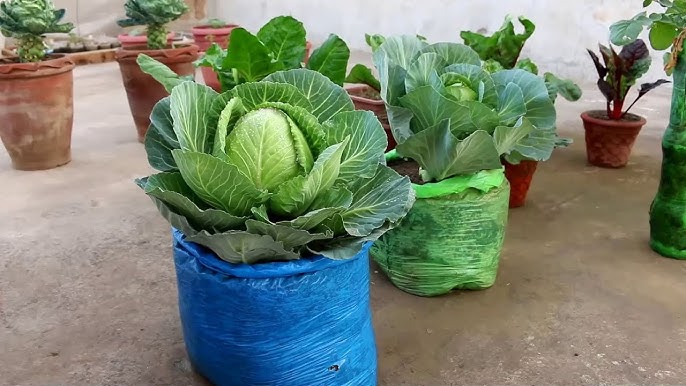
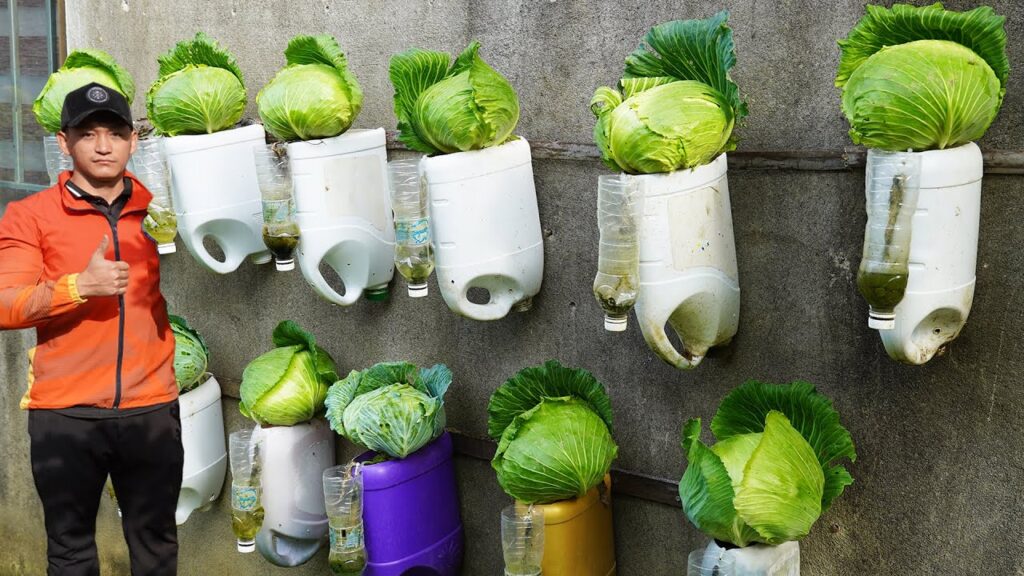
Almost any container with drainage can be repurposed for growing cabbage. Popular options include:
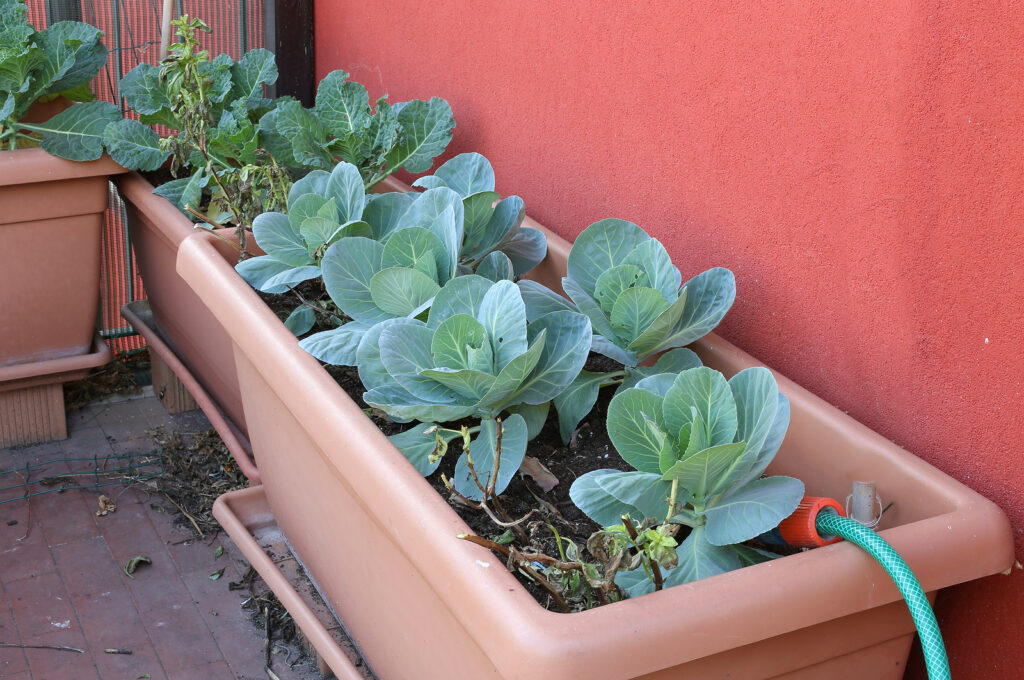
- Buckets and Pails: 5–10 liter containers are perfect for individual plants.
- Crates or Wooden Boxes: Provide ample space for multiple cabbages. Line them with plastic and drill drainage holes.
- Plastic Bottles: Large bottles can be cut and filled with soil for seedlings.
- Old Tubs or Storage Bins: Must have sufficient depth (at least 12–15 inches) for root development.
Important Tips:
- Ensure adequate drainage by drilling holes in the bottom.
- Clean containers thoroughly to remove any chemicals or residues.
- Use containers with sufficient depth, as cabbage has a moderately deep root system.
Selecting the Right Cabbage Variety
Different cabbage varieties may be better suited for container gardening. Consider:
- Green Cabbage: Compact and ideal for smaller spaces.
- Red Cabbage: Attractive foliage, adds color to your garden.
- Savoy Cabbage: Soft-textured leaves and slightly smaller heads.
- Mini or Baby Cabbage Varieties: Perfect for small containers or growing multiple plants in one crate.
Choose varieties based on space, aesthetics, and culinary preferences.
Preparing Soil for Container Cabbage
Cabbage thrives in nutrient-rich, well-draining soil. For upcycled containers:
- Use a mix of garden soil, compost, and well-rotted organic matter.
- Ensure soil is slightly acidic to neutral (pH 6.0–7.0).
- Avoid heavy clay soils that can retain excess water and suffocate roots.
- Adding perlite or coarse sand improves drainage and aeration.
Good soil preparation ensures healthy growth and robust cabbage heads.
Planting Cabbage in Upcycled Containers
Step 1: Sowing Seeds
- Start seeds in small containers or directly in larger upcycled pots.
- Sow 2–3 seeds per hole, about ½ inch deep.
- Cover lightly with soil and water gently.
- Maintain consistent moisture until germination (usually 5–10 days).
Step 2: Transplanting Seedlings
- When seedlings develop 3–4 true leaves, they are ready for transplanting.
- Space cabbage plants about 12–18 inches apart to allow head formation.
- Dig a small hole in the container soil and place the seedling carefully, covering the roots fully.
- Water thoroughly after transplanting.
Sunlight and Watering Requirements
Cabbage requires full sunlight to thrive:
- Ensure at least 4–6 hours of direct sunlight daily.
- In hot climates, provide partial shade during peak afternoon hours to prevent leaf scorching.
Watering Tips:
- Keep the soil consistently moist but avoid waterlogging.
- Water at the base of the plant to prevent fungal diseases on leaves.
- Mulch around plants with straw, leaves, or organic material to retain moisture and regulate temperature.
Fertilization and Nutrient Management
Cabbage is a heavy feeder, so nutrients are critical for growth:
- Use balanced organic fertilizers or compost every 2–3 weeks.
- Nitrogen-rich fertilizers encourage leaf growth, while potassium and phosphorus support head formation.
- Liquid fertilizers or compost tea can provide quick nutrient boosts for container-grown cabbage.
Proper feeding ensures vigorous growth and healthy, dense heads.
Pest and Disease Management
Even in containers, cabbage can be susceptible to pests and diseases:
- Common Pests: Aphids, cabbage worms, and flea beetles.
- Spray with neem oil or use insecticidal soap.
- Hand-pick larger pests like caterpillars.
- Diseases: Downy mildew and clubroot.
- Ensure good air circulation between plants.
- Avoid overwatering and remove infected leaves promptly.
- Preventive Measures: Rotate crops and sanitize containers before replanting.
Harvesting Cabbage
Cabbage is ready to harvest when the heads are firm and dense:
- Press gently on the head; it should feel solid.
- Cut the head from the base using a sharp knife, leaving the outer leaves and roots intact if you plan to grow a second crop (some varieties may produce secondary heads).
- For continuous harvest, plant staggered batches in multiple containers.
Creative Ideas for Upcycled Container Cabbage Gardening
- Stacked Crates: Stack crates vertically to save space and grow multiple layers of cabbage.
- Hanging Planters: Use strong buckets or tubs as hanging containers for smaller cabbage varieties.
- Bottle Gardens: Large cut bottles can serve as mini-cabbage nurseries for seedlings.
- Recycled Tubs: Old bathtubs or storage bins make excellent community or balcony gardens for several cabbage plants at once.
These creative approaches make gardening fun, visually appealing, and eco-friendly.
Benefits of Upcycled Container Cabbage Gardening
- Sustainability: Reduces waste by repurposing containers.
- Urban Gardening: Perfect for city dwellers with limited space.
- Cost-Effective: Lowers expenses on pots and gardening materials.
- Improved Yield: Controlled environment allows optimal soil, water, and nutrient management.
- Educational: Teaches sustainable gardening practices to children and communities.
Conclusion
Growing cabbage creatively in upcycled containers is a sustainable, rewarding, and space-efficient way to cultivate this nutritious vegetable. By selecting suitable containers, preparing nutrient-rich soil, providing adequate sunlight and water, and practicing regular care, you can enjoy fresh, homegrown cabbage even in small urban spaces.
Upcycled container gardening combines practicality with environmental consciousness, allowing gardeners to reduce waste while producing healthy, flavorful vegetables. Whether you’re a beginner or an experienced gardener, growing cabbage in creative, repurposed containers offers a perfect opportunity to practice sustainability, save money, and enjoy the satisfaction of harvesting your own food.
With patience, consistent care, and a little creativity, your container-grown cabbage garden can flourish, providing lush, vibrant heads of cabbage that are as rewarding to grow as they are delicious to eat.