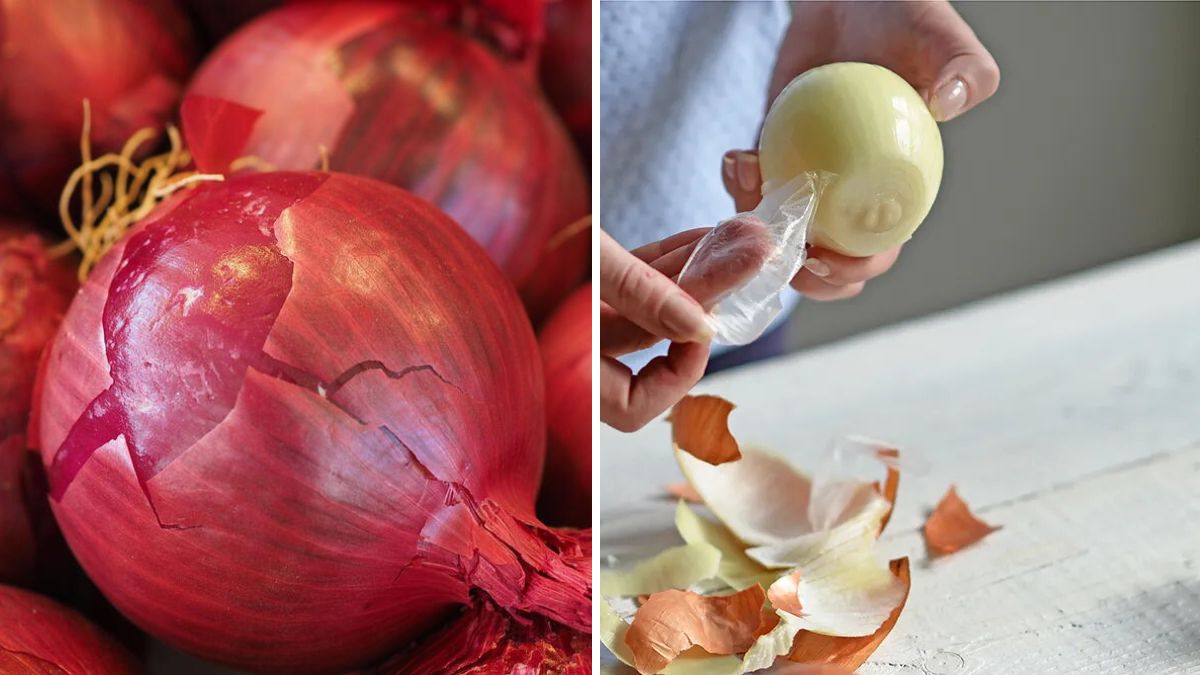
Onions are one of the most commonly used ingredients in kitchens around the world. But while their layers add incredible flavor to countless dishes, the dry papery skins usually end up in the trash. What many people don’t know is that these onion skins hold surprising benefits — especially for gardeners, plant lovers, and even for general home use.
Before you throw away those onion peels again, you’ll want to read this guide. These skins can improve soil fertility, repel pests, boost plant growth, and even provide nutrients for human health. With a little creativity, onion skins can become one of the most valuable “waste” materials in your home.
1. Why Onion Skins Should Never Be Considered Waste
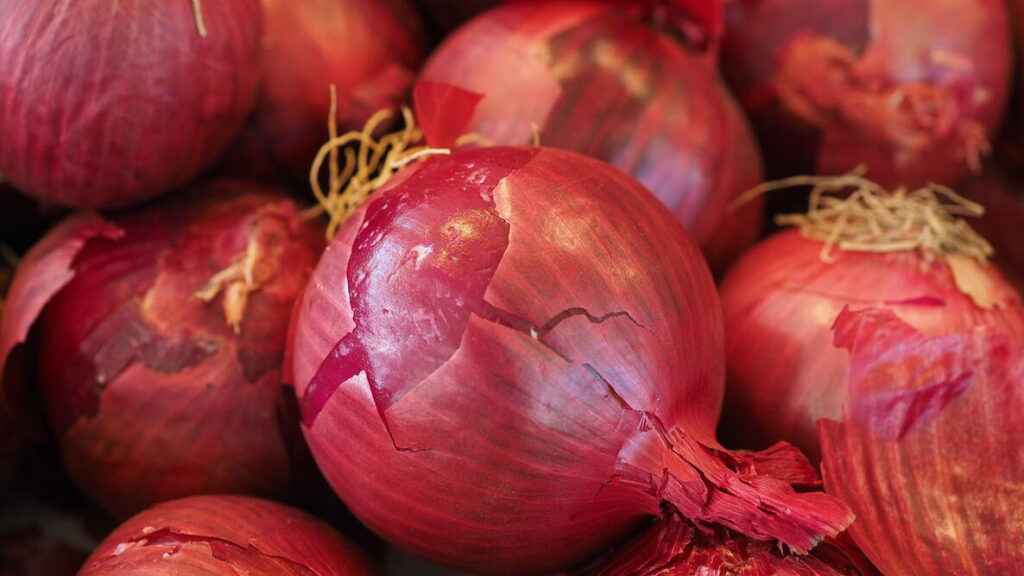
Onion skins may appear thin and lightweight, but they are packed with powerful natural compounds such as:
- Quercetin: A strong antioxidant
- Vitamin C and E: For better plant and human health
- Antibacterial and antifungal compounds
- Minerals: Magnesium, iron, potassium, calcium, sulfur
These nutrients make onion skins incredibly valuable not just for gardening but for home remedies and sustainable household practices.
2. Onion Skin as a Powerful Organic Fertilizer
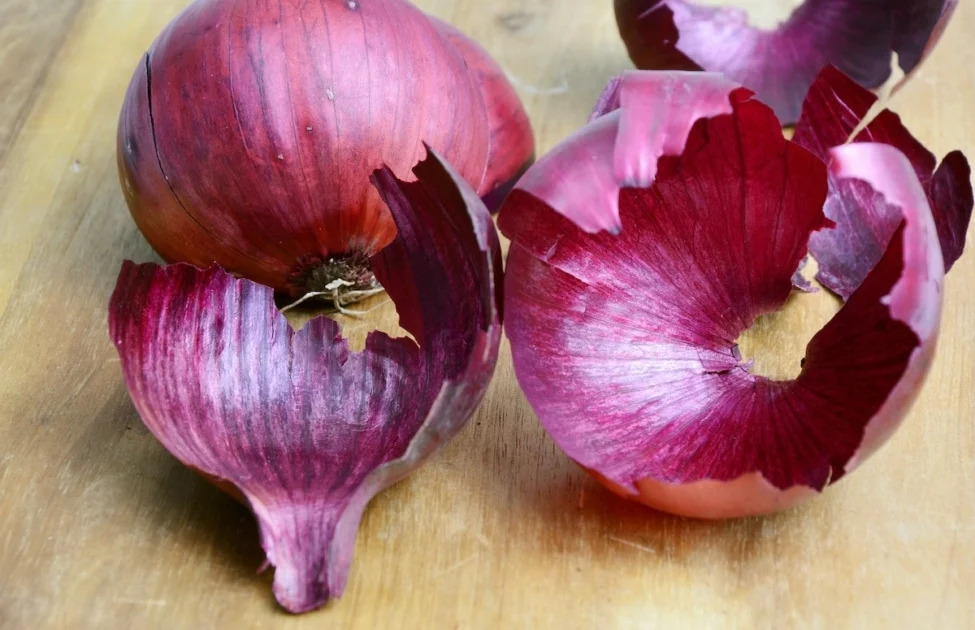
Gardeners worldwide are beginning to use onion peels as a natural nutrient source. They break down easily and enrich the soil with minerals that support healthy plant growth.
A. Onion Skin Tea (Liquid Fertilizer)
This is one of the easiest and most effective ways to use onion skins.
How to Prepare:
- Take a handful of dry onion skins.
- Add them to 1 liter of warm water.
- Let them soak for 24–48 hours.
- The water will turn orange-brown — this is your plant booster!
- Strain and use to water plants once every 10–14 days.
Why It Works:
- Promotes strong root development
- Boosts plant immunity
- Increases flower and fruit production
- Helps recover stressed or yellowing plants
This fertilizer is safe for vegetables, flowering plants, leafy greens, indoor plants, and herbs.
3. Boosting Compost With Onion Skins
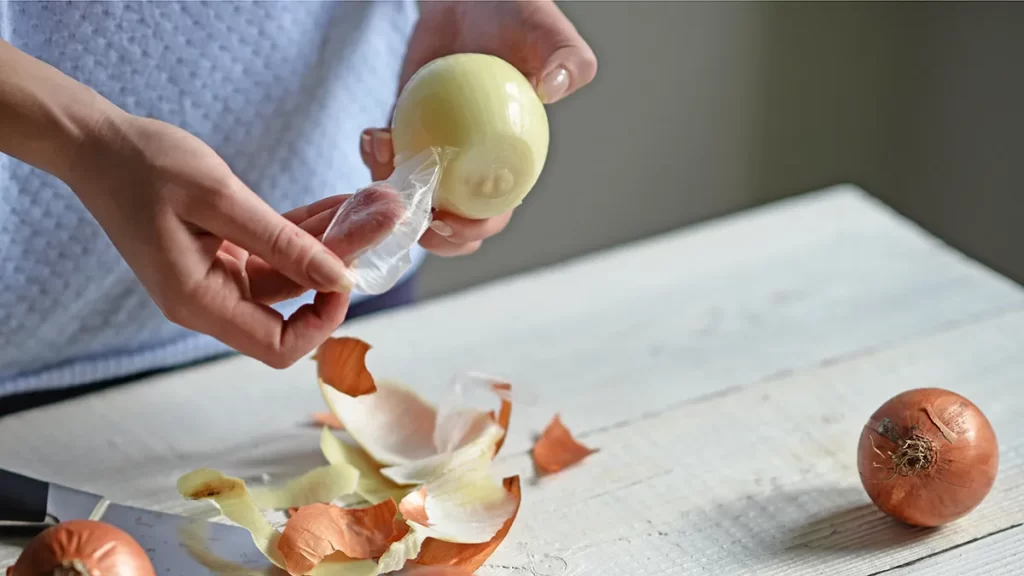
Onion skins decompose easily and make an excellent addition to compost bins. They provide carbon-rich “brown material,” which balances the nitrogen from kitchen scraps.
Benefits of adding onion skins to compost:
- Speeds up composting
- Adds essential minerals
- Reduces kitchen waste
- Improves soil structure
Just mix them into your compost pile — no need to chop or soak. If you notice worms avoiding fresh onion skins, don’t worry; once composted, they break down perfectly and become nutrient-rich humus.
4. Onion Skins as a Natural Pest Repellent
Here’s a secret many gardeners don’t know:
Pests dislike the strong sulfur compounds in onion skins.
Ways to Use Them for Pest Control:
A. Sprinkle Dry Skins Around Plants
Ideal for:
- Tomatoes
- Peppers
- Eggplants
- Greens
This helps repel aphids, caterpillars, and beetles.
B. Onion Peel Spray
Boil a handful of skins in water for 10 minutes, cool, strain, and spray this natural pest repellent on leaves.
It helps against:
- Aphids
- Thrips
- Mites
- Leaf miners
This is safer than chemical pesticides and also provides nutrients.
5. Use Onion Skins as Mulch
Mulching is essential for:
- Preventing weeds
- Retaining moisture
- Protecting soil from heat
Onion skins make a surprisingly effective lightweight mulch for potted plants and garden beds.
How to Use:
- Spread a thin layer around the base of plants.
- Avoid thick layers (they can fly away easily).
- Cover with heavier mulch if needed.
They slowly break down and enrich the soil.
6. Onion Skins as Seed Germination Boosters
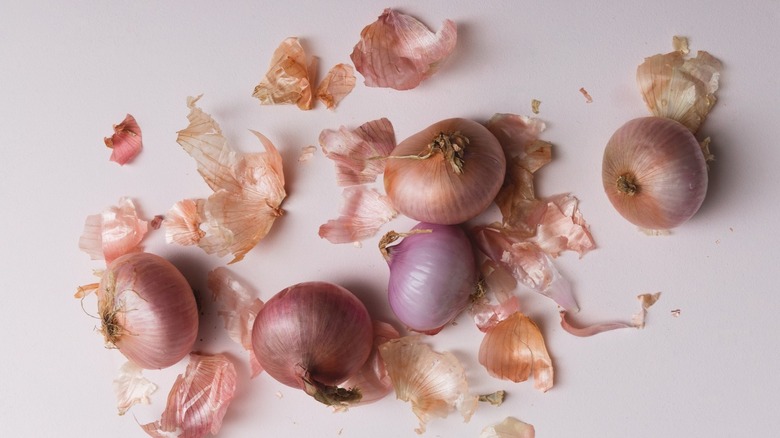
Soaking seeds in onion peel tea before planting can significantly improve germination.
Why It Works:
- Quercetin enhances enzyme activity
- Antibacterial compounds protect seeds
- Minerals support early root growth
How to Prepare:
- Soak seeds (tomato, pepper, brinjal, cucumber, beans) in onion peel tea for 2–3 hours.
- Dry slightly and plant as usual.
You’ll notice faster sprouting and stronger seedlings.
7. Onion Skins for Indoor Plants
If you love indoor plants like pothos, snake plants, money plants, or peace lilies, onion skins can boost their growth too.
Best Uses Indoors:
- Add thinly crushed skins to potting mix
- Use diluted onion peel tea as fertilizer
- Sprinkle around soil surface to deter pests (like fungus gnats)
Indoor plants respond very well to the micro-nutrients in onion skins.
8. Onion Skin Dye for Cloth and Craft Projects
Onion skins have been used for centuries as natural dye.
Colors You Can Achieve:
- Golden yellow
- Orange
- Warm brown
Great For:
- DIY fabric dyeing
- Easter eggs
- Handmade paper crafting
- Art projects
Boil skins in water for 30 minutes and soak fabric for a bright natural color.
9. Health and Home Uses of Onion Skins
A. Antioxidant-Rich Tea (For Humans)
Not only plants benefit — humans can too.
Onion skin tea:
- Boosts immunity
- Reduces inflammation
- Supports heart health
- Contains anti-aging antioxidants
How to Make:
- Boil clean onion skins for 10 minutes
- Strain and drink warm (mild taste)
Note: Use only organic onions to avoid pesticide residues.
10. Onion Skins for Cleaning and Polishing
Surprising but true: onion skins contain natural enzymes that can help clean and freshen surfaces.
Try Using Them For:
- Polishing glass
- Removing stains
- Natural deodorizing
Rubbing a cut onion or its skins on surfaces (followed by a rinse) can reduce microbes and odors.
11. Strengthening Tomato and Pepper Plants with Onion Skins
Tomato and pepper plants are heavy feeders and often struggle with fungal issues or nutrient deficiencies.
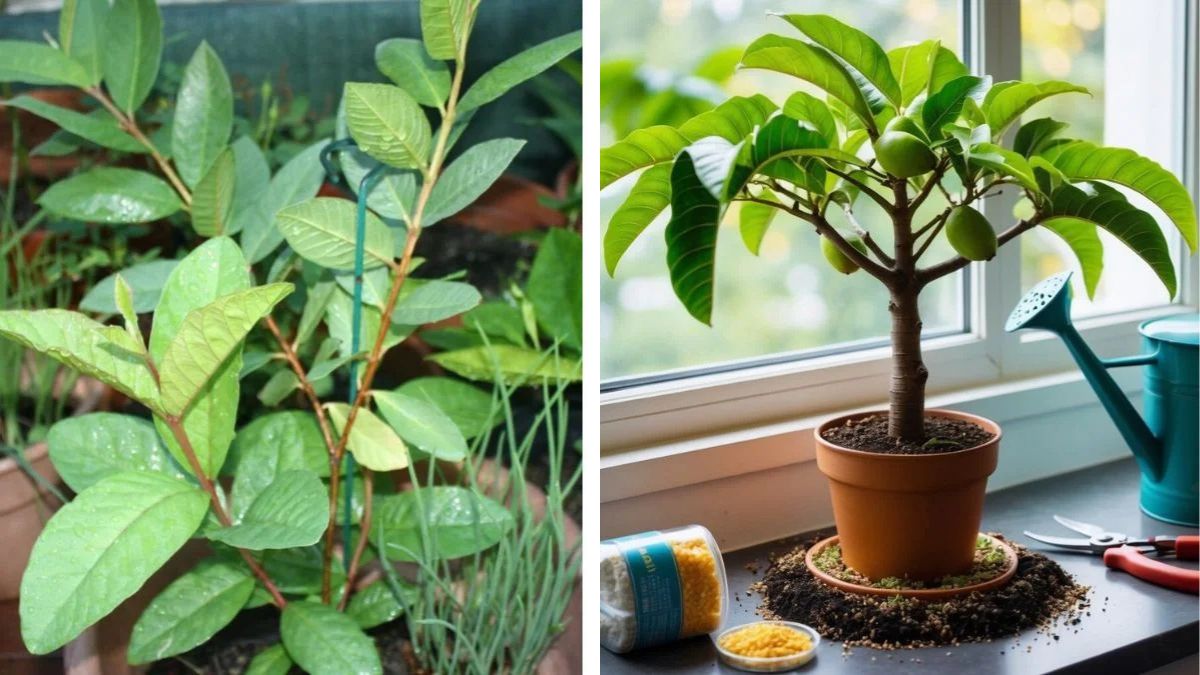
Adding onion skins helps by:
- Providing potassium for fruiting
- Preventing fungal diseases
- Improving soil health
- Boosting overall plant strength
Mix a handful into the soil when preparing beds or pots.
12. Can You Use Onion Skins in Hydroponics?
Yes – onion peel tea works in hydroponic systems too.
Just remember:
- Dilute heavily (1:10 ratio)
- Filter well to avoid clogging
- Use once every 2 weeks
It provides extra micronutrients for leafy greens and herbs.
13. How to Store Onion Skins for Future Use
Instead of tossing them immediately, store them for your garden or home.
Best Storage Methods:
- Keep in an airtight jar
- Dry completely before storing
- Alternatively, keep in a cloth bag hung in kitchen
- You can grind them into powder for easy mixing in soil
This way, you always have them ready for fertilizer, spray, or compost.
14. Plants That Love Onion Skin Fertilizer
Almost all plants benefit, but some respond especially well:
- Tomatoes
- Peppers
- Brinjals
- Cucumbers
- Beans
- Greens (spinach, amaranth, lettuce)
- Herbs (basil, mint, coriander)
- Flowering plants: roses, hibiscus, marigold
Onion skin water provides the trace minerals these plants need for vibrant growth.
15. Plants That Don’t Prefer Onion Skins
A few plants may not like onion-related compounds:
- Peas
- Asparagus
- Certain alliums (when overused)
Use lightly or avoid direct mixing for these.
Conclusion: Turn Onion Skins Into Garden Gold
What once seemed like waste is actually a natural powerhouse. Onion skins can transform your garden, improve soil health, protect plants, and even be used for home remedies and crafts.
By reusing onion skins, you:
✔ Reduce kitchen waste
✔ Save money on fertilizers and pesticides
✔ Create a greener, healthier garden
✔ Use a natural, chemical-free resource
From fertilizer tea to pest repellent, mulching, composting, dyes, and medicinal uses — onion skins deserve a special place in every home.