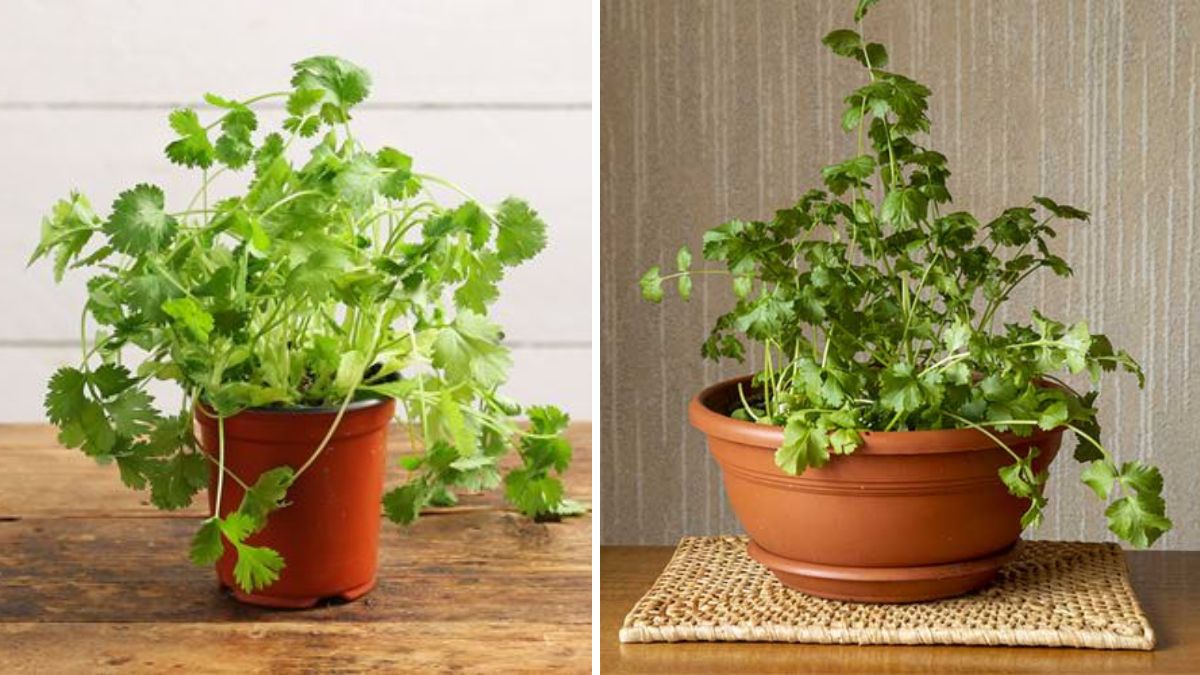
Coriander—also known as cilantro or dhania—is one of the most loved herbs in kitchens worldwide. Its refreshing aroma, delicate leaves, and bright flavor make it a staple for curries, chutneys, soups, salads, and garnishes. Yet, many home gardeners struggle with one common issue: coriander bolts too fast! In hot or crowded conditions, coriander tends to flower and stop producing leaves.
But what if there was a perfect solution that allows you to grow lots of coriander in a small space, keeps the plants cool, and ensures continuous harvest? Enter the Coriander Tower—a smart, vertical gardening method that maximizes space, promotes air circulation, preserves moisture, and allows you to harvest fresh coriander for weeks.
In this detailed 1200-word guide, you’ll discover how to build your own coriander tower at home and how to care for it to achieve lush, aromatic leaves all season long.
1. What Is a Coriander Tower?
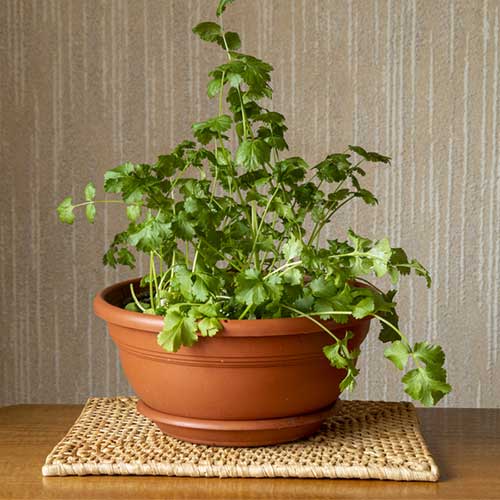
A coriander tower is a vertical growing system made from stacked containers or a single tall structure with multiple planting holes. Think of it like a strawberry tower—but specially designed for leafy herbs. It allows you to plant coriander in several layers, making the most of vertical space while keeping the soil cooler and moist.
Why a Coriander Tower Works Better Than Regular Pots:
- Prevents overcrowding
- Keeps roots cool, reducing early bolting
- Ensures proper drainage
- Allows continuous sowing in layers
- Saves space and fits balconies, terraces, and small gardens
- Easier to harvest
- Looks attractive and innovative
If you’re looking to grow coriander at home with higher yields, this vertical method is a game changer.
2. Materials You Need to Build a Coriander Tower
You don’t need expensive tools. Most of the materials can be reused from household items.
Basic Materials:
- A tall plastic pipe (PVC), bucket, or several stackable pots
- A drill or heated rod for making holes
- High-quality potting mix
- Coriander seeds (preferably split seeds for faster germination)
- A tray or plate to collect excess water
- Coco peat or mulch for moisture retention
You can build a coriander tower in many ways—using a PVC pipe, vertical grow bag, or stacked buckets. All these methods work beautifully as long as you provide adequate soil depth and moisture.
3. Preparing the Perfect Potting Mix
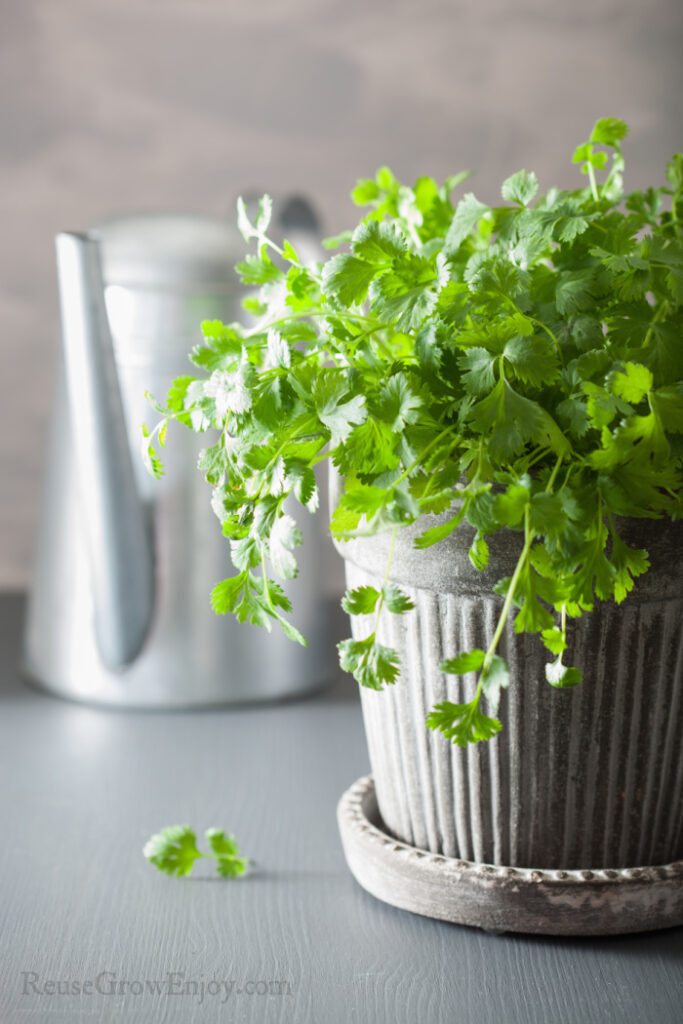
Coriander needs light, well-draining yet moisture-retentive soil. A fluffy mix ensures that the seeds germinate well and roots spread easily.
Ideal Soil Combination:
- 40% garden soil
- 30% compost (cow dung compost/vermicompost)
- 20% coco peat
- 10% sand or perlite
Optional Additions:
- Neem cake powder (to prevent pests in the soil)
- Bone meal (slow-release nutrients)
Mix thoroughly until the texture becomes loose and airy. A good growing medium is the backbone of a successful coriander tower.
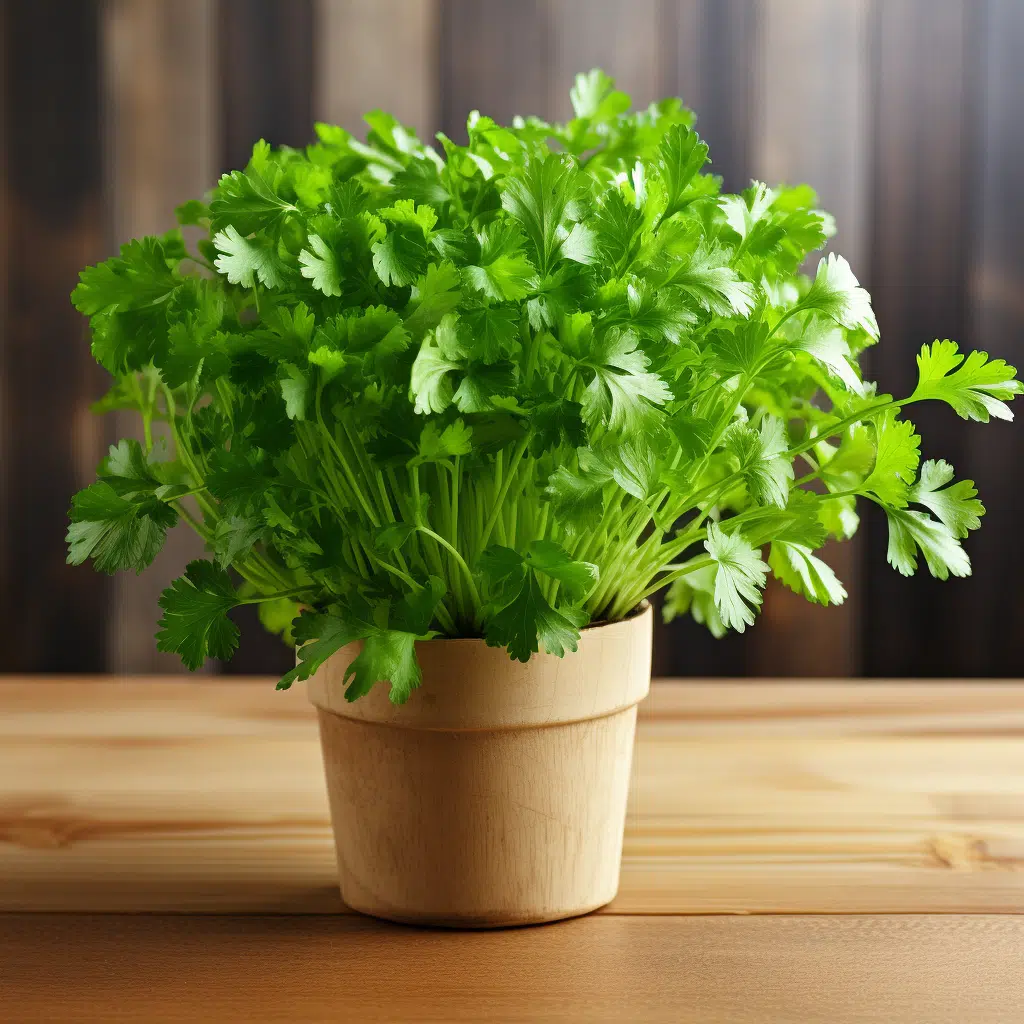
4. Prepare the Seeds Properly
Coriander seeds have a hard outer shell. To boost germination:
✔ Crush the seeds gently
Split them into halves without turning them into powder.
✔ Soak for 8–12 hours
Soaking helps the seeds absorb moisture and sprout faster.
✔ Dry slightly before sowing
Semi-dry seeds avoid fungal issues.
This small step can double your germination rate!
5. Assembling the Coriander Tower
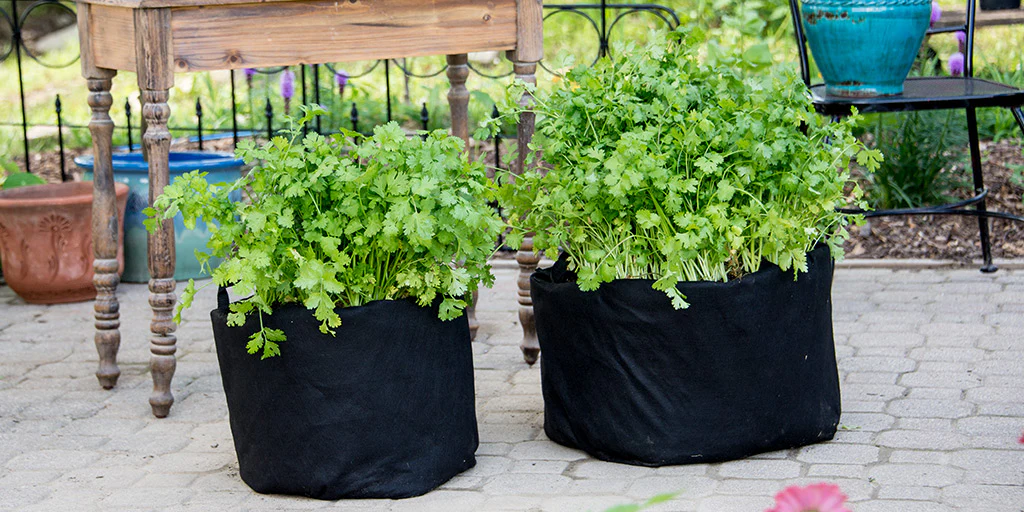
There are several ways to assemble a tower. Here’s the most effective method using a tall PVC pipe or bucket stack:
A. Using a PVC Pipe (The Most Popular Method)
- Take a pipe around 3–4 feet tall.
- Drill multiple holes (2–3 inches wide) in spiral or vertical rows.
- Place a small mesh or stones at the bottom for drainage.
- Fill the pipe with your potting mix.
- Sow seeds around each hole.
B. Using Stacked Buckets or Pots
- Take pots of decreasing size.
- Stack them one on top of another.
- Fill each with soil.
- Sow seeds along the edges.
C. Using a Vertical Grow Bag
- Fill the grow bag with potting mix.
- Use the side pockets to sow seeds.
- Plant top layer as well.
Regardless of the design, the goal is the same: maximize growing surface while keeping the structure airy and productive.
6. Sowing the Seeds Correctly
Coriander seeds should be sown properly to ensure dense but manageable growth.
How to Sow:
- Sow seeds shallow (1–1.5 cm deep).
- Place seeds around every hole or pocket.
- For the top surface, scatter seeds evenly.
- Do not overcrowd—thin them after germination.
After Sowing:
- Sprinkle water gently with a sprayer.
- Keep the tower in a semi-shaded area until germination.
- Cover with a breathable cloth for moisture retention (optional).
Within 7–12 days, beautiful green shoots start emerging.
7. Watering the Coriander Tower
Vertical gardening structures dry faster than ground beds, so watering needs special attention.
Watering Tips:
- Water from the top—gravity distributes moisture downward.
- For PVC towers, you can also insert a perforated bottle inside for even watering.
- Keep soil consistently moist, not soggy.
- Morning watering is best.
Signs of Overwatering:
- Yellowing leaves
- Foul smell
- Mold on soil
Signs of Underwatering:
- Curling leaves
- Dry stems
- Late or uneven germination
Maintain moisture to keep coriander fresh and lush.
8. Provide Adequate Sunlight
Coriander enjoys bright light but gets stressed under intense heat.
Best Light Conditions:
- 3–4 hours of mild morning sunlight
- Partial shade during strong afternoon heat
- Avoid harsh mid-day sun, especially during summer
If kept indoors, place it near a bright window.
9. Feeding the Coriander Tower
Coriander is a fast-growing herb but needs regular nutrients to stay green.
Best Organic Fertilizers:
- Diluted cow dung liquid
- Seaweed extract
- Vermicompost tea
- Homemade compost water
- Mustard cake fertilizer (very effective for leafy herbs)
Apply liquid fertilizer every 10–12 days for best results.
10. Pruning and Harvesting for Continuous Growth
Your coriander tower can produce leaves for weeks—if harvested correctly.
How to Harvest:
- Harvest when leaves are 4–6 inches tall.
- Cut outer leaves first.
- Leave the center growing point intact.
- Do not uproot the plant entirely unless re-sowing.
To Extend Lifespan:
- Keep removing flower buds (bolting).
- Provide shade during heat waves.
- Keep the soil moist and cool.
11. Prevent Pests Naturally
Coriander is usually pest-resistant, but sometimes:
Common Pests:
- Aphids
- Leaf miners
- Fungal gnats
Natural Solutions:
- Neem oil spray
- Soap water mist
- Garlic-chili spray
- Avoid overwatering to prevent fungus
Spray only in the evening.
12. Re-Sowing for a Continuous Supply
Coriander matures quickly—within 25–35 days. To enjoy nonstop harvest:
- Sow a new batch every 2–3 weeks.
- Use different levels of the tower for staggered planting.
- Rotate pockets for fresh crops.
This method guarantees fresh coriander throughout the year!
Final Thoughts
A Coriander Tower is a brilliant home gardening technique that transforms a simple herb into a high-yield vertical crop. Even with limited space, you can enjoy a supply of fresh, fragrant coriander by growing vertically. It’s attractive, practical, and incredibly rewarding.
With the right soil mix, proper watering, and timely pruning, your coriander tower will flourish—giving you lush leaves for all your culinary needs. Whether you live in an apartment or have a large garden, this technique is perfect for maximizing productivity in style.