Raised beds have become a favorite method among home gardeners, especially those who want to grow healthier crops with less effort. A well-built raised bed transforms your gardening experience, giving you excellent soil control, improved drainage, fewer weeds, and easier access. Whether you have a spacious backyard or a small terrace, a raised bed can dramatically increase your harvest.
This 1200-word guide walks you through everything you need to know about creating a raised bed—from planning and building to filling, planting, and maintaining it for maximum productivity.
1. What Is a Raised Bed and Why Should You Build One?
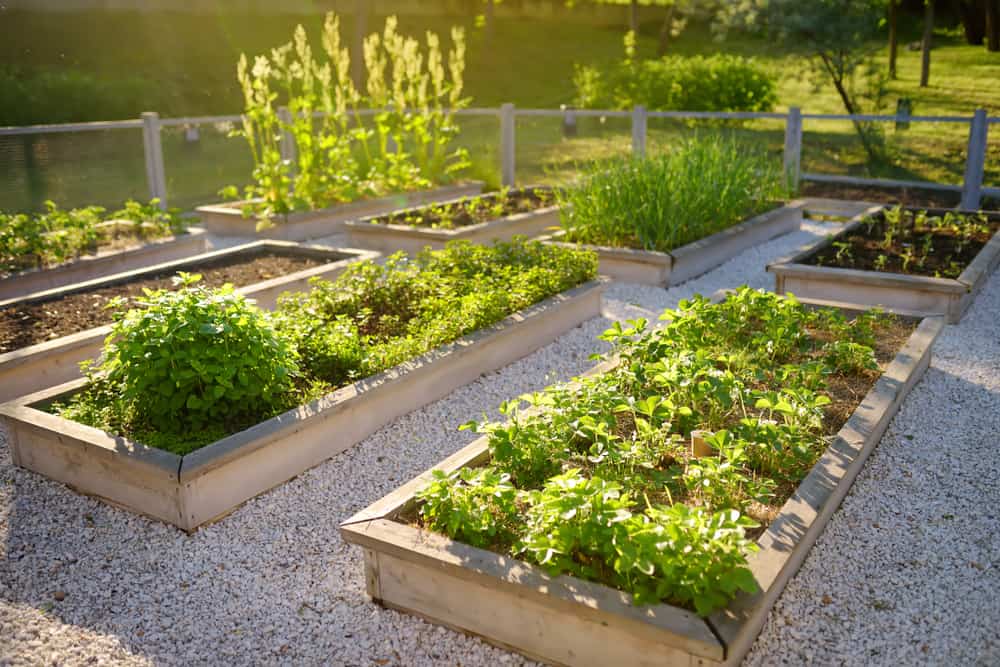
A raised bed is simply a garden bed that is elevated above ground level, supported by wood, bricks, concrete blocks, or metal frames, and filled with high-quality soil. Instead of relying on compact or poor ground soil, raised beds allow gardeners to create the perfect growing environment.
Benefits of Raised Beds
- Better soil control: You can customize soil quality for different crops.
- Improved drainage: Prevents waterlogging and root rot.
- Faster warming soil: Helps seeds germinate earlier in the season.
- Fewer weeds: Less competition for nutrients.
- Easier to maintain: Perfect for people with back pain or limited mobility.
- Higher yields: Healthier roots = healthier plants.
Raised beds are ideal for vegetables, herbs, flowers, and even small fruit trees.
2. Choosing the Perfect Location
Location plays a crucial role in the success of your raised bed.
What to Look For
✔ Sunlight: Most vegetables need 6–8 hours of direct sunlight daily.
✔ Access to water: Ensure it’s close to a water source for easy irrigation.
✔ Level ground: Flat areas make construction easier.
✔ Good airflow: Helps prevent fungal diseases.
Avoid placing raised beds under large trees because roots may compete for nutrients.

3. Selecting the Best Materials for Your Raised Bed
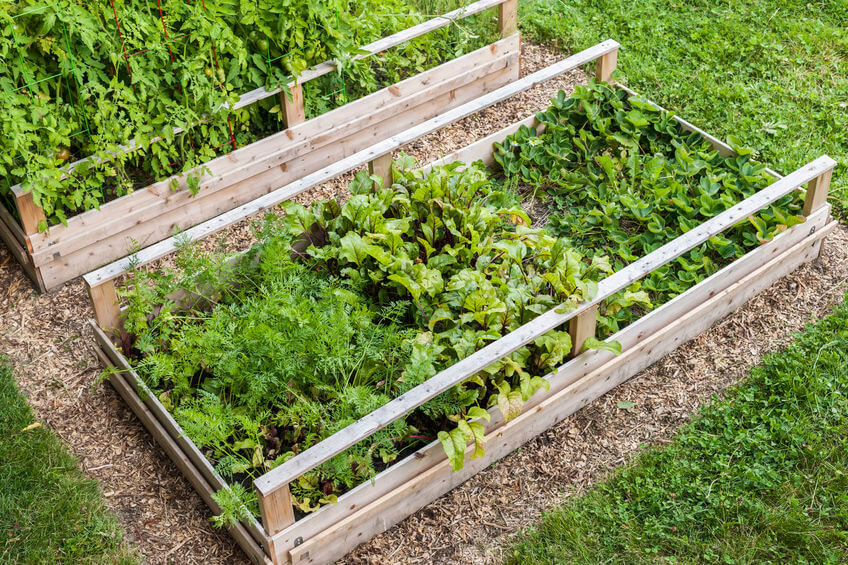
Raised beds can be built from various materials depending on budget, availability, and aesthetics.
Common Materials
1. Wood (Most Popular)
- Cedar, teak, or acacia wood lasts long.
- Pine is budget-friendly but may decay faster.
2. Bricks or Cement Blocks
- Durable and permanent
- Great for hot climates
- Looks neat and attractive
3. Metal (Galvanized Steel)
- Long-lasting
- Modern and stylish appearance
- Doesn’t rot or attract pests
4. Recycled Materials
- Old bathtubs
- Plastic crates
- Reused wooden pallets
- Large barrels cut in half
Choose materials that are sturdy, safe, and resist rot.
4. Ideal Dimensions for a Raised Bed
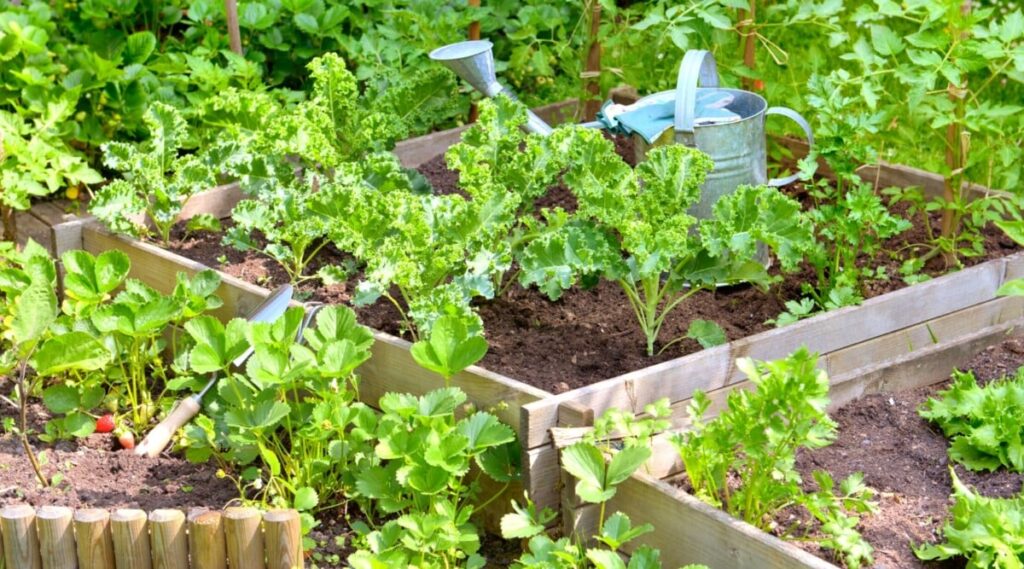
To ensure easy access and proper root development, follow these recommended sizes:
Dimensions
- Width: 3–4 feet (so you can reach the center without stepping inside)
- Length: 6–12 feet (depending on available space)
- Height: 10–24 inches (deep-rooted plants need deeper beds)
Why Not Step Inside the Bed?
Stepping on soil compacts it and restricts root growth.
The width ensures you can reach everything comfortably.
5. How to Build a Simple Raised Bed (Step-by-Step)
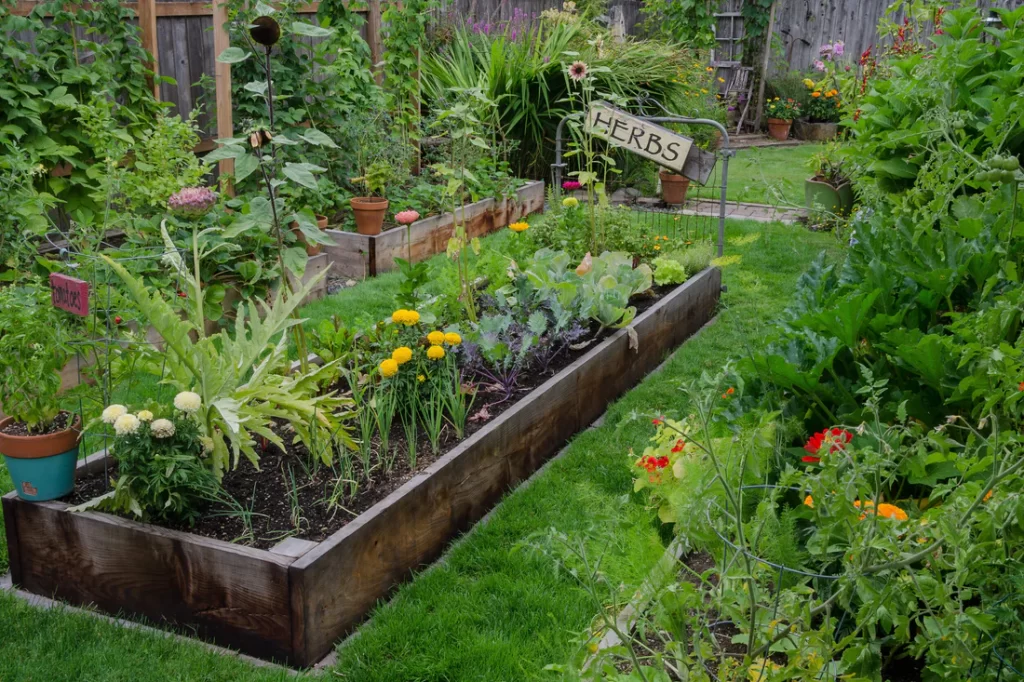
Building a raised bed is easier than you think.
✔ Step 1: Mark the Area
Use chalk, tape, or rope to outline the bed size.
✔ Step 2: Level the Ground
Remove weeds, stones, or debris.
Optionally lay a weed barrier or newspaper at the bottom.
✔ Step 3: Assemble the Frame
Create a rectangular frame using wood, bricks, or metal.
Ensure corners are secured tightly with screws or joints.
✔ Step 4: Check Stability
Press down gently or push the sides to ensure the frame is firm.
✔ Step 5: Fill With Soil
Once your structure is solid, it’s time to add the perfect soil mix.
6. Preparing the Perfect Soil Mix
The soil inside a raised bed is the key to healthy plants and high yields.
Best All-Purpose Raised Bed Mix
- 40% garden soil
- 30% compost (cow dung, vermicompost)
- 20% coco peat or peat moss
- 10% sand or perlite
Optional Additions
- Neem cake powder (natural pest control)
- Bone meal (phosphorus for roots)
- Brick powder for good drainage
- Charcoal pieces for soil structure
Mix the ingredients thoroughly before filling the bed.
7. Layering Method for Raised Beds
A layering approach provides nutrients and improves soil structure.
Recommended Layers (From Bottom to Top)
- Large sticks/branches – improves drainage
- Dry leaves or straw – adds organic matter
- Kitchen compost or manure – nutrient layer
- Topsoil mix – main planting medium
This method not only enriches the soil but also keeps the bed light, airy, and fertile.

8. Planting in the Raised Bed
Raised beds allow you to grow many types of crops in a small space.
Great Plants for Raised Beds
- Tomatoes
- Peppers
- Cucumbers
- Carrots
- Radishes
- Lettuce and spinach
- Herbs (cilantro, basil, mint)
- Beans and peas
- Beetroot
- Onions and garlic
Planting Tips
- Follow proper spacing to prevent overcrowding.
- Combine tall plants with shorter ones for maximum use of space.
- Pair crops that benefit each other (companion planting).
For example:
- Tomatoes + Basil
- Carrots + Onions
- Cucumbers + Beans
Companion planting improves soil health and reduces pests.
9. Watering Your Raised Bed Correctly
Raised beds dry out faster than ground soil, so watering must be controlled.
✔ Watering Rules
- Water deeply but less frequently.
- Use drip irrigation for consistent moisture.
- Mulch the top layer to retain water.
- Water early in the morning for best absorption.
Signs of Underwatering
- Droopy leaves
- Dry, cracked soil
Signs of Overwatering
- Yellow leaves
- Fungus on soil
- Root rot smell
Maintain balanced moisture for healthy growth.
10. Mulching for Moisture and Weed Control
Mulching is one of the most important raised-bed techniques.
Best Mulch Options
- Dry leaves
- Sugarcane bagasse
- Coco peat
- Grass clippings
- Straw
Mulching helps:
- Retain moisture
- Prevent weeds
- Cool the soil
- Keep nutrients locked in
11. Feeding Your Raised Bed
Raised beds are nutrient-hungry because plants grow more densely.
How Often to Feed
Every 2–3 weeks, apply liquid fertilizer or compost.
Best Fertilizers
- Vermicompost tea
- Cow dung liquid
- Seaweed solution
- Compost water
- Mustard cake liquid
Top dress with compost every 45–60 days to maintain soil fertility.
12. Preventing Pests and Diseases
Raised beds naturally experience fewer pests, but they aren’t immune.
Common Problems
- Aphids
- Caterpillars
- Whiteflies
- Fungal infections
Natural Solutions
- Neem oil spray
- Soap water spray
- Garlic-chili spray
- Companion plants like marigold
Good airflow and proper spacing also help prevent disease.
13. Seasonal Care for Raised Beds
Different seasons require different strategies:
🌞 Summer
- Provide shade nets
- Increase mulching
- Water more frequently
❄️ Winter
- Use row covers or plastic tunnels
- Water less often
🌧 Rainy Season
- Ensure proper drainage
- Raise bed height if needed
14. Harvesting Your Crops
Raised beds often produce faster and healthier crops.

✔ Harvesting Tips
- Pick vegetables when they’re ripe but tender.
- Harvest leafy greens regularly to encourage new growth.
- Do not uproot entire plants unless necessary.
Continuous harvesting encourages continuous production.
Final Thoughts
Creating a raised bed is one of the smartest ways to grow crops at home. It allows gardeners to take full control of soil quality, moisture, weeds, and plant health. With a raised bed, you can transform any small space—backyard, terrace, or balcony—into a highly productive food garden.
By selecting the right materials, building a sturdy structure, filling it with nutrient-rich soil, and maintaining it with proper care, your raised bed will reward you with abundant, fresh, and chemical-free harvests all year long.