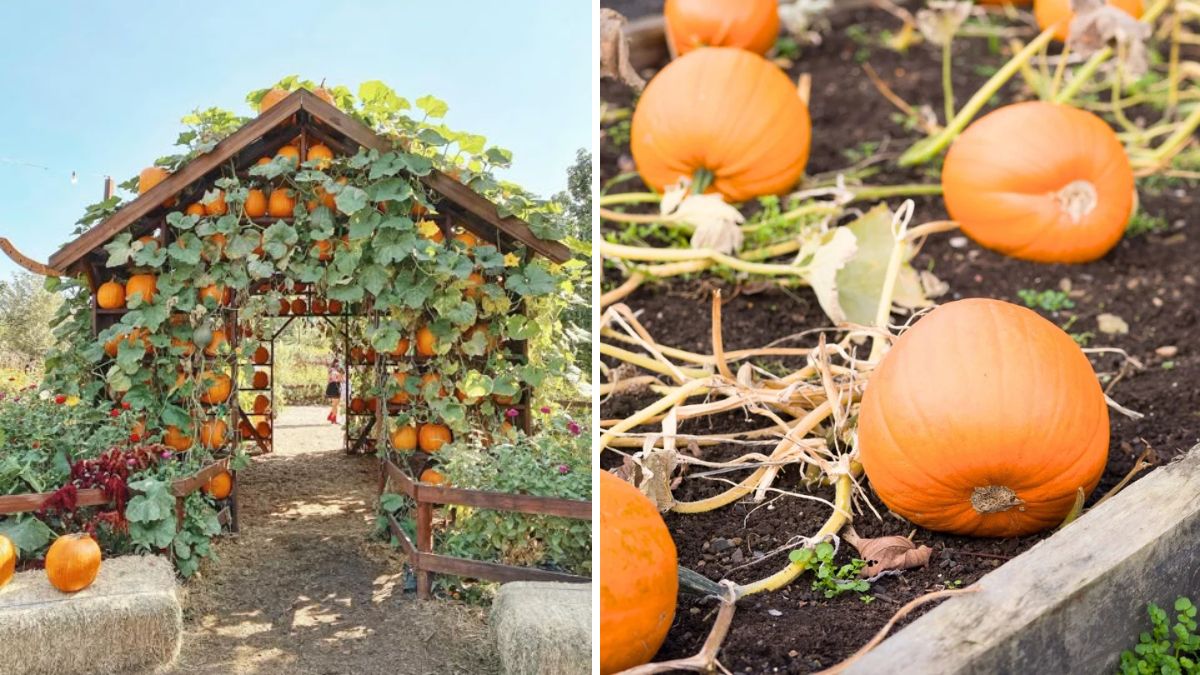
Pumpkins are more than just the star of Halloween—they are nutritious, versatile, and visually striking additions to any garden. Growing pumpkins at home can be a highly rewarding experience, whether you’re aiming for giant pumpkins for contests, small pumpkins for decoration, or a steady supply for cooking. With the right techniques, soil, and care, you can transform your backyard into a thriving pumpkin patch. In this guide, we’ll walk you through everything you need to know about cultivating pumpkins in your own garden.
1. Why Grow Pumpkins at Home?
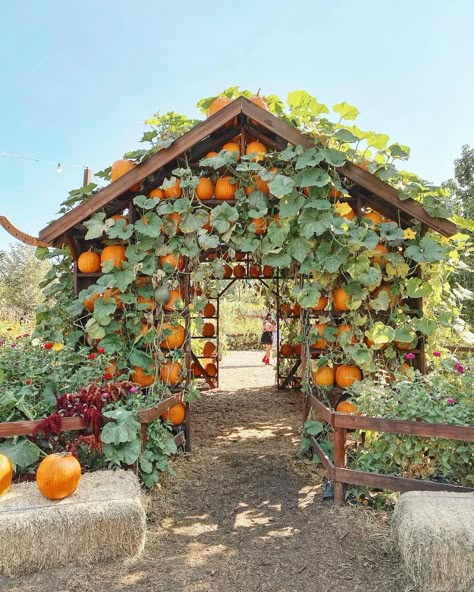
Growing pumpkins at home comes with a range of benefits:
- Fresh and healthy produce: Homegrown pumpkins are free from pesticides and preservatives.
- Cost savings: Avoid buying pumpkins for pies, soups, or decorations.
- Fun and rewarding: Gardening provides a sense of accomplishment and enjoyment.
- Versatility: Use pumpkins in cooking, crafts, or as ornamental pieces.
- Family-friendly: Gardening can be a shared activity for children and adults.
Whether you’re aiming to grow large pumpkins for competition or small ones for seasonal decoration, a home garden allows you to experiment and enjoy the fruits of your labor.
2. Choosing the Right Pumpkin Variety
Pumpkins come in many shapes, sizes, and colors, so selecting the right variety depends on your goals:
- Giant pumpkins: Varieties like ‘Atlantic Giant’ are perfect for contests or large displays.
- Pie pumpkins: ‘Sugar Pie’ and ‘Small Sugar’ varieties are ideal for cooking and baking.
- Mini pumpkins: ‘Jack Be Little’ and ‘Baby Boo’ are decorative and suitable for small gardens.
- Ornamental pumpkins: Varieties with unique colors or textures are great for fall décor.
Understanding the growth habit and space requirements of your chosen variety will help ensure a successful harvest.
3. Preparing Your Pumpkin Garden
Pumpkins are vigorous plants that require ample space, sunlight, and fertile soil:
- Sunlight: Choose a location that receives at least 6–8 hours of direct sunlight per day.
- Soil: Rich, well-draining soil is ideal. Pumpkins thrive in slightly acidic to neutral soil (pH 6.0–7.0).
- Space: Allow plenty of room for vines to spread. Large varieties need 50–100 square feet per plant, while smaller types can be planted closer together.
- Soil enrichment: Mix compost, well-rotted manure, or organic matter into the soil to provide nutrients.
Proper preparation ensures strong root development and vigorous growth.
4. Planting Pumpkins
Step 1: Start Seeds Indoors (Optional)
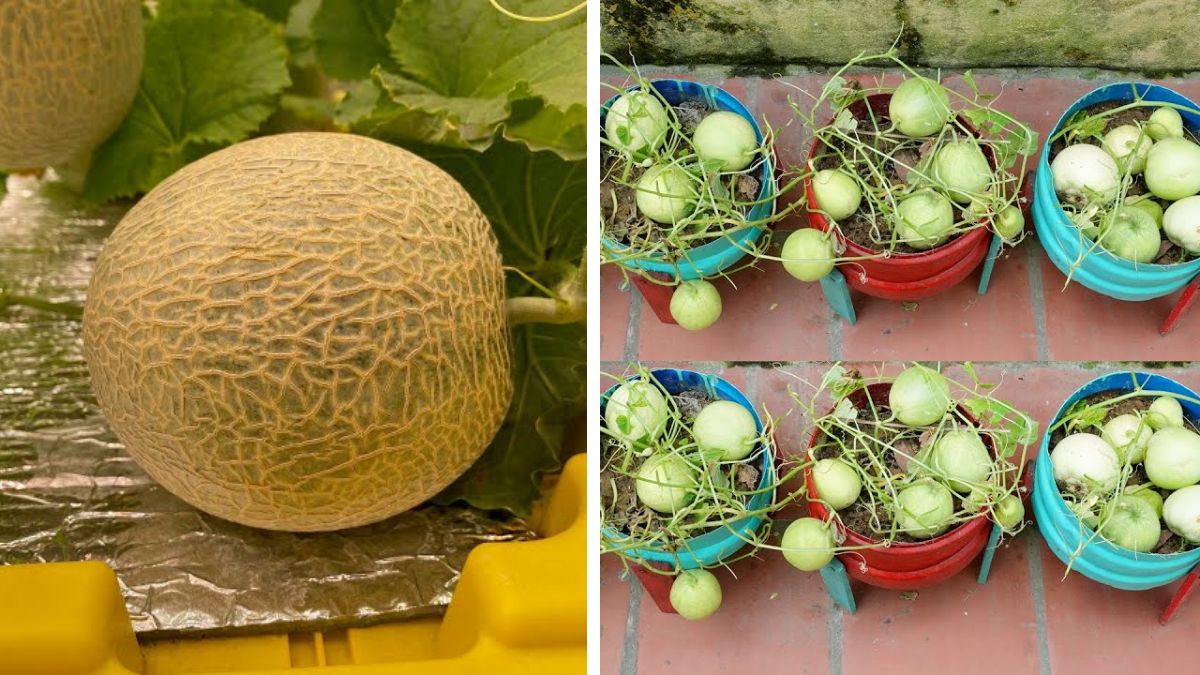
- Sow seeds 3–4 weeks before the last frost in pots or seed trays.
- Keep soil warm (70–85°F) and moist.
- Transplant seedlings outdoors once they have 2–3 true leaves and frost danger has passed.
Step 2: Direct Sowing in Garden
- Plant seeds 1 inch deep in small hills or mounds spaced 4–8 feet apart.
- Plant 3–4 seeds per hill and thin to 1–2 strong seedlings after germination.
Step 3: Container Planting (for Small Spaces)
- Use large containers (15–20 gallons) for dwarf varieties.
- Ensure good drainage and fill with nutrient-rich potting mix.
- Place containers in full sun for optimal growth.
5. Watering and Mulching
Pumpkins require consistent moisture for healthy growth and fruit development:
- Watering: Deep, regular watering encourages strong root systems. Avoid overhead watering, which can promote fungal diseases.
- Mulching: Organic mulch around plants helps retain moisture, control weeds, and regulate soil temperature.
- Tip: Reduce watering slightly as pumpkins approach maturity to enhance sweetness and color.
6. Fertilizing Pumpkins
Pumpkins are heavy feeders and need regular nutrients:
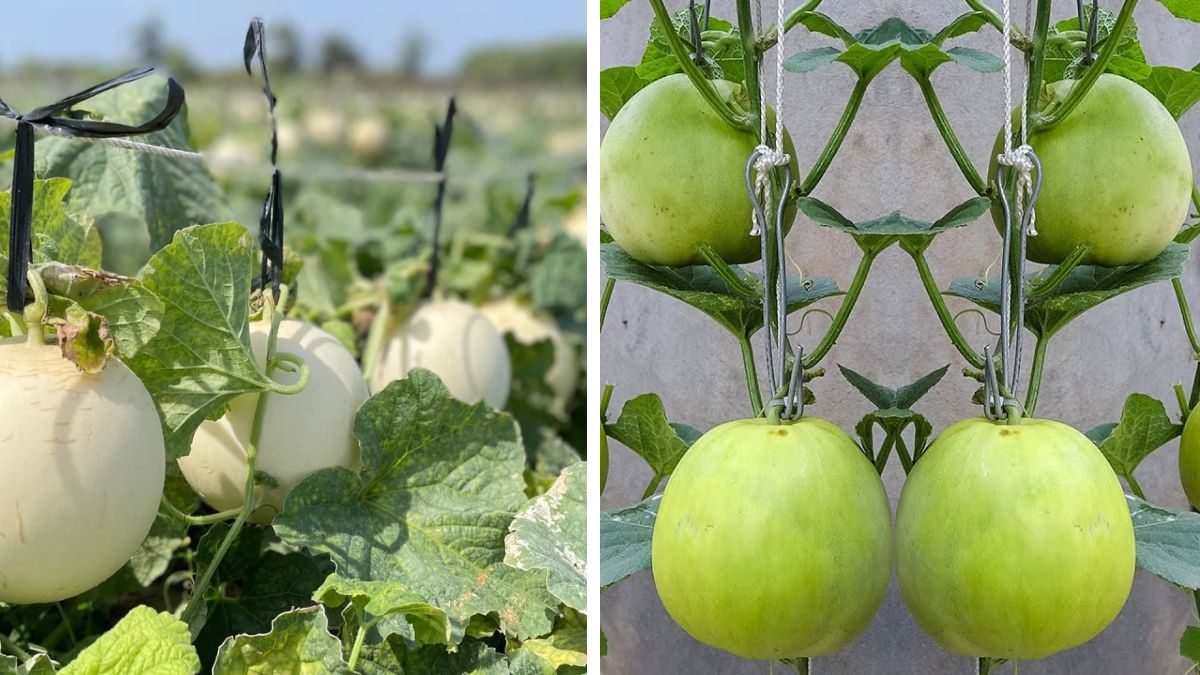
- Early growth: Use a balanced fertilizer (10-10-10) to promote leaf and vine growth.
- Flowering and fruiting: Switch to a fertilizer high in phosphorus and potassium to support flowers and fruit development.
- Organic options: Compost tea, fish emulsion, or well-rotted manure can provide nutrients naturally.
Proper fertilization ensures thick, healthy vines and large, juicy pumpkins.
7. Supporting Flowering and Pollination
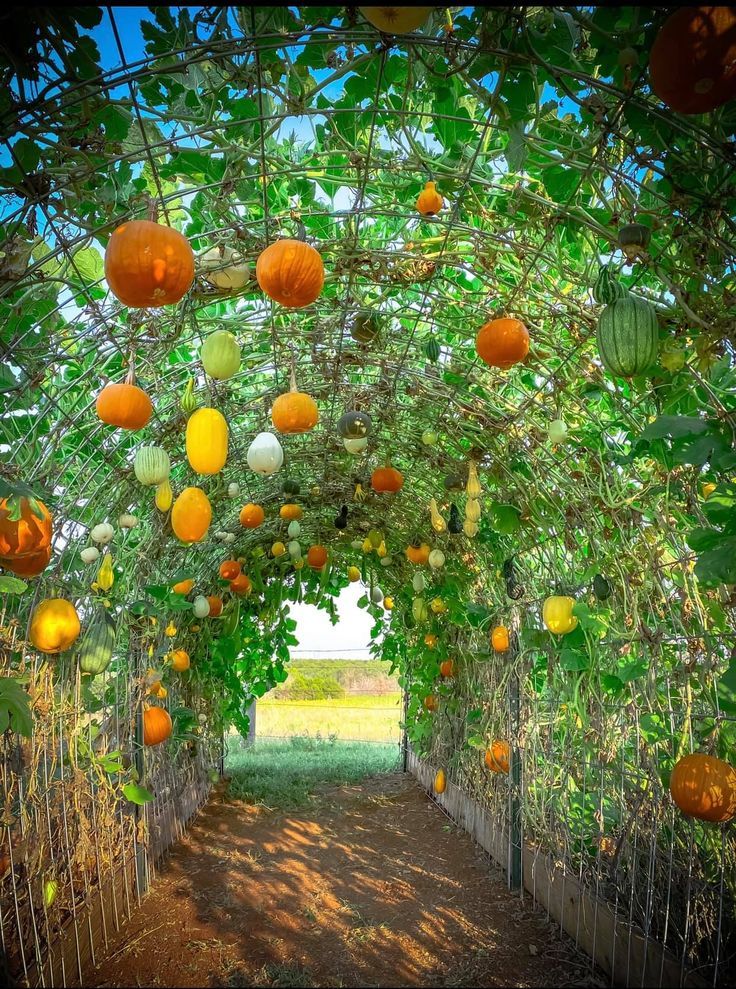
Pumpkins have male and female flowers, and proper pollination is crucial:
- Encourage pollinators: Bees are the main pollinators, so avoid pesticides during flowering.
- Hand pollination (optional): Use a small brush to transfer pollen from male to female flowers if pollinator activity is low.
- Identifying flowers: Female flowers have a small swelling at the base—the future pumpkin.
Good pollination leads to larger fruits and a higher yield.
8. Managing Pumpkin Vines
Pumpkin vines can spread extensively, but you can manage growth for maximum productivity:
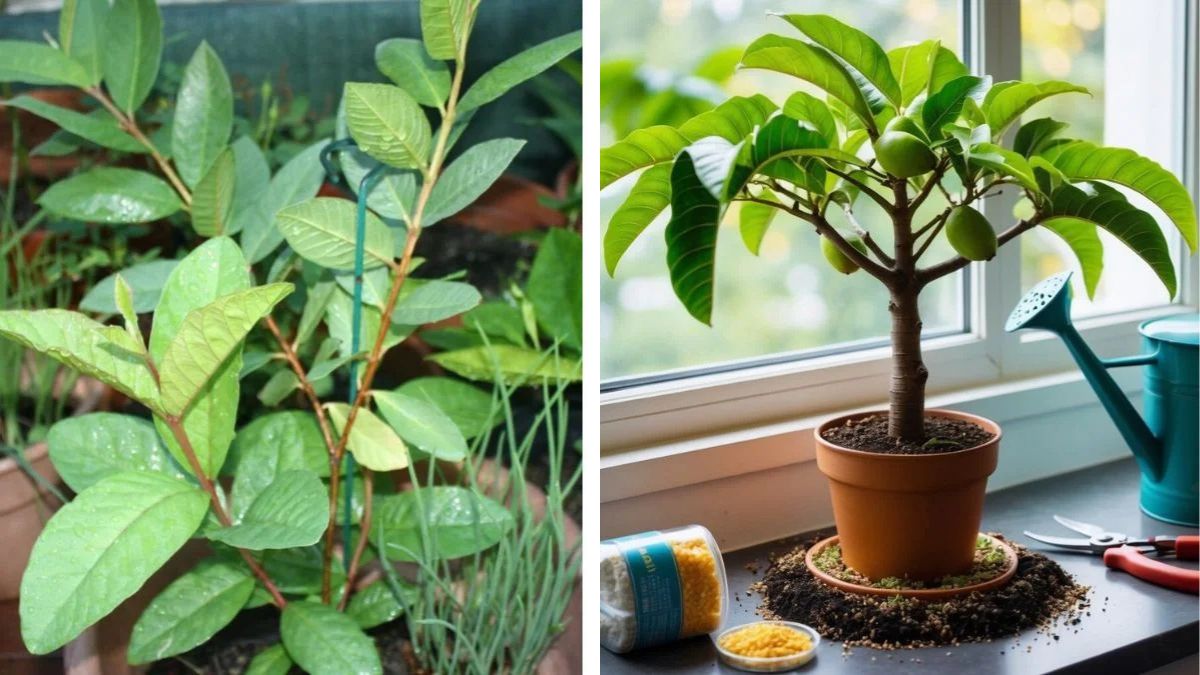
- Pruning: Optional for large gardens. Trim secondary vines to focus energy on main fruit-bearing stems.
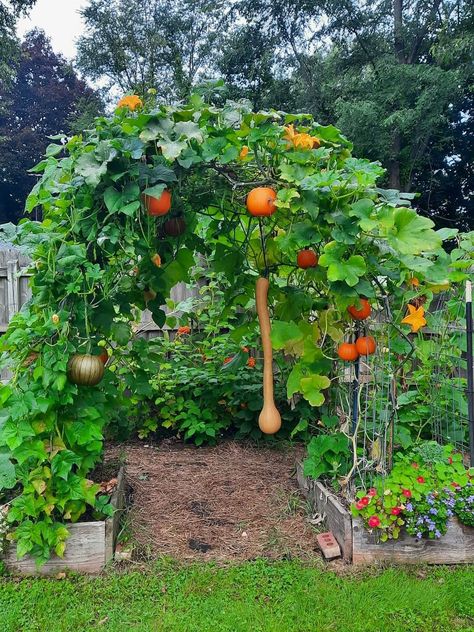
- Training vines: Direct vines along garden paths or trellises for decorative effects and better air circulation.
- Pest management: Watch for squash bugs, aphids, and cucumber beetles. Neem oil or insecticidal soap works well for control.
9. Harvesting Pumpkins
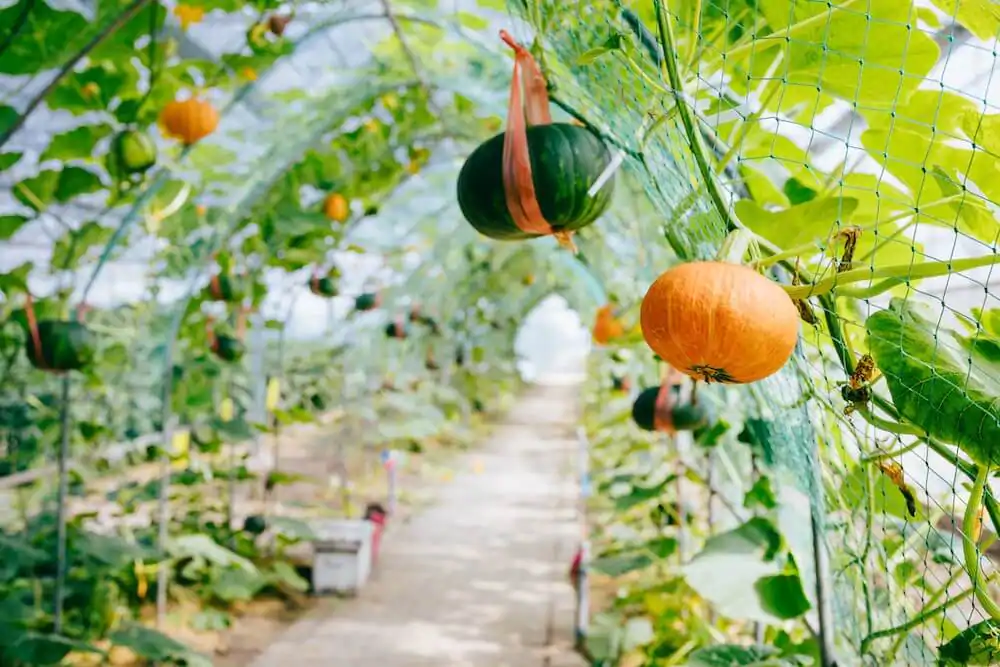
Pumpkins typically take 75–120 days to mature, depending on the variety:
- Check color: Pumpkins are ripe when the skin is deep, consistent in color, and hard.
- Check the vine: The stem should begin to dry and turn brown.
- Harvest carefully: Cut pumpkins from the vine using a sharp knife or pruners, leaving 2–3 inches of stem attached.
Proper harvesting ensures pumpkins last longer in storage and maintain quality.
10. Storing and Using Pumpkins
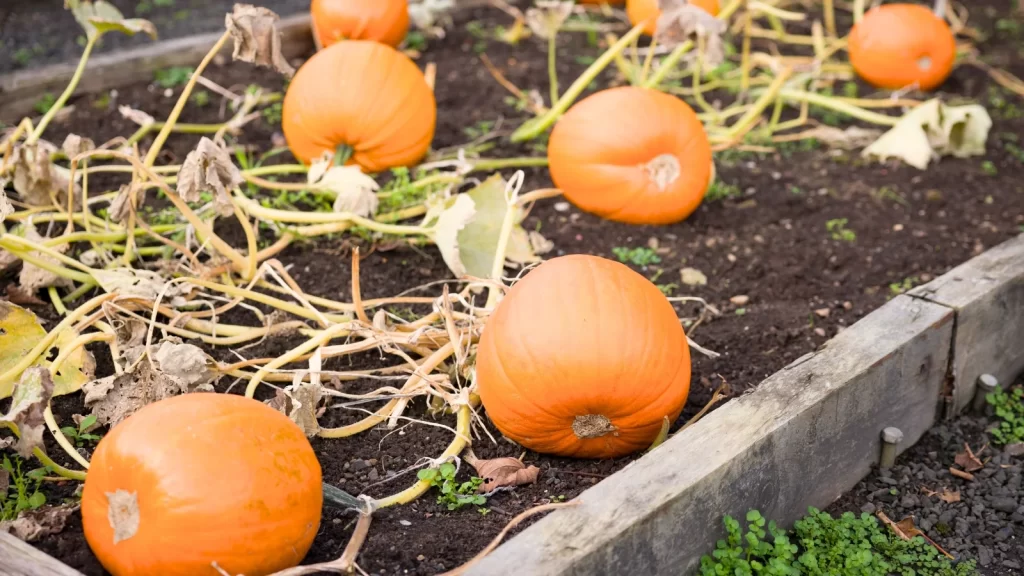
- Storage: Keep pumpkins in a cool, dry, well-ventilated area. Properly cured pumpkins can last for months.
- Culinary uses: Pumpkins are versatile—use for pies, soups, roasted dishes, or smoothies.
- Decorative use: Mini pumpkins make beautiful fall decorations, and large pumpkins are perfect for carving.
Homegrown pumpkins are sweeter and more flavorful than store-bought, making them ideal for both eating and decorating.
11. Troubleshooting Common Issues
- Powdery mildew: Provide good airflow and avoid overhead watering. Organic fungicides can help.
- Poor fruit set: Often caused by poor pollination or nutrient imbalance.
- Cracking or splitting: Usually due to irregular watering. Maintain consistent soil moisture.
- Pests: Aphids, squash bugs, and vine borers can be controlled with natural remedies or targeted insecticides.
12. Tips for a Thriving Pumpkin Garden
- Start seeds early in warm climates to extend the growing season.
- Rotate pumpkin crops yearly to prevent soil-borne diseases.
- Mulch heavily to conserve moisture and maintain soil health.
- Use compost regularly to enrich the soil and encourage thick vines.
- Provide support for heavy fruits in smaller gardens to prevent damage.
By combining these strategies, your pumpkin garden will thrive and produce healthy, impressive fruits.
13. Fun Ideas for Your Pumpkin Garden
- Decorative vines: Train pumpkins along trellises or fences for visual appeal.
- Themed gardens: Combine mini pumpkins with ornamental gourds for a fall display.
- Family activities: Let children help with planting, watering, and harvesting.
- Community sharing: Host pumpkin-themed events or share excess harvest with neighbors.
Growing pumpkins is as much about creativity and enjoyment as it is about cultivation.
14. Conclusion
Creating and maintaining a pumpkin garden is a fulfilling and rewarding endeavor. By selecting the right varieties, preparing fertile soil, watering consistently, and supporting pollination, you can grow pumpkins that are large, juicy, and flavorful. From planting seeds to harvesting impressive fruits, every step contributes to a beautiful and productive garden.
Whether you’re aiming for edible pumpkins for pies and soups, decorative pumpkins for autumn displays, or giant pumpkins for competitions, following these tips will help you achieve a successful and enjoyable harvest. With patience, care, and attention, your pumpkin garden can become the highlight of your backyard and a source of pride for seasons to come.