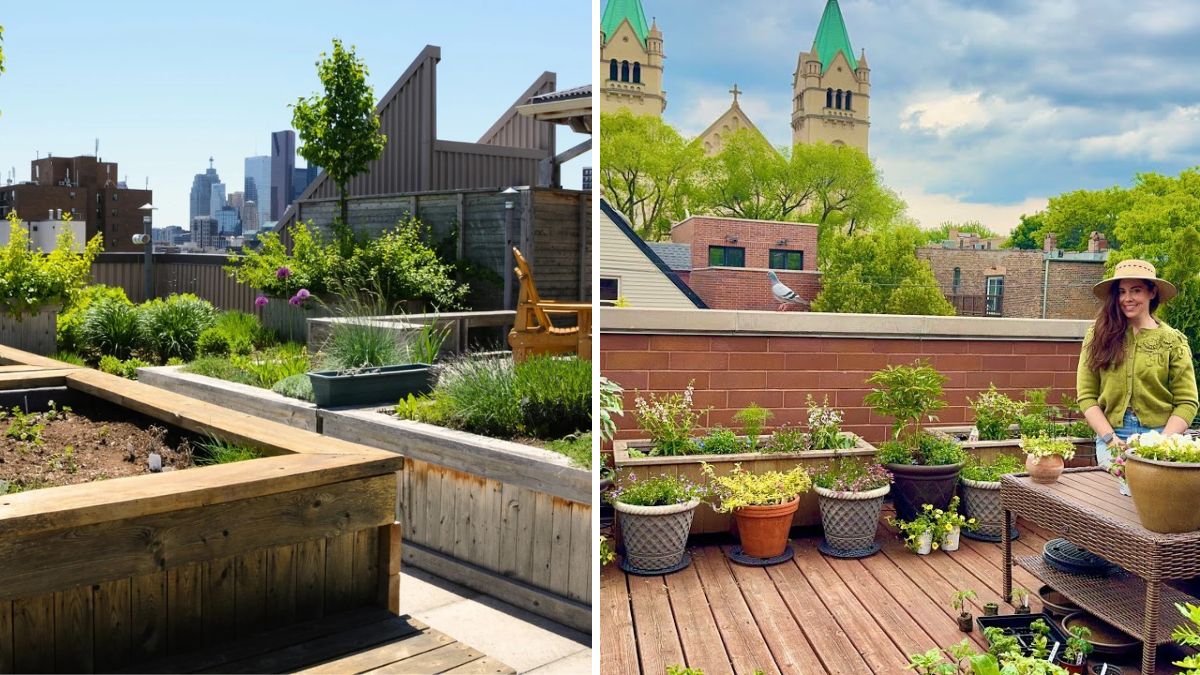
Growing plants at home is more than a hobby—it’s a lifestyle that brings joy, peace, and a sense of accomplishment. Whether you have a spacious backyard, a small balcony, or a sunny windowsill, you can create your own green sanctuary with the right techniques. Home gardening is not just about planting seeds; it’s about understanding nature’s rhythm, nurturing life, and creating harmony within your living space. In this comprehensive 1200-word guide, you’ll learn essential home growing tips that will help you cultivate healthy, vibrant plants effortlessly.
1. Choose the Right Plants for Your Space
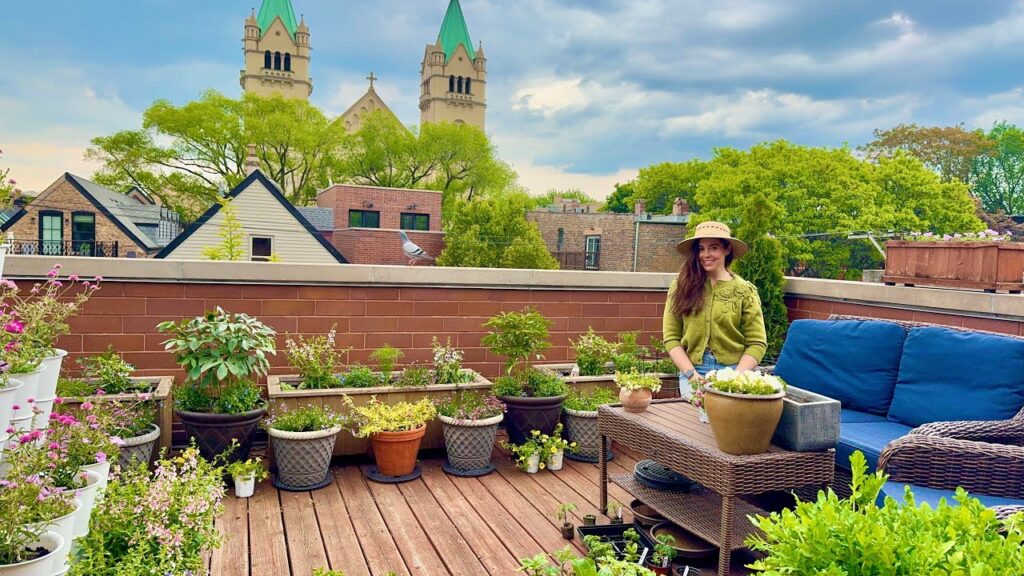
The foundation of successful home gardening starts with selecting plants suitable for your environment. Every plant has its own needs, so understanding your space is crucial.
✔ Consider Light Levels
- A bright, sunny balcony can support tomatoes, chilies, herbs, and flowering plants.
- Low-light indoor corners are perfect for pothos, snake plants, ZZ plants, and ferns.
- East-facing windows are best for leafy greens and herbs.
✔ Understand Your Climate
Some plants thrive in warm conditions, while others prefer cooler environments. Choose varieties that adapt well to your local weather.
✔ Assess Your Space
If you don’t have a garden bed, container gardening is an excellent alternative. Many fruits, vegetables, and herbs grow beautifully in pots, bags, or buckets.

2. Use the Right Soil Mix
Soil is the heart of your garden. Healthy soil ensures better growth, stronger roots, and higher yields.
🌱 Ideal Soil Qualities
- Light and well-aerated
- Nutrient-rich
- Good drainage
- Balanced pH (mostly neutral)
🌿 Perfect Home Soil Mix
A simple and effective soil mix:
- 40% garden soil
- 30% compost
- 20% coco peat
- 10% sand or perlite
This mix helps retain moisture while ensuring roots get enough oxygen.
3. Water Smartly—Not Excessively
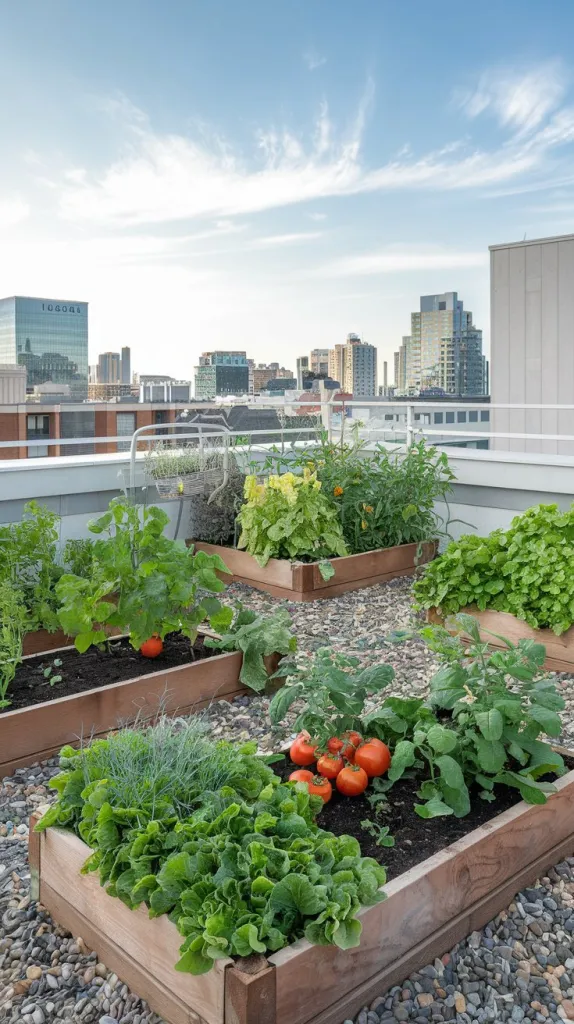
Overwatering is a common mistake among home growers. Plants need water, but roots also require air.
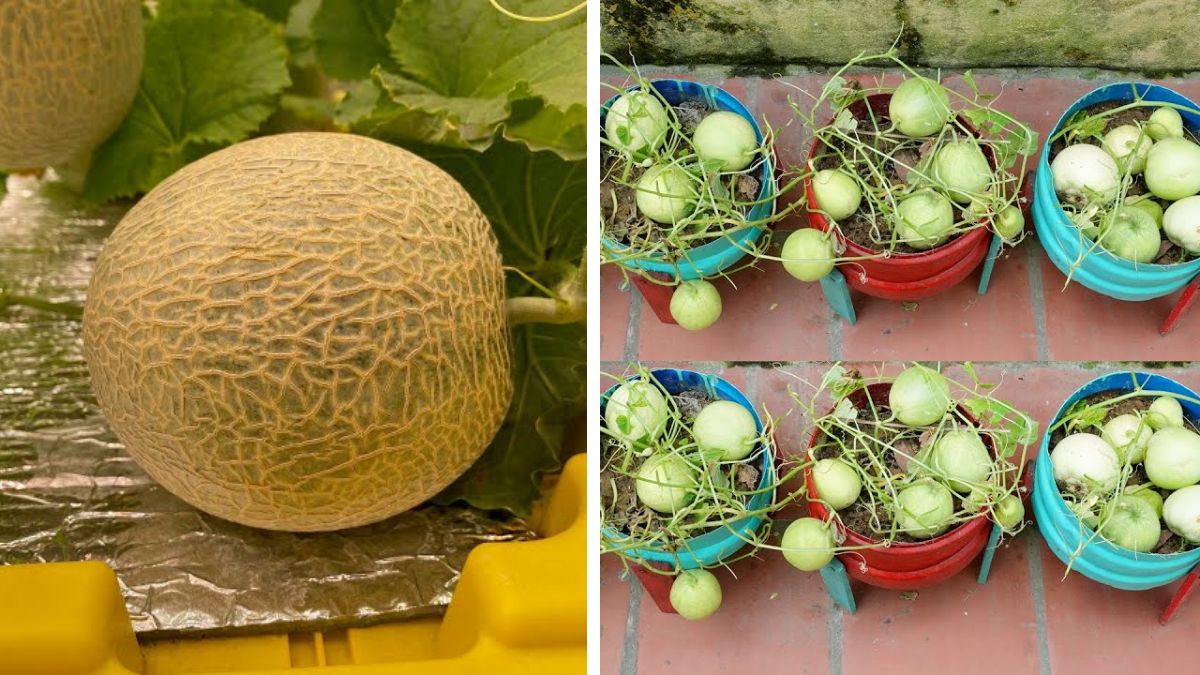
💧 Watering Tips
- Check soil moisture with your finger before watering.
- Water deeply but less frequently to promote stronger roots.
- Morning watering is best—it helps prevent fungal issues.
- Use self-watering pots if you are often busy.
🚿 For Indoor Plants:
Mist leafy plants occasionally to increase humidity, especially during summer.
4. Master the Art of Sunlight Management
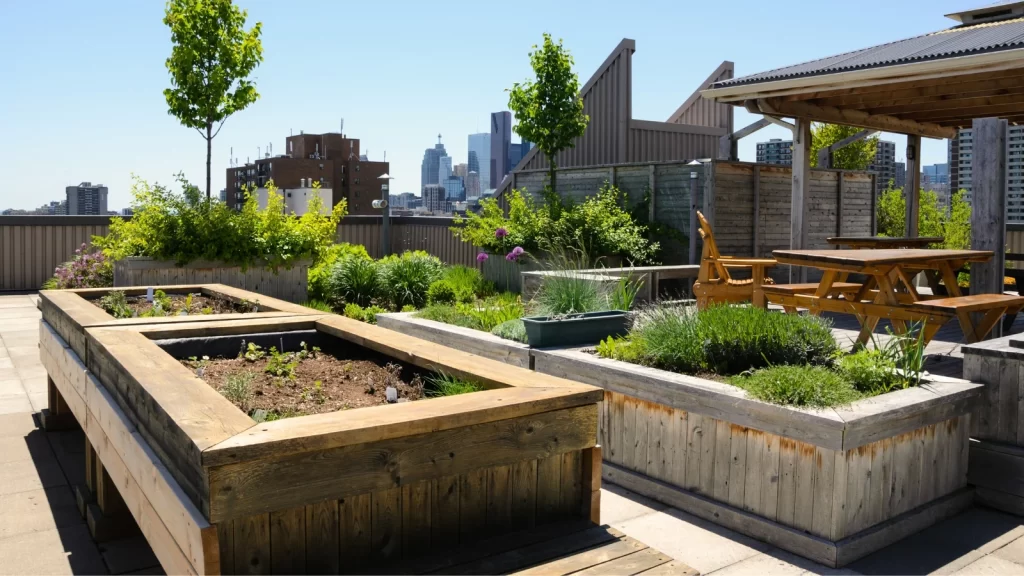
Sunlight is a plant’s fuel. Understanding its importance will transform your growing success.
🌞 Sunlight Tips
- Flowering and fruiting plants need at least 6 hours of direct sunlight.
- Leafy greens like spinach, lettuce, and coriander grow well in partial shade.
- Indoor plants should be rotated weekly so all sides receive light.
- If natural light is insufficient, consider using grow lights.
5. Feed Your Plants with Organic Fertilizers
Plants thrive when fed the right nutrients. Organic fertilizers are safe, eco-friendly, and long-lasting.
🌿 Excellent Organic Fertilizers for Home Gardens
- Kitchen compost
- Cow dung manure
- Eggshell powder (calcium)
- Banana peel water (potassium)
- Coffee grounds (nitrogen)
- Neem cake powder (pest control + nutrients)
Apply organic fertilizer every 15–20 days for optimal growth.
6. Smart Container Gardening Tips
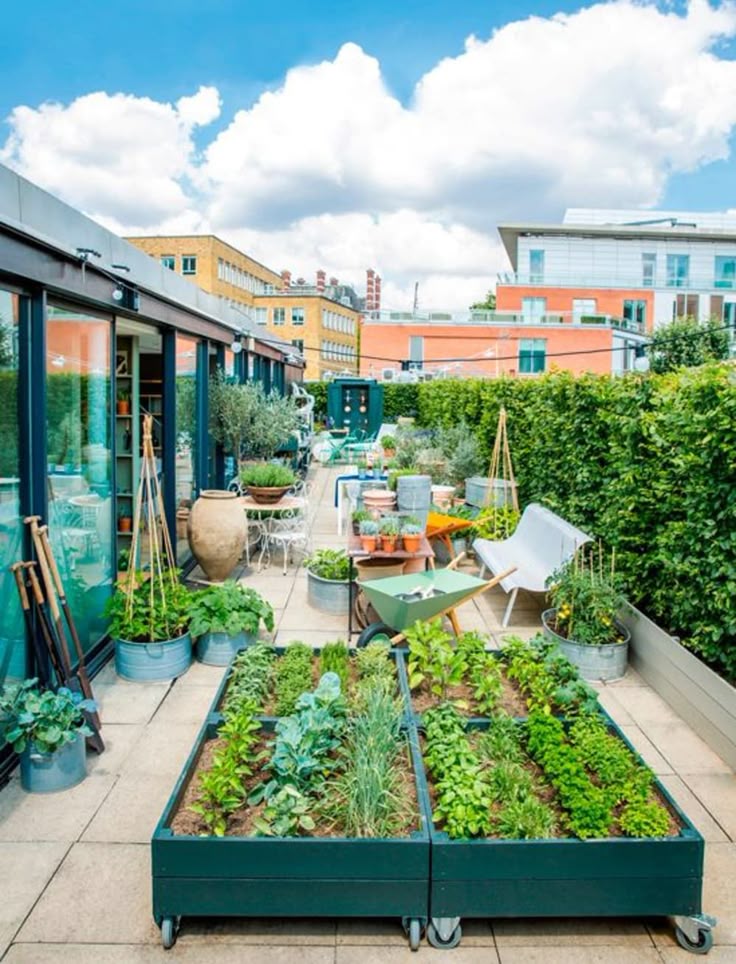
Home growers often rely on containers because they fit almost anywhere—balconies, windowsills, terraces, and patios.
🪴 Best Practices
- Choose containers with good drainage holes.
- Use lightweight pots for upper floors and balconies.
- Fabric grow bags encourage faster root development.
- Repot your plants annually to refresh soil and improve health.
7. Provide Proper Air Circulation
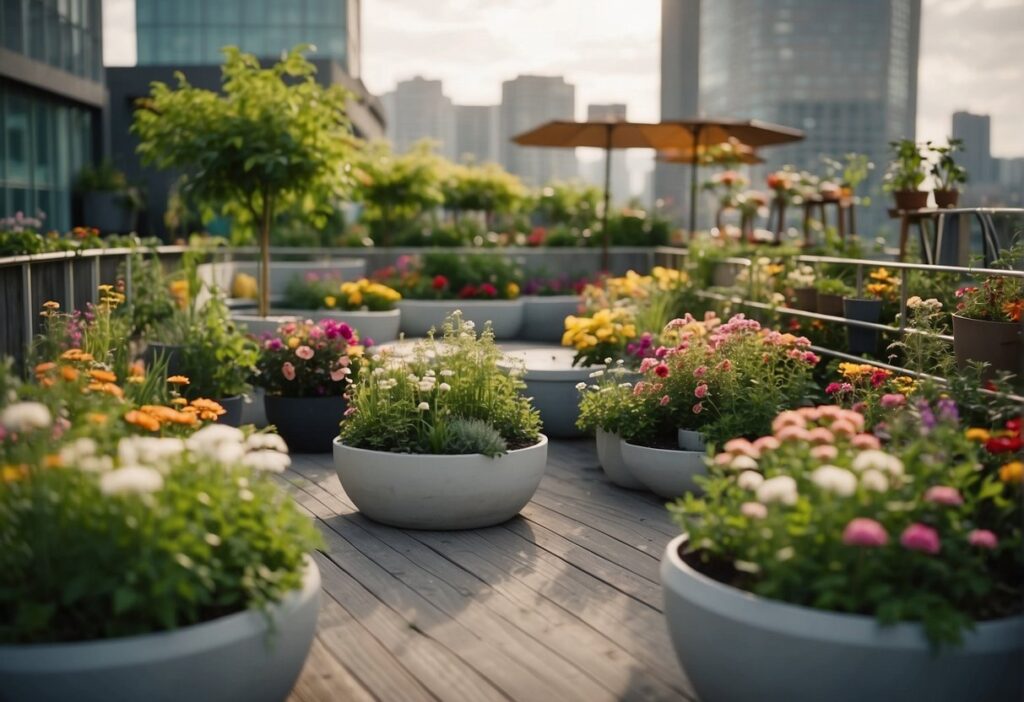
Plants need fresh air to grow well. Poor ventilation encourages fungal growth, pest infestation, and stunted growth.
🍃 Airflow Tips
- Avoid overcrowding plants.
- Keep a little space between pots.
- Ensure good ventilation indoors by opening windows daily.
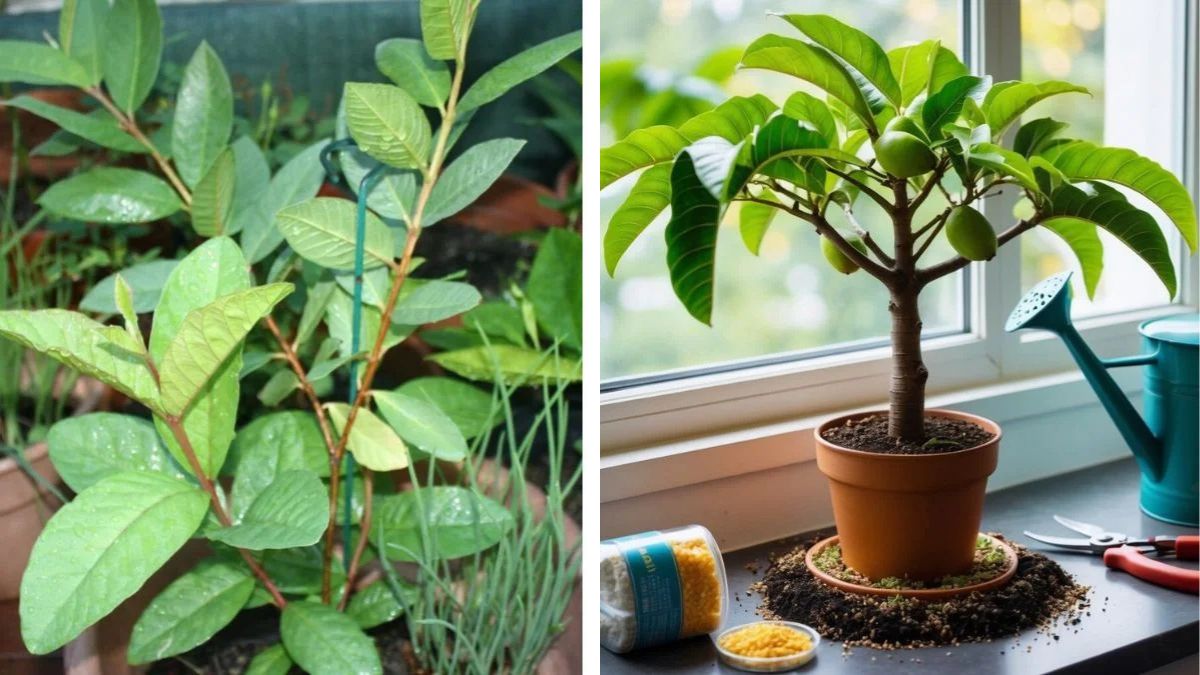
8. Learn Basic Pruning Techniques
Pruning keeps your plants healthy and boosts growth.
✂ Why Pruning Matters
- Removes dead or diseased leaves
- Encourages side shoots and fuller growth
- Improves air circulation
- Helps fruiting and flowering plants produce more
Prune gently using clean scissors to avoid infection.
9. Control Pests Naturally
Every home garden is prone to pests, but harsh chemicals aren’t always necessary.
🐞 Natural Pest Control Tips
- Neem oil spray (safe for all plants)
- Soap water spray for aphids
- Garlic-chili spray for caterpillars and beetles
- Keep the garden clean and remove fallen leaves
- Use sticky traps for fungus gnats
Regular inspection helps you catch pests early.
10. Mulch to Retain Moisture and Improve Soil
Mulching is simply covering the soil surface with organic material.
🌾 Benefits of Mulching
- Prevents weeds
- Conserves water
- Keeps soil temperature stable
- Adds nutrients as it decomposes
You can mulch with dry leaves, straw, coco peat, or grass clippings.
11. Start Composting at Home
Home composting reduces waste and creates nutrient-rich fertilizer for your plants.
🍃 Simple Composting Steps
- Collect kitchen scraps (vegetable peels, fruit waste).
- Mix with dry materials like shredded paper or dried leaves.
- Turn the pile occasionally.
- Within weeks, your compost is ready!
12. Be Patient and Consistent
Gardening teaches patience. Every plant grows at its own pace, and each season brings new lessons.
🌼 What Patience Brings
- Stronger, healthier plants
- Higher yields
- A deeper connection with nature
- Mental peace and satisfaction
Final Thoughts
Home gardening is a beautiful journey filled with learning, joy, and endless rewards. With the right techniques—proper soil, watering, sunlight, pruning, and organic care—you can transform any small space into a lush green sanctuary. Whether you’re growing vegetables, herbs, or ornamental plants, these essential tips will help you create a thriving home garden that brings life and beauty to your environment.