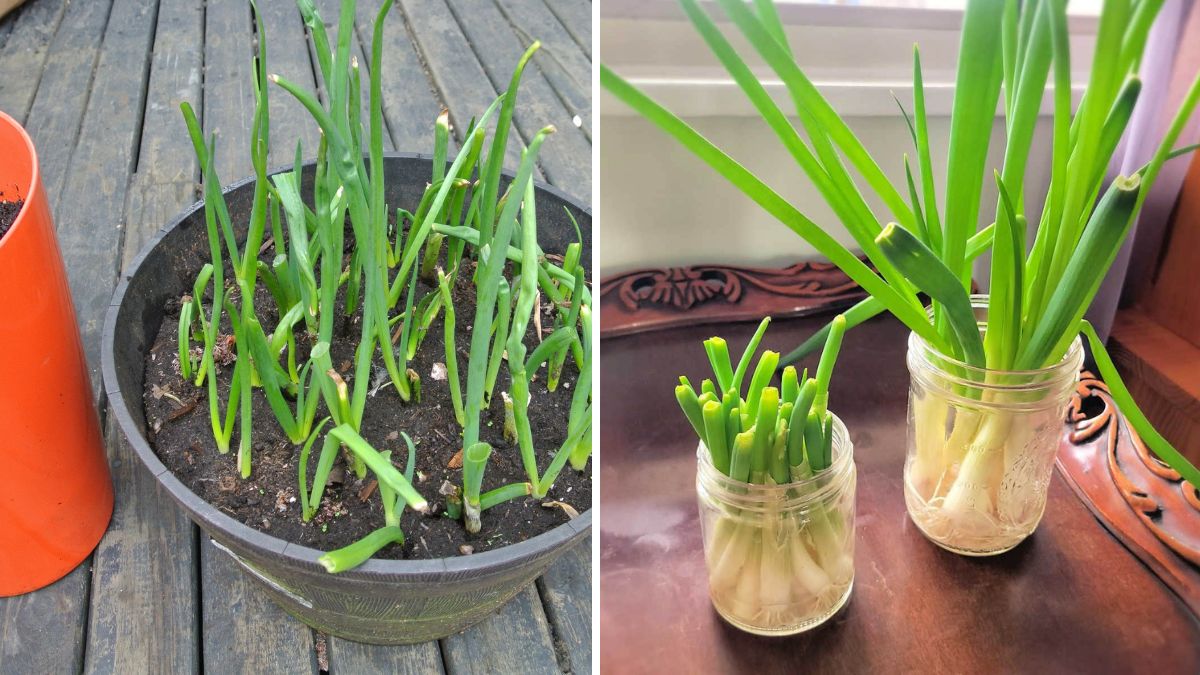
Green onions, also known as scallions or spring onions, are one of the most versatile and easy-to-grow herbs in any garden or kitchen. Their crisp texture and mild flavor make them perfect for salads, soups, stir-fries, and garnishes. While growing green onions is relatively simple, achieving thick, robust stems requires some care and smart gardening techniques. In this guide, we’ll share expert tips for thickening green onions so you can enjoy a bountiful, healthy harvest.
1. Why Grow Thick Green Onions?
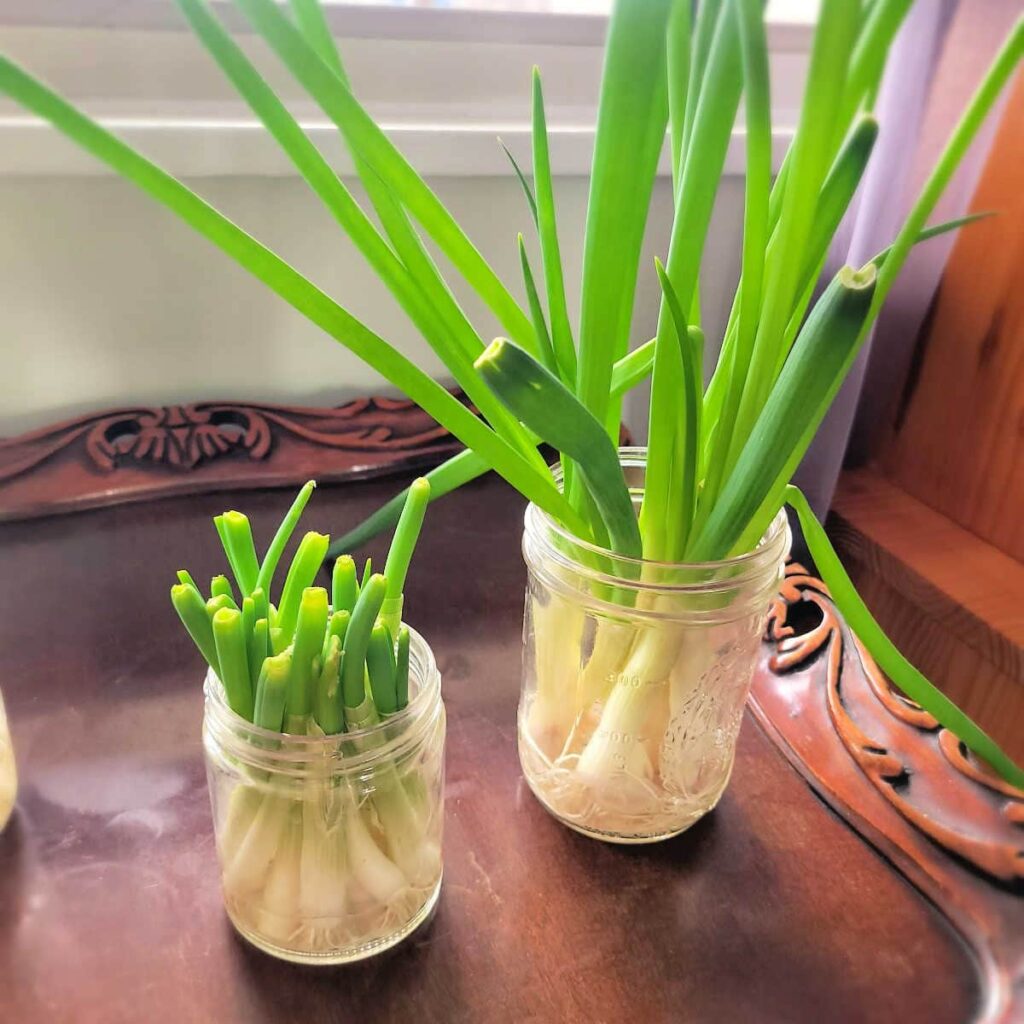
Thicker green onions are not only visually appealing but also more flavorful and versatile in cooking. Benefits of thick, healthy green onions include:
- Better texture and taste: Plump stems have a sweeter, juicier flavor.
- Increased yield: Thicker onions mean more edible produce per plant.
- Stronger plants: Robust growth reduces vulnerability to pests and diseases.
- Easy harvesting: Thick stems are easier to handle and cut without damage.
With the right soil, watering, and care, thick green onions are achievable even in small home gardens or container setups.
2. Choosing the Right Variety
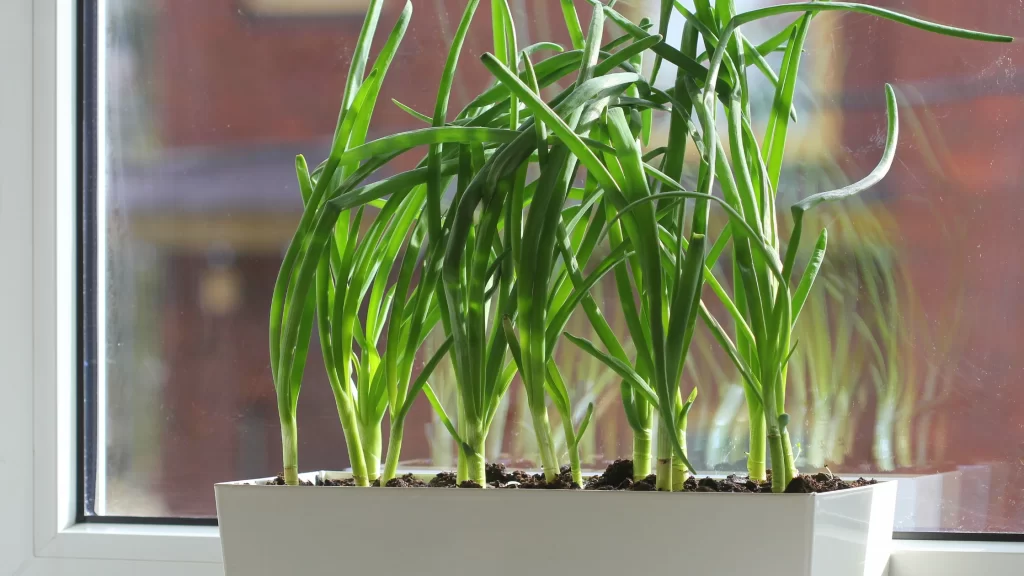
The first step to thick, healthy green onions is selecting the right variety. Some varieties naturally produce thicker stems:
- White Lisbon: Known for long, white, thick stems.
- Evergreen Bunching: Produces multiple thick shoots per plant.
- Korean or Japanese varieties: Often grow faster and thicker in suitable climates.
Choosing a robust variety suited to your climate ensures faster growth and thicker stems.
3. Soil Preparation
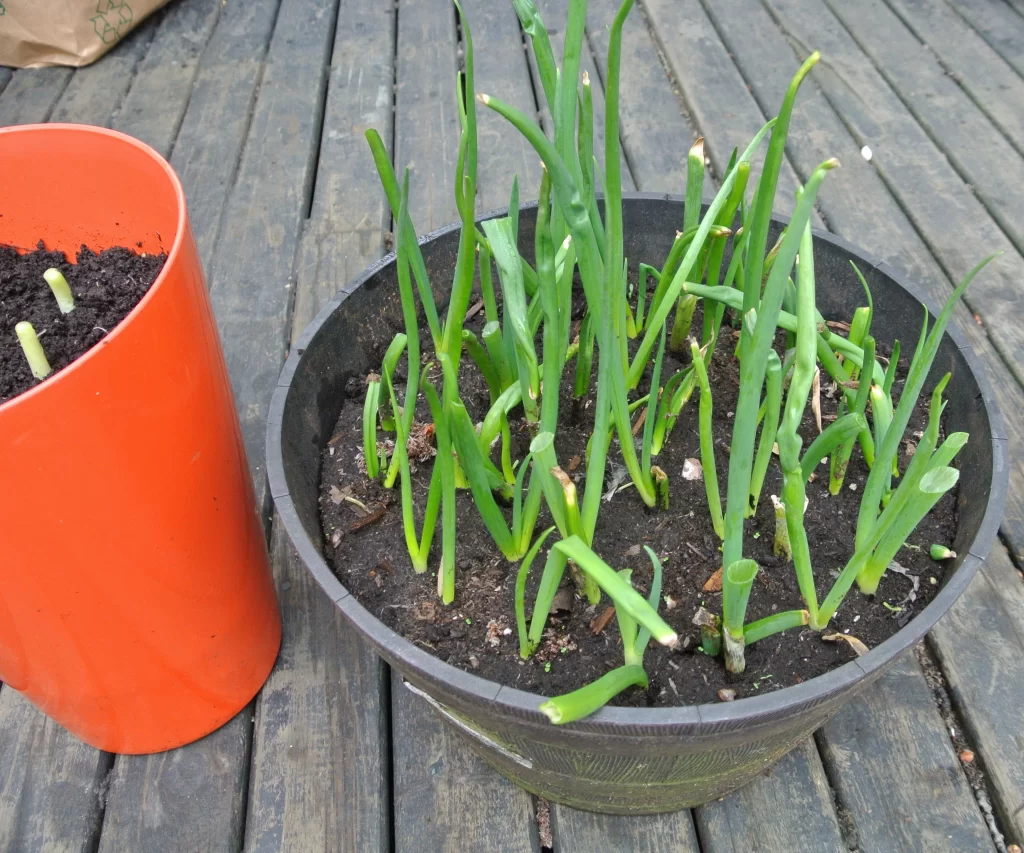
Soil quality plays a crucial role in the thickness of green onions. Tips for preparing soil include:
- Well-draining soil: Avoid waterlogged areas, as poor drainage can stunt growth.
- Rich in organic matter: Mix compost, well-rotted manure, or leaf mold into the soil to improve fertility and structure.
- Neutral pH: Green onions prefer slightly acidic to neutral soil (pH 6.0–7.0).
- Loose soil: Loose, fluffy soil allows roots to expand easily, promoting thicker growth.
Tip: Avoid compacted soil, which restricts root development and results in thin stems.
4. Proper Planting Techniques
How you plant your green onions can directly affect their thickness:
- Spacing: Space seedlings 2–4 inches apart to allow room for stems to grow thick. Crowding results in thin, weak stems.
- Planting depth: Plant bulbs or seedlings just deep enough to cover the roots; too deep can slow growth, and too shallow may dry out roots.
- Transplanting seedlings: If starting indoors, transplant seedlings when they are 4–6 inches tall to give roots more space for thick growth.
5. Watering for Thick Stems
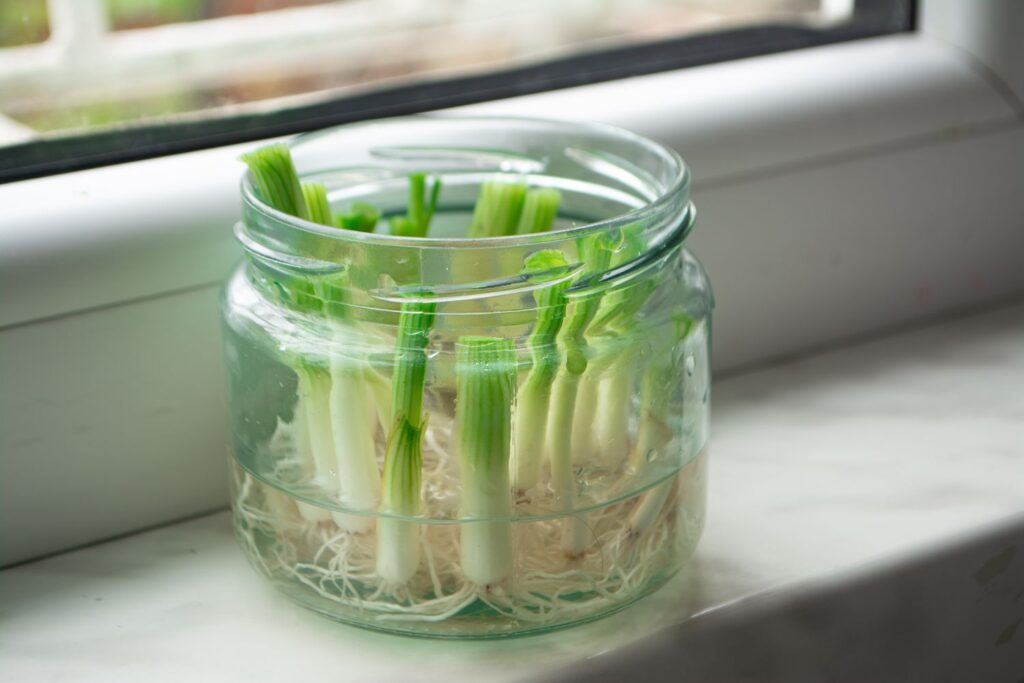
Consistent and proper watering is essential:
- Regular watering: Green onions need moist soil, but avoid overwatering, which can rot roots.
- Deep watering: Water slowly at the base to encourage roots to grow deeper, which supports thicker stems.
- Mulching: Use organic mulch around the base to retain moisture and regulate soil temperature.
Tip: Watering in the morning reduces evaporation and helps prevent fungal problems.
6. Fertilizing for Robust Growth
Nutrient-rich soil is key for thick green onions:
- Nitrogen-rich fertilizer: Nitrogen promotes leaf and stem growth. Apply a balanced fertilizer or organic options like compost tea or fish emulsion.
- Phosphorus and potassium: Support strong root development and overall plant health.
- Frequency: Fertilize every 2–3 weeks during the growing season for continuous thickening.
Tip: Avoid excessive nitrogen at the expense of root strength—balanced nutrition is essential for thick, sturdy stems.
7. Light Requirements
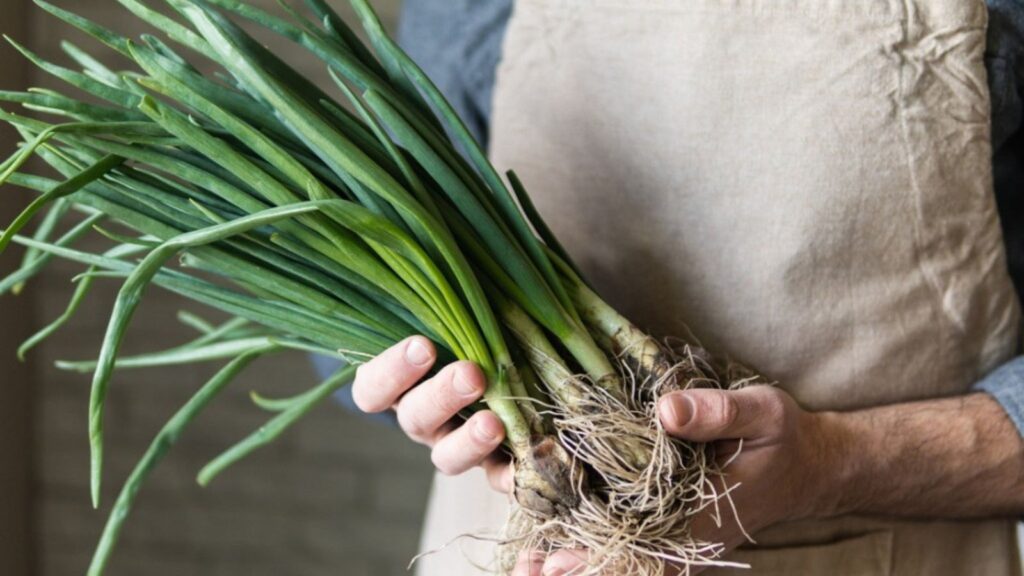
Green onions thrive in full sun but can tolerate partial shade:
- Optimal sunlight: At least 6 hours of direct sunlight per day promotes vigorous growth.
- Container gardening: Move pots to sunnier locations as needed to encourage thick stems.
- Indoor growing: Use grow lights if sunlight is insufficient to maintain steady growth.
Sunlight ensures photosynthesis works efficiently, resulting in lush, thick stems.
8. Thinning and Pruning
Thinning is a simple but effective technique to encourage thick growth:
- Thinning seedlings: Remove weaker seedlings early to reduce competition for nutrients and water.
- Harvest selectively: Harvest outer leaves first to allow inner shoots to grow thicker.
- Pruning tips: Avoid cutting too much foliage at once, which can stress the plant.
Proper thinning and selective harvesting lead to stronger, more robust plants over time.
9. Companion Planting
Planting green onions alongside certain companions can promote thicker growth:
- Carrots and lettuce: These shallow-rooted plants won’t compete heavily for nutrients.
- Herbs like parsley and cilantro: Encourage healthy soil and reduce pests.
- Avoid: Beans or garlic near green onions, as they may compete for nutrients or inhibit growth.
Companion planting creates a balanced garden environment that supports optimal growth.
10. Pest and Disease Management
Healthy, thick green onions are less susceptible to pests, but prevention is key:
- Common pests: Onion flies, aphids, and thrips.
- Fungal issues: Leaf blight or downy mildew may affect growth.
- Prevention:
- Keep plants well-spaced for airflow.
- Remove dead or yellowing leaves promptly.
- Use organic sprays, neem oil, or insecticidal soap if necessary.
Healthy, stress-free plants naturally develop thicker stems.
11. Harvesting Tips
Knowing when and how to harvest is important for maintaining thick growth:
- Early harvest: Pick green onions when stems are ½–1 inch thick for best flavor.
- Selective harvesting: Take outer stems first to allow inner shoots to continue thickening.
- Continuous growth: Green onions can regrow after cutting if roots remain intact.
Regular harvesting encourages continuous growth and helps maintain thick, healthy plants.
12. Growing Green Onions in Containers
For small spaces or indoor gardening, container planting works well:
- Choose deep pots: 6–8 inches deep to allow root expansion.
- Use nutrient-rich potting soil: Supports thick, lush growth.
- Ensure drainage: Prevents waterlogging, which can stunt stem thickness.
- Water consistently: Containers dry faster than garden beds, so monitor soil moisture closely.
Container-grown green onions can be just as thick and productive as garden-grown ones when cared for properly.
13. Additional Tips for Maximum Thickness
- Keep soil consistently moist but well-drained.
- Apply organic matter regularly to boost soil fertility.
- Protect young plants from extreme heat or cold.
- Rotate crops yearly to maintain soil health.
- Use row covers if pests are persistent.
By combining these techniques, you’ll see noticeable improvements in stem thickness and overall plant health.
14. Conclusion
Thick, healthy green onions are achievable with the right combination of variety, soil preparation, watering, fertilization, and care. From choosing nutrient-rich soil and providing ample sunlight to thinning seedlings and preventing pests, each step contributes to the development of robust stems. Whether you’re growing green onions in your garden bed, raised bed, or containers, these tips will help you maximize yield and enjoy flavorful, crunchy onions in your kitchen.
By following these guidelines, you can grow lush, thick green onions that are as beautiful as they are delicious, providing fresh, homegrown ingredients for your meals all year round.