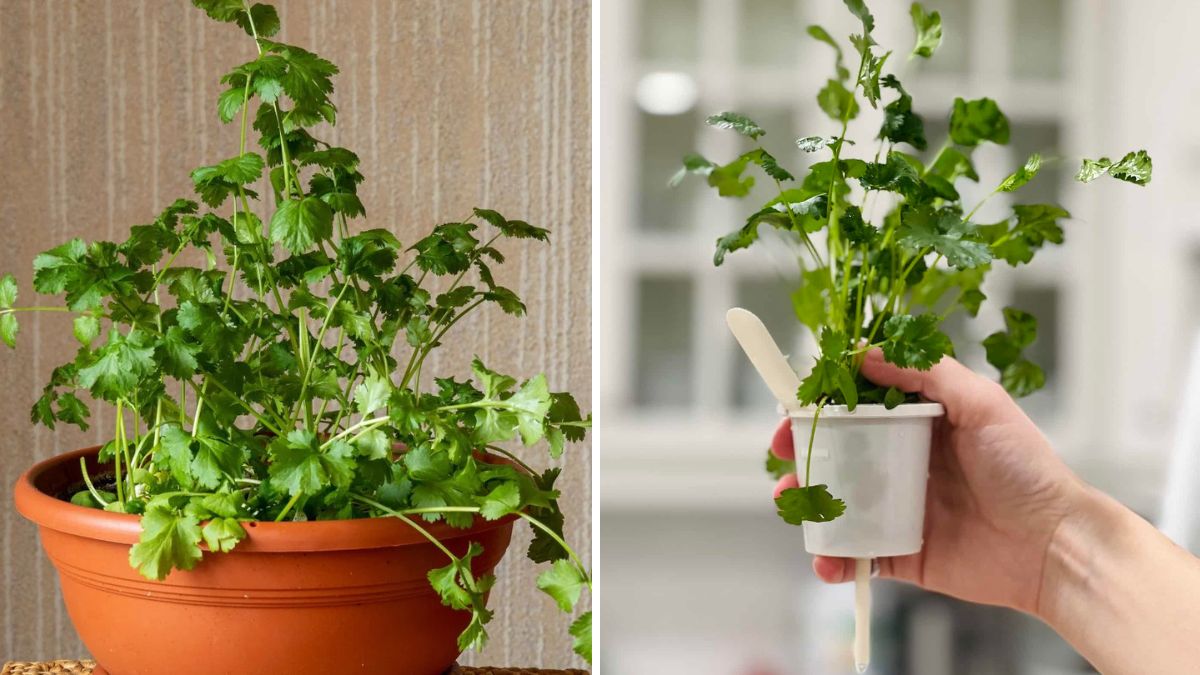
Cilantro—also known as coriander or dhania—is one of the most fragrant and widely used herbs in home kitchens. Whether sprinkled over curries, blended into chutneys, added to soups, or tossed into fresh salads, its unique aroma and flavor elevate any dish. The best part? Growing cilantro at home is incredibly rewarding and surprisingly simple when you understand its needs.
Many gardeners struggle with coriander bolting too fast, poor germination, or thin, leggy plants. But with the right techniques and care, you can enjoy healthy, bushy, and endlessly fragrant cilantro right from your balcony, terrace, or windowsill.
This comprehensive 1200-word guide will walk you through everything you need to know to grow cilantro successfully at home—from seed preparation to harvesting for continuous supply.
1. Why Grow Cilantro at Home?
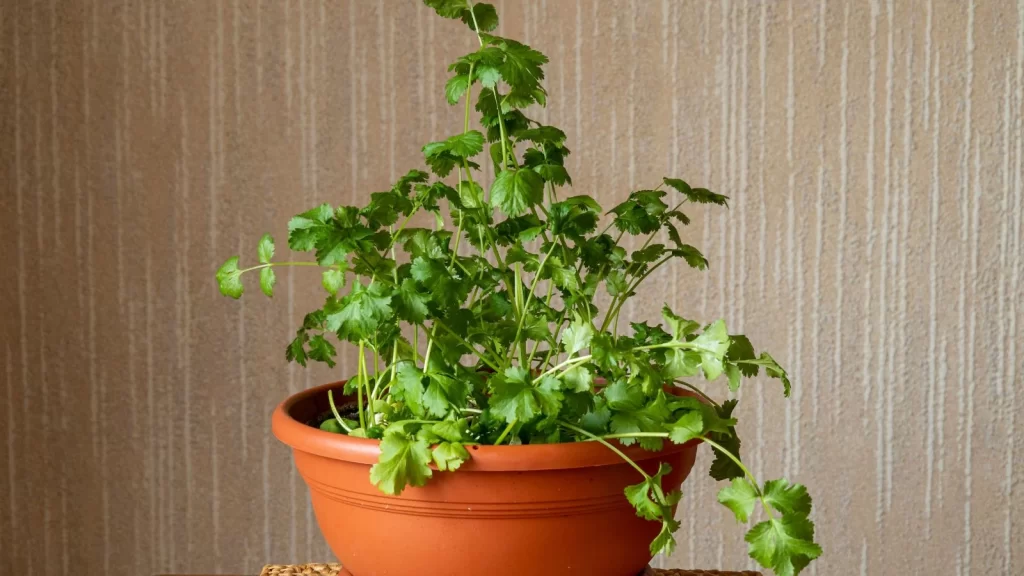
Growing cilantro at home has many benefits:
✔ Always fresh and flavorful
Store-bought cilantro loses aroma quickly, but homegrown cilantro is harvested right before cooking—at its peak freshness.
✔ Saves money
A single packet of seeds can give you months of harvest.
✔ Easy to grow in small spaces
Even a tiny container or balcony can produce plenty of cilantro.
✔ Pesticide-free and safe
You control the environment, ensuring clean, chemical-free herbs.
2. Understanding Cilantro’s Growth Habit
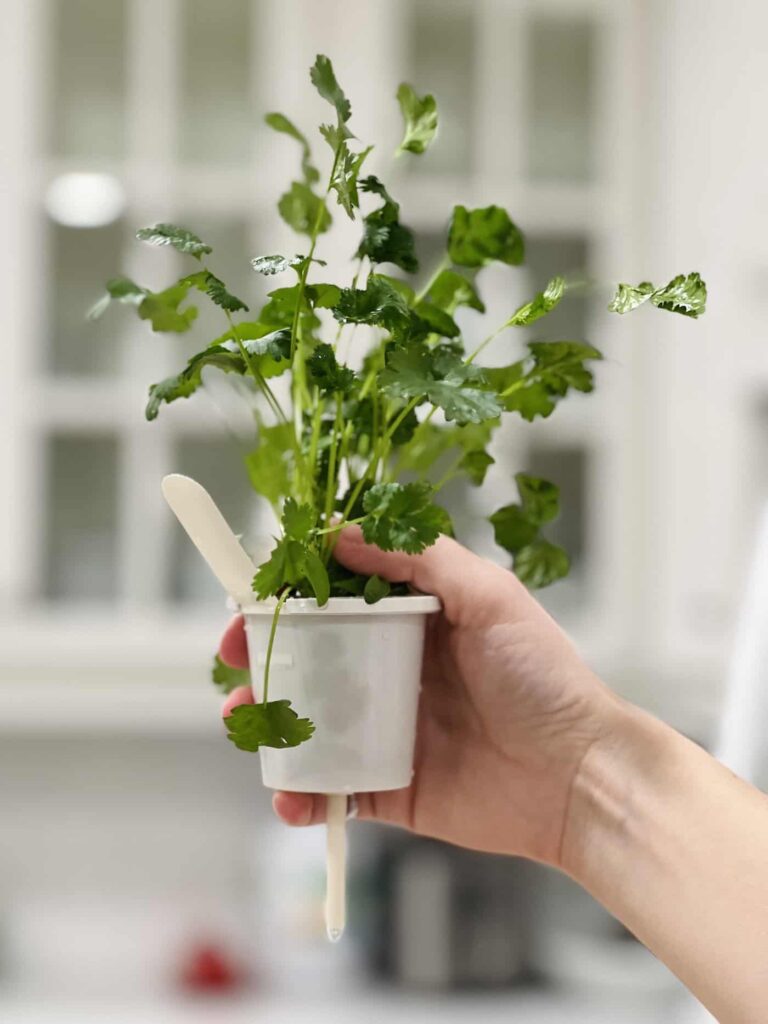
Before planting cilantro, it helps to know its natural behavior:
- Cilantro prefers cool weather (15°C–25°C).
- It grows best during early winter or spring.
- In hot climates, it tends to bolt quickly, meaning it sends up a flower stalk and stops producing leaves.
- It dislikes transplanting—sow seeds directly where you want them to grow.
Understanding these traits helps you give the plant the perfect environment.
3. Choosing the Right Container
Cilantro has deep roots, so the right container is essential.
✔ Ideal Pot Size
- 8–10 inches deep
- Minimum 10–12 inches wide
- Grow bags or clay pots are excellent choices
✔ Drainage Is Key
Make sure your container has adequate drainage holes. Cilantro hates waterlogged soil.
4. Preparing the Best Soil Mix
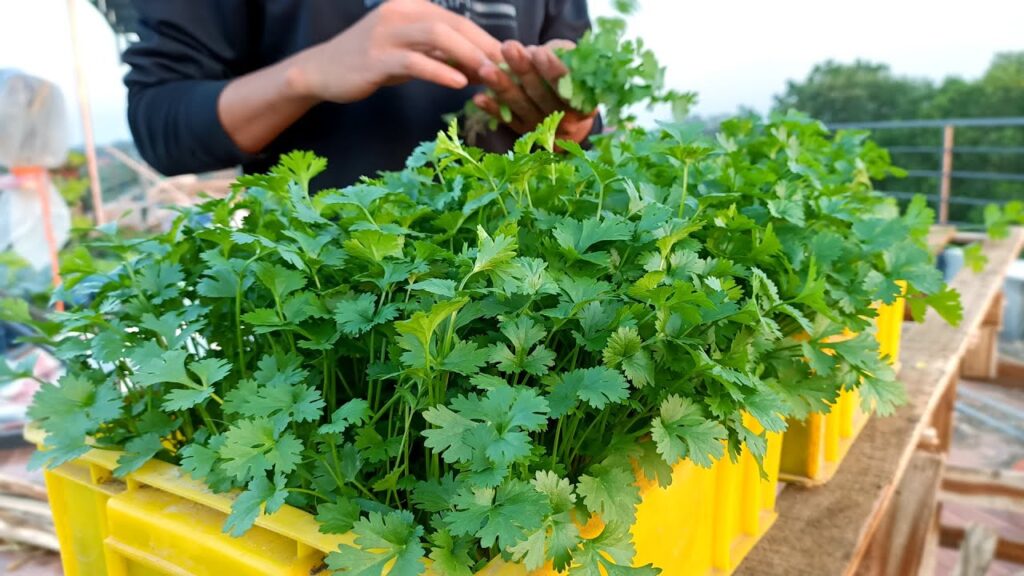
Healthy soil = healthy cilantro.
Cilantro thrives in light, well-draining, nutrient-rich soil.
🌱 Recommended Soil Mix
- 40% garden soil
- 30% organic compost (vermicompost/cow dung manure)
- 20% coco peat (retains moisture)
- 10% sand/perlite (improves drainage)
Optional Additions
- A handful of neem cake powder
- A spoon of bone meal (slow-release nitrogen)
Mix thoroughly until the soil becomes loose and fluffy.
5. Preparing Cilantro Seeds for Sowing
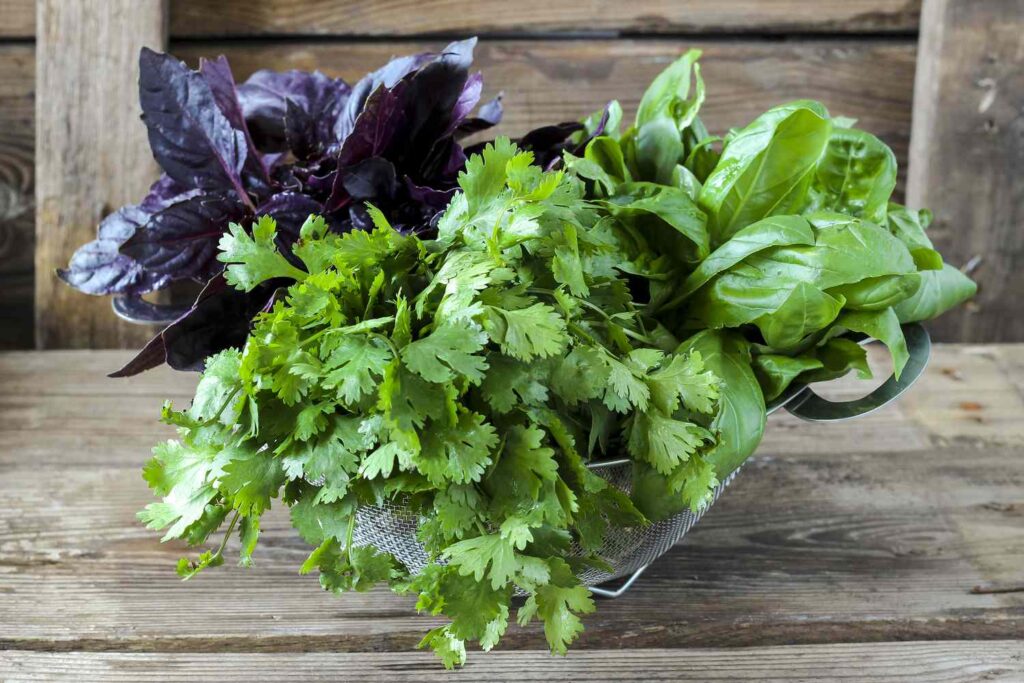
Cilantro seeds are actually two seeds inside one husk. Preparing them correctly increases germination rates significantly.
✔ Step 1: Crush Lightly
Gently crush the seeds using a rolling pin—just enough to split them in half. Do NOT powder them.
✔ Step 2: Soak for 8–12 Hours
Place the split seeds in warm water. Soaking activates them and accelerates sprouting.
✔ Step 3: Dry for 15–20 Minutes
Semi-dry seeds prevent fungal infections during sowing.
Your seeds are now ready to grow!
6. Sowing the Seeds
Cilantro should always be sown directly—not transplanted.
✔ How to Sow:
- Fill your pot with prepared soil.
- Sprinkle the seeds evenly across the surface.
- Cover lightly with 1–1.5 cm of soil.
- Mist with water—do not flood.
- Keep the pot in semi-shade until germination.
✔ Germination Time
Seeds sprout in 7–12 days, depending on temperature.
7. Watering Cilantro Properly
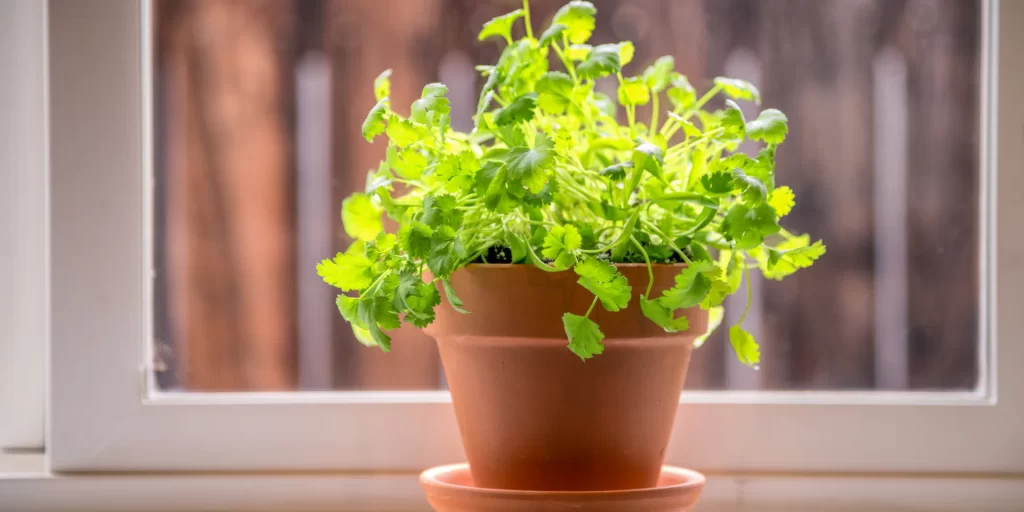
Wrong watering is one of the biggest reasons for failed cilantro growth.
💧 Watering Rules
- Keep the soil evenly moist—not soggy
- Water early in the morning
- Use a spray bottle for the first two weeks
- After plants grow taller, switch to gentle watering from the base
- Allow the top layer of soil to dry slightly before watering again
Overwatering = yellow leaves
Underwatering = thin, weak stems
8. Sunlight Requirements
Cilantro enjoys sunlight but dislikes harsh heat.
🌞 Best Light Conditions
- 3–4 hours of morning sun
- Light shade during the afternoon
- Indoors: place near an East-facing window
- Outdoors: cover with shade net during summer
Too much heat causes bolting. Keeping the plant cool helps prolong leaf production.
9. Feeding Cilantro for Bushy Growth
Every 10–12 days, feed your cilantro with organic fertilizers.
✔ Best Fertilizers for Cilantro
- Vermicompost tea
- Diluted cow dung liquid
- Seaweed extract
- Kitchen waste compost water
- Mustard cake liquid (weak solution)
Avoid strong fertilizers—cilantro prefers gentle feeding.
10. Thinning for Healthy Growth
When seeds germinate, seedlings grow close together. If too crowded, cilantro becomes leggy.
✔ Proper Thinning Method
- Remove weak or thin seedlings
- Maintain 2–3 cm spacing between plants
- Use removed seedlings in salads—they’re edible!
Thinning ensures stronger plants and fuller harvests.
11. Mulching to Maintain Moisture
Mulching is excellent for cilantro, especially in hot climates.
✔ Best Mulch Options
- Coco peat
- Dry leaves
- Sugarcane bagasse
- Grass clippings
Mulch helps keep the roots cool and prevents early bolting.
12. Protecting Your Cilantro from Pests
Cilantro is usually pest-resistant, but occasional problems may occur.
🐞 Common Pests
- Aphids
- Leaf miners
- Fungal gnats
🌿 Natural Treatments
- Neem oil spray (once every 10 days)
- Soap water spray for aphids
- Keep soil dry on top to avoid fungus
- Avoid overcrowding—improves airflow
Never spray chemicals on cilantro, as leaves are consumed fresh.
13. Harvesting Cilantro Correctly
Proper harvesting ensures continuous growth.
✔ When to Harvest
- Begin harvesting at 25–30 days
- Leaves should be 4–6 inches tall
✔ How to Harvest
- Cut outer leaves first
- Leave the center growing point intact
- Never pull out entire plants unless re-sowing
- Harvest small portions every 3–4 days
This method encourages new tender leaves to grow continuously.
14. How to Prevent Cilantro from Bolting
Bolting is cilantro’s biggest challenge. Here’s how to delay it:
🧊 Keep the soil cool
Mulch helps maintain coolness.
🌤 Provide partial shade
Avoid harsh summer sun.
💧 Water consistently
Drought triggers flowering.
🔄 Sow frequently
Every 2–3 weeks, sow a new batch.
With these tips, you can enjoy coriander for longer periods.
15. Continuous Cilantro Supply All Year
To maintain a steady harvest:
- Grow cilantro in multiple pots
- Sow new seeds every 14–20 days
- Use a coriander tower or vertical planter for more yield
- Protect from extreme heat or frost
This staggered planting ensures you never run out of fresh cilantro.
Final Thoughts
Growing cilantro at home is one of the most satisfying gardening experiences. With its fragrant leaves and incredible versatility in the kitchen, this herb deserves a spot in every household. By using the right pot, soil mix, watering schedule, and harvesting techniques, you can enjoy lush, bushy, and endlessly aromatic cilantro year-round—even in small spaces.
Whether you’re a beginner or an experienced gardener, cilantro rewards patience and care with a harvest that tastes far better than anything store-bought. Start growing today and experience the joy of cutting fresh dhania straight from your own home garden!
If you want another article, title, or topic, feel free to ask—I’m happy to help! 🌱🌼