Growing vines in buckets might seem unusual at first, but it’s one of the most efficient and space-saving gardening techniques you can use—especially if you live in an apartment, have a balcony garden, or simply want to maximize yield in limited space. From cucumbers and beans to gourds, melons, and climbing flowers, vines adapt beautifully when grown in buckets, provided you give them the right soil, support, and care.
In this 1200-word guide, I’ll share how I successfully grew lush, productive vines in buckets—covering everything from soil mix and watering schedules to trellis styles and common problems. Whether you’re a beginner or an experienced gardener looking for creative gardening ideas, this step-by-step breakdown will help you grow vigorous vines anywhere.
Why Grow Vines in Buckets?
Vine plants are naturally vigorous—they stretch, climb, and sprawl in search of light. But many people assume vines need open ground. The truth is, they can thrive in buckets for several reasons:
1. Perfect for Small Spaces
Balconies, terraces, patios, and rooftops all make great vine gardens.
2. Better Soil Control
Buckets allow you to manage soil quality, moisture, and nutrients better than in-ground beds.
3. Fewer Pests and Diseases
Many soil-borne problems are minimized when you grow vines in containers.
4. Easy to Move Around
If your plant needs more sun or less heat, you can simply shift the bucket.
5. Excellent Yield in Limited Space
With a proper trellis, vines climb upward instead of occupying ground space.
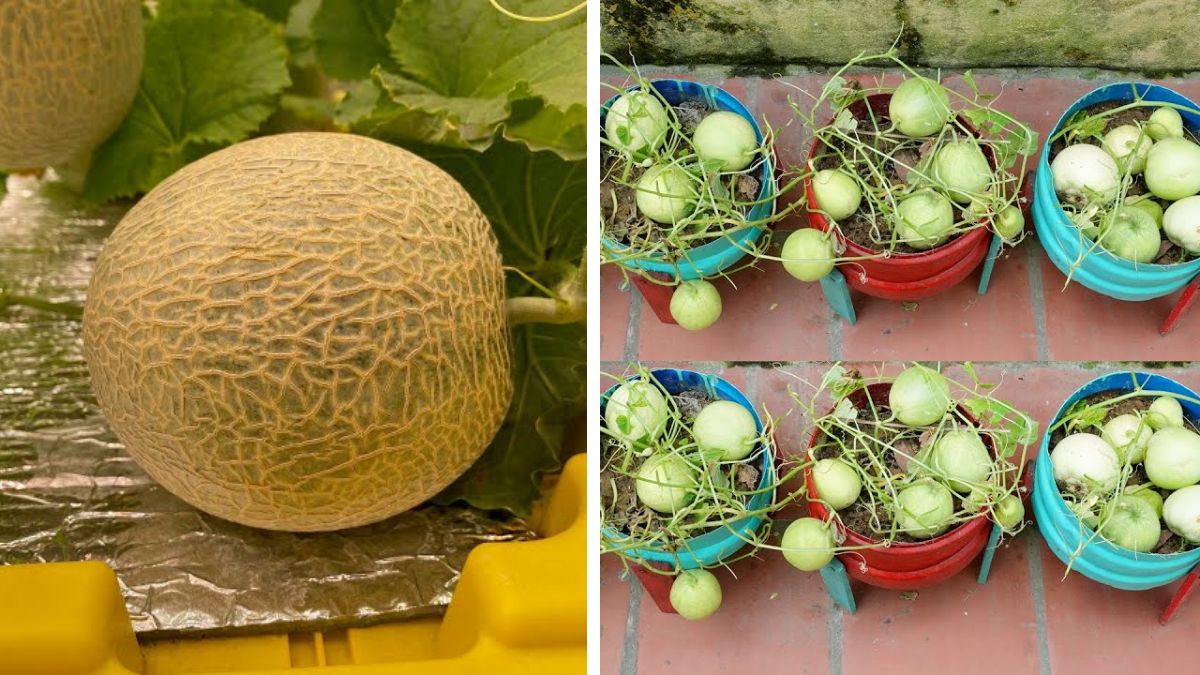
Whether you’re growing gourds, cucumbers, bottle gourd, grapes, beans, or flowering vines like morning glory—buckets offer surprising flexibility and success.
1. Choosing the Right Bucket Size
One of the biggest factors in growing strong vines is choosing the correct bucket size.
Minimum Bucket Requirements:
- Depth: 12–15 inches
- Width: 12–18 inches
- Capacity: 20–30 liters
Most vine vegetables have deep-root systems that need room to spread. Using small pots restricts roots, reduces growth, and lowers yield.
Important Tips:
- Always ensure your bucket has several drainage holes at the bottom.
- Use old paint buckets, tubs, or grow bags—anything deep and sturdy works.
- Avoid black plastic buckets in extreme heat; they absorb excessive heat.
2. Preparing the Perfect Soil Mix
Healthy vines start with healthy soil. Buckets tend to compact quickly, so a light, airy, nutrient-rich soil mix is essential.
Ideal Soil Mix for Bucket Vines:
- 40% garden soil
- 30% compost or cow dung manure
- 20% cocopeat or sand
- 10% perlite/vermiculite (optional, but improves drainage)
This mix ensures:
- Excellent root aeration
- Good moisture retention
- Reduced chances of fungal disease
- Long-term nutrient availability
Why compost is essential?
Vines are heavy feeders. Without compost, growth becomes slow, leaves turn pale, and fruits remain small. Compost releases nutrients gradually so your plants remain strong for months.
3. Sowing Seeds or Planting Seedlings
You can either start your vines from seeds directly in the bucket or transplant seedlings.
Direct Sowing Steps:
- Fill the bucket with soil mix.
- Sow 2–3 seeds about 1 inch deep.
- Water gently.
- Once seedlings emerge, keep only the strongest plant and remove the rest.
Transplanting Seedlings:
- Use 15–20 days old seedlings.
- Transplant in the evening to avoid transplant shock.
- Keep the soil moist for the next 2–3 days.
Avoid overcrowding
Only one vine per bucket is recommended for best growth.
4. Sunlight Requirements for Healthy Vines
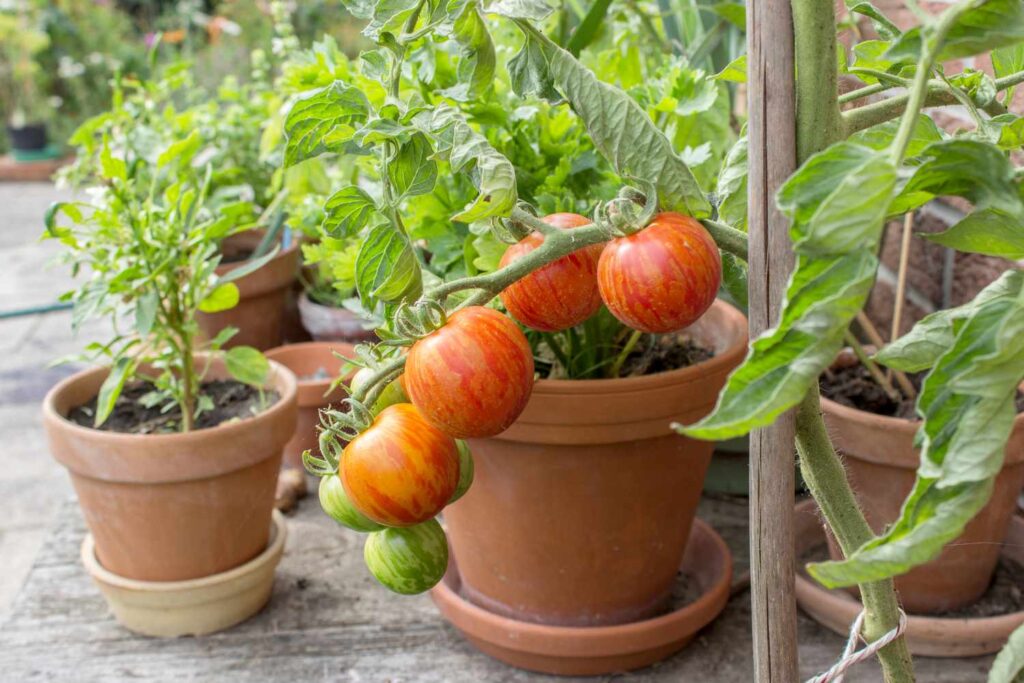
Most vine vegetables need at least 5–7 hours of sunlight daily. Sunlight drives photosynthesis and helps vines produce strong stems and abundant fruits.
If sunlight is limited:
- Place buckets against a bright wall
- Use reflective surfaces (foil sheets, white tiles)
- Move the bucket periodically for better exposure
Vines grown in shade often become weak, pale, and prone to disease.
5. Building the Perfect Support System (Trellis)
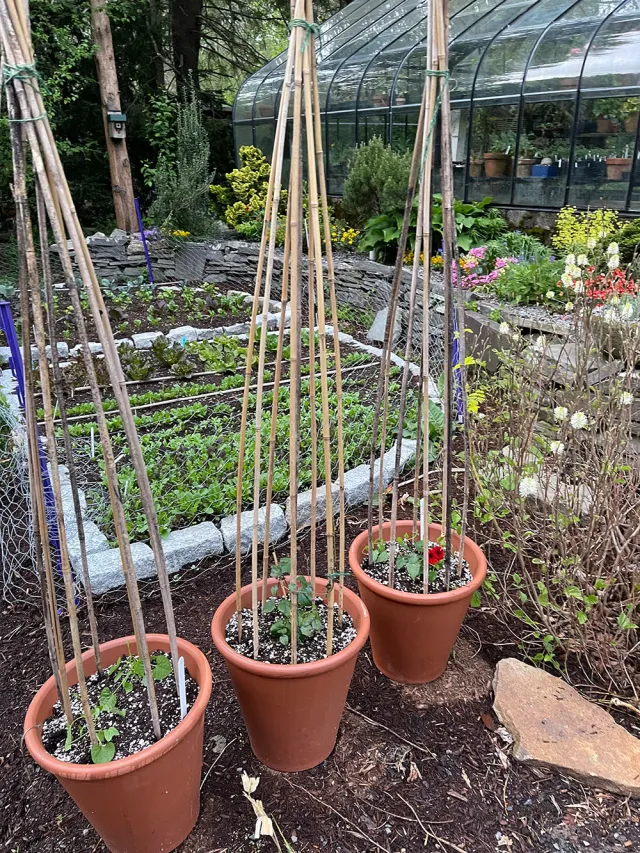
A trellis is the backbone of successful vine gardening in buckets. Without support, vines get tangled, fruits fall off, or the stems snap.
Best Trellis Options:
- Bamboo sticks
- Nylon net
- Metal frames
- Rope structures
- Wall-mounted grills
- Balcony railings
Trellis Height: 5–7 feet minimum
Fixing the Trellis:
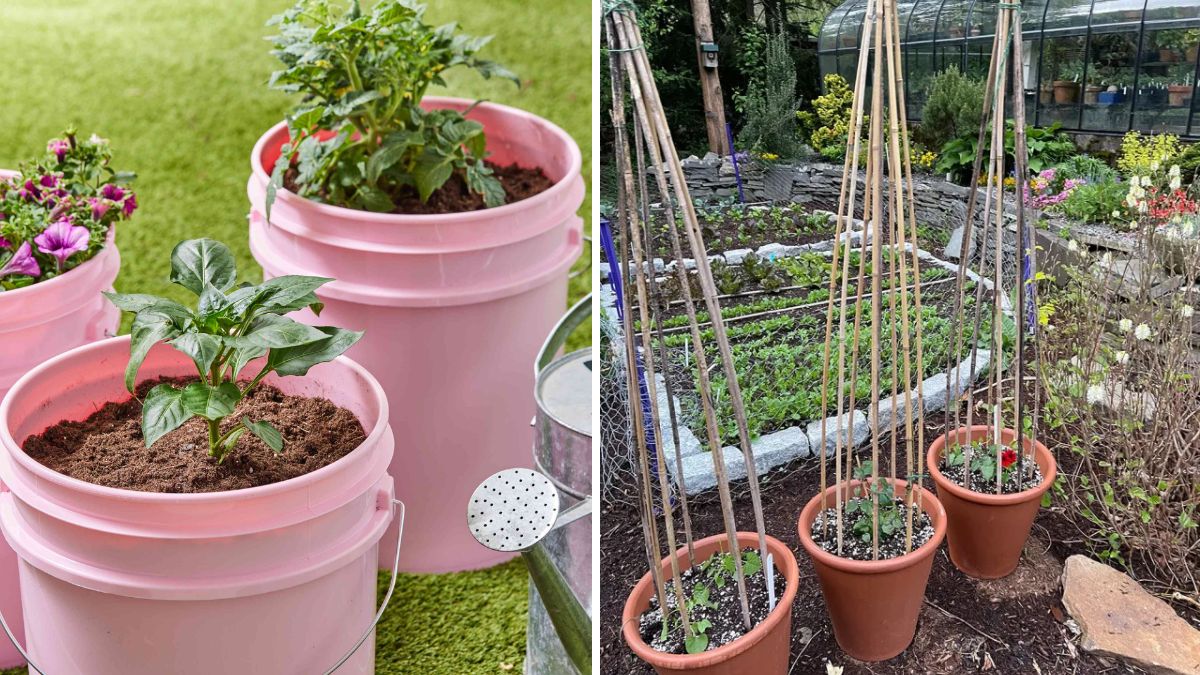
- Insert bamboo sticks into the bucket before planting
- Tie ropes from the bucket to a hook or railing
- Use soft cloth or jute strings to tie vines gently
Never tie vines tightly—this restricts growth and damages stems.
6. Watering the Right Way
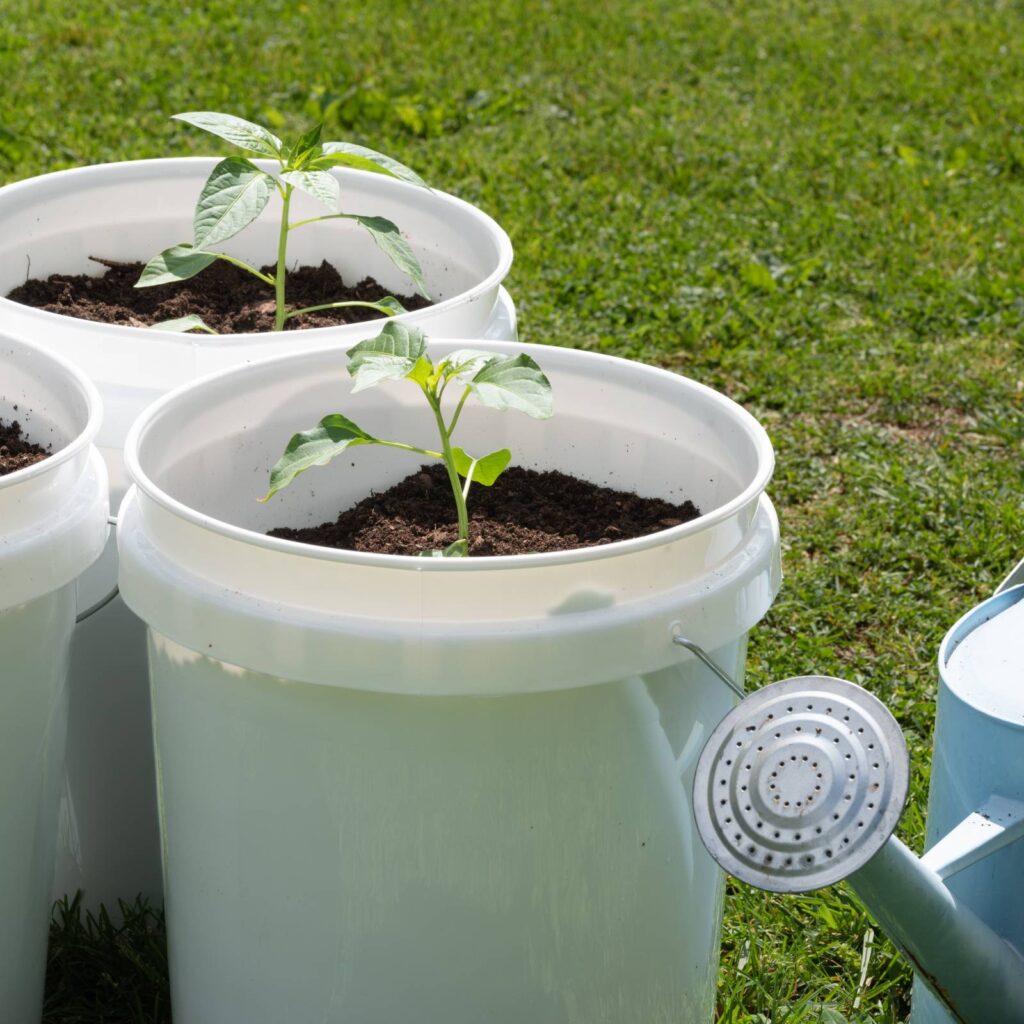
Vines love moisture but hate soggy conditions. Proper watering keeps your bucket garden thriving.
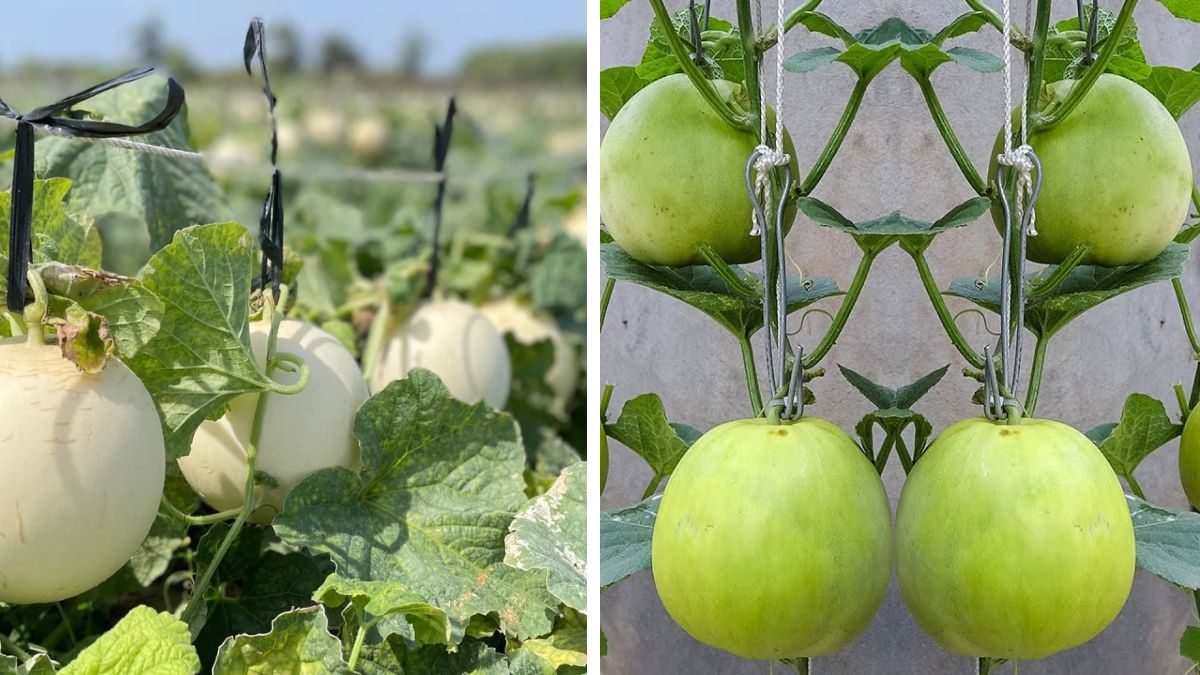
Watering Tips:
- Water daily during summer
- Water every 2 days during cooler months
- Always check moisture by pushing your finger 1 inch into soil
- Water at the base—not on leaves
Signs of underwatering:
- Drooping leaves
- Dry, cracked soil
- Slow growth
Signs of overwatering:
- Yellowing leaves
- Mushy stems
- Fungal smell in soil
A balanced schedule keeps roots strong and fruits healthy.
7. Feeding Your Bucket Vines: Fertilizer Guide
Vines are nutrient-hungry. Feeding them regularly ensures lush leaves and abundant harvests.
Best Organic Fertilizers:
- Vermicompost
- Well-rotted cow dung
- Banana peel fertilizer
- Seaweed extract
- Mustard cake fertilizer (soaked)
- Compost tea
Fertilizing Schedule:
- First feeding: 15 days after planting
- Then: every 10–12 days during growth
- During flowering/fruiting: use potassium-rich fertilizers like banana peel water
Avoid excessive nitrogen—it leads to leafy plants but poor fruiting.
8. Common Problems When Growing Vines in Buckets & How to Fix Them
Growing in containers requires close attention. Here are the most common issues:
1. Yellow Leaves
Cause: Overwatering, nutrient deficiency
Solution: Improve drainage, add compost
2. Powdery Mildew
Cause: Poor air circulation
Solution: Prune dense areas, ensure good spacing
3. Small or deformed fruits
Cause: Lack of water, improper pollination
Solution: Maintain even watering, hand-pollinate if needed
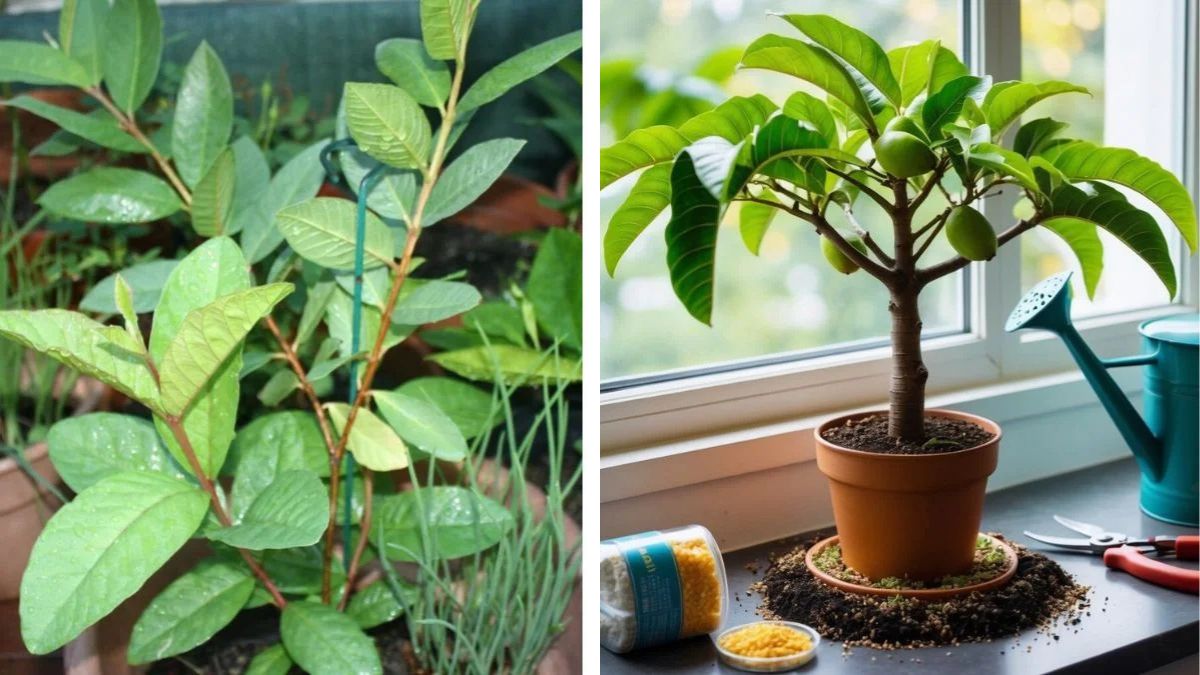
4. Vines drying suddenly
Cause: Root rot or excessive heat
Solution: Move bucket to shade, improve soil drainage
5. Weak vines that won’t climb
Cause: Not enough sunlight or poor support
Solution: Provide stronger trellis, improve sunlight exposure
9. Pruning and Training the Vines
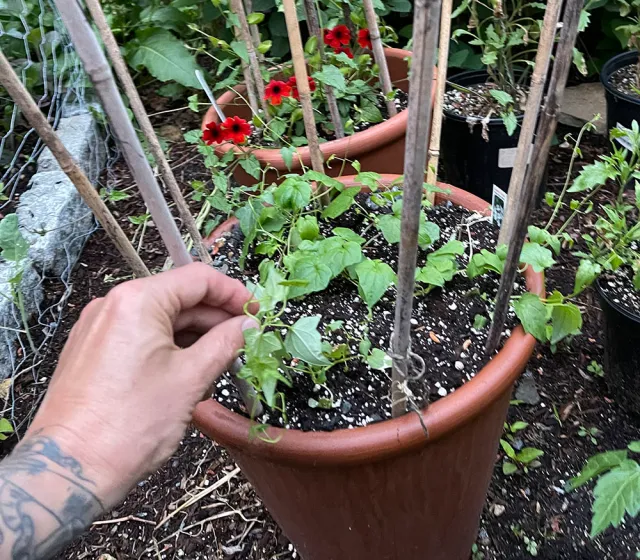
Training vines makes them stronger and more productive.
How to train vines:
- Guide young stems gently onto the trellis
- Remove weak side shoots
- Pinch the growing tip once vines reach the top of the trellis
- Keep the center ventilated
Proper pruning increases airflow, prevents disease, and boosts yield.
10. Harvesting Your Bucket-Grown Vines
Once vines mature, you’ll be rewarded with fresh, homegrown produce.
Harvesting Tips:
- Pick fruits when they are firm and correctly sized
- Do not let fruits overripen—they slow down new growth
- Beans should be picked when tender
- Gourds and cucumbers should be harvested early for best taste
Continuous harvesting encourages the plant to produce more.
Final Thoughts: Growing Vines in Buckets Is Easier Than You Think
With the right bucket, good soil, proper sunlight, and a strong support system, vines grow incredibly well in limited spaces. Whether you’re nurturing cucumbers, bottle gourd, beans, or flowering climbers, growing vines in buckets offers flexibility, beauty, and harvests that can rival in-ground gardens.