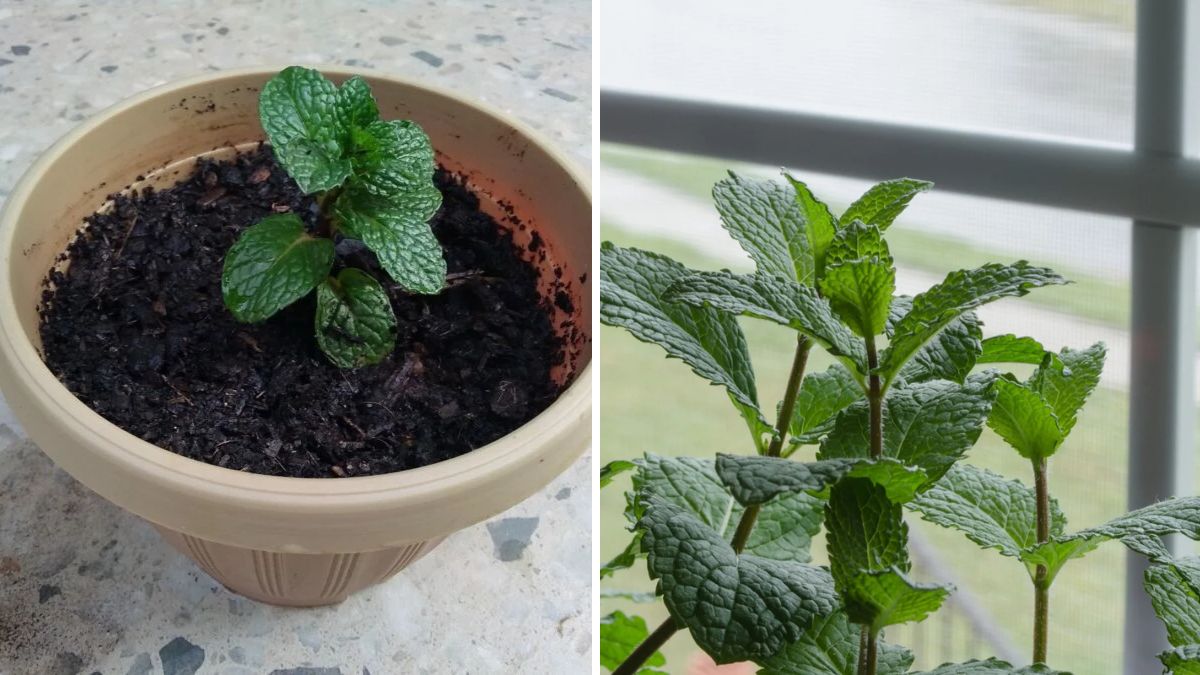
Mint is one of the easiest—and most rewarding—herbs you can grow at home. Its refreshing aroma, fast growth, and incredible versatility make it a favorite for gardeners of all levels. Whether you’re planting in pots, in the ground, or on a sunny windowsill, mint will grow abundantly when given the right conditions. This complete guide breaks down everything you need to know to grow mint successfully, from planting to harvesting and long-term care.
** Why Grow Mint?
The Benefits of This Incredible Herb**
Mint is more than just a flavorful garnish. It’s a powerhouse herb with multiple uses:
✔ Culinary Uses
Fresh mint enhances teas, chutneys, salads, desserts, refreshing drinks, and more.
Varieties like spearmint and peppermint offer unique flavors that elevate dishes instantly.
✔ Health Benefits
Mint leaves are known for their digestive benefits. They soothe stomach discomfort, reduce bloating, and promote relaxation. Rich in antioxidants, mint also supports immunity and overall wellness.
✔ Easy and Fast Growing
Mint grows vigorously—even for beginners. With minimal effort, it spreads quickly and produces a continuous supply of fresh leaves all year round.
✔ Perfect for Small Spaces
Mint thrives in pots, balconies, kitchen windowsills, and vertical gardens. You don’t need a large garden to grow it successfully.
Choosing the Right Mint Variety
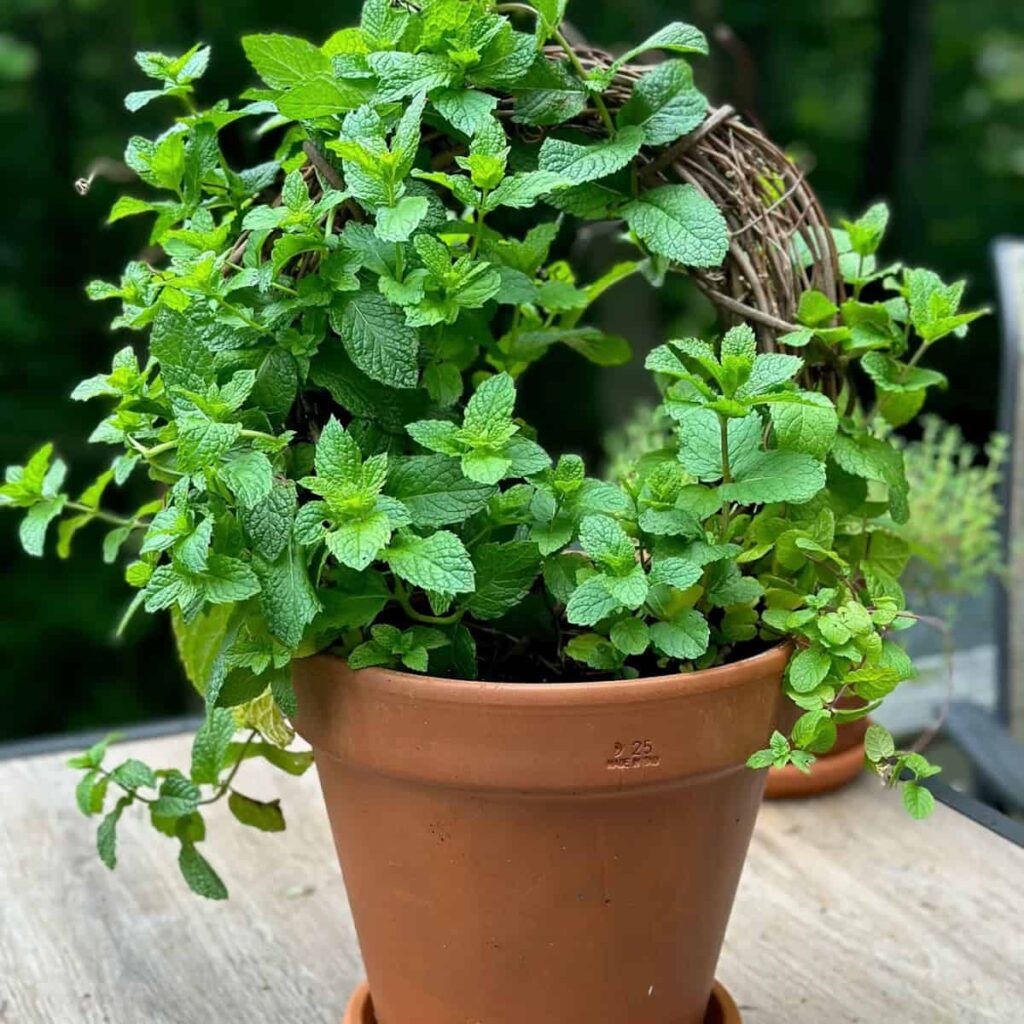
Mint comes in many varieties. Here are some popular choices:
- Spearmint – Mild flavor, perfect for cooking.
- Peppermint – Strong, cooling taste; great for teas and beverages.
- Chocolate Mint – Slight cocoa aroma; ideal for desserts.
- Lemon Mint – Refreshing citrus aroma; perfect for drinks.
- Apple Mint – Fruity notes that enhance salads and garnishes.
Choose a variety based on your flavor preference and intended use. All varieties thrive under similar growing conditions.
Where to Grow Mint: Pots or Soil?
Mint can grow in pots, grow bags, or directly in the ground. However, mint spreads aggressively. Its roots—called runners—expand rapidly and can take over your garden.
✔ Growing Mint in Pots (Highly Recommended)
- Controls spreading
- Easy to maintain
- Suitable for balconies and small spaces
- Allows you to move the plant for better sunlight
Choose a pot 8–10 inches deep with good drainage.
✔ Growing Mint in Soil
Mint grows very vigorously in open soil. If planting in the ground, use a root barrier to prevent over-spreading.
Sunlight Requirements
Mint grows best with:
- 3–5 hours of indirect sunlight
- Partial shade in hot regions
- Morning sun and afternoon shade
Direct harsh sunlight can scorch the leaves, while too little light results in weak, leggy growth.
Soil Requirements
Mint prefers:
- Well-draining, moist soil
- pH between 6.0 and 7.0
- Nutrient-rich, loose soil
Make a simple growing mix:
DIY Mint Potting Mix
- 40% garden soil
- 40% compost or cow dung manure
- 20% cocopeat
This mix keeps the soil airy, moist, and nutrient-rich.
How to Plant Mint: Step-by-Step Guide
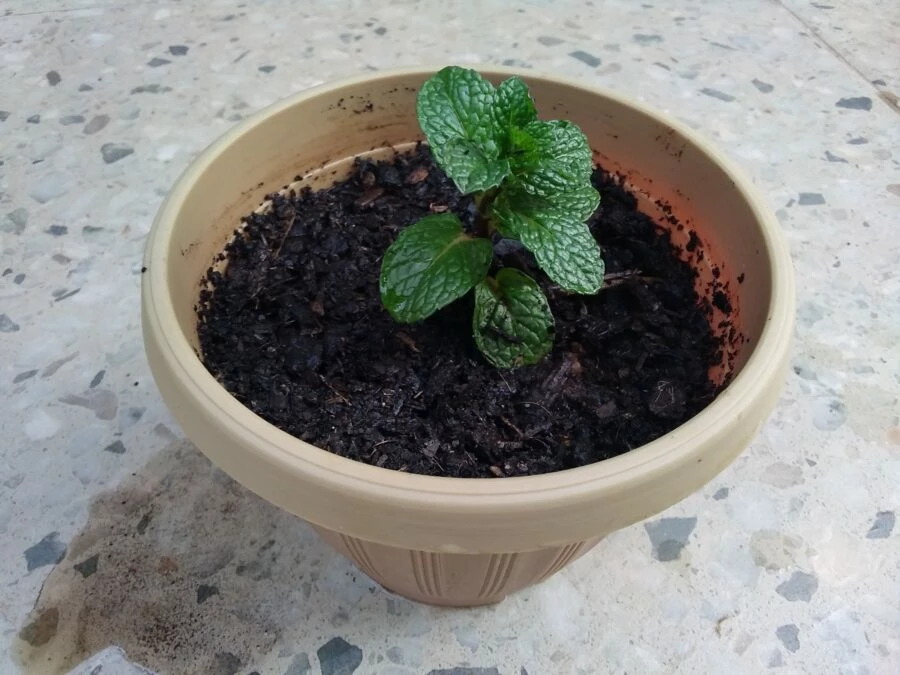
Mint can be grown from cuttings, seeds, or root divisions. Growing from cuttings is the easiest and fastest method.
✔ Growing Mint from Cuttings
- Take a healthy mint stem (4–6 inches long).
- Remove the lower leaves.
- Place the stem in a glass of water.
- Roots will appear within 5–7 days.
- Transplant rooted stems into potting soil.
✔ Growing Mint from Seeds
- Sow seeds on the soil surface—do not bury deeply.
- Mist with water.
- Keep the soil consistently moist.
- Germination takes 10–14 days.
✔ Growing Mint from Root Divisions
If you already have a mint plant:
- Gently separate part of its root system.
- Replant the divided section into a new pot.
This method ensures quick growth.
Watering Mint the Right Way
Mint loves moisture, but not waterlogged conditions.
Watering Tips
- Water when the topsoil feels slightly dry.
- In summer: water daily or every alternate day.
- In winter: reduce watering frequency.
- Keep the soil evenly moist at all times.
Avoid letting the soil dry out completely, as it can cause leaves to wilt and reduce aroma.
Fertilizing for Lush Growth
Mint doesn’t require heavy feeding, but a boost helps in continuous growth.
✔ Organic Fertilizer Options:
- Compost
- Vermicompost
- Cow dung manure
- Seaweed extract (liquid)
✔ Feeding Schedule:
- Add compost every 30–45 days.
- Spray liquid fertilizer once every 15 days for strong, green leaves.
Pruning: The Secret to Bushy Mint
Mint grows tall and leggy if not pruned regularly.
Prune the plant:
- Every 2–3 weeks
- By cutting the top 2–3 inches
- Just above a leaf node
Pruning encourages side growth, making your plant bushier and healthier.
Common Problems and Solutions
Mint is a hardy herb but may face a few issues:
✔ Yellow Leaves
Cause: Overwatering or nutrient deficiency
Fix: Improve drainage and add compost
✔ Weak, Leggy Growth
Cause: Low sunlight
Fix: Move to a brighter spot with indirect light
✔ Pests (Aphids, whiteflies)
Fix: Spray neem oil every 10–15 days
Harvesting Mint for Maximum Flavor
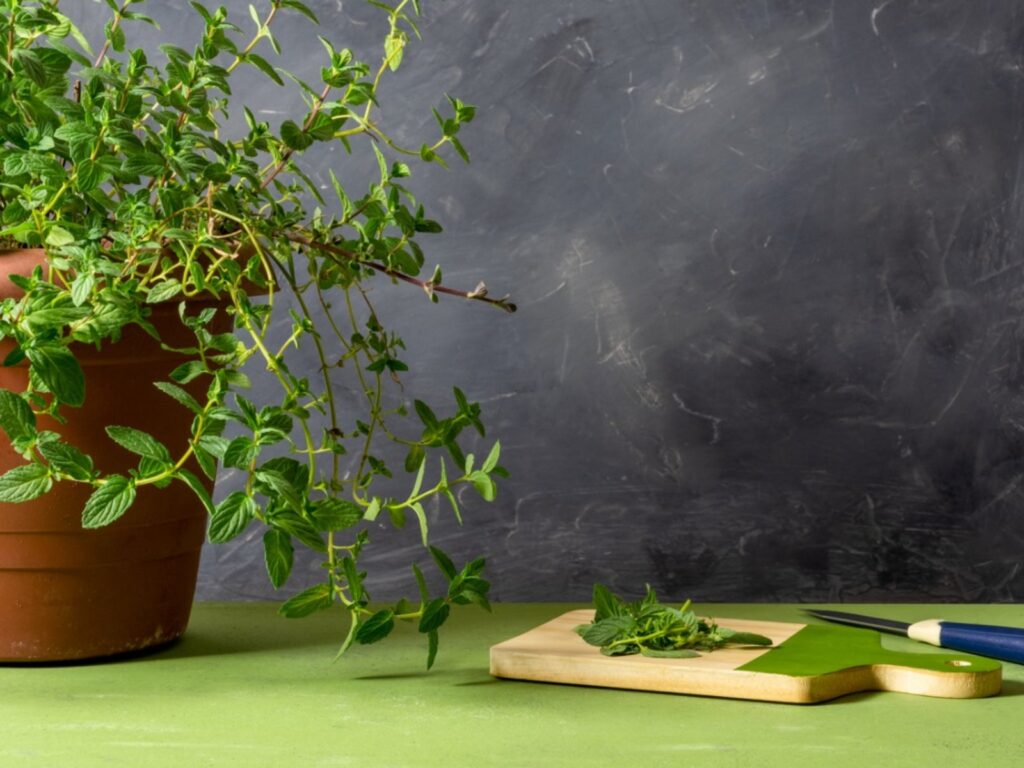
You can start harvesting once the plant reaches 8 inches tall.
✔ How to Harvest:
- Snip the top leaves using scissors
- Never harvest more than 1/3rd of the plant at a time
- Harvest early morning for best flavor
Regular harvesting encourages more growth and stronger aroma.
Propagating Your Mint
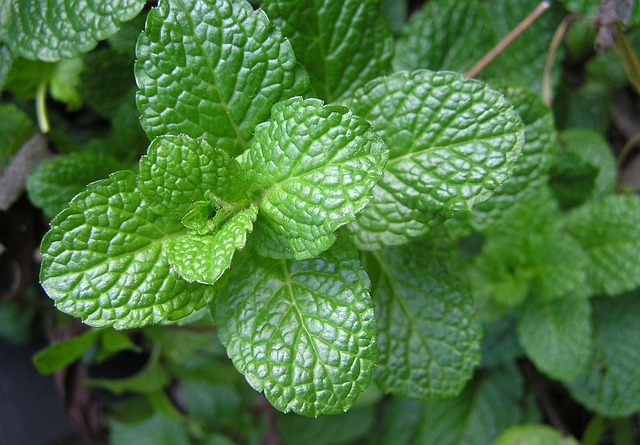
Want endless mint plants?
Simply cut a healthy stem, place it in water, allow roots to form, and replant.
You can multiply your mint garden at no cost!
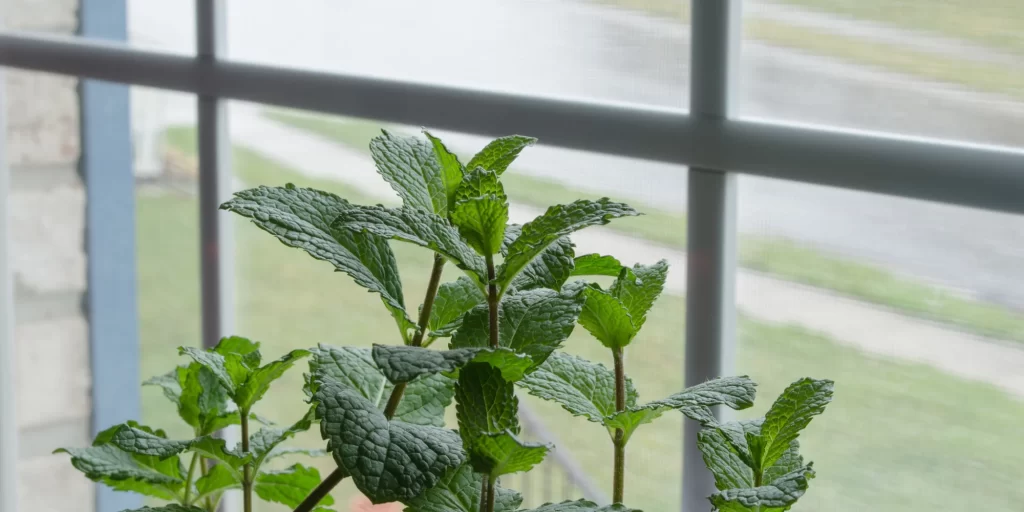
Growing Mint Indoors
Mint grows beautifully indoors if you ensure:
- A bright windowsill
- Good airflow
- Consistent moisture
- Occasional pruning
Indoor mint adds fragrance to your home and keeps fresh herbs always within reach.
Final Tips for Successfully Growing Mint
- Always plant mint in a pot if you want to control spreading.
- Keep the soil moist but never waterlogged.
- Prune regularly for a fuller, bushier plant.
- Provide indirect light for healthy growth.
- Harvest often to stimulate new leaves.
With just a little care, your mint plant will reward you with continuous, fragrant, and flavorful leaves throughout the year.