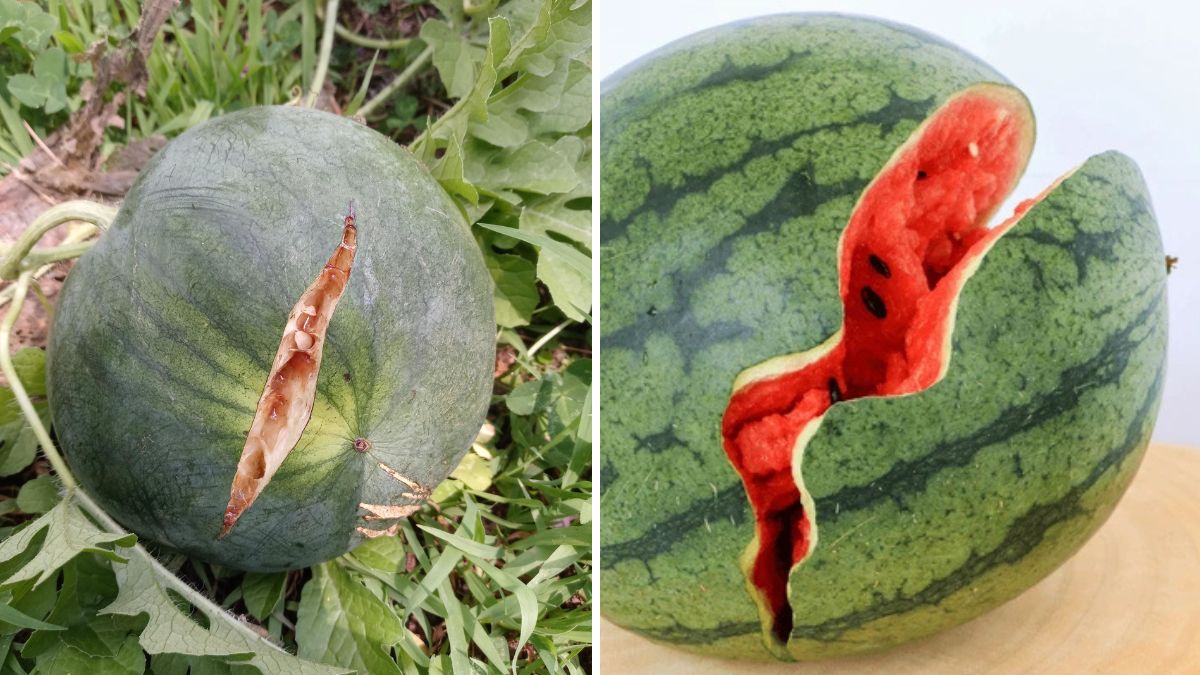
Watermelon plants are a joy to grow—lush vines, bright yellow flowers, and finally those big, juicy fruits that promise refreshment on a hot day. But nothing is more disappointing than walking into the garden and finding your watermelons split open before they’re fully ripe. Many gardeners face this problem, and the good news is: watermelon cracking is completely preventable once you understand why it happens.
In this detailed guide, we’ll explore all the possible causes of watermelon cracking, how to identify them, and the exact steps you can take to stop it from happening again. If your watermelons have cracked this season, you’re about to discover what went wrong and how to grow perfect fruits next time.
Why Do Watermelons Crack? The Real Reason Behind the Split
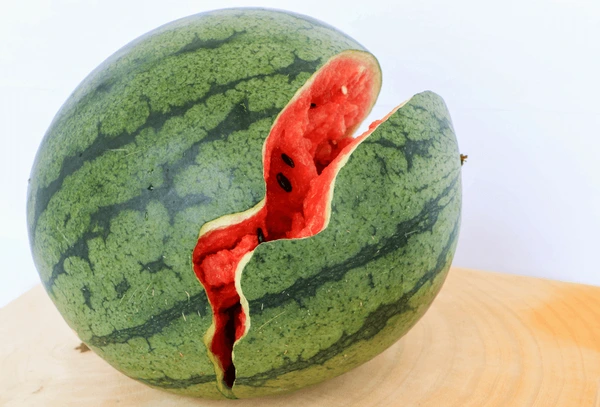
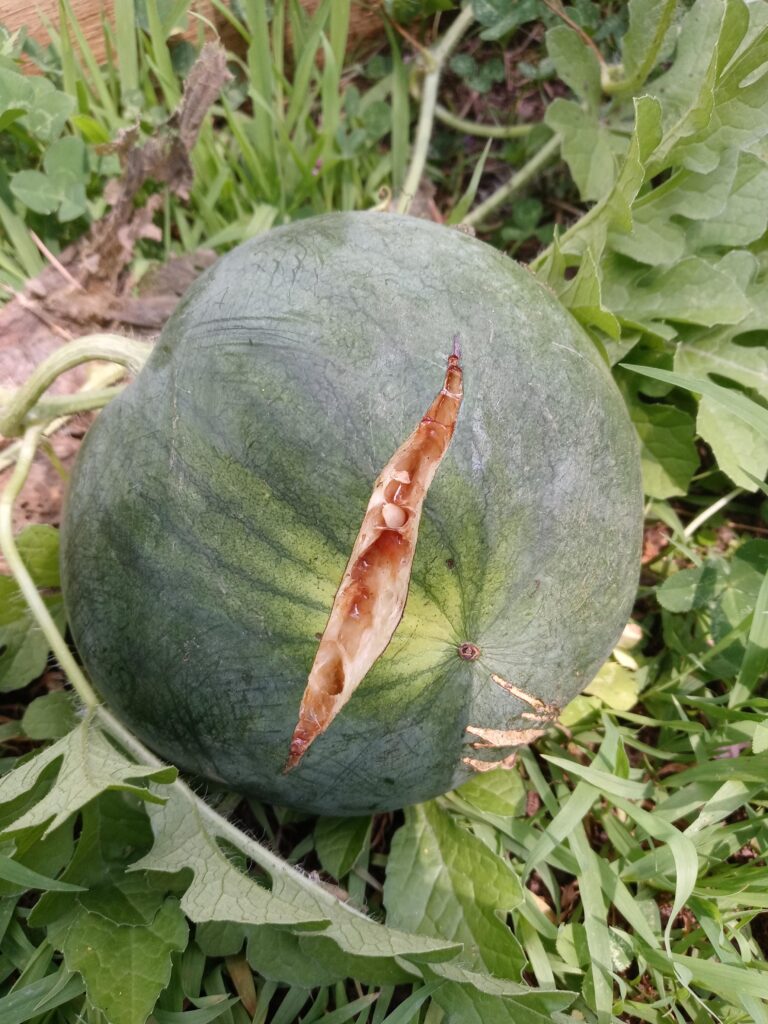
When watermelons crack, it’s almost always due to a sudden change in internal pressure. Think of a balloon—add too much air too quickly, and it pops. Watermelons act the same way.
Here are the most common triggers:
1. Sudden Water Intake After Dryness
This is the number one cause. When the soil is dry for many days and the plant suddenly receives a lot of water—either from heavy rain or deep watering—the fruit absorbs water too fast.
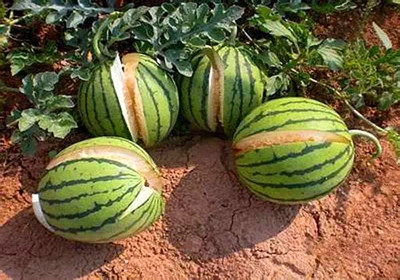
The pulp expands, but the rind can’t stretch quickly enough, leading to:
- Splitting at the top
- Ring-like cracks
- Burst open fruits
This is especially common when the fruits are close to maturity.
2. Irregular Watering Routine
Inconsistent watering stresses the plant. If the moisture level keeps switching between dry and wet, internal pressure builds unevenly, making cracking more likely.
3. Overripe Watermelons
If a watermelon stays too long on the vine, the rind becomes harder while the pulp inside keeps growing and pushing outward. Eventually, it splits.
4. Too Much Nitrogen
High nitrogen encourages fast growth—too fast.
This rapid swelling makes the fruit vulnerable to cracking, especially if rain follows fertilizing.
5. Genetic Variety
Some watermelon varieties naturally have thinner rinds, making them more sensitive to water changes. Small sugar baby types crack more easily than thick-rind varieties.
Signs Your Watermelons Are About to Crack
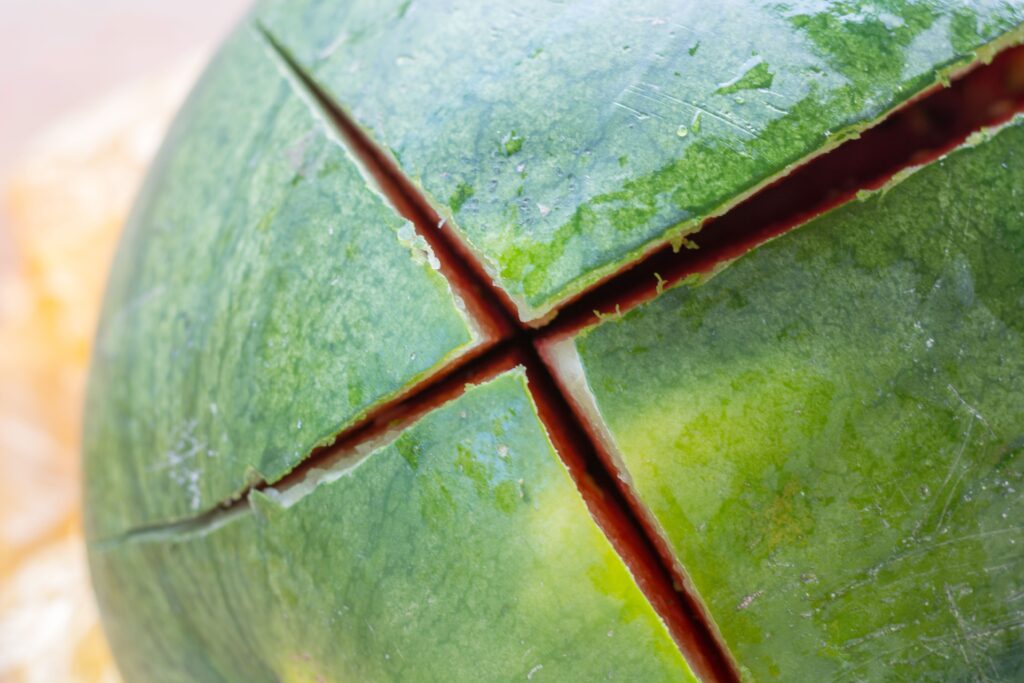
If you notice the following, cracking may be near:
- A sudden swelling of the fruit
- Hairline cracks around the stem
- Rind turning glossy and overly tight
- Increased sweetness earlier than expected
Catching these signs early can save your harvest.
How to Prevent Watermelons from Cracking: Proven Methods
Now that you know why your watermelons cracked, here’s what to do to stop it from happening again.
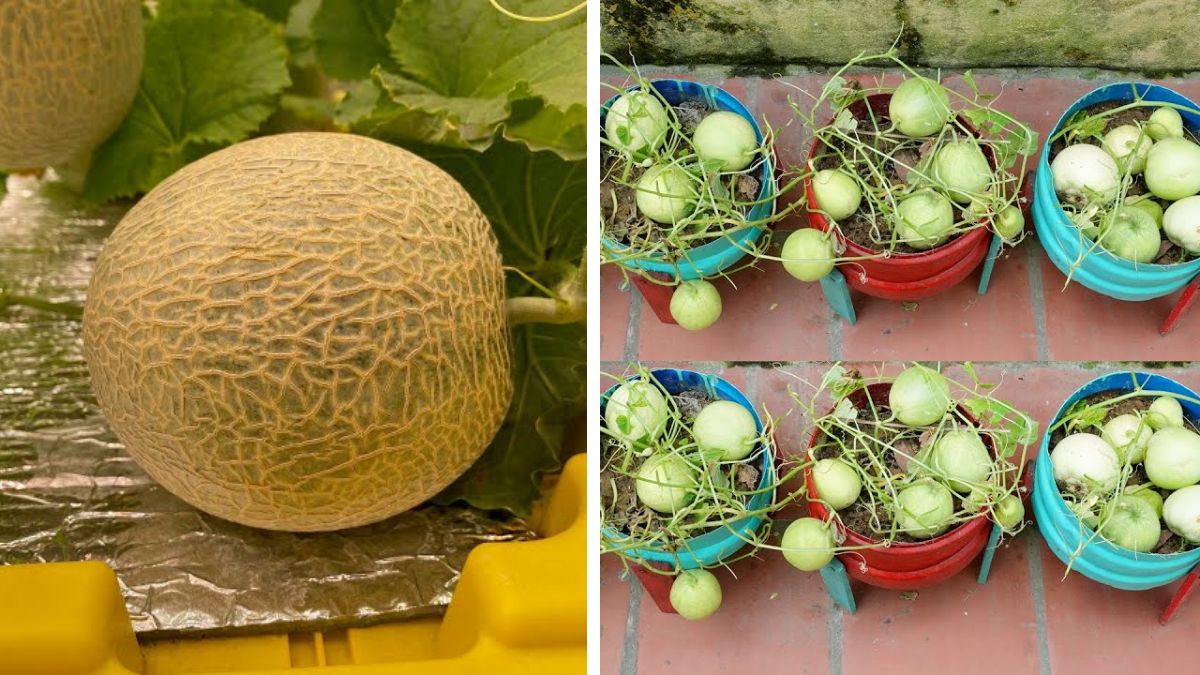
1. Maintain Even Watering – The Most Important Step
Watermelons need consistent moisture, especially during fruit development. Here’s how:
- Water deeply once every 3–4 days during dry periods.
- Avoid long dry spells followed by heavy watering.
- Use drip irrigation or a soaker hose instead of overhead watering.
Tip: If heavy rain is forecast after a dry week, lightly irrigate the bed beforehand to even out the moisture level.
2. Use Mulch to Keep Soil Moist
Mulching helps keep the soil moisture stable, preventing rapid water absorption.
Use any of these:
- Straw
- Dried leaves
- Coco husk
- Grass clippings
Apply a 5–7 cm layer around the base of the plant, keeping it away from the stem.
3. Fertilize Wisely – Avoid Excess Nitrogen
Too much nitrogen = rapid fruit growth = cracking.
Instead:
- Apply nitrogen only during the early vine stage.
- Once flowers appear, switch to potassium-rich fertilizers.
Potassium strengthens the rind, reducing cracking.
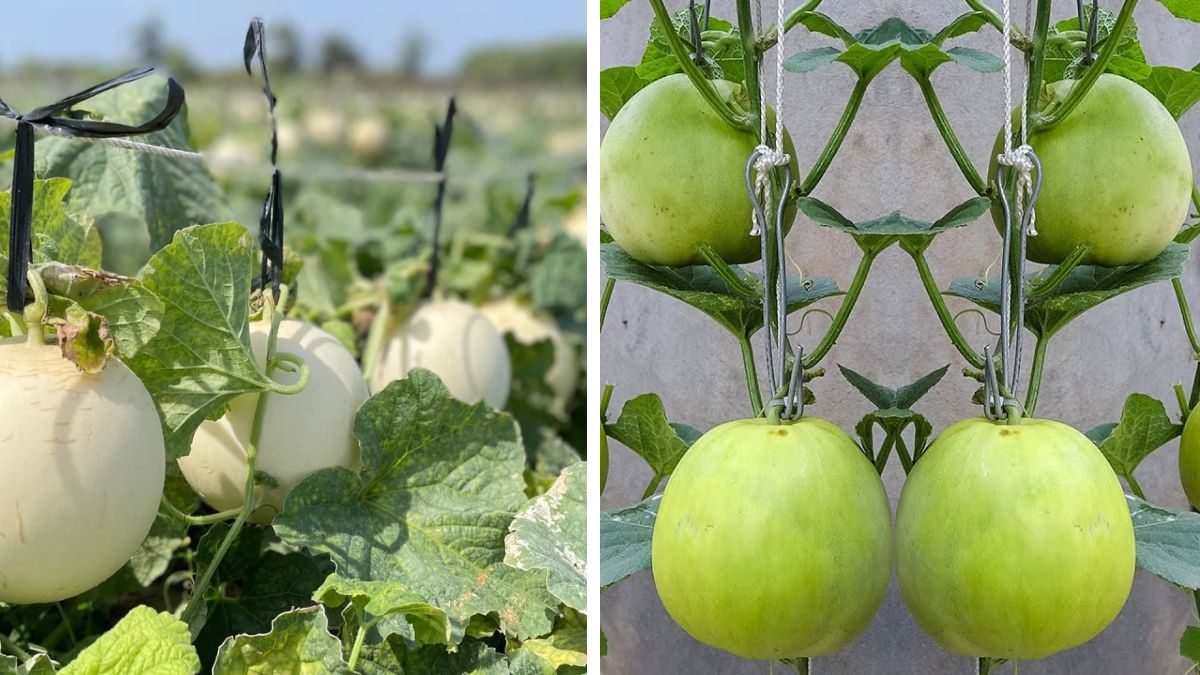
Recommended fertilizers:
- Wood ash (natural potassium)
- Banana peel compost
- NPK 5-10-20 or similar
- Liquid seaweed
4. Choose Crack-Resistant Varieties
If cracking is common in your climate, look for these hardy types:
- Crimson Sweet
- Jubilee
- Charleston Gray
- Black Diamond
Thick-rind cultivars do much better in areas with unpredictable rainfall.
5. Harvest at the Right Time
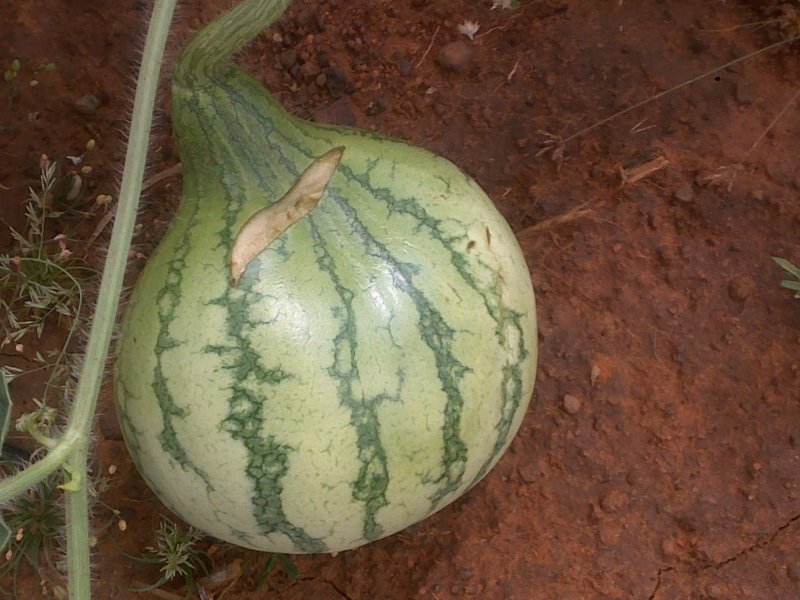
Overripe fruits crack easily. Learn to spot perfect maturity:
- The tendril near the stem turns brown and dry
- The underside turns creamy yellow
- The rind becomes tough and dull
- The fruit gives a deep, hollow sound when tapped
Never leave ripe fruits on the vine for too long, especially during rainy days.
6. Improve Drainage
If water sits around the plant for long, it causes sudden uptake when the roots finally absorb it.
You can:
- Plant on raised beds
- Add sand or compost to loosen the soil
- Ensure water flows away from the bed
Good drainage keeps the moisture level stable.
7. Protect Fruits From Direct Sunlight
Sometimes intense heat can soften the rind, making it vulnerable to cracking.
To prevent this:
- Keep vines thick and spread out
- Place straw under fruits
- Allow leaves to shade the fruit naturally
What to Do With Watermelons That Have Already Cracked?
Don’t waste them!
If the crack is fresh and clean:
- Harvest immediately
- Cut away damaged portions
- Eat or chill the remaining part
If the crack is old or has insects:
- Discard it
- Compost it if no disease is present
Cracked watermelons rot quickly—always harvest the same day.
Is Cracking a Sign of Sweetness?
Surprisingly, yes!
Many gardeners say that the sweetest fruits are the ones that crack. This happens because:
- High sugar content draws in water more quickly
- The pulp grows rapidly
- Pressure builds inside
So although cracking is a problem, it also means the fruit was nearly perfect.
Final Thoughts: Watermelon Cracking Is Easy to Fix
If your watermelons cracked this season, don’t be discouraged—it happens even to experienced growers. The key is understanding the real cause: sudden water pressure changes inside the fruit.
With consistent watering, the right fertilizer, mulch, and proper harvesting timing, you can grow perfect, crack-free watermelons every year.