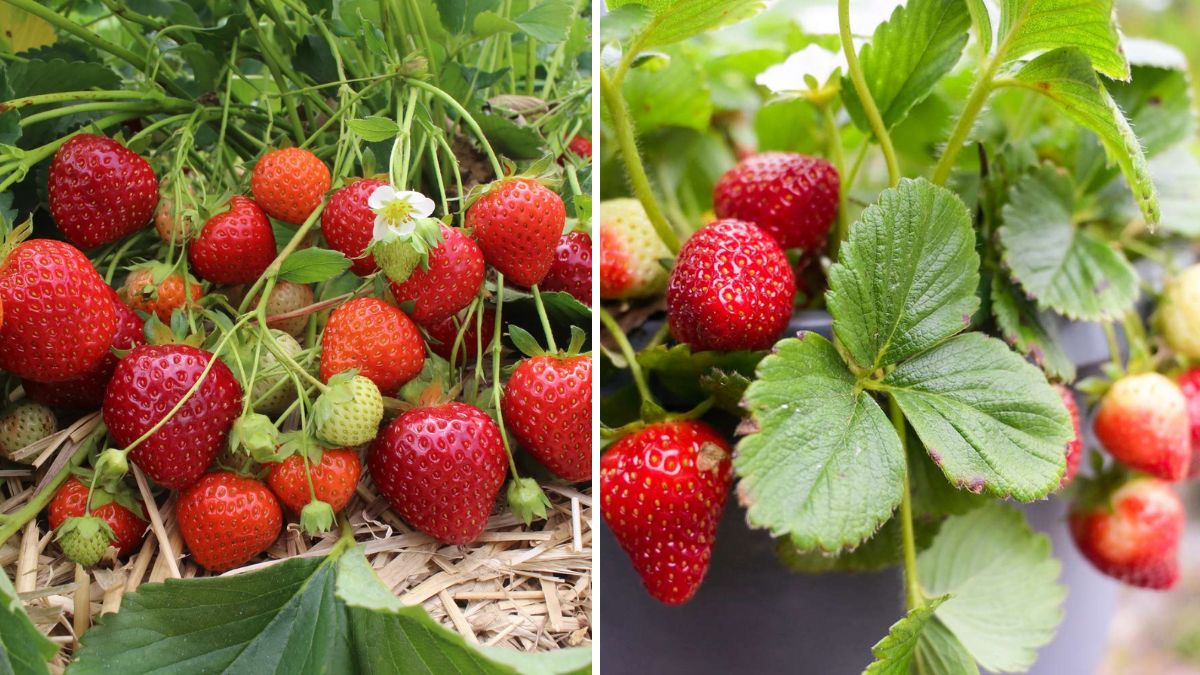
Strawberries are among the most beloved fruits worldwide, cherished for their sweetness, aroma, and versatility in desserts, smoothies, and fresh snacks. While many associate strawberry cultivation with large garden plots, growing them in boxes or containers is a practical and rewarding alternative. With the right techniques, you can enjoy fresh, juicy strawberries right on your balcony, terrace, or small backyard. In this guide, we’ll reveal the secrets to growing strawberries in boxes, from choosing varieties to harvesting delicious fruit.
Why Grow Strawberries in Boxes?
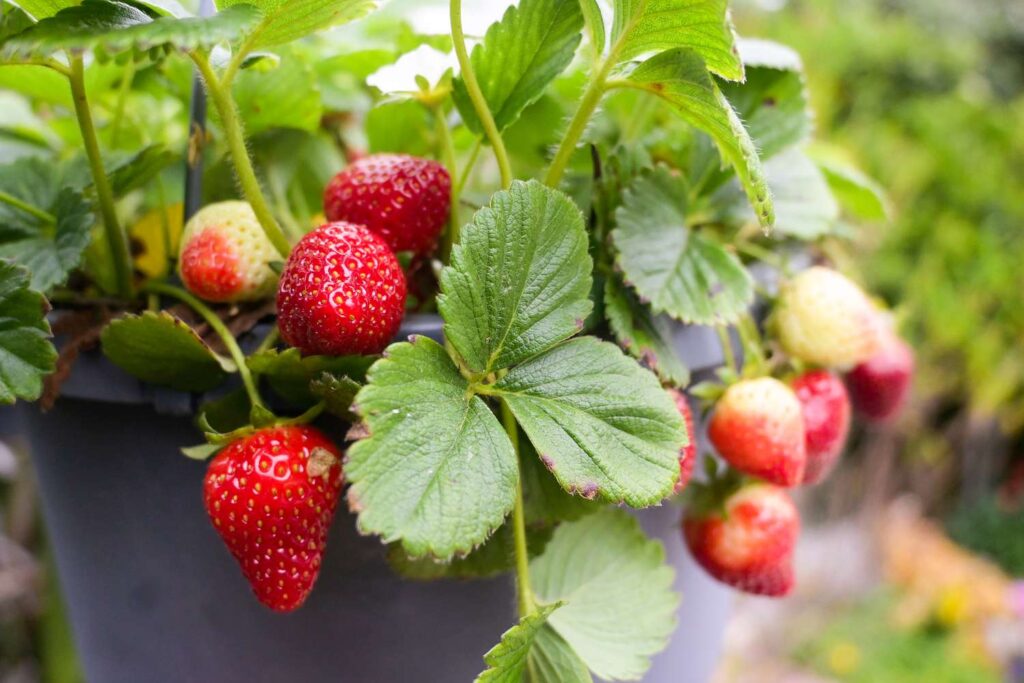
Growing strawberries in boxes offers several advantages over traditional ground planting:
- Space Efficiency: Perfect for small gardens, balconies, or urban settings where ground space is limited.
- Control Over Soil: Using boxes allows you to provide nutrient-rich, well-draining soil for optimal growth.
- Reduced Pest Problems: Elevated containers minimize exposure to slugs, snails, and certain soil-borne diseases.
- Ease of Harvesting: Fruits are easily accessible without bending or kneeling.
- Mobility: Boxes can be moved to optimize sunlight exposure or protect plants from harsh weather conditions.
Choosing the Right Strawberry Variety
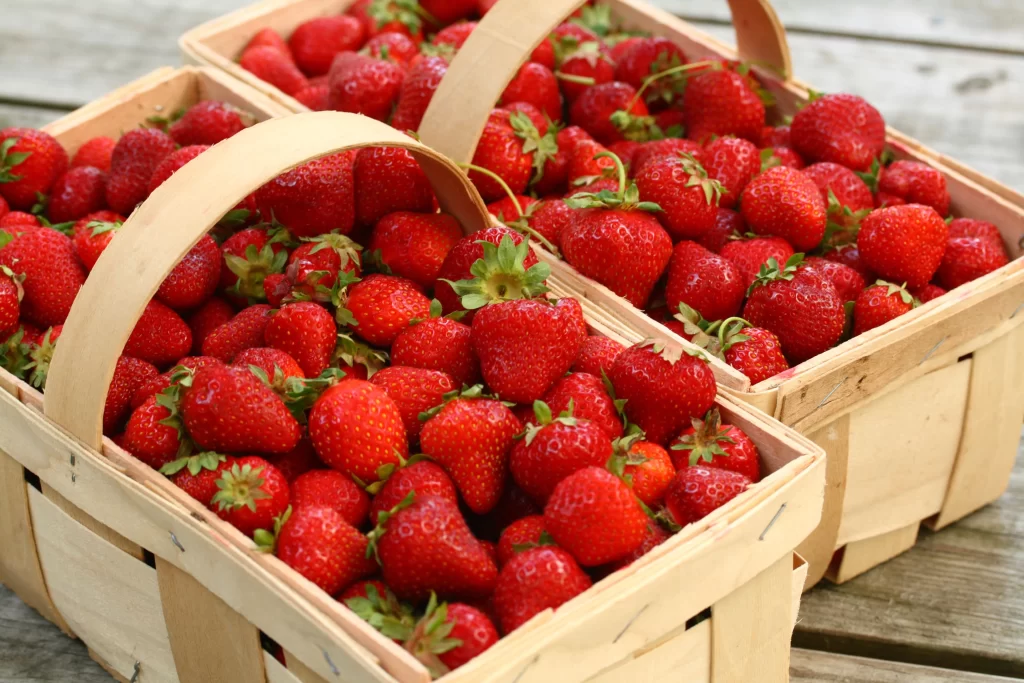
Not all strawberry varieties perform well in boxes. For container growth, look for compact, productive types:
- June-Bearing Varieties: Produce a single large crop in early summer. Examples include ‘Chandler,’ ‘Earliglow,’ and ‘Honeoye.’
- Everbearing Varieties: Yield two to three harvests per season. Examples include ‘Albion,’ ‘Seascape,’ and ‘Ozark Beauty.’
- Day-Neutral Varieties: Produce fruit continuously as long as conditions are favorable. Examples include ‘Tribute’ and ‘Quinault.’
Selecting Boxes for Strawberry Cultivation
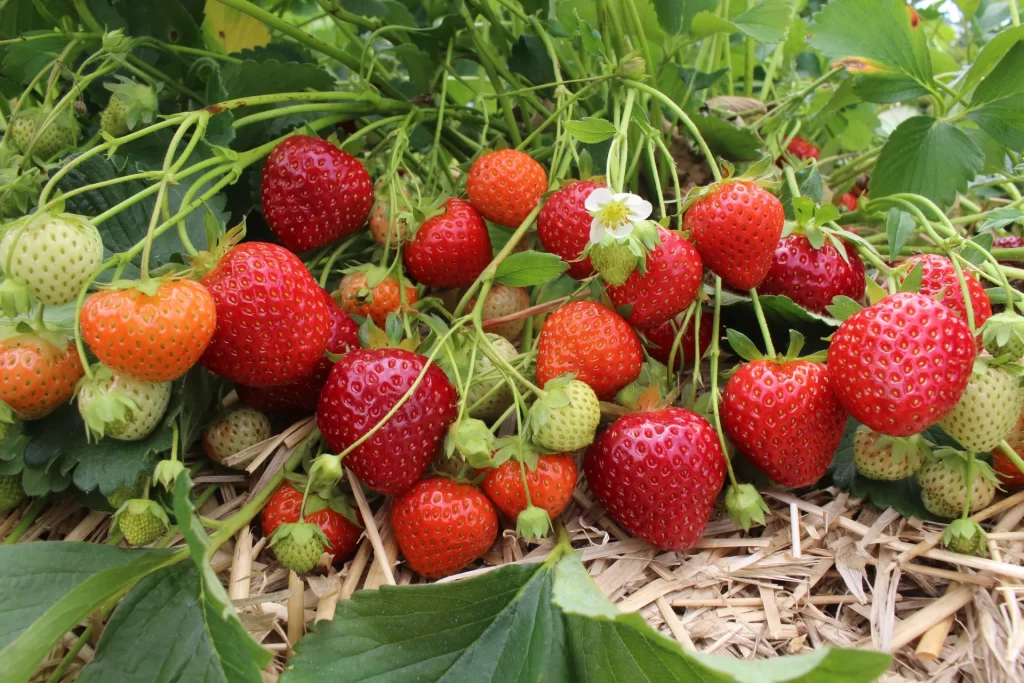
The choice of container is critical to success:
- Size: Use boxes at least 12–18 inches wide and 6–12 inches deep. Larger boxes accommodate more plants and provide better root space.
- Material: Wooden, plastic, or terracotta boxes work well. Wooden boxes offer insulation, while plastic is lightweight and durable.
- Drainage: Ensure the boxes have adequate drainage holes to prevent waterlogging and root rot.
Preparing the Soil
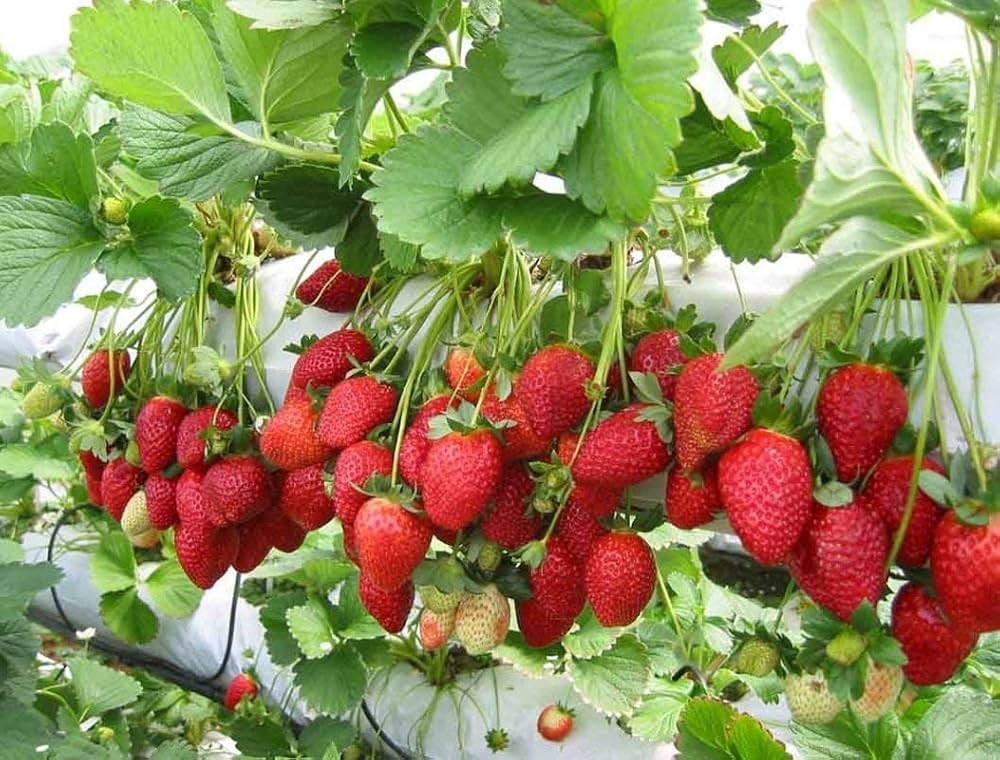
Strawberries thrive in light, well-draining soil enriched with organic matter. A healthy soil mix ensures strong growth and abundant fruiting:
- Soil Mix: Combine garden soil, compost, and coco peat or perlite to improve aeration and drainage.
- pH Level: Strawberries prefer slightly acidic soil with a pH of 5.5–6.5.
- Fertilization: Mix in a slow-release organic fertilizer or well-rotted compost to provide nutrients throughout the growing season.
Planting Strawberries in Boxes
- Positioning Plants: Place strawberry plants 8–12 inches apart to allow space for runners and airflow.
- Planting Depth: Ensure the crown (where roots meet the stem) is at soil level. Avoid burying it too deep, which can cause rot.
- Watering: Water immediately after planting to settle the soil around the roots.
- Mulching: Apply straw, coconut coir, or dried leaves to retain moisture, suppress weeds, and protect developing fruits.
Providing the Right Environment
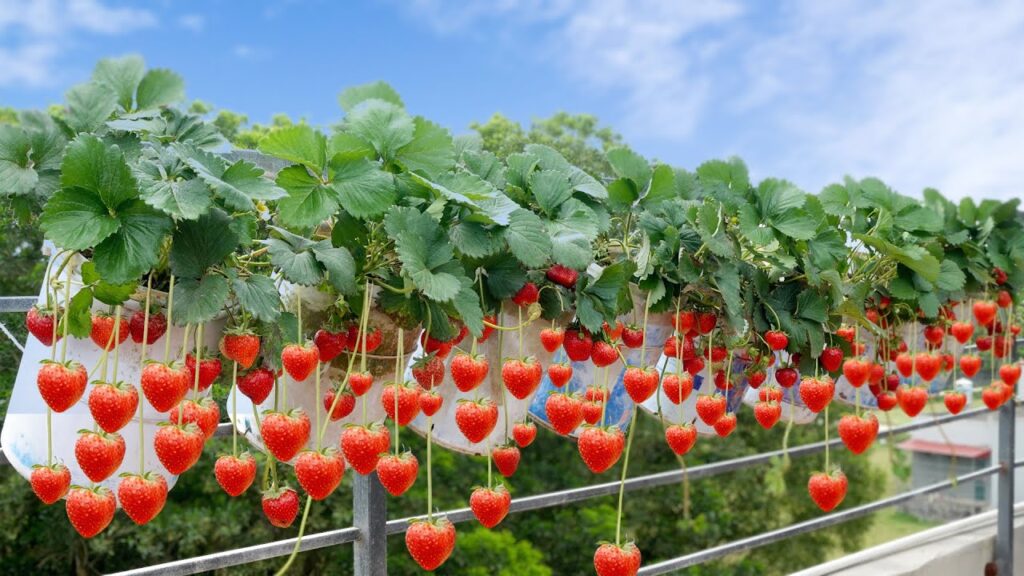
Strawberries require specific conditions for optimal growth:
- Sunlight: Ensure at least 6–8 hours of direct sunlight per day. Sunlight is essential for flowering, fruiting, and sweetness.
- Temperature: Strawberries grow best between 18–25°C (65–77°F). Protect plants from frost using covers or by moving boxes indoors if possible.
- Air Circulation: Good airflow reduces the risk of fungal diseases like powdery mildew. Avoid overcrowding plants.
Watering and Fertilizing
Consistent care ensures vigorous growth and maximum yield:
- Watering: Keep the soil evenly moist, especially during flowering and fruiting. Avoid waterlogging, which can cause root diseases.
- Fertilization:
- Initial Growth: Use a balanced fertilizer (N-P-K 10-10-10) to support leaf and root development.
- Flowering and Fruiting: Switch to a phosphorus- and potassium-rich fertilizer (5-10-10) to enhance flower formation and fruit quality.
- Organic Options: Compost tea, fish emulsion, or diluted seaweed extract improves soil health and plant vigor.
Controlling Pests and Diseases
Even in boxes, strawberries can face pests and diseases. Regular monitoring and preventive measures are essential:
- Aphids and Spider Mites: Spray with a mild soap solution or neem oil.
- Slugs and Snails: Place crushed eggshells or coffee grounds around the base.
- Birds: Use netting to protect ripening fruits.
- Fungal Diseases: Ensure proper spacing, good airflow, and avoid overhead watering to prevent powdery mildew and leaf spot.
Managing Runners
Strawberry plants naturally produce runners (long stems with small plantlets) that can develop into new plants:
- Encourage Propagation: If you want more plants, allow runners to root in the same box or nearby pots.
- Control Overgrowth: Remove excess runners if the box is overcrowded, focusing energy on fruiting plants.
Harvesting Strawberries
Harvesting at the right time ensures peak flavor and sweetness:
- Maturity: Pick strawberries when fully red and slightly soft to the touch.
- Frequency: Harvest every 2–3 days during peak season to prevent overripe fruits from attracting pests.
- Handling: Gently twist or snip fruits from the stem to avoid damaging the plant.
Tips for Maximizing Strawberry Production in Boxes
- Rotate Plants: Replace old plants every 2–3 years to maintain productivity.
- Prune Dead Leaves: Regularly remove yellow or damaged leaves to improve airflow and reduce disease risk.
- Protect from Frost: Cover boxes during cold nights or move them to a sheltered area.
- Mulch Heavily in Winter: Straw or leaves protect crowns and roots during colder months.
- Regular Feeding: Continue light fertilization throughout the growing season to support fruiting.
Benefits of Growing Strawberries in Boxes
- Year-Round Gardening: In mild climates or with indoor setups, strawberries can be grown year-round.
- Health Benefits: Homegrown strawberries are free from harmful chemicals and full of vitamins, antioxidants, and fiber.
- Aesthetic Appeal: Strawberry boxes add beauty to balconies, patios, or windowsills with their lush foliage and red fruits.
- Sustainability: Reduces the need for store-bought fruits and promotes urban gardening.
Final Thoughts
Growing strawberries in boxes is an accessible, rewarding method that allows even urban gardeners to enjoy fresh, juicy fruits. By following proper planting techniques, providing nutrient-rich soil, maintaining ideal light and water conditions, and managing pests, you can enjoy bountiful harvests right at home.
Whether you’re a beginner or an experienced gardener, mastering the secrets of strawberry cultivation in boxes will bring sweet rewards. With careful attention to variety selection, container setup, and care, you can transform small spaces into productive, fruit-bearing gardens.
Start planting your strawberries in boxes today and enjoy the satisfaction of harvesting vibrant, delicious berries that are as beautiful as they are tasty!