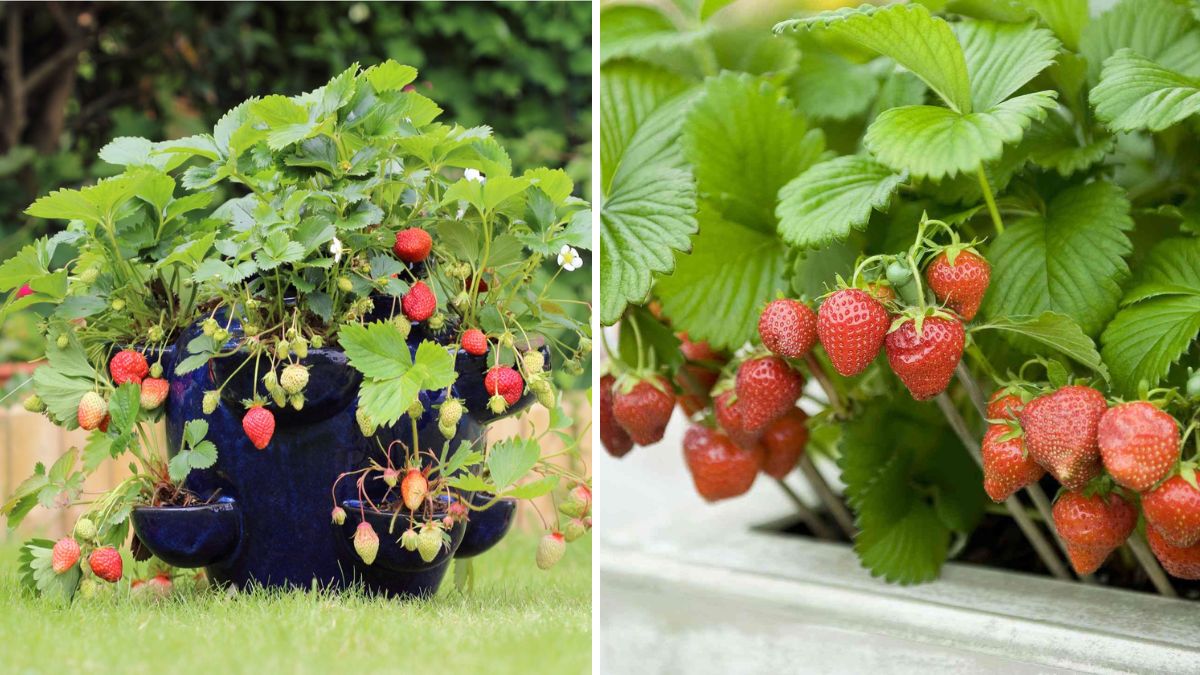
Strawberries are one of the most rewarding fruits to grow at home, loved for their sweetness, aroma, and versatility in desserts, smoothies, and fresh snacks. However, successful strawberry cultivation requires attention to planting techniques, fertilization, and pest management. One common challenge is ants, which are often attracted to the sweet nectar (honeydew) produced by aphids or the sugary juice of ripe strawberries. This guide will teach you how to grow healthy, high-yield strawberries, fertilize them properly, and prevent ants from ruining your harvest.
Why Grow Strawberries at Home
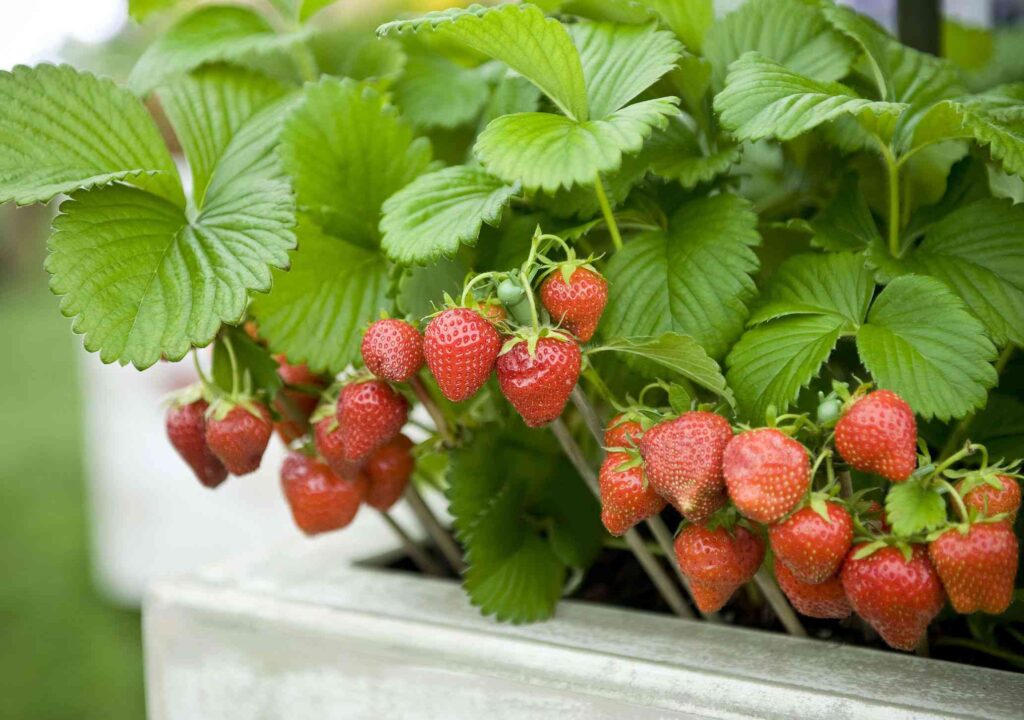
Growing strawberries at home has many advantages:
- Freshness and Flavor: Homegrown strawberries are sweeter and more flavorful than store-bought ones.
- Chemical-Free: You control the growing conditions, avoiding harmful pesticides.
- Cost-Effective: Propagating your own strawberries reduces the need to buy new plants.
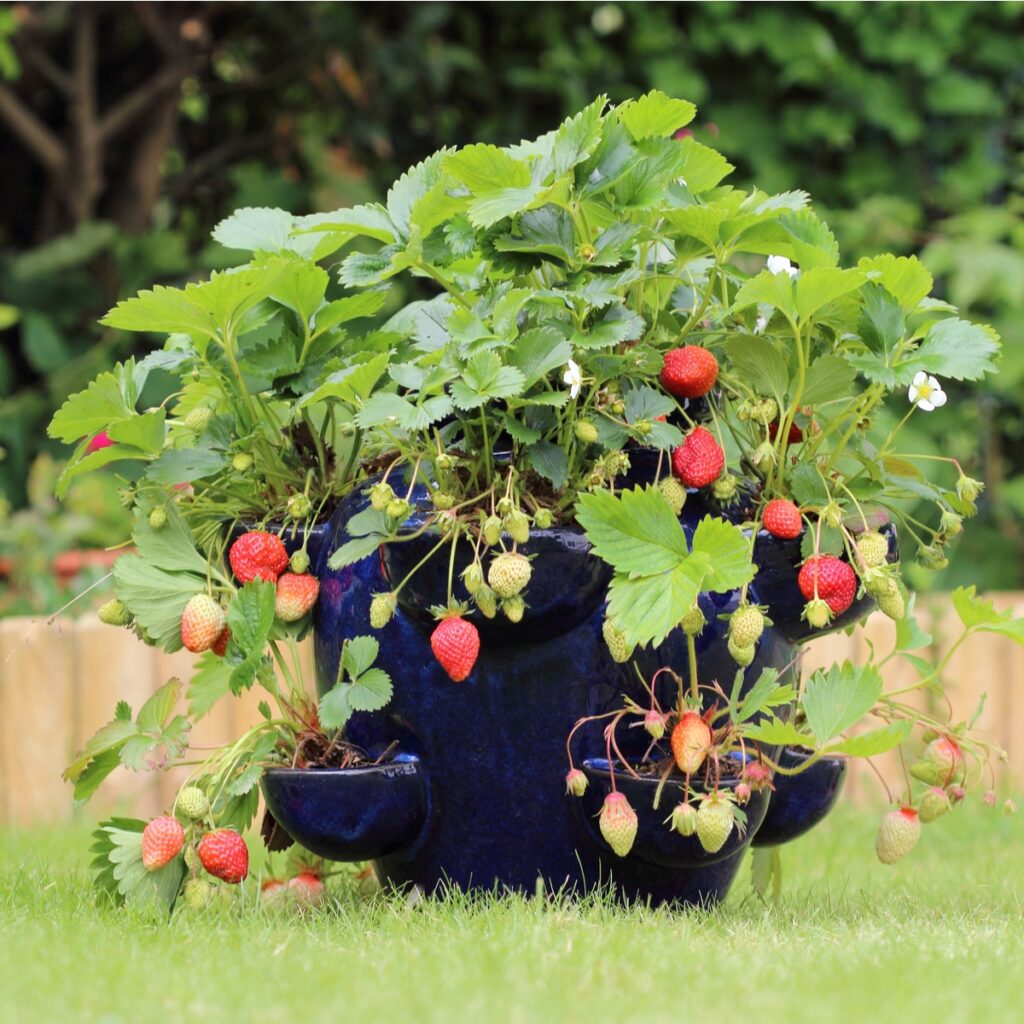
- Compact Gardening: Strawberries thrive in garden beds, pots, and even vertical boxes.
Choosing the Right Strawberry Variety
Choosing the right variety depends on your climate, space, and desired harvest pattern:
- June-Bearing: Produce one large crop in early summer. Examples: ‘Earliglow,’ ‘Honeoye.’
- Everbearing: Yield two to three harvests per season. Examples: ‘Ozark Beauty,’ ‘Quinault.’
- Day-Neutral: Produce fruit continuously as long as conditions are favorable. Examples: ‘Albion,’ ‘Seascape.’
For home gardens, everbearing and day-neutral varieties are ideal, providing a longer harvest period.
Preparing the Soil
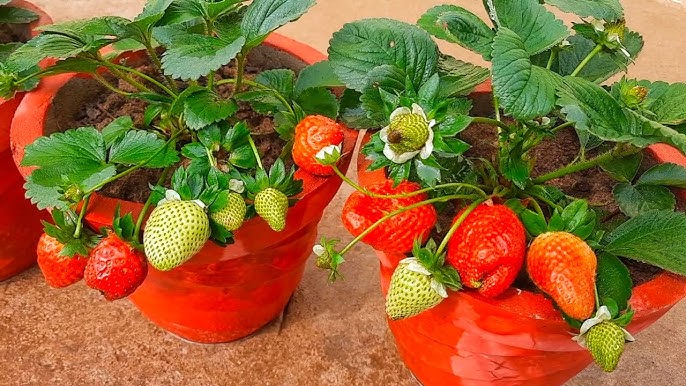
Strawberries thrive in well-draining, nutrient-rich soil:
- pH Level: Slightly acidic soil (pH 5.5–6.5) is optimal.
- Soil Mix: Combine garden soil with compost or well-rotted manure for fertility and organic matter. Adding sand or perlite improves drainage.
- Bed Preparation: Raise beds 6–12 inches high to prevent waterlogging and promote root development.
Planting Strawberries
Strawberries can be planted in garden beds, boxes, or containers:
- Spacing: Plant strawberries 8–12 inches apart to allow airflow and room for runners.
- Planting Depth: Ensure the crown (where leaves meet roots) is level with the soil. Avoid burying it too deep to prevent rot.
- Watering: Water immediately after planting to settle the soil. Keep soil consistently moist but not waterlogged.
- Mulching: Use straw, coconut coir, or dried leaves to retain moisture, suppress weeds, and protect developing fruits.
Fertilizing Strawberries
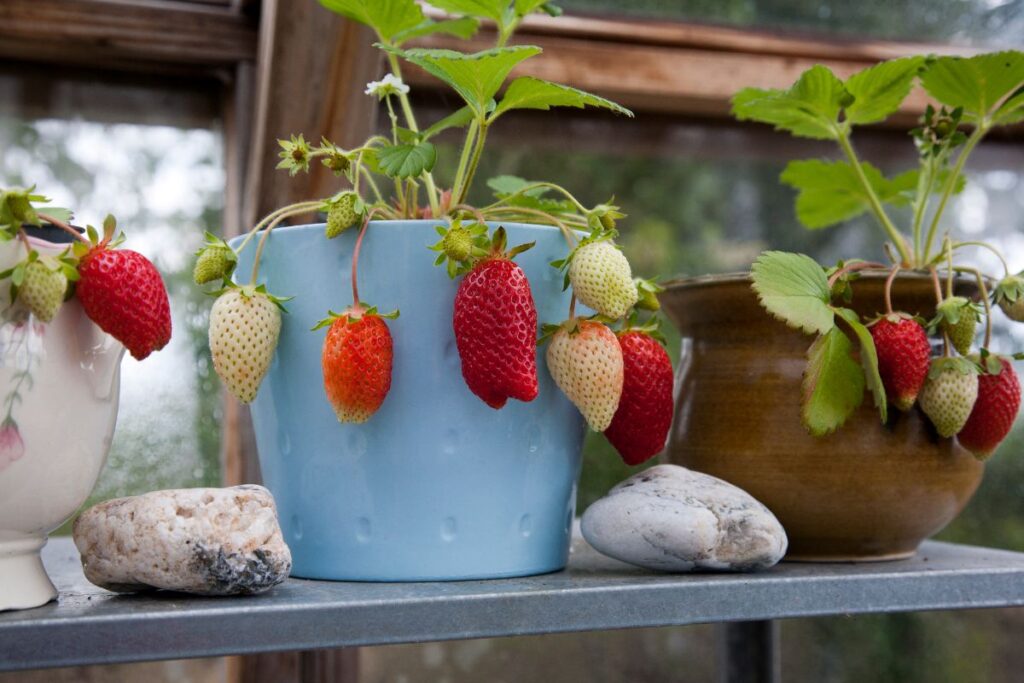
Proper fertilization supports healthy growth and higher yields:
1. Before Planting:
- Mix compost, well-rotted manure, or organic fertilizer into the soil.
- Balanced NPK fertilizer (10-10-10) ensures plants start with sufficient nutrients.
2. During Growth:
- Leafy Growth Stage: Apply nitrogen-rich fertilizer to encourage strong leaves and roots.
- Flowering and Fruiting Stage: Switch to phosphorus- and potassium-rich fertilizer (5-10-10) to promote flowers and fruit development.
3. Organic Alternatives:
- Compost tea, fish emulsion, or diluted seaweed extract provides nutrients and improves soil health.
Watering Techniques
- Strawberries require consistent moisture, especially during flowering and fruiting.
- Water at the base of plants to avoid wetting leaves and fruits, which can lead to fungal diseases.
- Avoid overwatering, which causes root rot and weak plants.
Preventing Ants in Strawberry Beds
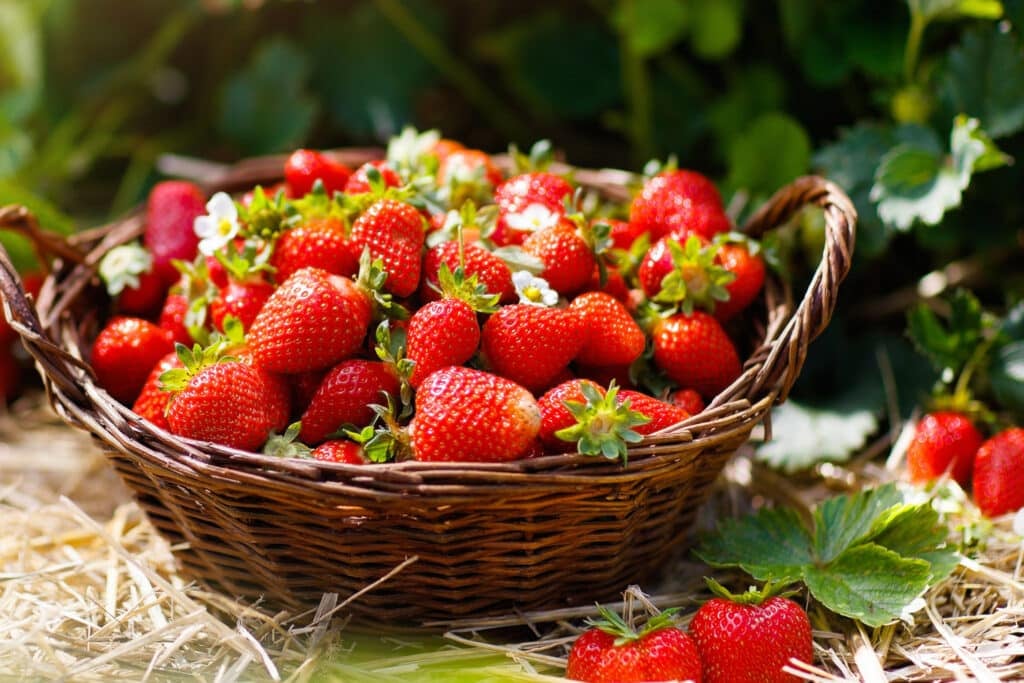
Ants can damage your strawberry harvest by protecting aphids and feeding on fruit juices. Here’s how to keep them away:
1. Remove Honeydew-Producing Aphids:
- Spray affected plants with mild soap solution or neem oil to eliminate aphids, which attract ants.
2. Natural Barriers:
- Sprinkle cinnamon, chili powder, or diatomaceous earth around the base of plants. These substances repel ants effectively.
3. Vinegar Spray:
- Mix equal parts water and vinegar and spray around ant trails and near plant crowns.
4. Sugar-Borax Trap:
- Mix 2 parts sugar with 1 part borax and place near ant trails. Ants carry it back to the nest, eliminating colonies.
- Caution: Keep away from pets and children.
5. Companion Plants:
- Plant herbs like mint, basil, or garlic nearby. Their strong odors repel ants and other pests.
Managing Strawberry Runners
Strawberries naturally produce runners, which can root and form new plants:
- Propagation: Allow runners to root in the same bed or separate pots to expand your strawberry patch.
- Control: Remove excess runners if plants are overcrowded to focus energy on fruit production.
Pest and Disease Management
Even in boxes or raised beds, strawberries can face challenges:
- Slugs and Snails: Use crushed eggshells, coffee grounds, or copper tape to deter them.
- Fungal Diseases: Powdery mildew and leaf spot can be controlled by spacing plants properly, providing good airflow, and avoiding overhead watering.
- Monitoring: Inspect leaves, fruits, and stems regularly for early signs of pest infestations or diseases.
Harvesting Strawberries
- Maturity: Pick fruits when fully red and slightly soft. Avoid green or partially ripe fruits.
- Frequency: Harvest every 2–3 days during peak season to encourage continuous production.
- Handling: Gently twist or cut fruits to avoid damaging the plant.
Tips for Maximizing Strawberry Yield
- Sunlight: Ensure at least 6–8 hours of direct sunlight per day.
- Healthy Plants: Remove yellow or diseased leaves promptly to prevent disease spread.
- Fertilization: Continue light feeding with organic fertilizers during the growing season.
- Mulching: Retain moisture, prevent soil erosion, and keep fruits clean.
- Pollination: Encourage bees or hand-pollinate flowers for better fruit set.
Benefits of Homegrown Strawberries
- Flavor: Juicy, sweet fruits far superior to store-bought varieties.
- Health: Packed with vitamins, antioxidants, and fiber.
- Sustainability: Reduces reliance on commercially grown strawberries treated with chemicals.
- Aesthetic: Adds greenery and beauty to patios, balconies, and gardens.
Final Thoughts
Growing and fertilizing strawberries successfully requires proper soil, careful planting, consistent watering, and effective pest management. Ants, while small, can significantly impact your strawberry yield, but with natural remedies like cinnamon, vinegar, and diatomaceous earth, they can be controlled without harming your plants.
By paying attention to fertilization schedules, providing consistent care, and preventing pests, you can enjoy a bountiful harvest of fresh, sweet strawberries right from your home garden. Whether in raised beds, boxes, or containers, strawberries are a rewarding crop for gardeners of all levels.
Start your strawberry garden today and enjoy the satisfaction of harvesting juicy, chemical-free berries while keeping pesky ants at bay!