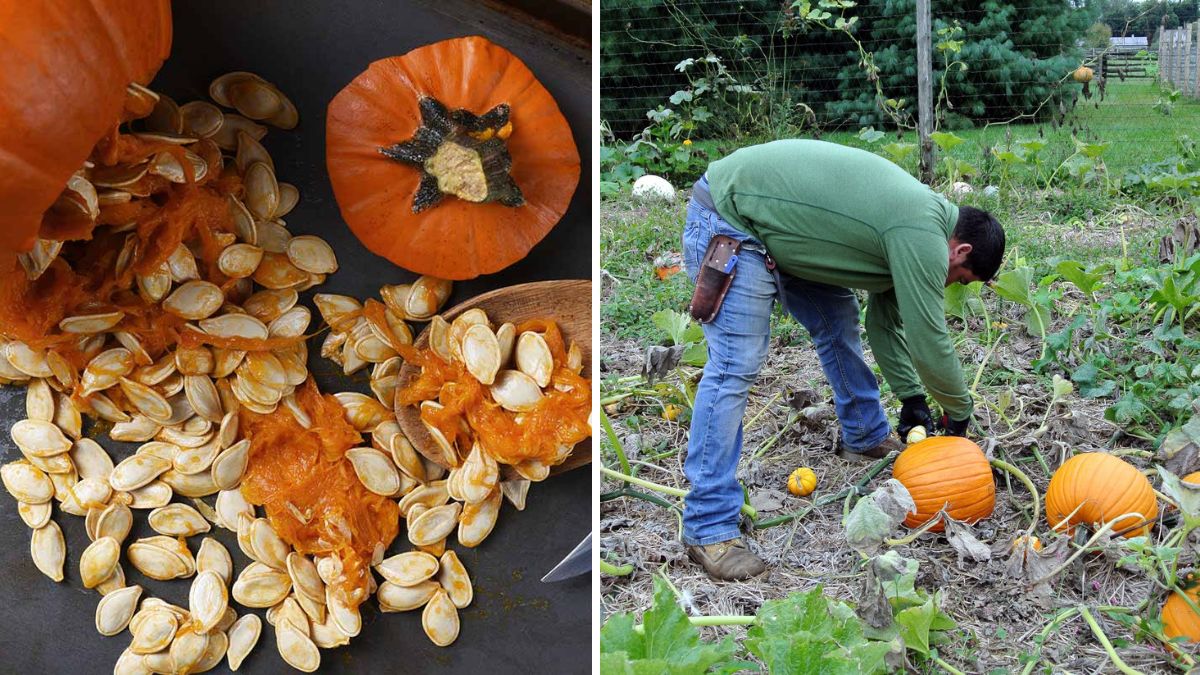
Pumpkins are not only iconic symbols of autumn and festive celebrations, but they are also highly nutritious and versatile in cooking. From soups and pies to seeds and roasted snacks, pumpkins offer multiple culinary and health benefits. Growing perfect pumpkins, however, requires careful planning, soil preparation, pest management, and sometimes even grafting techniques to ensure healthy, high-yield plants. This complete guide will help gardeners, whether beginners or experienced, cultivate pumpkins successfully, including step-by-step instructions on grafting to improve growth and disease resistance.
Why Grow Pumpkins?
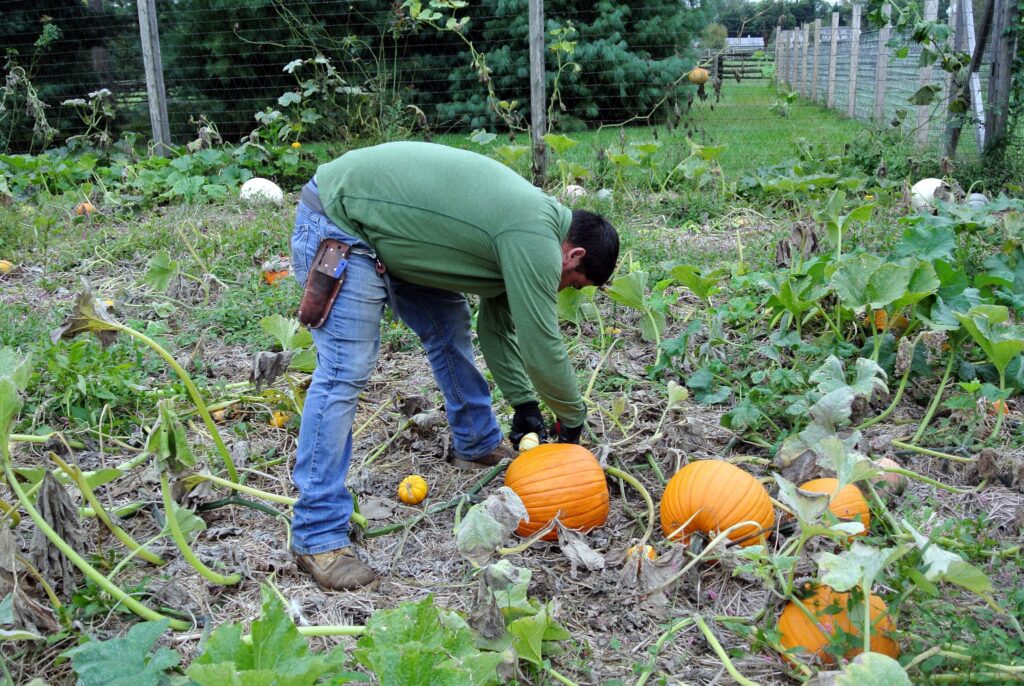
Pumpkins are easy to grow, nutrient-rich, and can be very rewarding if cultivated properly. The benefits of growing your own pumpkins include:
- Nutritional Value: Pumpkins are rich in vitamins A, C, and E, fiber, and antioxidants.
- Versatility: They can be used in cooking, baking, decoration, and even for seeds.
- High Yield Potential: With proper care and techniques, pumpkins produce abundant fruits.
- Disease Resistance (via Grafting): Grafting onto strong rootstocks can help prevent common soil-borne diseases.
Choosing the Right Pumpkin Variety
Selecting the right pumpkin variety is essential depending on your climate, space, and purpose:
- Giant Pumpkins: Ideal for competitions; varieties like ‘Atlantic Giant’ can weigh over 200 kg.
- Medium-Sized Pumpkins: Suitable for pies and cooking; varieties include ‘Cinderella’ and ‘Sugar Pie.’
- Miniature Pumpkins: Perfect for decoration and small spaces; examples include ‘Jack Be Little’ and ‘Baby Boo.’
Soil Preparation
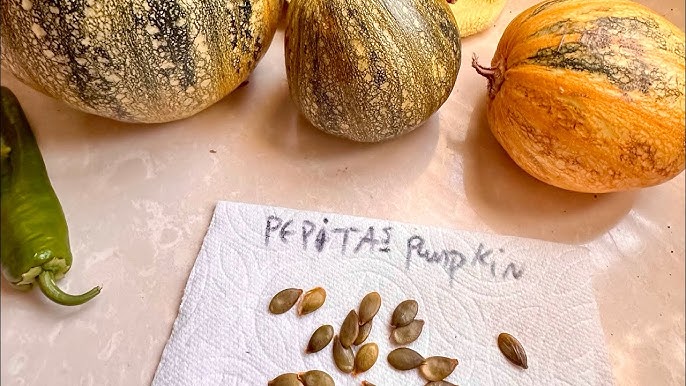
Pumpkins thrive in fertile, well-draining soil with plenty of organic matter. Proper soil preparation is key to healthy growth:
- pH Level: Pumpkins prefer slightly acidic to neutral soil (pH 6.0–7.0).
- Soil Enrichment: Incorporate compost, well-rotted manure, or organic fertilizers to boost nutrient content.
- Bed Preparation: Create raised beds or mounds to improve drainage and provide loose soil for root expansion.
Planting Pumpkins
Pumpkins are vigorous vines that require ample space for growth:
- Direct Sowing: Sow seeds directly into prepared mounds, spacing 3–5 feet apart depending on the variety.
- Transplanting: Start seeds indoors 2–3 weeks before the last frost date and transplant seedlings when they have 2–3 true leaves.
- Depth: Plant seeds 1–2 inches deep and keep soil consistently moist until germination.
Watering and Fertilization
Consistent care ensures strong vines and large, healthy fruits:
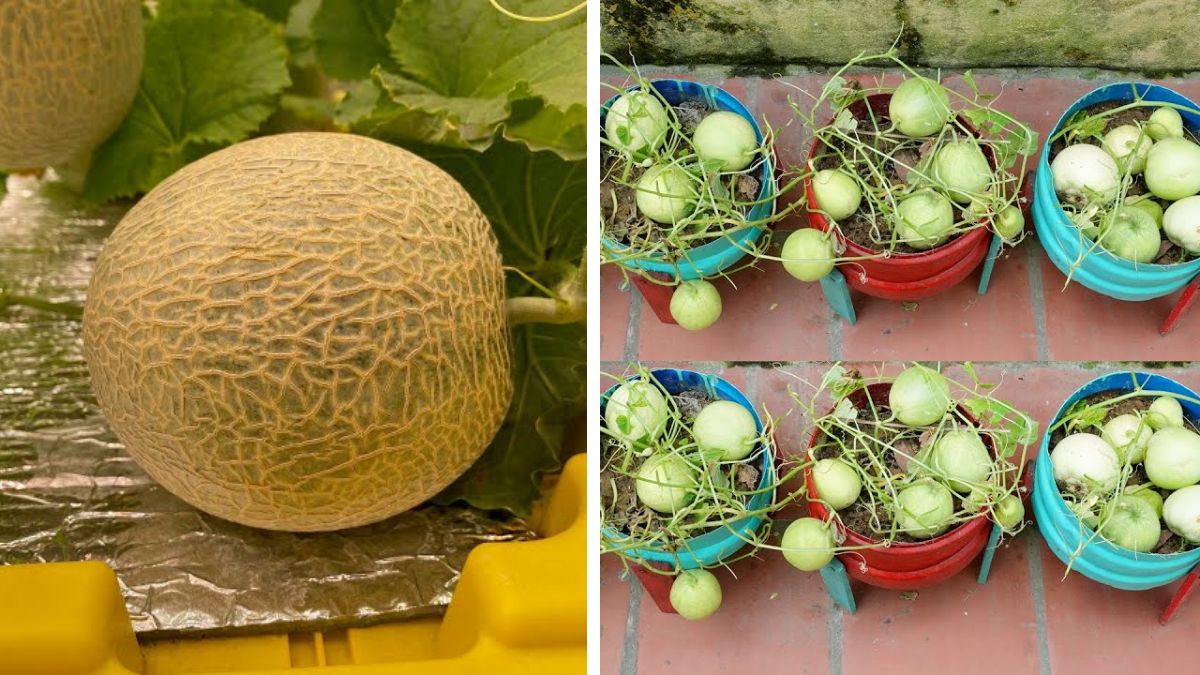
- Watering: Pumpkins require 1–2 inches of water per week. Water deeply at the base of the plant to encourage root development. Avoid wetting foliage to reduce disease risk.
- Fertilization:
- Early Growth: Use nitrogen-rich fertilizer to promote leafy growth.
- Flowering and Fruiting: Switch to a phosphorus- and potassium-rich fertilizer to enhance flowering and fruit set.
- Organic Options: Compost tea, seaweed extract, or well-rotted manure improves plant vigor.
Pruning and Training Vines
Pumpkins have long, sprawling vines that benefit from proper pruning and support:
- Vine Management: Direct vines along paths or beds to maximize sunlight and airflow.
- Pruning: Remove damaged or excessive vines to focus energy on fruit production.
- Support: For small or mini pumpkins, use trellises to elevate fruits and reduce disease.
Grafting Pumpkins for Maximum Yield
Grafting is an advanced technique that can improve pumpkin health, growth, and resistance to soil-borne diseases:
Why Graft Pumpkins?
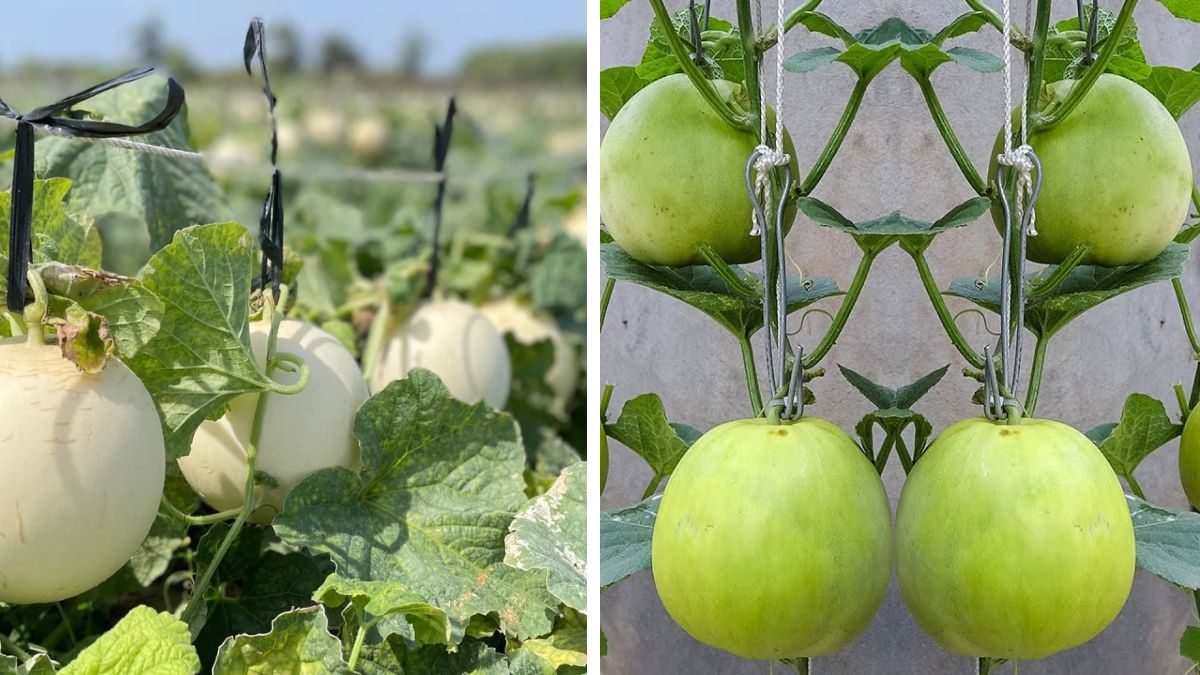
- Combines a disease-resistant rootstock with a high-yielding fruiting scion.
- Enhances tolerance to poor soil conditions, nematodes, and wilts.
- Produces vigorous vines with larger fruits.
Step-by-Step Grafting Guide:
- Select Rootstock: Choose a strong, disease-resistant pumpkin or squash variety.
- Select Scion: Choose the desired fruiting variety for taste, size, or color.
- Prepare the Rootstock: Make a clean cut at the top of the rootstock.
- Prepare the Scion: Cut the base of the scion into a wedge or diagonal shape.
- Join and Secure: Align the cambium layers of rootstock and scion and secure with grafting tape or clips.
- Healing: Keep the grafted plant in a warm, shaded area with high humidity for 1–2 weeks. Gradually acclimate to sunlight once new growth appears.
Grafted pumpkins often produce more vigorous vines, healthier fruits, and are better equipped to handle environmental stresses.
Pollination
Pumpkins have male and female flowers that require pollination for fruit set:
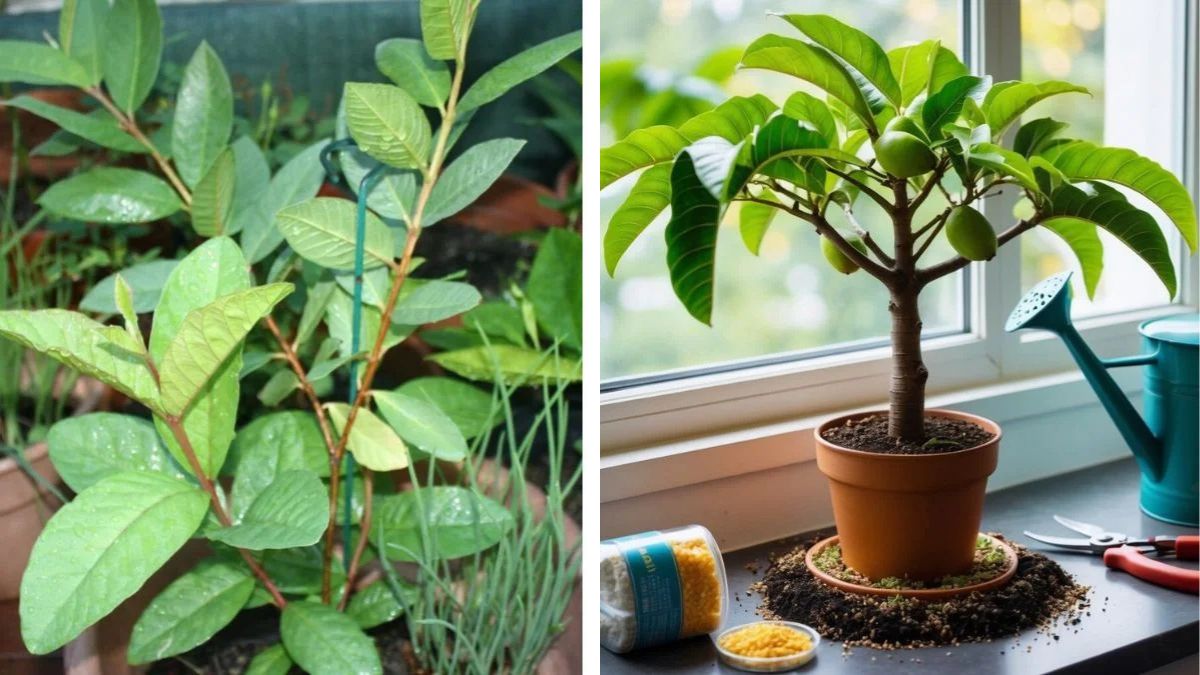
- Attract Pollinators: Plant flowers nearby or attract bees to ensure good pollination.
- Hand Pollination: Use a small brush to transfer pollen from male to female flowers if natural pollinators are scarce.
Pest and Disease Management
Pumpkins can be affected by pests and diseases, which can be minimized with good practices:
- Common Pests: Aphids, squash bugs, and cucumber beetles. Control using neem oil, insecticidal soap, or handpicking.
- Common Diseases: Powdery mildew, downy mildew, and Fusarium wilt. Improve airflow, avoid overhead watering, and use disease-resistant varieties or grafted rootstocks.
- Preventive Measures: Mulch around vines, rotate crops annually, and remove infected plant debris.
Harvesting Pumpkins
Proper harvesting ensures quality and longevity:
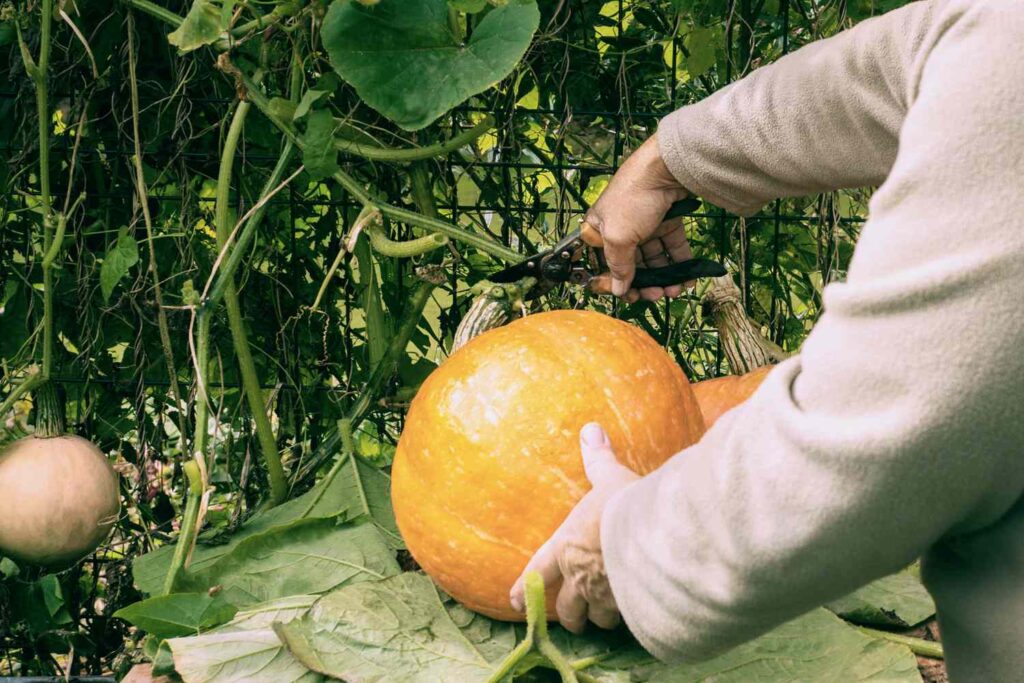
- Maturity Signs: Pumpkin skin hardens, color deepens, and the vine begins to dry.
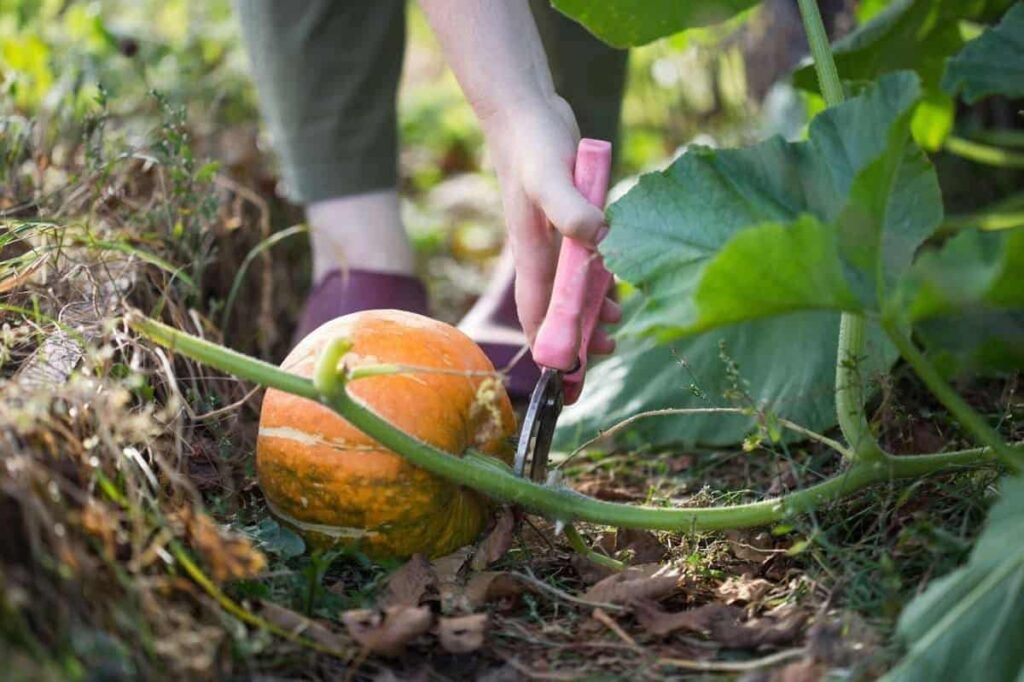
- Cutting: Use a sharp knife or pruning shears to cut the pumpkin from the vine, leaving a 2–3 inch stem attached.
- Curing: Allow pumpkins to cure in a warm, dry area for 1–2 weeks to improve sweetness and storage life.
Storage and Uses
- Storage: Keep cured pumpkins in a cool, dry place. Large pumpkins can last several months.
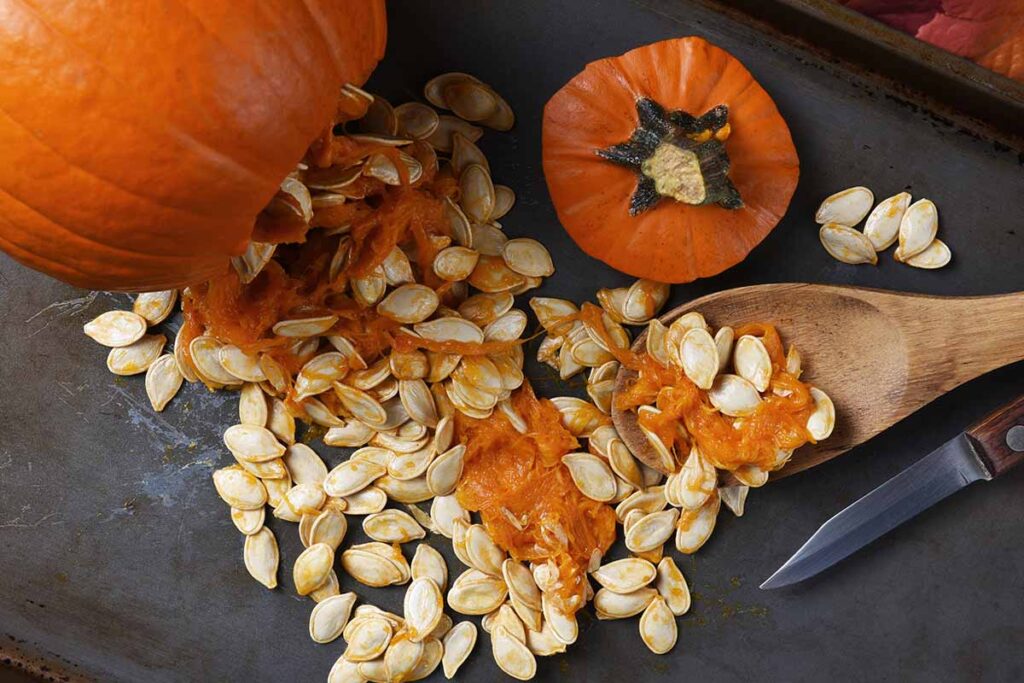
- Culinary Uses: Use in soups, pies, baked goods, roasted dishes, and smoothies. Pumpkin seeds are nutritious snacks when roasted.
Tips for Growing Perfect Pumpkins
- Choose Suitable Varieties: Consider space, climate, and purpose (giant, medium, or mini pumpkins).
- Fertile Soil: Pumpkins need nutrient-rich soil with good drainage.
- Sunlight: Full sun exposure (6–8 hours daily) ensures healthy growth.
- Grafting: Use grafting for stronger root systems and disease resistance.
- Consistent Care: Regular watering, fertilization, and pest monitoring are key.
- Proper Pollination: Encourage pollinators or hand-pollinate for maximum fruit set.
- Harvest Timing: Pick fruits when fully mature and cure for best flavor and storage.
Final Thoughts
Growing perfect pumpkins is a combination of planning, care, and sometimes advanced techniques like grafting. From selecting the right variety and preparing fertile soil to managing pests and ensuring proper pollination, every step contributes to healthier plants and larger, sweeter fruits.
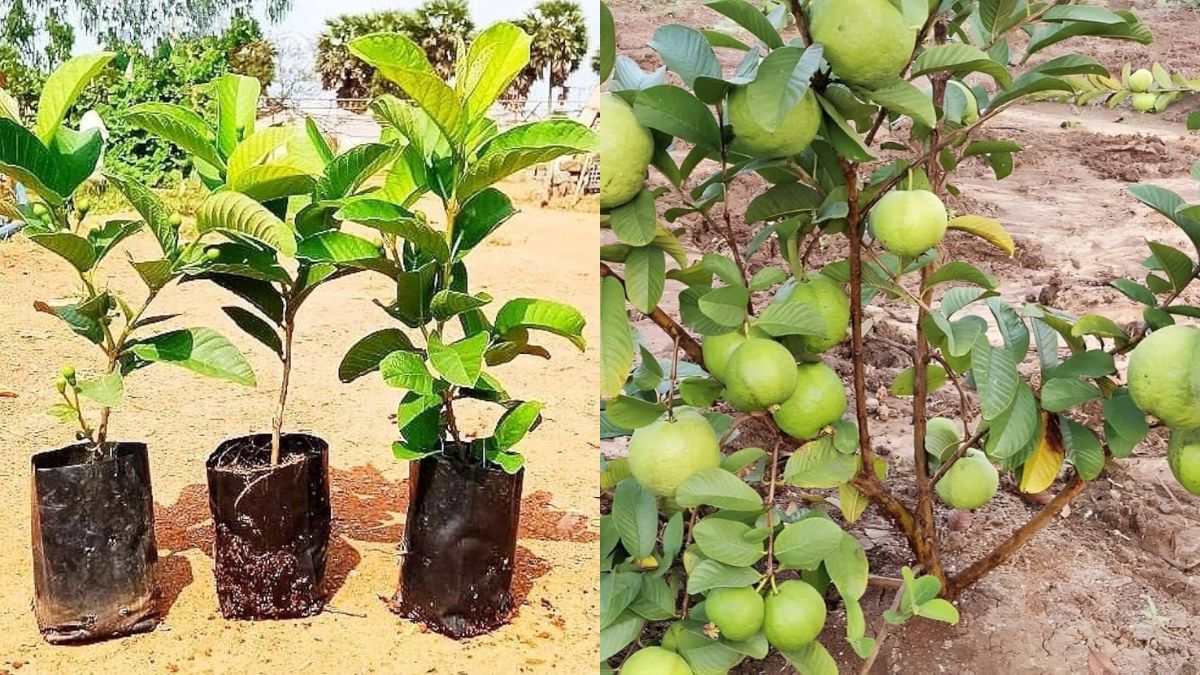
Grafting pumpkins before planting can dramatically improve yield, vine vigor, and disease resistance, giving gardeners an edge in producing quality fruits. Whether you aim for giant pumpkins, medium cooking varieties, or decorative mini pumpkins, following this complete guide will help you achieve success.
Start planting and grafting your pumpkins today, and enjoy the satisfaction of harvesting vibrant, healthy, and perfectly shaped fruits for your kitchen, garden, or festive displays.