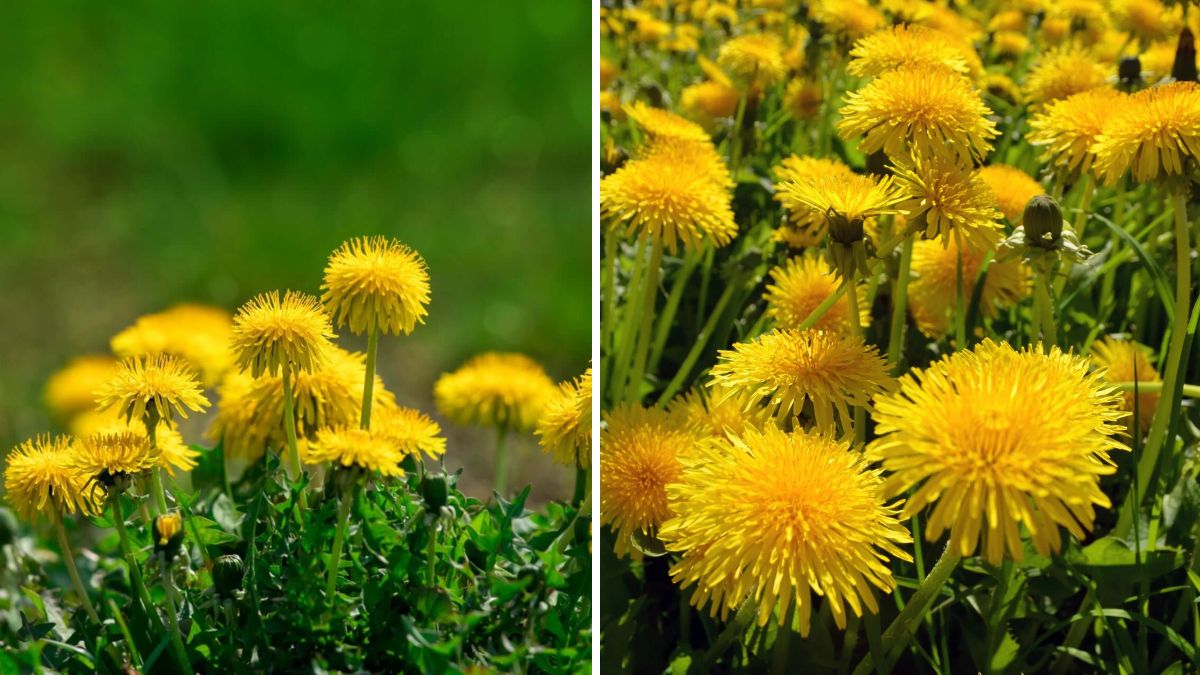
Dandelion—often dismissed as a simple backyard weed—is one of the most powerful medicinal plants you can grow at home. From its nutrient-rich leaves to its detoxifying roots and its bright yellow flowers, every part of the dandelion is edible and beneficial. If you have ever wanted to grow a plant that is low-maintenance, disease-resistant, and highly nutritious, dandelion should be your top choice.
In this 1200-word guide, you’ll learn everything you need to successfully grow dandelion at home—whether in pots, containers, balconies, kitchen gardens, or your backyard.
1. Why Grow Dandelion? The Benefits May Surprise You
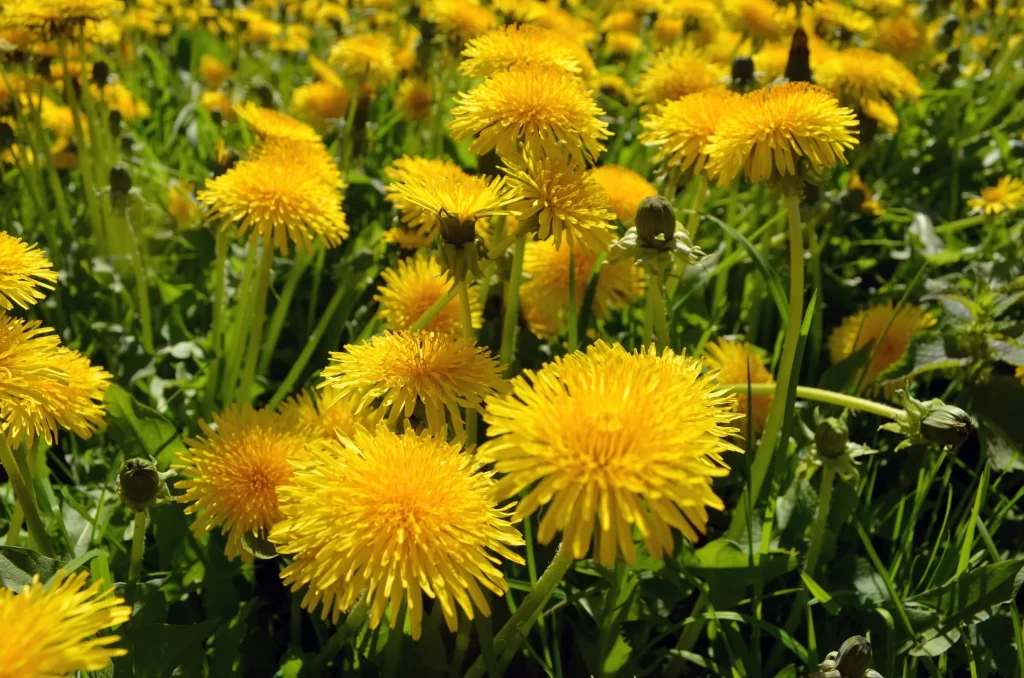
Before planting dandelion, it’s inspiring to understand what makes this plant so special:
🌱 Nutritional Benefits
- High in vitamins A, C, K
- Packed with iron, calcium, potassium
- Great source of antioxidants
🌼 Medicinal Benefits
- Cleanses liver and kidneys
- Aids digestion
- Reduces inflammation
- Boosts immunity
- Helps manage blood sugar and cholesterol
🥗 Culinary Uses
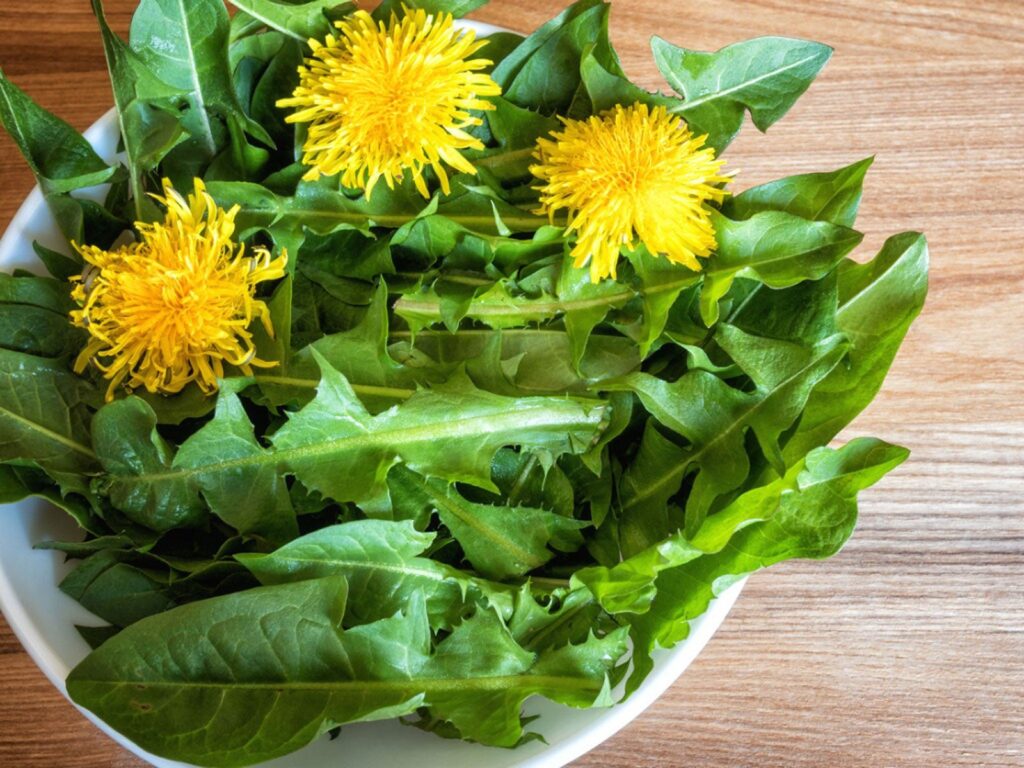
- Leaves used in salads and soups
- Flowers used in teas, syrups, and wine
- Roots roasted to make “dandelion coffee”
With all these benefits, growing dandelion at home means growing your own natural medicine.
2. Dandelion Varieties: Which One to Grow at Home
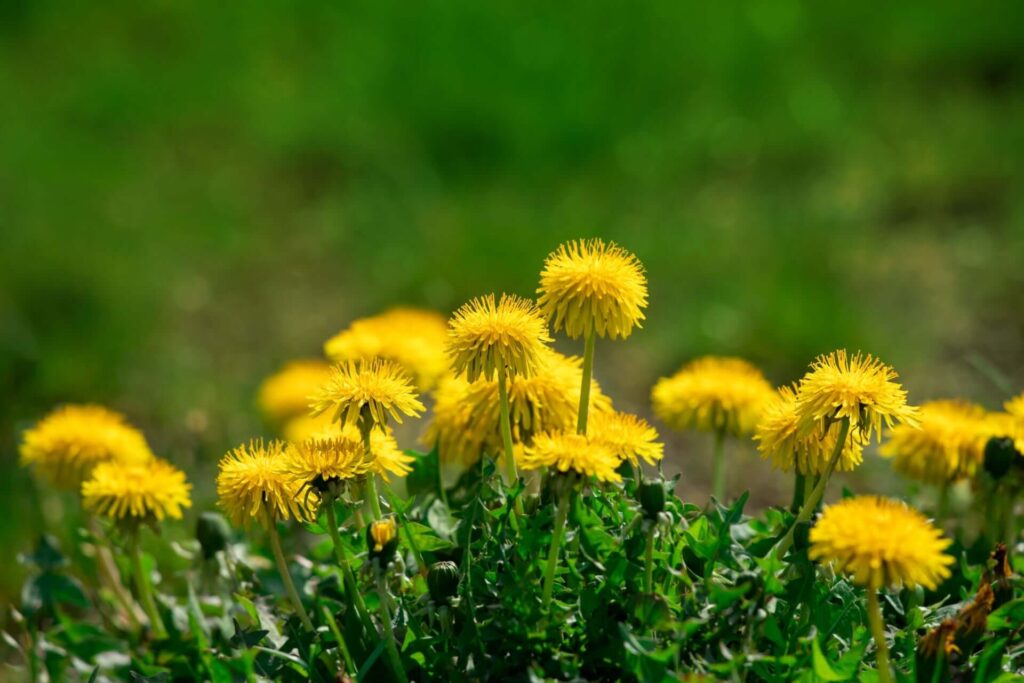
Dandelion varieties fall into two categories:
1. Common Wild Dandelion (Taraxacum officinale)
- Hardy and resilient
- Grows easily in all climates
- Strong medicinal value
2. Cultivated Dandelion Varieties
- Larger leaves
- Less bitter taste
- Ideal for cooking
If you want a milder, salad-friendly leaf, choose cultivated varieties. If your focus is herbal medicine, grow the wild one.
3. Growing Dandelion From Seeds – Simple and Effective
Dandelion grows easily from seeds.
How to Sow Dandelion Seeds
- Fill a pot or raised bed with well-draining soil.
- Sprinkle seeds lightly on top—do NOT bury deeply.
- Cover them with a very thin layer of soil or compost.
- Water gently with a spray bottle.
- Keep the soil moist until germination (7–14 days).
Best Season for Planting
- Early spring
- Early autumn
These seasons provide the ideal temperature range of 15–24°C.
4. Choosing the Right Pot or Growing Space
Dandelion is extremely adaptable. You can grow it in:
- Pots
- Grow bags
- Balcony trays
- Raised beds
- Ground soil
Recommended Pot Size
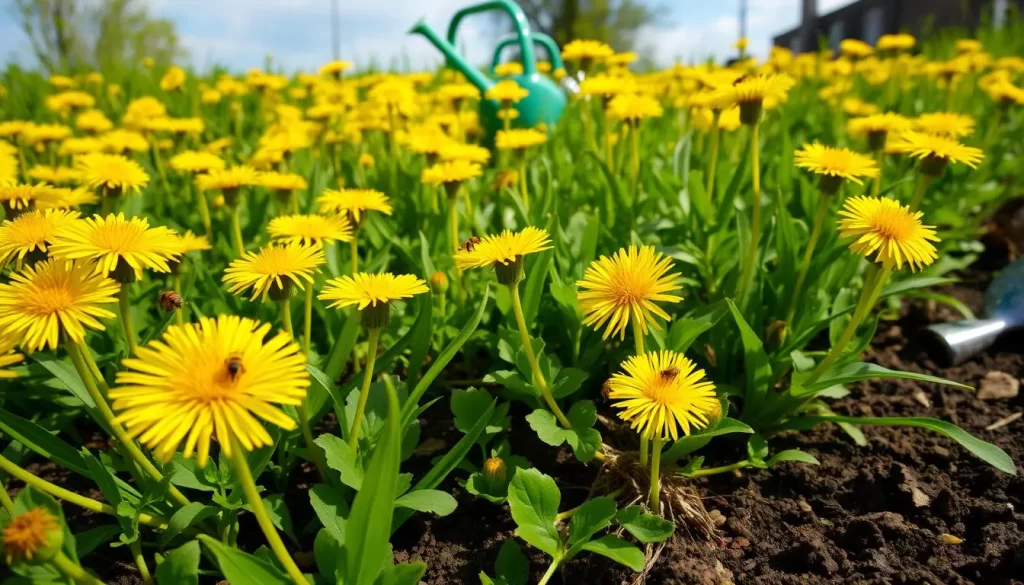
✔️ Minimum: 8–12 inches deep
✔️ Wider pots allow more leaf growth
Dandelion grows a long taproot, so deeper pots help the plant become strong and produce abundantly.
5. Soil Preparation: The Foundation of Healthy Growth
Dandelions prefer loose, fertile, well-draining soil.
Ideal Soil Mix
- 40% garden soil
- 40% compost
- 20% cocopeat/sand
This allows:
✔️ Easy root penetration
✔️ Good aeration
✔️ High nutrient availability
If the soil is compacted, the plant will survive, but leaves and roots will be smaller.
6. Light Requirements: Shade-Tolerant but Sun-Loving
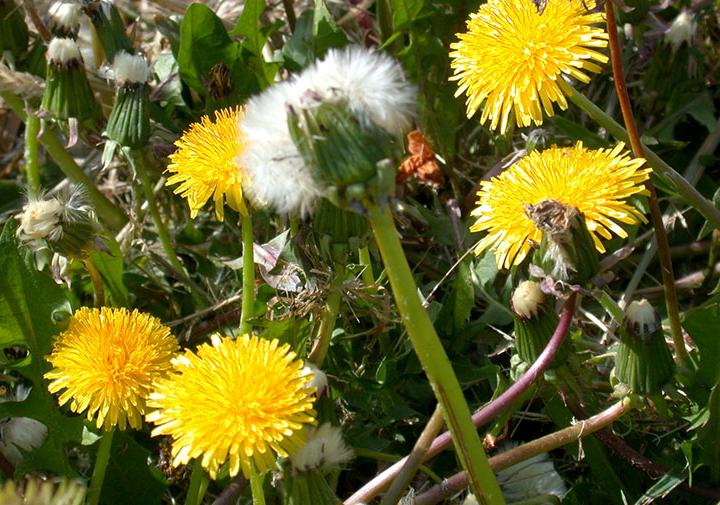
Dandelion can grow in partial shade, but full sunlight gives the best leaf production.
Light Preference
☀️ 4–6 hours of sunlight daily
– Produces larger, sweeter leaves
– Encourages flower bloom
– Enhances medicinal properties
In hot tropical climates, give it partial afternoon shade.
7. Watering: Keep It Moist But Not Soggy
Dandelions appreciate consistent moisture.
Watering Guide
- Water 2–3 times a week
- Keep soil moist (not waterlogged)
- In summer, increase watering
- In winter, reduce watering
Overwatering can cause root rot, so ensure proper drainage.
8. Fertilizing: Feed the Plant Naturally
Dandelion is not a heavy feeder, but a nutrient-rich environment encourages bigger leaves and stronger roots.
Best Natural Fertilizers
- Vermicompost
- Cow dung compost
- Banana peel fertilizer
- Fish amino
- Seaweed extract
Feeding Schedule
- Add compost monthly
- Apply liquid fertilizers every 15–20 days
Avoid chemical fertilizers—they can reduce medicinal quality.
9. Thinning & Spacing: Secret to Large Leaves
Dandelion leaves grow larger when plants are not overcrowded.
Recommended Spacing
✔️ 10–15 cm between plants
✔️ Thin seedlings once they reach 5 cm tall
Thinning prevents competition for light, water, and nutrients.

10. Pruning & Harvesting for Continuous Growth
Dandelion grows most actively in cool weather.
Leaf Harvesting
- Harvest young leaves for salads (less bitter)
- Mature leaves are ideal for tea or cooking
- Harvest by cutting outer leaves first
This encourages new inner growth, extending the plant’s life.
Flower Harvesting
Pick yellow blooms early in the morning for:
- Tea
- Syrup
- Skin remedies
Root Harvesting
Roots are best harvested in autumn when nutrients peak.
11. Common Problems & Solutions
Although dandelion is tough, a few minor issues may arise.
1. Bitter Taste
Cause: Too much sun, insufficient water
Fix: Provide partial shade, increase watering
2. Slow Growth
Cause: Poor soil or small pots
Fix: Add compost, transplant to bigger pot
3. Pests
Though rare, you may see:

- Aphids
- Snails
- Leaf miners
Natural Solutions
- Neem oil spray
- Garlic-chili spray
- Ash barrier for snails
Dandelions are generally pest-resistant compared to other leafy greens.
12. Growing Dandelion Indoors
You can even grow dandelion indoors with proper care.
Indoor Growing Requirements
✔️ South or west-facing window
✔️ Regular watering
✔️ Fertile soil
✔️ 4–6 hours of bright light
If natural light is insufficient, use grow lights.
13. How to Prevent Unwanted Spread
Dandelions spread easily through their floating seeds. To prevent this:
- Harvest flowers before they turn into white seed heads
- Remove seed heads immediately
- Keep plants in pots if you want controlled growth
This ensures your garden doesn’t get overrun.
14. Uses of Dandelion: More Than Just a Plant
1. Leaves
- Salads
- Smoothies
- Stir-fries
- Herbal teas
2. Flowers
- Dandelion honey
- Wine
- Skin remedies
- Hair rinse
3. Roots
- Detox tea
- Powder for supplements
- Coffee substitute
Growing dandelion at home gives you access to a natural health booster every day.
15. Final Tips for Success
🌿 Keep soil moist
🌿 Give enough sunlight
🌿 Harvest regularly to encourage new growth
🌿 Fertilize monthly
🌿 Use deep pots for strong roots
With minimal effort, dandelions will thrive and provide continuous yield.
🌼 Conclusion: A Powerful Plant You’ll Love Growing
Growing dandelion at home is truly rewarding. It is resilient, nutritious, medicinal, and incredibly easy to cultivate. Plus, it grows in almost any climate and needs very little maintenance.
Whether you’re a beginner gardener or an herbal plant lover, dandelion is one plant that deserves a special spot in your garden or balcony.