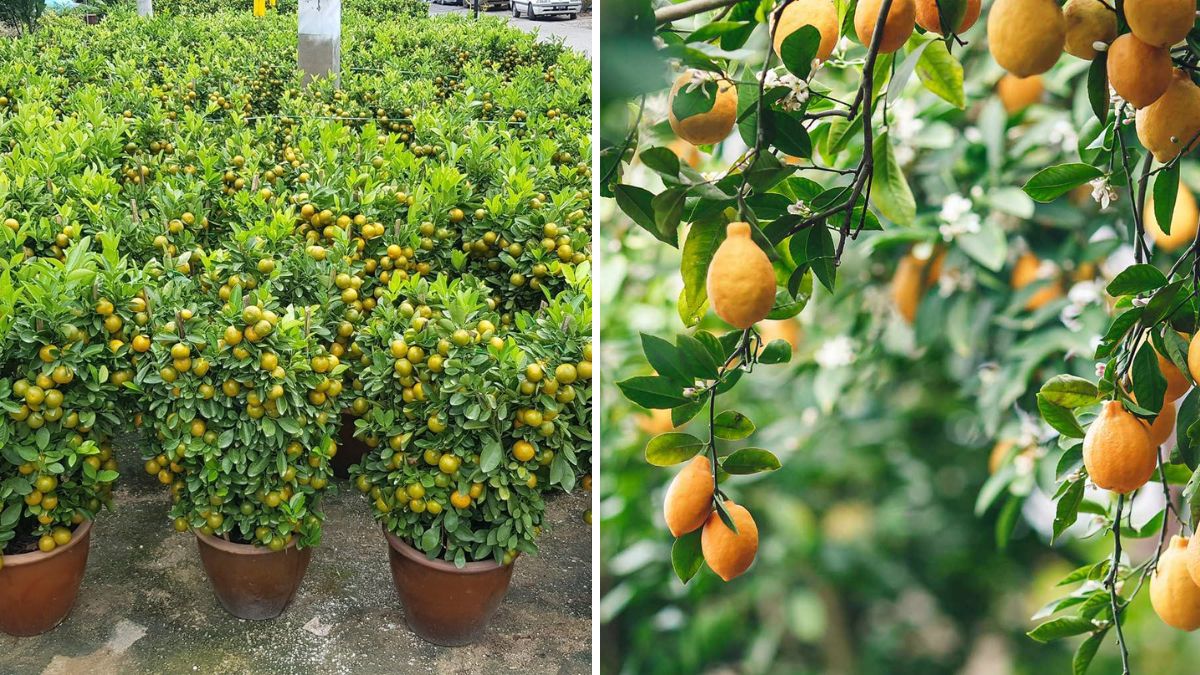
Lemon trees are a delightful addition to any garden, patio, or balcony, offering not only fragrant blossoms and vibrant foliage but also fresh, tangy fruits that enhance countless recipes. Growing and maintaining lemon trees at home can be highly rewarding, but it also requires careful attention to soil, watering, fertilization, pest control, and pruning. Many home gardeners benefit from expert consultations or guidance to ensure their trees thrive. This comprehensive guide provides practical advice for lemon tree care, along with insights you might receive in professional consultations.
Why Lemon Tree Care is Important
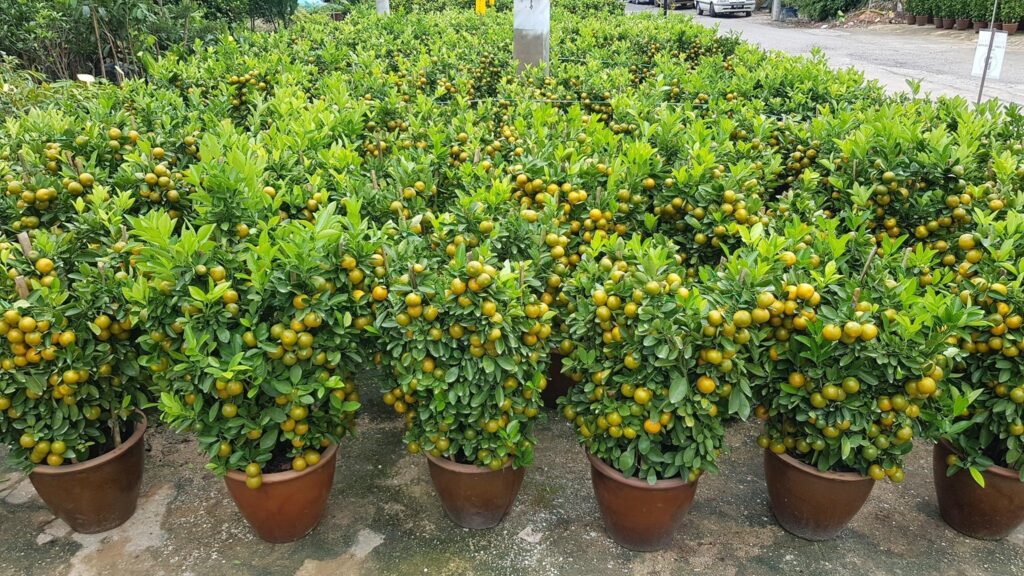
Lemon trees, like all citrus, are sensitive plants that thrive under specific conditions. Proper care ensures:
- High Fruit Yield: Healthy trees produce abundant, juicy lemons.
- Disease Prevention: Proper care reduces the risk of fungal, bacterial, and viral infections.
- Aesthetic Appeal: Well-maintained trees provide lush foliage and fragrant flowers.
- Longevity: Good care practices prolong the life of your tree, allowing years of harvest.
Choosing the Right Lemon Tree Variety
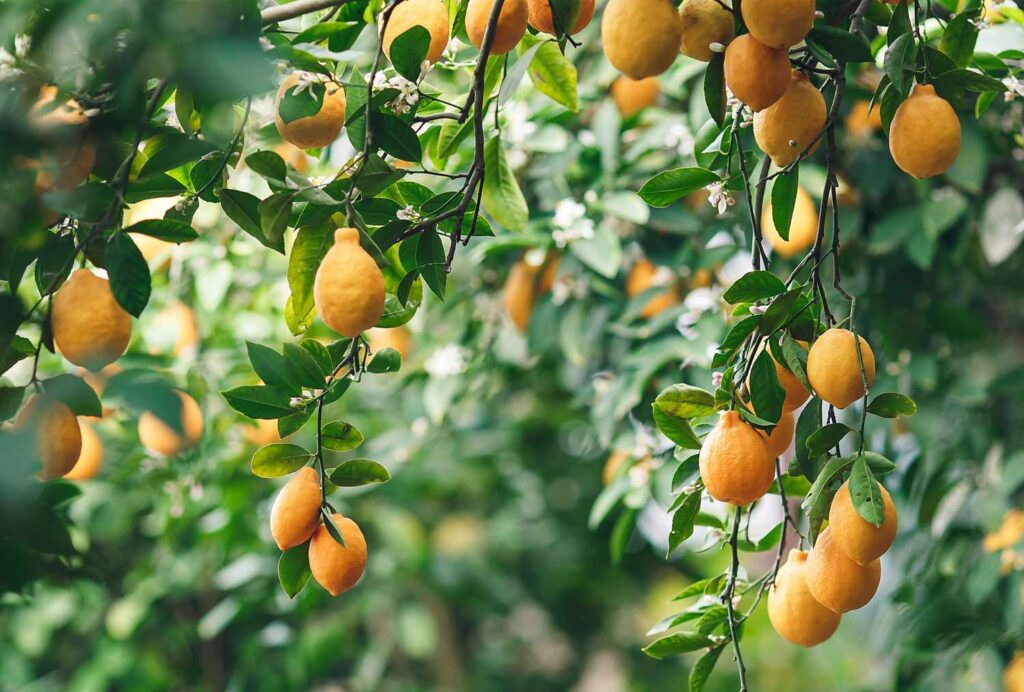
Different lemon varieties are suited for different climates, spaces, and purposes:
- Eureka: Produces year-round, with medium-sized fruits. Popular in outdoor gardens.
- Lisbon: Very hardy and resistant to cold, producing bright yellow fruits.
- Meyer Lemon: Smaller, sweeter fruits, ideal for container gardening and indoor spaces.
- Ponderosa: Large lemons with thick rinds; grows well in warm climates.
Site Selection and Planting
Proper placement and planting are crucial for home-grown lemon trees:
- Sunlight: Lemon trees need 6–8 hours of direct sunlight daily. Indoors, place near a bright south-facing window.
- Soil: Well-draining soil is essential. Sandy loam mixed with compost or organic matter works best.
- Containers: For balcony or indoor gardening, use pots with drainage holes and slightly larger than the root system.
- Spacing: Outdoor trees need 10–15 feet of space for growth and airflow; container trees can be closer together.
Watering Lemon Trees
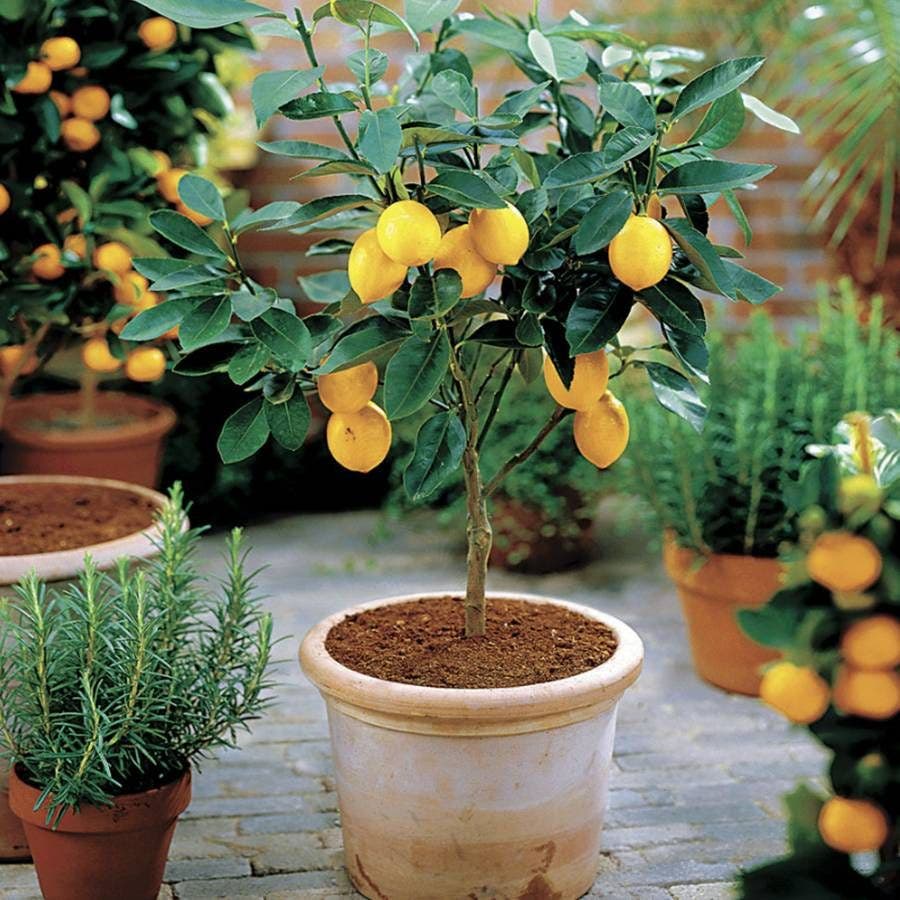
Watering is critical for the health and productivity of lemon trees:
- Young Trees: Water 2–3 times per week to encourage root establishment.
- Mature Trees: Deep watering every 1–2 weeks, depending on climate, soil type, and container size.
- Drainage: Avoid waterlogging, which can lead to root rot. Ensure pots and soil drain well.
- Mulching: Apply a layer of mulch around the base to retain moisture, regulate soil temperature, and prevent weed growth.
Fertilizing Lemon Trees
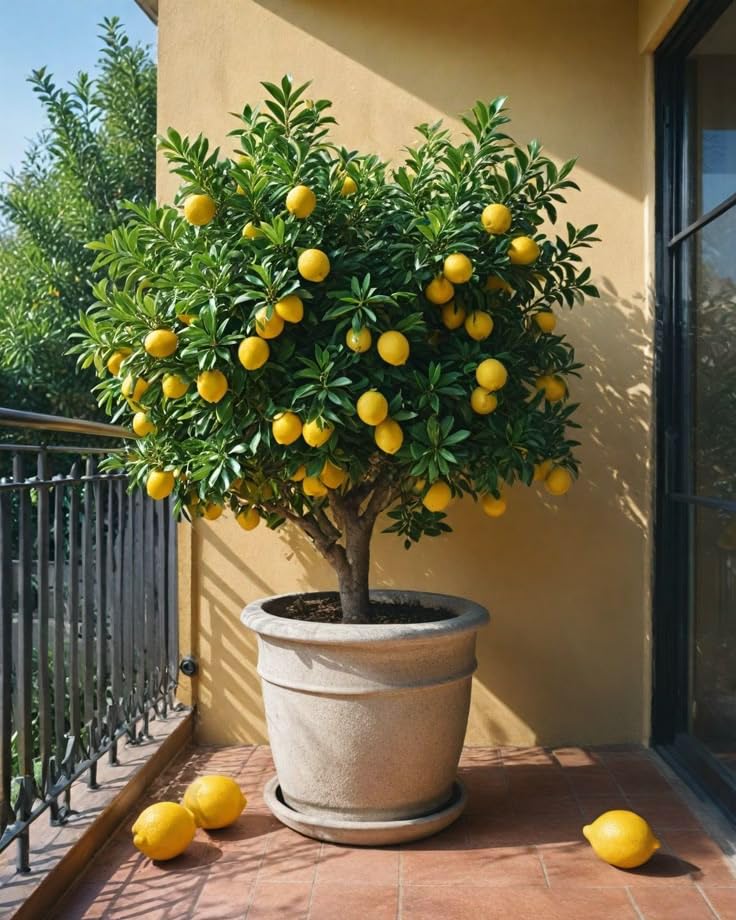
Fertilization provides essential nutrients for flowering, fruiting, and overall growth:
- Nutrients: Lemon trees need nitrogen for leaf growth, phosphorus for flowering, and potassium for fruit development.
- Frequency: Feed young trees every 4–6 weeks during the growing season. Mature trees benefit from feeding 3–4 times per year.
- Organic Options: Compost, well-rotted manure, or balanced organic fertilizers nourish trees without harsh chemicals.
- Special Additives: Citrus trees respond well to micronutrients like magnesium, iron, and zinc, which prevent leaf yellowing and improve fruit quality.
Pruning for Healthy Growth
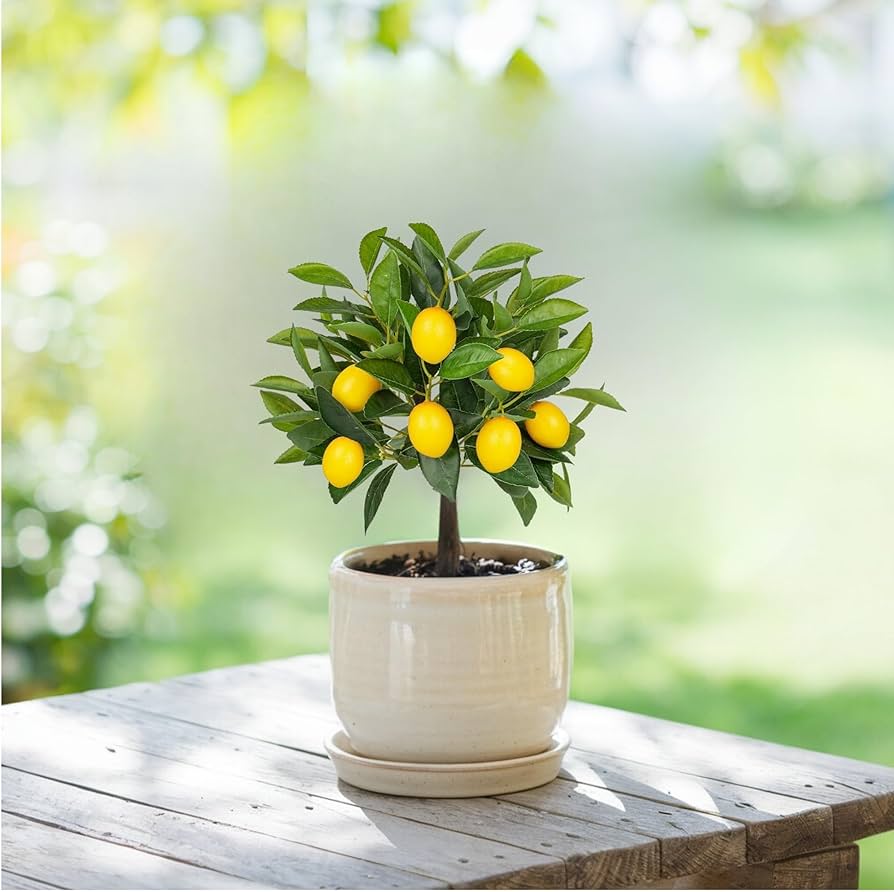
Pruning is essential to maintain shape, encourage flowering, and prevent disease:
- Timing: Late winter or early spring, before new growth begins.
- Technique: Remove dead, diseased, or crossing branches. Thin dense areas to improve airflow.
- Fruit Production: Shorten overly long shoots to redirect energy to fruiting branches.
- Container Trees: Regular pruning keeps them compact and manageable indoors.
Pest and Disease Management
Lemon trees can attract pests and diseases if not properly cared for:
Common Pests:
- Aphids: Small insects that suck sap, leading to curled leaves. Spray with mild soap or neem oil.
- Scale Insects: Attach to stems and leaves, weakening the plant. Prune infested areas and use horticultural oil.
- Spider Mites: Cause leaf discoloration; increase humidity and spray with water or insecticidal soap.
Common Diseases:
- Root Rot: Caused by waterlogged soil; improve drainage and avoid overwatering.
- Citrus Canker: Causes lesions on leaves and fruit; remove affected areas and improve air circulation.
- Greasy Spot: A fungal disease leading to leaf yellowing; apply appropriate organic fungicides and remove fallen leaves.
Preventive Measures:
- Inspect trees regularly for early signs of pests and disease.
- Rotate containers or beds to ensure good sunlight exposure.
- Maintain clean tools and prune carefully to avoid spreading infections.
Pollination
While lemon trees are self-pollinating, better fruit set occurs with pollinators:
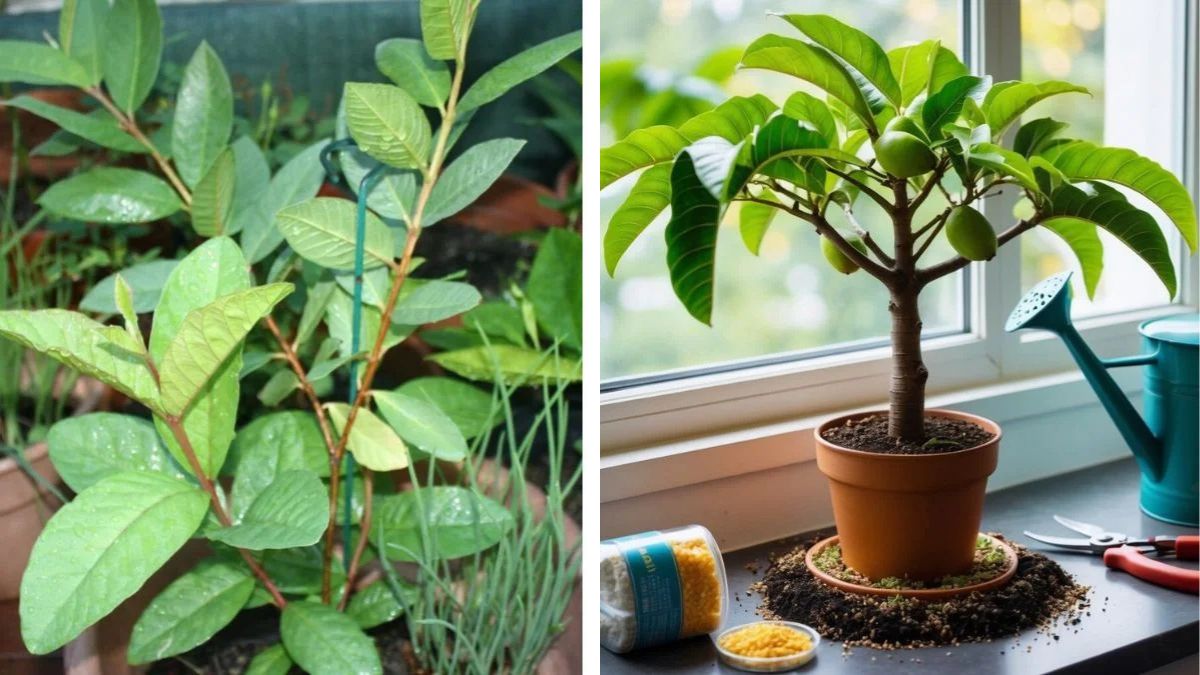
- Indoor Trees: Hand-pollinate using a small brush or cotton swab to transfer pollen between flowers.
- Outdoor Trees: Encourage bees and beneficial insects with companion plants and flowering herbs.
Harvesting Lemons
Proper harvesting ensures fruit quality and encourages further production:
- Maturity: Lemons are ready to harvest when fully yellow, firm, and slightly glossy.
- Frequency: Pick fruits regularly to prevent overripening and reduce stress on the tree.
- Handling: Use pruning shears or gently twist fruits off to avoid damaging branches.
Expert Consultation for Lemon Tree Care
Many home gardeners benefit from expert guidance to maximize their lemon tree health and yield:
- Personalized Care Plans: Experts can assess your soil, climate, and tree variety to recommend watering, fertilization, and pruning schedules.
- Pest Diagnosis: Professional consultations help identify pests and diseases early and provide targeted treatments.
- Container Advice: For indoor or balcony gardeners, experts can recommend optimal pot size, soil mix, and light placement.
- Grafting Advice: Some experts provide guidance on grafting lemon trees for stronger root systems and disease resistance.
- Nutrient Management: Consultants can suggest precise fertilizer types and amounts based on tree age and soil tests.
Common Mistakes in Lemon Tree Care
- Overwatering: Leads to root rot and weak plants.
- Under-fertilizing: Poor nutrition reduces flowering and fruit quality.
- Ignoring Pruning: Dense foliage increases disease risk and reduces fruit production.
- Neglecting Pest Control: Aphids, scale insects, and mites can quickly damage trees if unchecked.
- Improper Sunlight: Insufficient light reduces flowering and fruit set.
Tips for Thriving Lemon Trees
- Ensure at least 6–8 hours of sunlight daily.
- Water deeply but allow soil to dry slightly between watering.
- Use organic fertilizers and supplement with micronutrients.
- Regularly inspect trees for pests and prune as needed.
- Consider expert consultations for problem-solving or advanced care techniques.
Benefits of Expert Guidance
Professional consultations for lemon tree care can help home gardeners:
- Avoid costly mistakes in watering, fertilization, and pest control.
- Maximize fruit yield and tree health.
- Learn advanced techniques like grafting and disease management.
- Receive tailored advice based on local climate and conditions.
Final Thoughts
Caring for a lemon tree at home requires attention, patience, and knowledge. With proper sunlight, soil, watering, fertilization, pruning, and pest management, you can enjoy bountiful harvests of fresh, tangy lemons. Expert consultations provide valuable guidance, helping you avoid common mistakes and ensuring your trees thrive year after year.
Whether planted in the garden, on a balcony, or in a container indoors, lemon trees reward careful care with beauty, fragrance, and delicious fruit. Start your lemon tree care journey today, and enjoy the satisfaction of growing healthy, productive trees right at home.