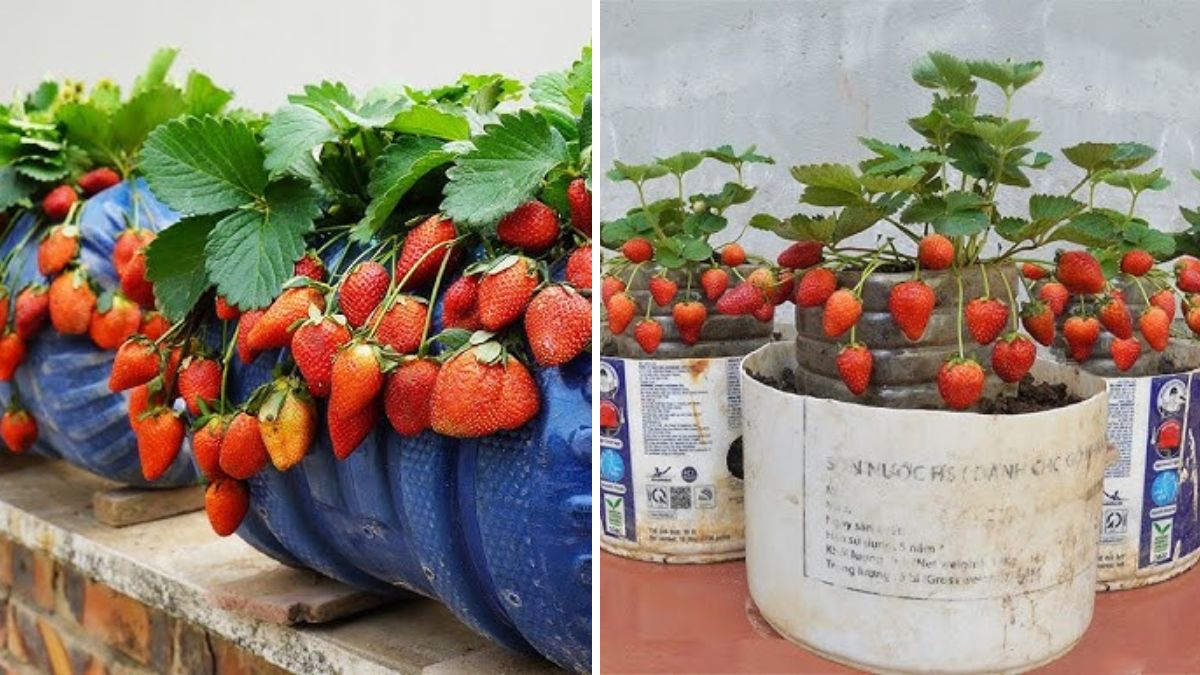
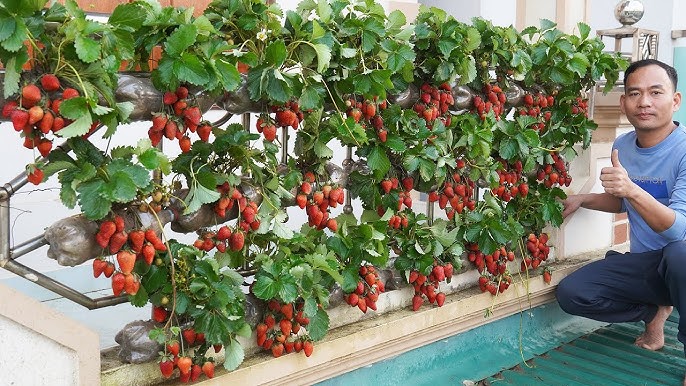
Growing strawberries at home is a dream for many gardeners. Their sweet, juicy fruits are perfect for desserts, smoothies, or just snacking fresh. But not everyone has a garden or enough space for traditional strawberry beds. Fortunately, you can grow strawberries in small spaces using recycled bottles, turning waste into a productive and sustainable mini-garden.
This guide will show you how to grow strawberries in recycled bottles, including preparation, planting, care, pest prevention, and harvesting tips, making it possible to enjoy fresh strawberries even in apartments or balconies.
1. Why Grow Strawberries in Bottles?
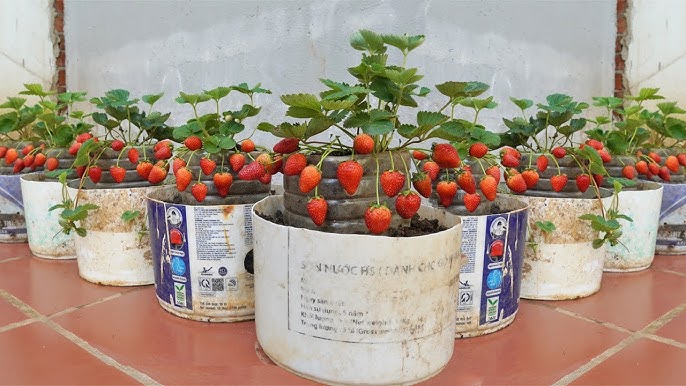
Using recycled bottles as planters offers several advantages:
- Space-saving: Vertical arrangement allows you to grow multiple plants in limited areas.
- Eco-friendly: Reuses plastic bottles, reducing waste.
- Portable: Bottles can be moved to capture sunlight or protect plants from bad weather.
- Control: You can manage soil, water, and nutrients more efficiently than in the ground.
With creativity, even a small balcony or kitchen windowsill can become a strawberry haven.
2. Selecting the Right Strawberries
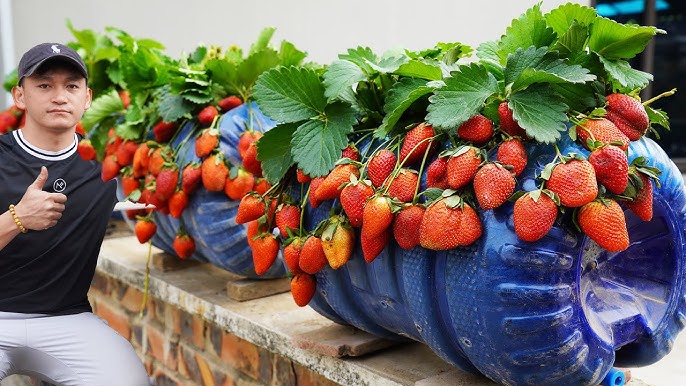
For container gardening, it’s essential to choose varieties suited for small spaces:
- Alpine Strawberries: Compact, flavorful, and perfect for pots or vertical systems.
- Ever-bearing Strawberries: Produce fruit continuously, providing a longer harvest.
- Day-neutral Varieties: Produce fruit regardless of daylight, ideal for small-space growers.
Choosing the right variety ensures faster growth and more consistent fruit production.
3. Preparing Recycled Bottles for Planting
Step 1: Choose the Right Bottles
- Use 1.5–2 liter plastic bottles for optimal soil volume.
- Clear bottles are fine, but black or painted bottles prevent algae growth in the soil.
Step 2: Cut the Bottles
- Cut a rectangular window on the side of the bottle, about 3–4 inches tall and wide enough to place the plant.
- Leave at least 2–3 inches at the bottom for soil and roots.
Step 3: Make Drainage Holes
- Poke 3–4 small holes in the bottom of the bottle to prevent waterlogging.
- Adequate drainage is essential for strawberry roots to thrive.
Step 4: Optional Hanging Setup
- Use a strong string or wire to create a hanging strawberry system, which maximizes vertical space.
4. Choosing the Right Soil
Strawberries grow best in light, well-draining soil enriched with organic matter:
- Mix garden soil with compost and a small amount of sand for drainage.
- Avoid heavy clay soils that retain water and cause root rot.
- Ensure the soil is slightly acidic (pH 6.0–6.5), ideal for strawberries.
Good soil ensures strong roots, faster growth, and healthier fruits.
5. Planting Strawberries in Bottles
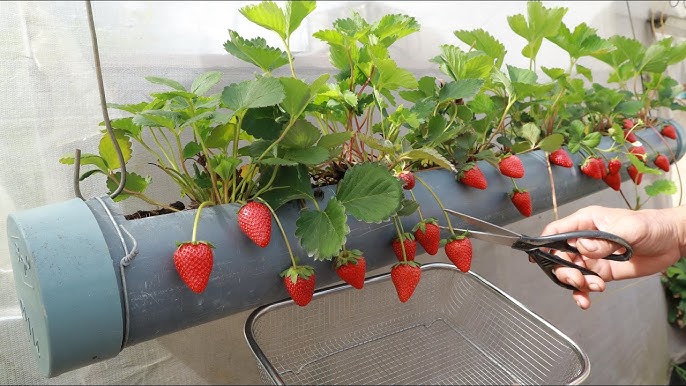
Step 1: Fill the Bottle
- Add soil up to 1–2 inches below the cut-out window.
- Gently press soil to remove large air pockets but don’t compact too tightly.
Step 2: Prepare the Strawberry Plant
- Select healthy plants with at least 2–3 leaves.
- Trim damaged roots or leaves before planting.
Step 3: Planting
- Place the plant in the soil so that the crown (where leaves meet roots) is at soil level.
- Fill around the roots with soil and gently press to stabilize the plant.
- Water immediately to settle the soil.
Step 4: Repeat
- You can grow one plant per bottle or multiple plants depending on bottle size.
- Stack vertically or hang bottles to save space.
6. Watering Strawberries in Bottles
Watering is critical for container-grown strawberries:
- Keep the soil consistently moist but not soggy.
- Water from the top gently so soil doesn’t overflow.
- Hanging bottles may dry faster, so check moisture daily, especially in summer.
Tip: A drip irrigation system or a small watering bottle can make watering easier and prevent overwatering.
7. Providing Adequate Sunlight
Strawberries require 6–8 hours of direct sunlight per day for optimal growth and fruiting:
- Place bottles in sunny windowsills, balconies, or patios.
- Rotate hanging bottles occasionally to ensure even sunlight exposure.
- If natural light is limited, use grow lights to supplement.
Proper sunlight ensures faster growth, more flowers, and sweeter fruits.
8. Fertilizing Strawberries in Bottles
Container-grown strawberries need regular feeding since nutrients wash out with watering:
- Use organic fertilizers like compost tea, fish emulsion, or liquid seaweed every 2–3 weeks.
- Avoid high-nitrogen fertilizers, which promote leaves at the expense of fruit.
- Slow-release organic pellets can also provide consistent nutrients over time.
Healthy plants grow faster and produce more abundant and tasty strawberries.
9. Preventing Pests Naturally
Even in bottles, strawberries are susceptible to pests like aphids, slugs, and ants. Natural prevention techniques include:
- Ant prevention: Place bottles in trays of water or sprinkle cinnamon/coffee grounds around the base.
- Aphids and pests: Use neem oil spray or insecticidal soap.
- Birds and animals: Use netting if berries are accessible outdoors.
Natural pest control ensures safe, pesticide-free strawberries for your family.
10. Supporting Strawberry Growth
Strawberries produce runners, which are long stems that form new plants. To maintain fruiting:
- Pinch off excess runners during the first few weeks to focus energy on fruit production.
- Collect runners and root them in another bottle to expand your mini strawberry garden.
Tip: Proper support prevents crowding and allows each plant to receive sunlight and nutrients.
11. Harvesting Strawberries from Bottles
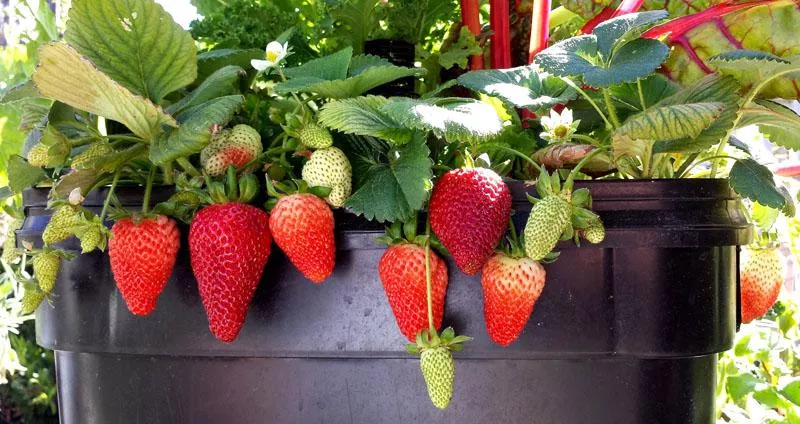
Strawberries are ready to harvest when fully red and ripe:
- Pick fruit carefully to avoid damaging the plant.
- Harvest regularly every 2–3 days to encourage continuous fruiting.
- Remove damaged or diseased fruits promptly.
Growing strawberries in bottles makes harvesting easy and keeps fruits clean and free from soil-borne diseases.
12. Expanding Your Bottle Strawberry Garden
- Vertical stacking: Use shelves or hanging systems to grow multiple bottles in a small space.
- Succession planting: Plant new strawberries every few weeks to ensure continuous harvest.
- Reuse and recycle: When plants finish fruiting, refresh soil and replant new strawberries for sustainability.
Even in tiny spaces, you can enjoy multiple harvests throughout the season.
Conclusion
Growing strawberries in small spaces using recycled bottles is a creative, eco-friendly, and practical solution for modern gardeners. With careful attention to soil, sunlight, watering, fertilization, and natural pest prevention, you can grow healthy, pesticide-free strawberries in apartments, balconies, or even windowsills.
By following these techniques, you not only enjoy fresh, delicious strawberries but also contribute to reducing plastic waste, making your garden both productive and sustainable. With patience and care, your vertical bottle garden can become a thriving strawberry oasis, giving you sweet, juicy fruits all season long.