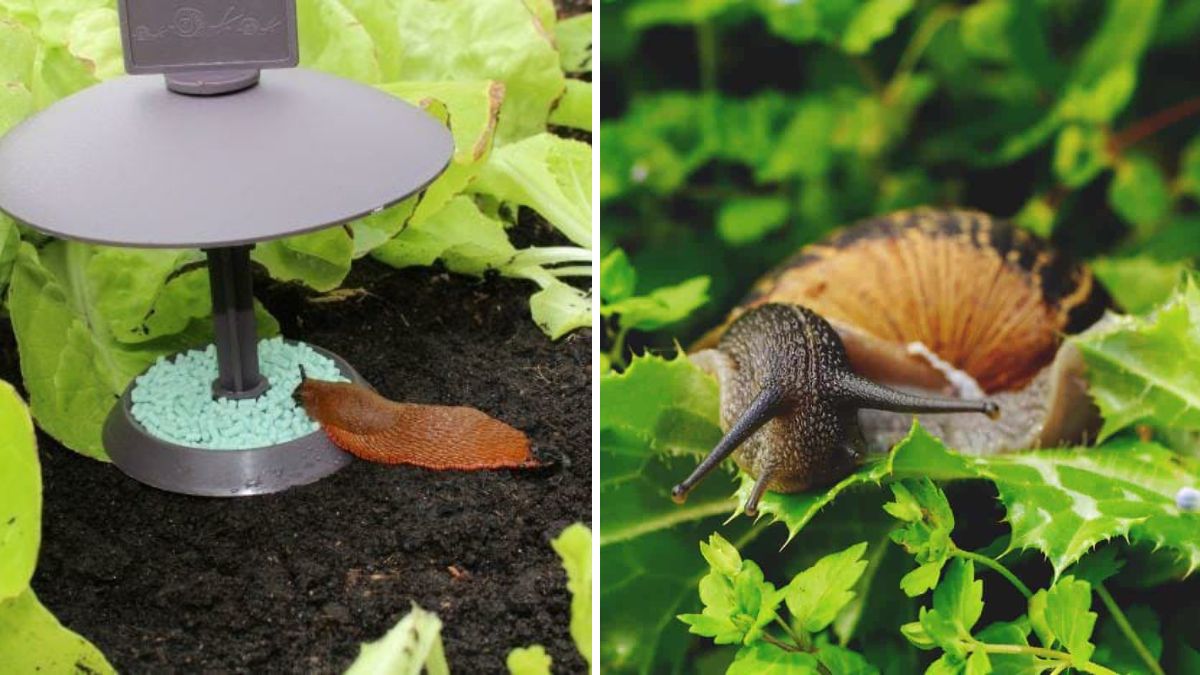
Snails can be a gardener’s worst enemy. These slow-moving pests love to chew on leaves, fruits, and seedlings, often leaving holes and damaging young plants. While chemical pesticides are available, they can harm beneficial insects, pets, and the environment. Fortunately, you can protect your garden naturally with easy homemade snail traps that work effectively without chemicals.
This guide will walk you through the reasons snails invade gardens, simple DIY traps, and strategies to keep them away, ensuring your plants thrive while keeping your garden eco-friendly.
1. Why Snails Are a Problem in Gardens
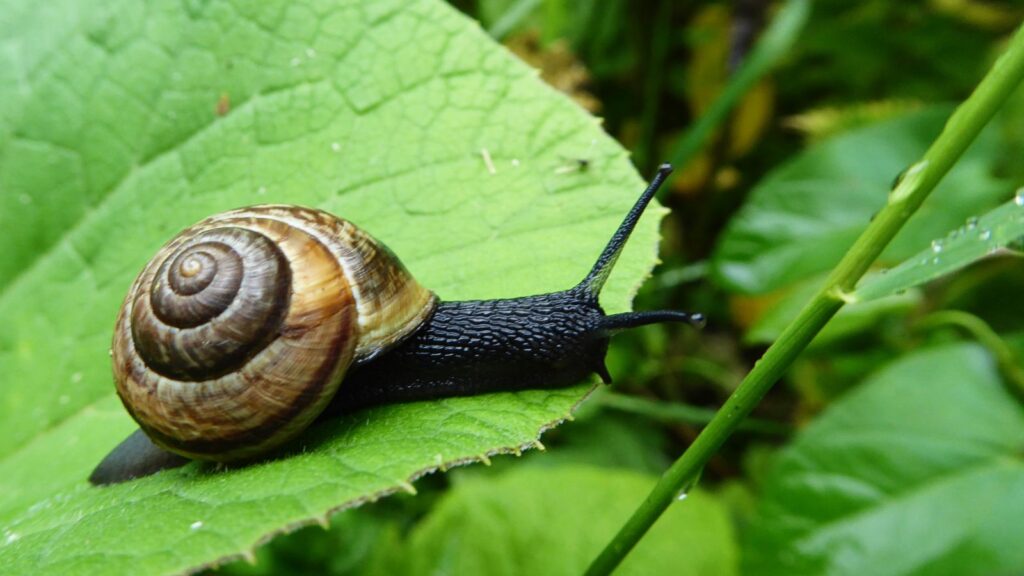
Snails are more than just a minor nuisance:
- They feed on tender leaves, stems, flowers, and fruits, often causing significant damage to vegetables and ornamentals.
- Snails reproduce rapidly, multiplying in moist environments and creating persistent infestations.
- They can hide in mulch, soil, and under pots, making them difficult to eliminate.
Understanding snail behavior is essential for creating traps that work effectively. Snails are nocturnal feeders, most active at night or during damp, humid conditions. This behavior can be used to your advantage when designing traps.
2. Principles of an Effective Snail Trap
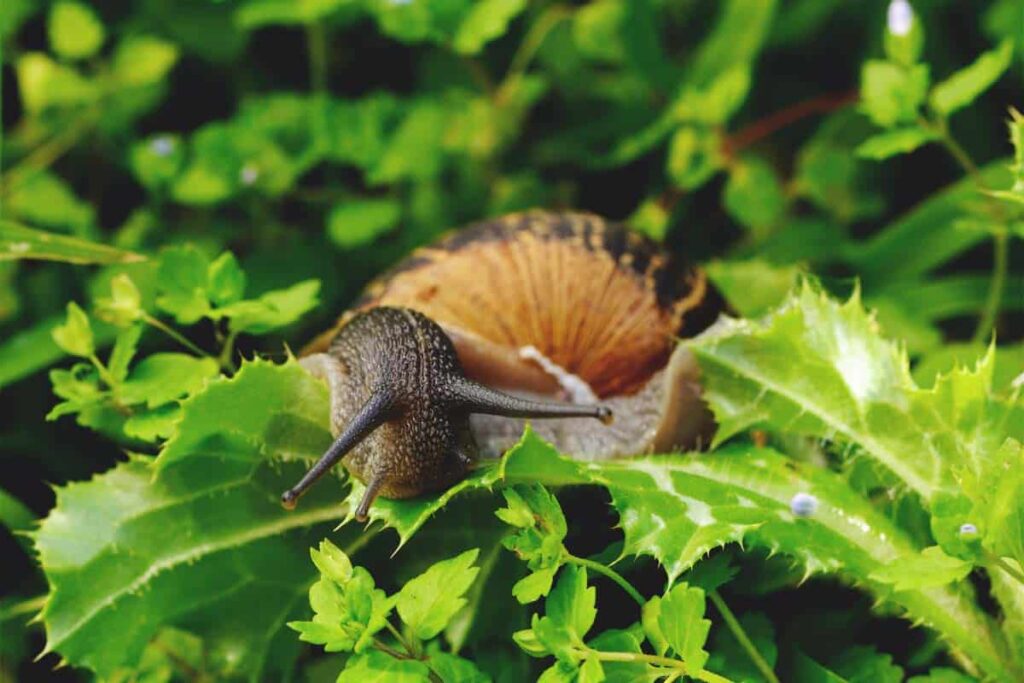
A good snail trap works by:

- Attracting snails: Using bait or favorable conditions that lure them into the trap.
- Trapping snails: Preventing them from escaping once inside.
- Safe removal: Allowing you to dispose of snails without using harmful chemicals.
Homemade traps are safe for children, pets, and beneficial insects, making them ideal for organic gardening.
3. Materials for a Homemade Snail Trap
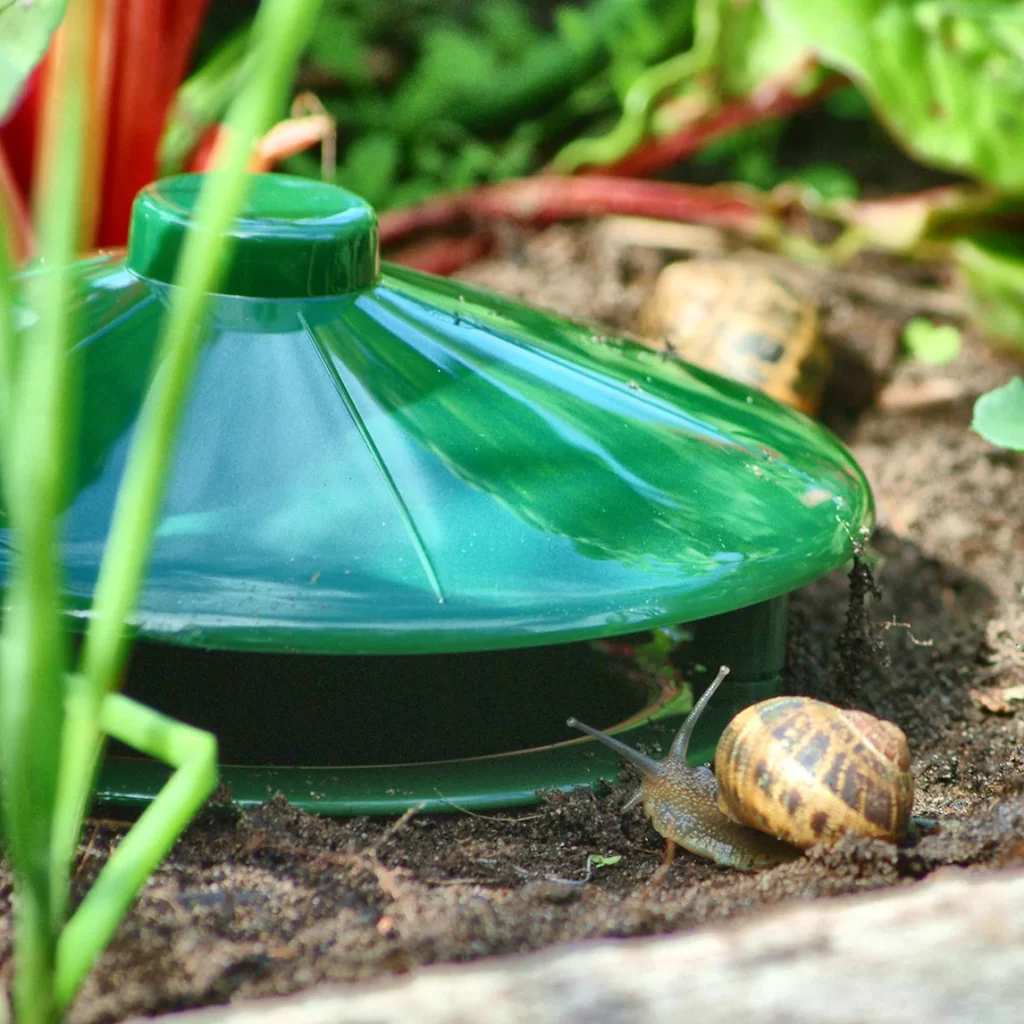
You don’t need special tools to make a snail trap—most materials are readily available at home:
- Shallow containers (plastic cups, small bowls, or jar lids)
- Baits: Beer, fruit peels, or lettuce leaves
- Soil, sand, or mulch (optional, for covering or lining traps)
- Small boards or lids (to provide shelter and encourage snails to enter)
These simple materials can help you build multiple traps for different areas of your garden.
4. Beer Trap Method
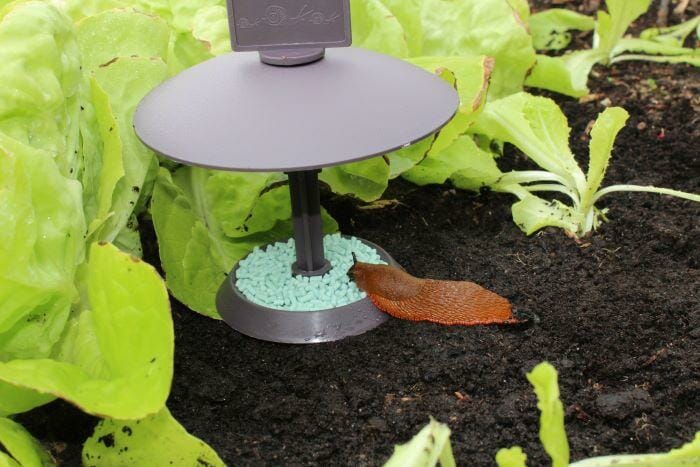
One of the most popular and effective homemade snail traps is the beer trap. Snails are attracted to the yeast in beer and will crawl into the container, eventually drowning.
Steps to Make a Beer Trap:
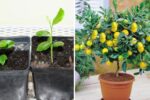
- Choose a shallow container such as a cup, jar lid, or small bowl.
- Fill it with beer—cheap beer works fine.
- Dig a small hole in the garden so the rim of the container is level with the soil.
- Place the trap in areas where snails are most active, like near plants or along garden edges.
- Check traps daily, emptying dead snails and refilling beer as needed.
Tips: Place multiple traps around the garden to increase effectiveness. Snails are more active at night, so setting traps in the evening yields better results.
5. Fruit Peel Trap Method
Snails love soft, sweet foods, making fruit peel traps an effective chemical-free solution.
Steps to Make a Fruit Trap:
- Collect scraps such as banana peels, melon rinds, or apple cores.
- Place the peels directly on the soil near affected plants.
- Cover lightly with a small board or inverted container to provide shelter and encourage snails to enter.
- Check daily and remove snails along with the bait.
- Compost or dispose of the fruit peel after removing snails.
This method is excellent for smaller gardens and allows you to recycle kitchen waste.
6. Lettuce Leaf or Cabbage Trap
Leafy greens can also attract snails:

- Place fresh lettuce or cabbage leaves near seedlings or affected areas.
- Snails will congregate under the leaves during the day.
- Pick up the leaves with snails and dispose of them safely.
This is an easy and pet-safe method to reduce snail populations naturally.
7. Eggshell Barrier Method (Supplementary)
While not a trap per se, eggshells help prevent snails from reaching plants:
- Crush eggshells and scatter them around seedlings or plant bases.
- The rough texture deters snails and slows their movement.
- Eggshells also add calcium to the soil, benefiting plants.
Combined with traps, this method creates a multi-layer defense against snails.
8. Creating Shelter Traps
Snails like dark, damp places for hiding. You can use this natural behavior to trap them:
- Place inverted pots, boards, or damp mulch piles in the garden.
- Snails will gather under these shelters during the day.
- Check shelters daily and remove snails manually.
This method is simple, requires no bait, and works well alongside beer or fruit peel traps.

9. Placement and Timing of Traps
To maximize trap effectiveness:
- Place traps near plants snails target, along edges, and under low-hanging leaves.
- Check traps early in the morning or late evening when snails are most active.
- Rotate traps around the garden to prevent snails from avoiding specific areas.
Multiple small traps are often more effective than a single large trap, especially in larger gardens.
10. Safe Disposal of Snails
Once snails are trapped, you need to dispose of them safely:
- Collect them and transfer to a compost heap (if the compost does not contain susceptible plants).
- Place in a bucket of soapy water to humanely remove them.
- Avoid scattering snails back into the garden, as this reintroduces the problem.
By managing snail populations regularly, you can prevent major infestations without resorting to harmful chemicals.
11. Maintaining a Snail-Free Garden Naturally
Traps are highly effective, but integrating other strategies improves long-term control:
- Remove debris, fallen leaves, and excessive mulch that provide shelter for snails.
- Water plants in the morning, not evening, to reduce damp nighttime conditions that snails love.
- Encourage natural predators like birds, frogs, and beetles to help control snail populations.
- Rotate traps and barriers regularly to keep snails from adapting to one method.
Consistent effort keeps your garden snail-free and healthy.
Conclusion
Homemade snail traps offer an easy, safe, and chemical-free solution for protecting your garden. Whether using beer traps, fruit peels, leafy greens, or shelter traps, these methods target snails naturally while being safe for children, pets, and beneficial insects.
By strategically placing traps, checking them daily, and combining them with preventive measures like eggshell barriers and natural predators, gardeners can effectively manage snail populations without toxic chemicals.
With patience and persistence, your garden can remain healthy, productive, and snail-free, allowing your plants to thrive and your harvests to flourish. Using these simple homemade traps ensures you can enjoy a chemical-free garden while keeping your plants safe and flourishing all season long.