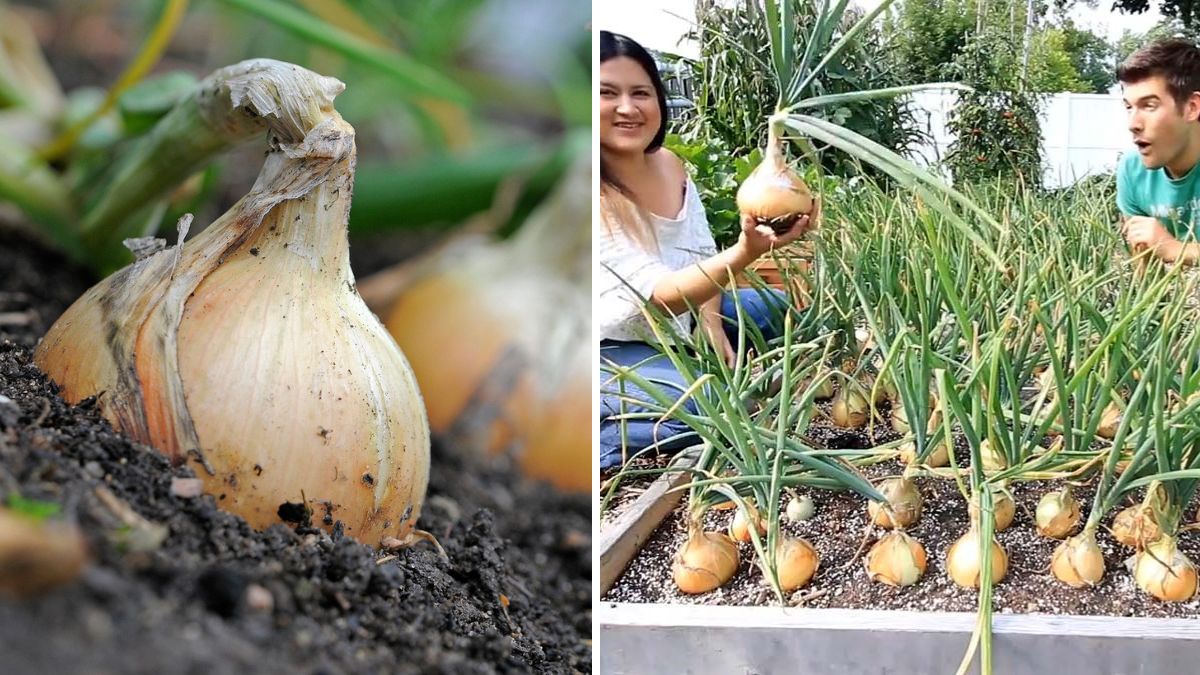
Onions are a staple in kitchens around the world, adding flavor, aroma, and nutrition to countless dishes. But what if you could grow big, juicy onions right at home, surpassing anything available in the market? With the right techniques, care, and timing, home gardeners can cultivate onions that are larger, healthier, and more flavorful than store-bought varieties. This guide will show you step by step how to grow big onions successfully, whether in your backyard garden, raised beds, or even containers.
Why Grow Your Own Onions?
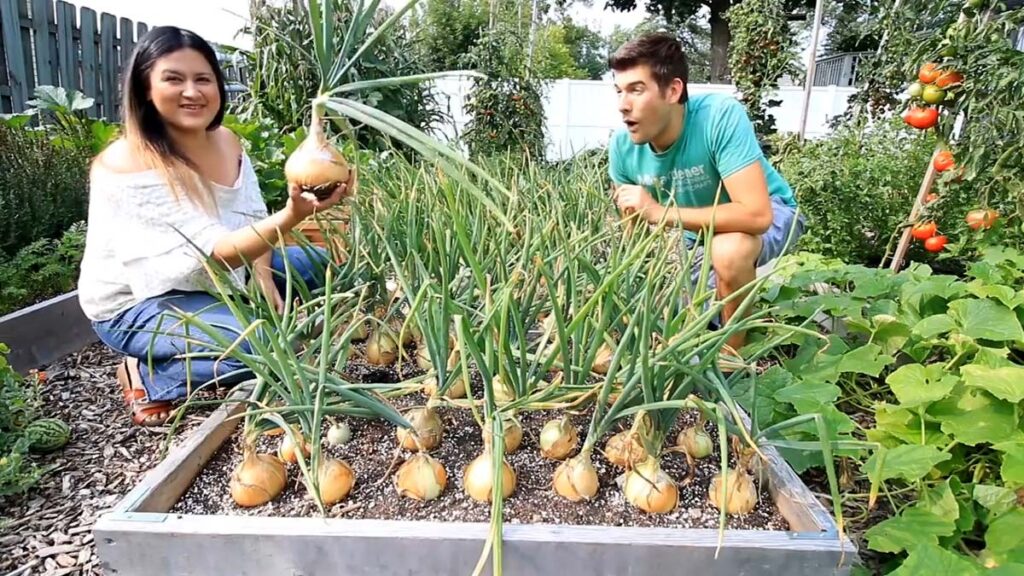
Growing onions at home offers numerous benefits:
- Fresher Produce: Homegrown onions have richer flavor and aroma.
- Cost-Effective: Save money by producing your own instead of buying from the market.
- Pesticide-Free: Control the quality and ensure your onions are free from harmful chemicals.
- Variety Choice: Grow unique onion varieties that may not be available locally.
- Satisfying Harvest: Watching small seeds turn into large, plump onions is incredibly rewarding.
Choosing the Right Onion Variety
Onions come in several types, and selecting the right variety is crucial for growing big onions:
- Yellow Onions: Versatile and long-lasting; ideal for cooking.
- Red Onions: Mild flavor, perfect for salads and garnishing.
- White Onions: Sweet and crisp, often used in raw preparations.
- Local or Hybrid Varieties: Choose varieties adapted to your climate for better growth.
For maximum size, choose varieties known for large bulbs and long growing seasons.
Best Conditions for Growing Big Onions
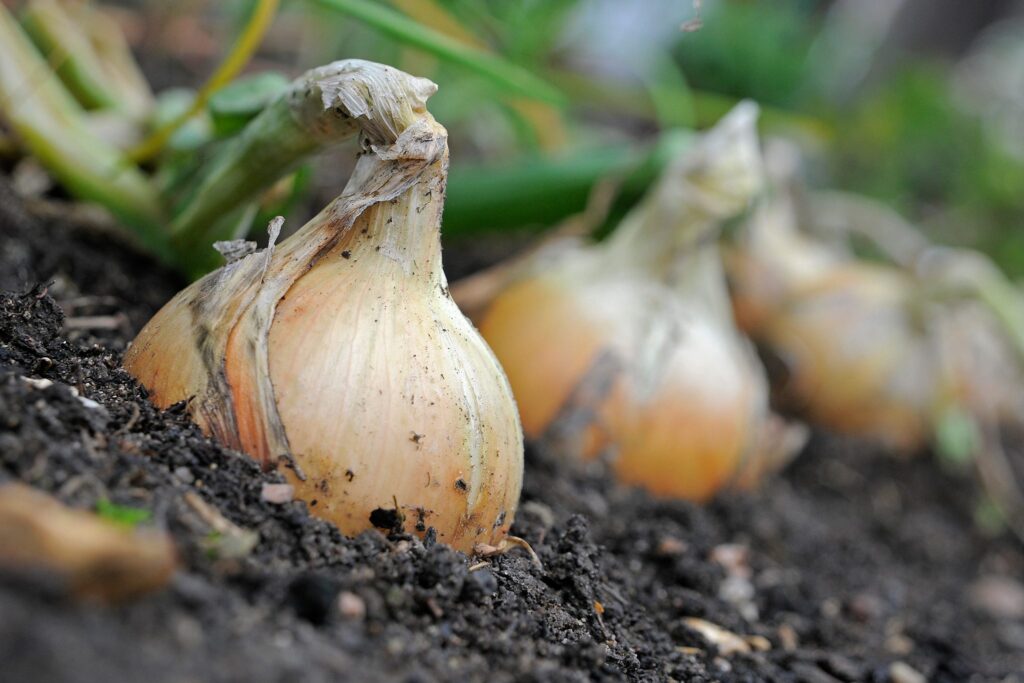
Onions thrive under specific environmental conditions. Providing optimal growth conditions ensures large, healthy bulbs:
- Climate: Onions prefer cool weather during initial growth and warmer conditions during bulb formation. Ideal temperature: 15°C–25°C (59°F–77°F).
- Sunlight: Full sun exposure (6–8 hours daily) is necessary for maximum bulb growth.
- Soil: Loose, fertile, well-draining soil enriched with organic matter promotes bigger onions. Avoid heavy clay soils.
- pH Level: Slightly acidic to neutral soil (pH 6.0–7.0) works best.
- Spacing: Give each plant enough room (4–6 inches apart) to allow bulbs to expand fully.
Materials Needed
Before planting, gather these essentials:
- Onion seeds, sets, or seedlings
- Fertile garden soil or raised bed soil
- Compost or well-rotted manure
- Fertilizers (balanced NPK or organic alternatives)
- Mulch (optional, for moisture retention)
- Watering can or drip irrigation system
Step-by-Step Guide to Growing Big Onions
Step 1: Start with Quality Seeds or Sets
- Seeds: Start seeds indoors 8–10 weeks before the last frost. Sow in seed trays with seed-starting soil and keep them moist.
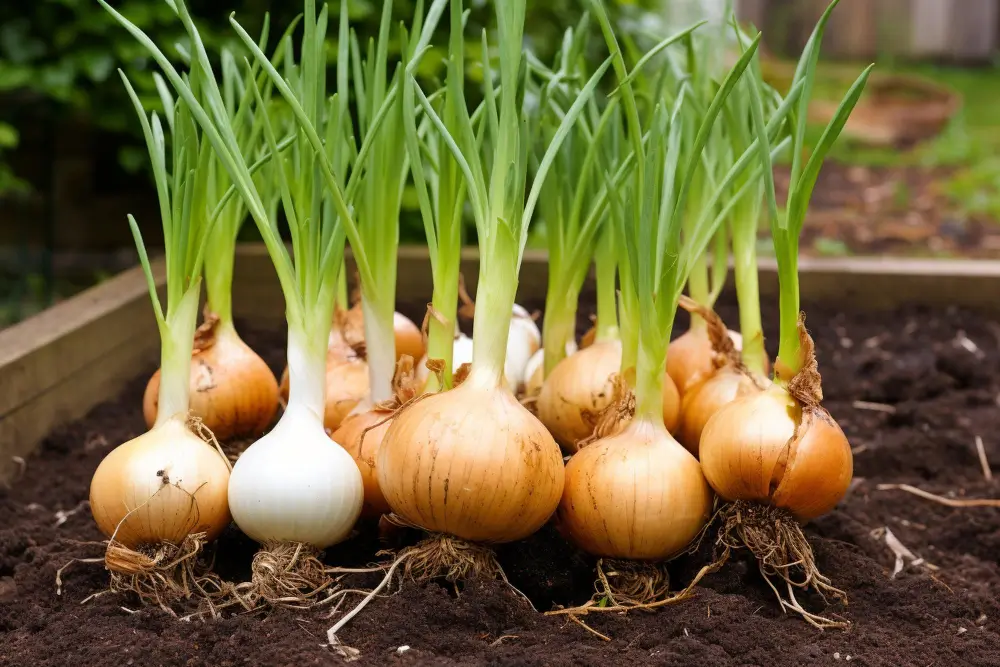
- Sets: Small onion bulbs can be directly planted in the soil. They tend to produce larger bulbs faster.
- Seedlings: Transplant seedlings when they are 6–8 inches tall and sturdy.
Step 2: Soil Preparation
- Loosen soil to a depth of 12–15 inches to encourage bulb expansion.
- Mix in compost or well-rotted manure to enrich the soil.
- If your soil is heavy clay, add sand or perlite for better drainage.
Step 3: Planting
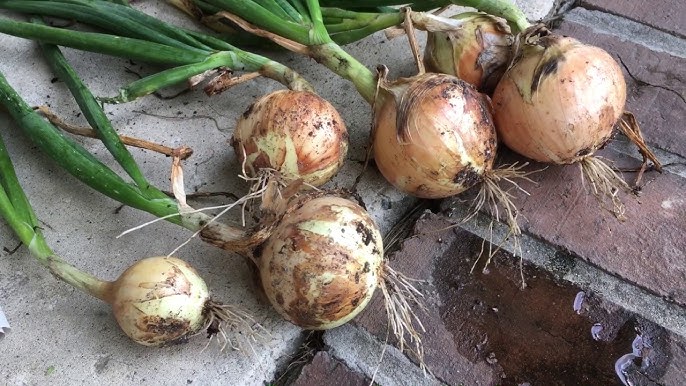
- Plant seeds, sets, or seedlings 1 inch deep for seeds and 1–2 inches deep for sets or seedlings.
- Space plants 4–6 inches apart and rows 12–18 inches apart.
- Water lightly immediately after planting to settle the soil.
Step 4: Watering
- Onions need consistent moisture, especially during bulb formation.
- Water deeply once or twice a week, depending on rainfall and soil type.
- Avoid overwatering, which can cause rot or disease.
Step 5: Fertilization
- Apply nitrogen-rich fertilizer during early growth to promote lush green leaves.
- Reduce nitrogen and increase potassium and phosphorus during bulb formation to encourage bigger, firmer bulbs.
- Organic alternatives include compost tea, fish emulsion, or well-rotted manure.
Step 6: Mulching
- Mulch around onion plants to retain soil moisture, suppress weeds, and maintain soil temperature.
- Straw, dried leaves, or grass clippings work well as mulch.
Step 7: Managing Pests and Diseases
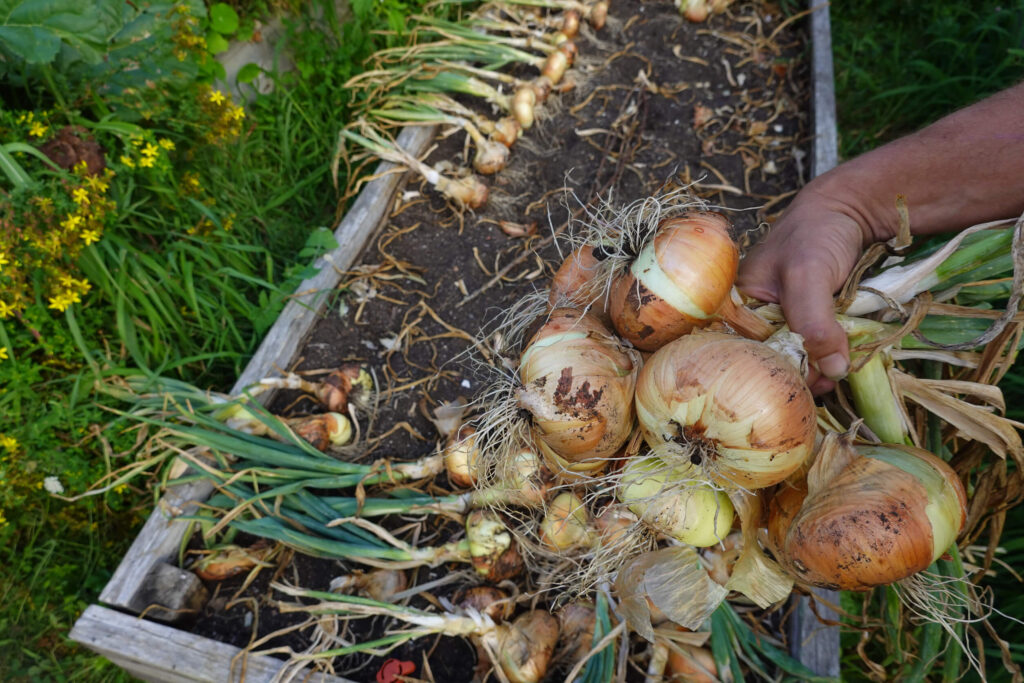
- Watch for onion thrips, aphids, and fungal infections like downy mildew or white rot.
- Use neem oil, insecticidal soap, or organic fungicides if needed.
- Ensure good spacing and airflow to prevent disease development.
Step 8: Encouraging Big Bulbs
- Remove Flower Stalks: Onions may produce flower stalks (bolting) that divert energy away from bulb growth. Snip them off promptly.
- Consistent Care: Avoid drought or extreme stress; consistent watering and fertilization are key.
- Leaf Care: Healthy green leaves are essential for photosynthesis, which feeds the bulb. Remove damaged or yellowing leaves carefully.
Step 9: Harvesting
- Onions are ready to harvest when the leaves start to yellow and fall over naturally.
- Gently lift the bulbs using a garden fork, taking care not to bruise them.
- Allow the onions to cure in a dry, airy place for 2–3 weeks to extend storage life.
Tips for Growing Record-Breaking Onions
- Use Deep Soil: Onions need room to develop; deeper soil produces larger bulbs.
- Succession Planting: Plant in intervals to enjoy continuous harvests throughout the season.
- Fertilize Wisely: Adjust fertilizer ratios depending on growth stage to maximize size.
- Control Weeds: Onions compete poorly with weeds, so keep beds clean.
- Avoid Overcrowding: Proper spacing ensures each bulb receives enough nutrients and sunlight.
Nutritional Benefits of Onions
Onions are not just delicious—they’re also incredibly healthy:
- Rich in antioxidants that help combat inflammation.
- Contains vitamin C, supporting immunity.
- Provides fiber for digestive health.
- Includes compounds like quercetin that support heart health.
Homegrown onions are fresher, tastier, and more nutritious than store-bought alternatives.
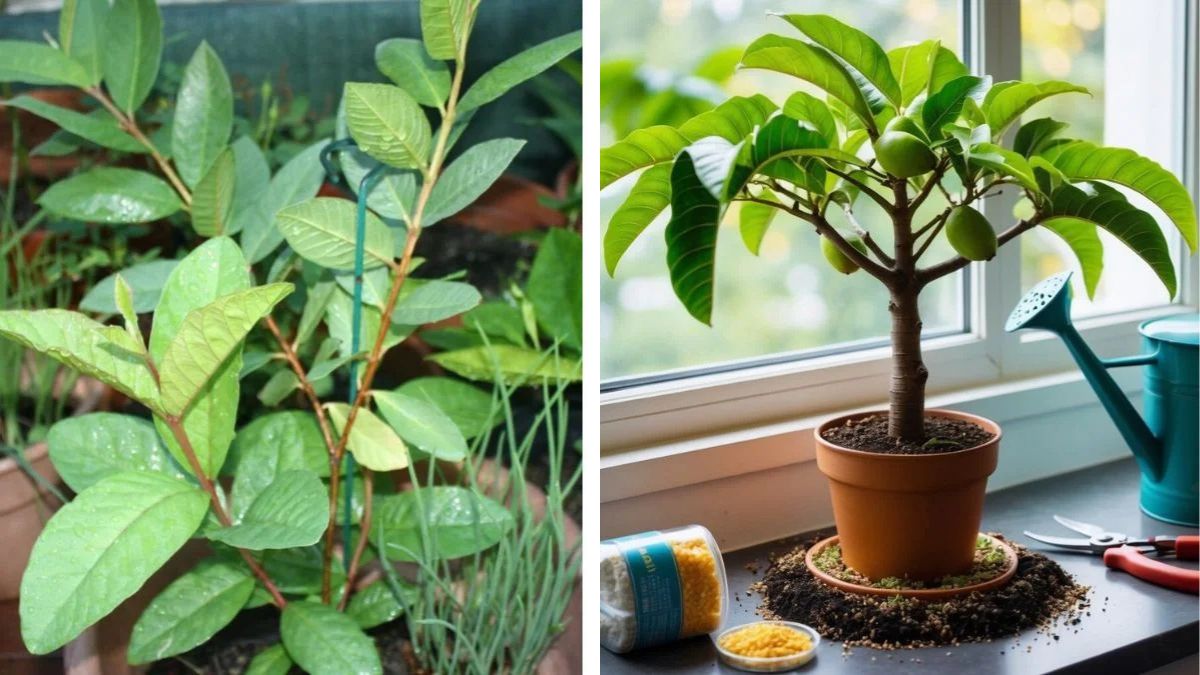
Common Mistakes to Avoid
- Planting too late: Onions need time to mature, so plan planting according to your local frost dates.
- Inconsistent watering: Dry soil during bulb formation can reduce size significantly.
- Ignoring soil fertility: Poor soil yields small, weak bulbs.
- Crowding plants: Overcrowded onions produce smaller bulbs.
- Leaving bolted onions: Remove flower stalks to redirect energy to the bulb.
Conclusion
Growing big onions at home is a highly rewarding gardening endeavor. By selecting quality seeds or sets, preparing fertile soil, providing consistent care, and following proper planting techniques, you can produce onions that are larger, juicier, and more flavorful than what you find in stores. Whether you have a backyard garden, raised bed, or container space, these steps will guide you toward a record-breaking onion harvest.
Start today, follow these tips, and soon you’ll enjoy the satisfaction of pulling up big, beautiful onions straight from your own garden!