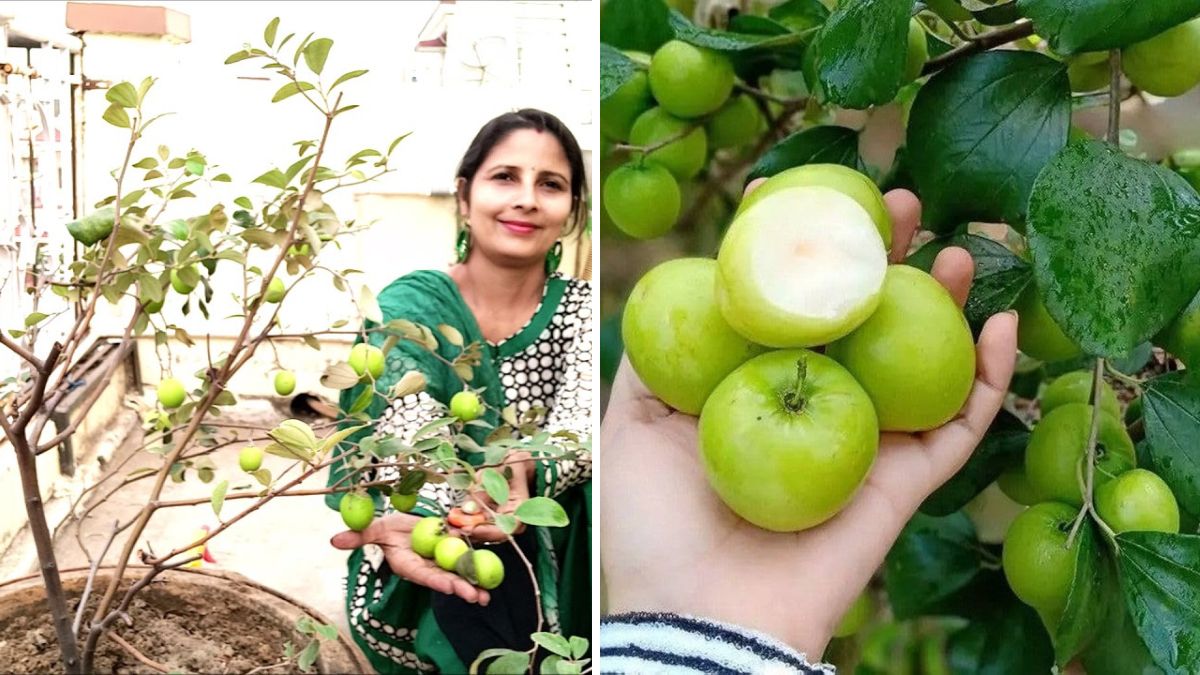
Apple Ber, also known as Jujube, is a hardy, nutritious fruit that is gaining popularity among home gardeners. With its sweet, tangy flavor and rich vitamin content, jujube is not only a delicious snack but also a powerhouse of nutrients. While traditionally grown in open fields, it is entirely possible to cultivate apple ber in containers, making it ideal for balconies, terraces, or small gardens. Growing jujube in containers allows you to control soil quality, water, and sunlight exposure, ensuring healthy growth and bountiful fruit. This comprehensive guide will walk you through everything you need to know to grow apple ber successfully in containers.
Why Grow Apple Ber (Jujube) in Containers?
Container gardening offers several advantages for cultivating apple ber:
- Space-Saving: Ideal for urban homes, balconies, and terraces.
- Controlled Growth: Easier to manage soil, water, and nutrients.
- Mobility: Containers can be moved to protect plants from extreme weather or maximize sunlight exposure.
- Pest and Disease Management: Reduces risk of soil-borne diseases and pests.
- Early Fruiting: Well-maintained container plants often bear fruit faster than field-grown plants.
Choosing the Right Apple Ber Variety
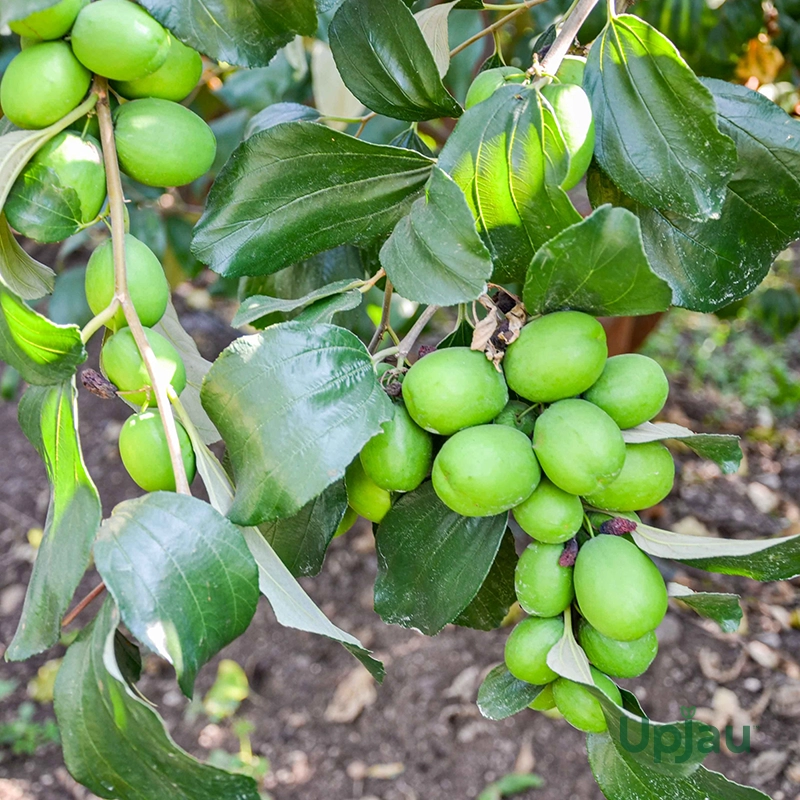
Selecting the right variety is crucial for container growth:
- Gola: Small, sweet fruits, highly suited for container growth.
- Seb: Medium-sized fruits with a crisp texture.
- Umran: Known for large, juicy fruits; requires sturdy container support.
- Local Dwarf Varieties: These are naturally compact and thrive well in pots.
For container gardening, dwarf or semi-dwarf varieties are recommended as they adapt better to limited root space and require less pruning.
Ideal Conditions for Growing Apple Ber in Containers
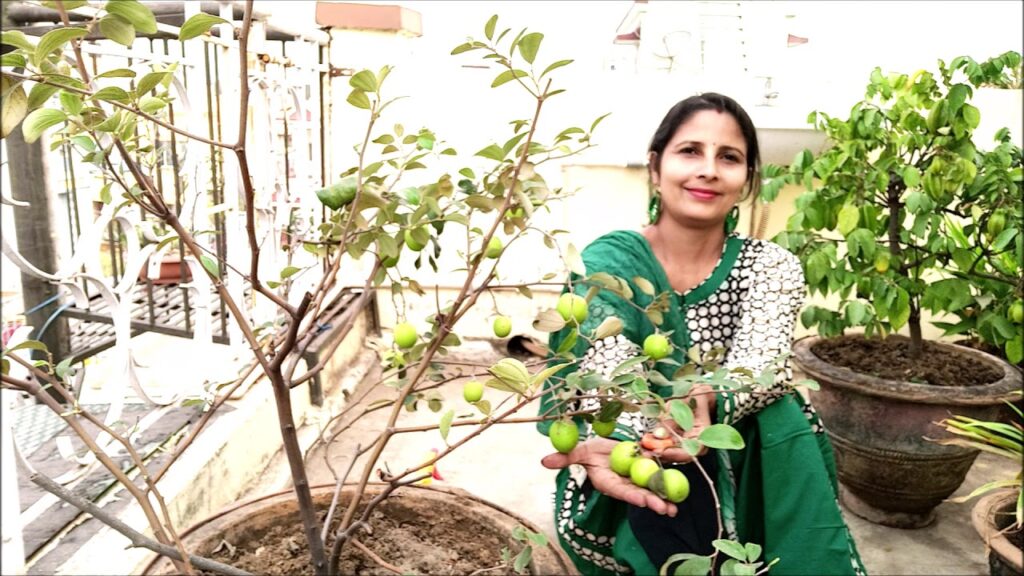
Apple ber is hardy but responds best to favorable conditions:
- Sunlight: Full sun (6–8 hours/day) ensures healthy growth and fruiting.
- Temperature: Thrives in warm climates (20°C–35°C) but can tolerate mild frost if protected.
- Soil: Well-drained, fertile soil with a pH of 6.0–7.5. Mixing compost or cocopeat improves aeration and fertility.
- Watering: Moderate watering is sufficient; avoid waterlogging as it can cause root rot.
Materials Needed
Before planting, gather the following:
- Apple ber sapling or grafted plant (best for early fruiting)
- Large container or pot (minimum 18–24 inches in diameter)
- Well-draining soil or potting mix
- Compost or organic manure
- Mulch for moisture retention
- Trellis or stake for support (optional)
- Watering can
Step-by-Step Guide to Growing Apple Ber in Containers
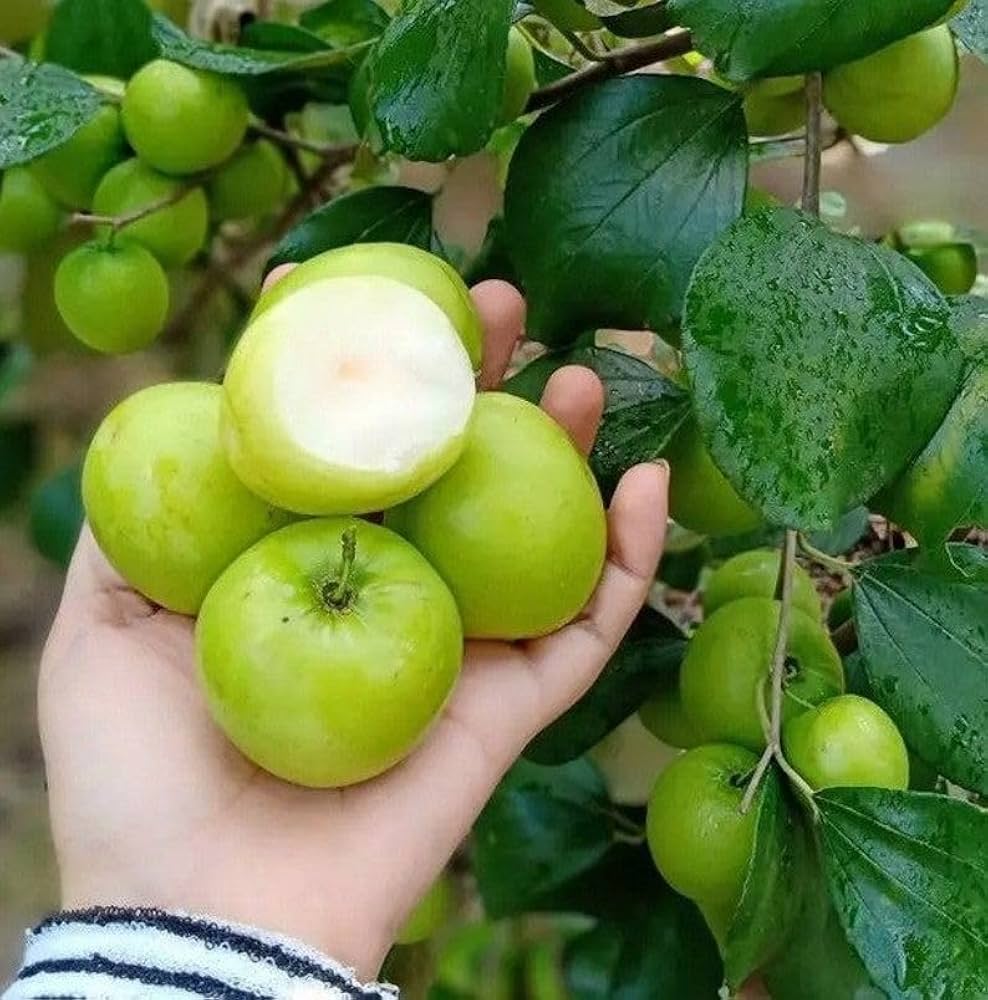
Step 1: Selecting a Healthy Plant
Start with a healthy grafted sapling for faster fruiting. Grafted plants establish quickly and produce fruits in 1–2 years, whereas seed-grown plants may take 5–7 years. Choose plants with strong roots and no visible disease.
Step 2: Choosing the Right Container
- Select a large, sturdy container with drainage holes to prevent waterlogging.
- The size should allow at least 2–3 feet of root space for dwarf varieties.
- Containers can be plastic, ceramic, or fiber, but ensure proper weight support for larger plants.
Step 3: Preparing the Soil
- Mix garden soil with compost or well-rotted manure in a 2:1 ratio.
- Add sand or perlite for better drainage.
- Fill the container, leaving 2–3 inches at the top for watering.
Step 4: Planting the Sapling
- Dig a hole in the soil slightly larger than the root ball of the sapling.
- Place the plant in the container, spreading the roots gently.
- Fill the hole with soil and gently press down to remove air pockets.
- Water immediately after planting to help the soil settle.
Step 5: Providing Support
- Apple ber can grow 6–12 feet tall in the open, so stake the plant to provide support.
- Use a bamboo stake or trellis to prevent bending or breaking.
- Tie the stem loosely to allow natural movement while offering stability.
Step 6: Watering and Fertilization
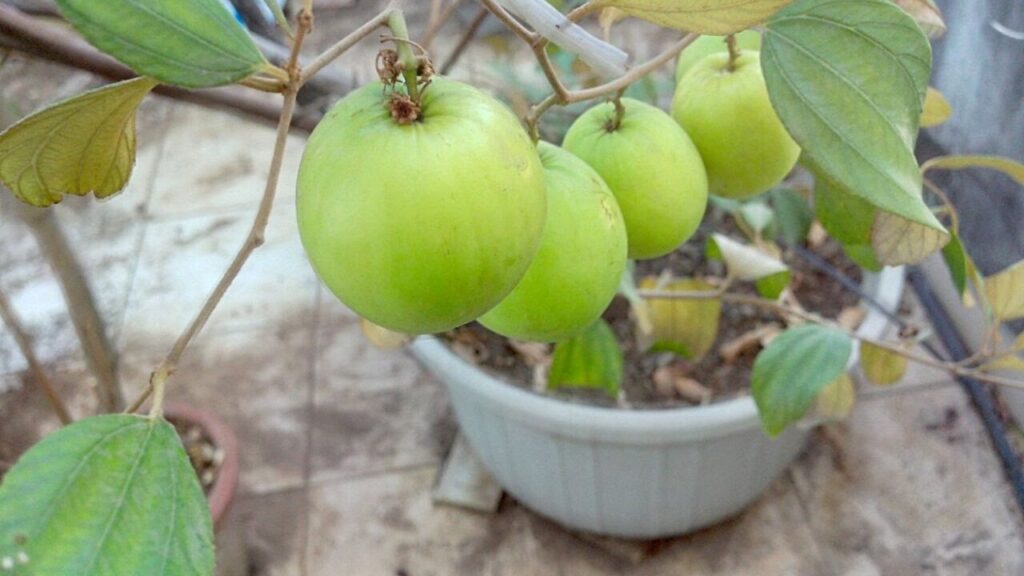
- Water moderately; keep the soil moist but not soggy.
- During the first year, water 2–3 times per week depending on weather conditions.
- Apply organic fertilizers like compost, vermicompost, or liquid manure once a month.
- During flowering and fruiting, supplement with NPK fertilizer (10:10:10) to encourage healthy fruit development.
Step 7: Pruning and Maintenance
- Prune dead, diseased, or overcrowded branches regularly to improve airflow and sunlight penetration.
- For container plants, light pruning helps maintain manageable height and promotes branching.
- Remove flower buds during the first year to encourage strong root and stem growth.
Step 8: Pollination
- Apple ber is mostly self-pollinating, but bees and insects improve fruit set.
- Ensure your plant has access to sunlight and a natural pollinator-friendly environment.
Step 9: Harvesting
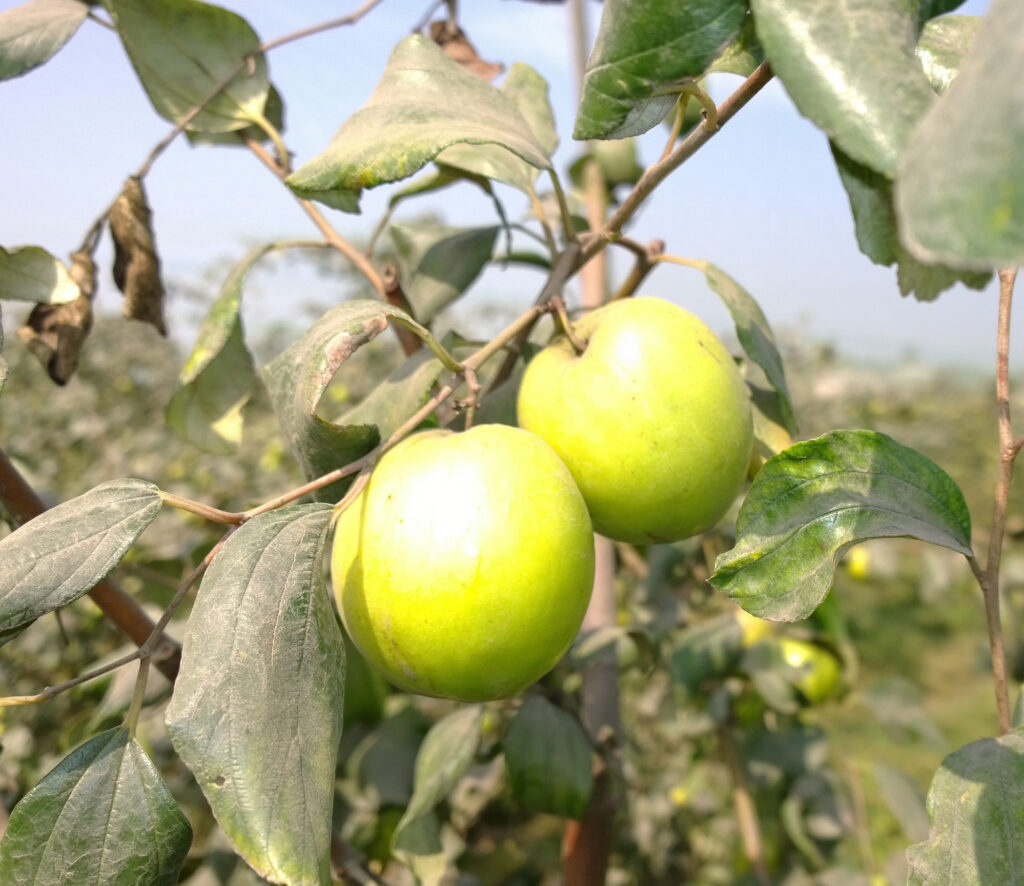
- Fruits are ready to harvest when they turn red or dark brown (depending on variety) and are slightly soft to touch.
- Harvest gently to avoid damaging branches.
- Regular harvesting encourages continuous flowering and fruiting.
Tips for Maximizing Fruit Yield
- Sunlight Exposure: Move containers to sunny spots for better flowering.
- Regular Watering: Maintain consistent soil moisture during flowering and fruiting.
- Fertilizer Timing: Apply fertilizers before flowering and during fruit development for larger fruits.
- Pest Management: Watch for aphids, fruit flies, and mites. Neem oil or organic sprays can help control pests.
- Container Rotation: Occasionally rotate containers for even sunlight exposure.
Nutritional and Health Benefits of Apple Ber
Apple ber is not only delicious but also highly nutritious:
- Rich in vitamin C, boosting immunity.
- Contains antioxidants that combat free radicals.
- High in fiber, aiding digestion.
- Has potassium and iron, supporting heart health and blood circulation.
- Traditional medicinal uses include improving sleep, reducing stress, and enhancing vitality.
Common Mistakes to Avoid
- Using small containers: Limits root growth, reducing fruit size and plant health.
- Overwatering: Leads to root rot and fungal infections.
- Neglecting pruning: Overgrown branches reduce sunlight and airflow, decreasing yield.
- Ignoring pests: Aphids and fruit flies can damage fruits if left uncontrolled.
- Planting in shade: Apple ber requires full sun for optimum growth and fruiting.
Conclusion
Growing apple ber (jujube) in containers is a rewarding experience that combines the joys of gardening with the benefits of home-grown, nutritious fruits. By selecting the right variety, providing optimal sunlight, using well-draining soil, and maintaining consistent care, you can enjoy a bountiful harvest right from your balcony, terrace, or small garden space. With patience and attention to detail, container-grown apple ber can produce juicy, sweet, and tangy fruits year after year, making it a perfect addition to your home garden.
Start planting today and watch your apple ber tree flourish, turning your container into a fruit-producing powerhouse!