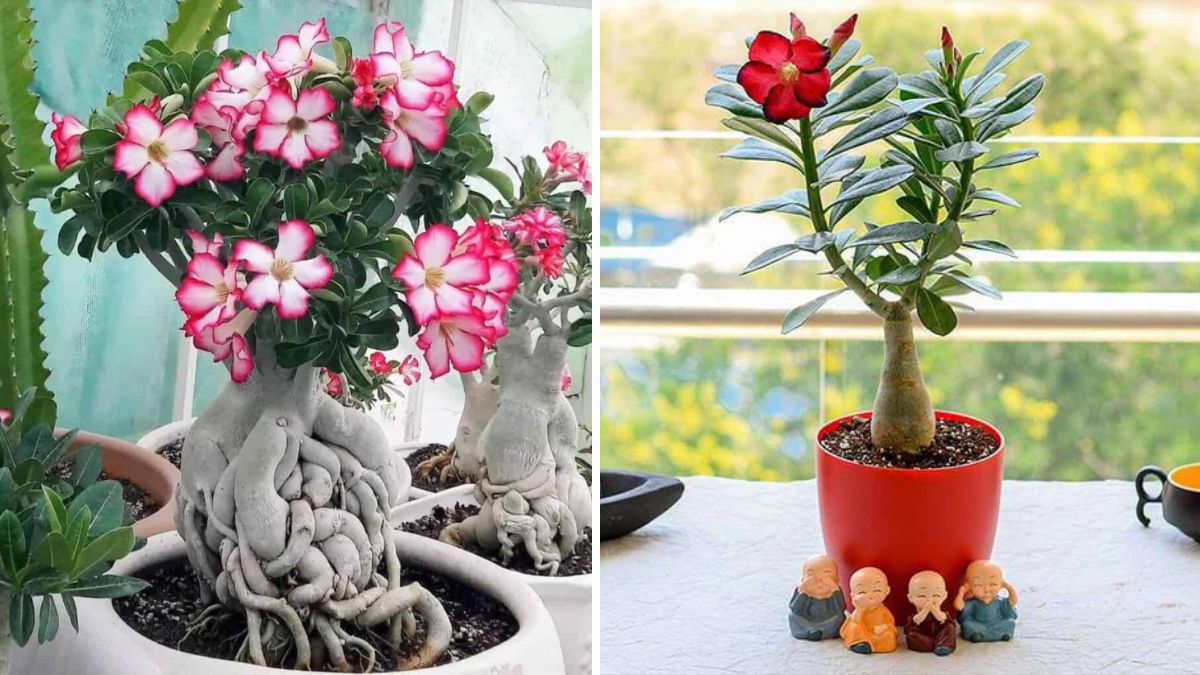
Adenium, also known as the Desert Rose, is one of the most striking and charming plants you can grow. Its thick, succulent trunk, elegant branches, and vibrant flowers make it a favorite for bonsai enthusiasts. The best part? You don’t need a large garden or expensive tools to create a stunning Adenium bonsai. With some patience, a few simple steps, and a little creativity, you can transform a regular Adenium plant into a beautiful bonsai that becomes the centerpiece of your home or garden. In this guide, we’ll show you how to make a cute Adenium bonsai—fast, easy, and completely enjoyable!
Why Adenium Bonsai?
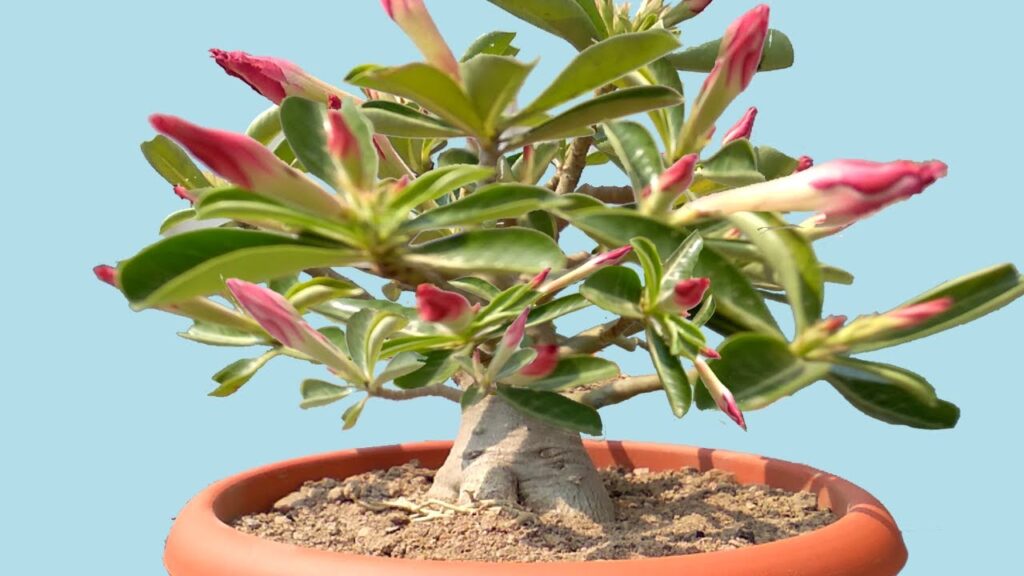
Adenium is a perfect candidate for bonsai because of its unique characteristics:
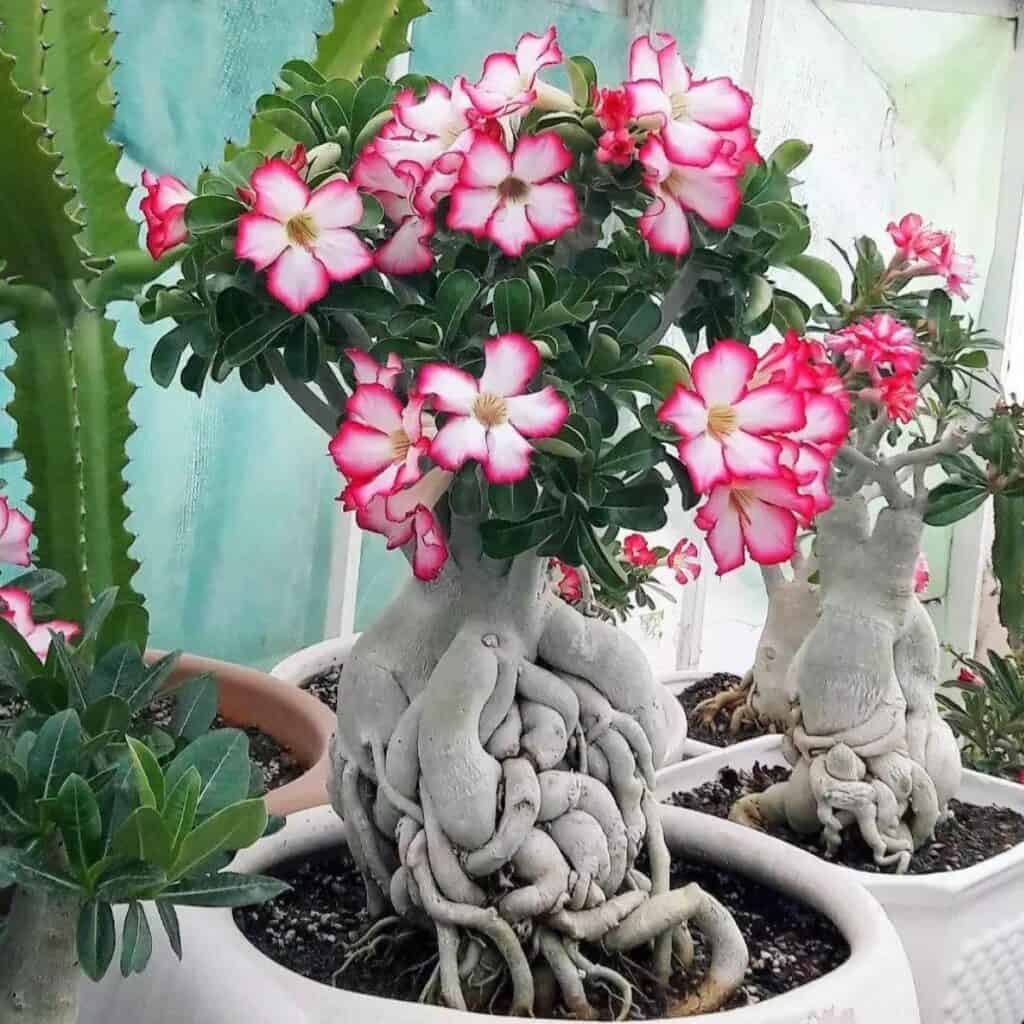
- Thick Caudex (Trunk): The swollen trunk stores water and adds dramatic beauty to your bonsai.
- Bright Flowers: Adenium blooms with eye-catching flowers in shades of pink, red, and white.
- Compact Size: It grows slowly, making it ideal for pots, windowsills, or balconies.
- Low Maintenance: Adenium is drought-tolerant and easy to care for, perfect for beginners.
Creating a bonsai is not just about shaping a plant; it’s a form of living art. Adenium bonsai combines elegance, color, and personality, making it a joy to nurture.
Materials You’ll Need
To start your Adenium bonsai project, gather the following items:
- A healthy Adenium plant – either from seed or a young plant.
- A shallow bonsai pot – ensures proper root growth and adds aesthetic appeal.
- Well-draining soil mix – a combination of cactus soil, sand, and perlite works best.
- Pruning tools – sharp scissors or bonsai shears.
- Twine or bonsai wire – for shaping branches if needed.
- Water and fertilizer – for regular care.
Optional: Decorative stones or moss to enhance the bonsai’s look.
Step 1: Choosing the Right Adenium Plant
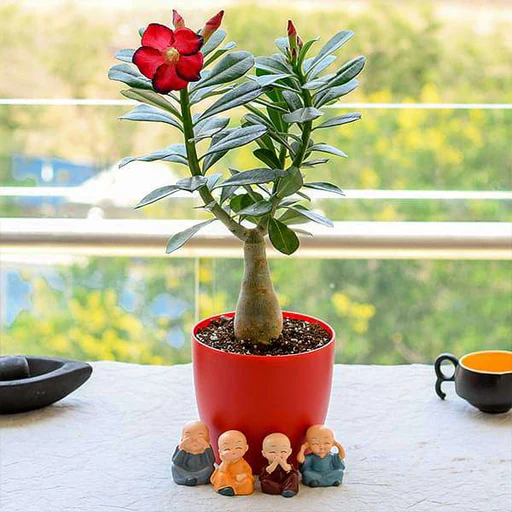
The first step is selecting a healthy Adenium plant:
- Look for a plant with a thick, healthy caudex.
- Ensure the leaves are green, and the plant shows no signs of pests or disease.
- Young plants are easier to shape, but mature Adeniums with multiple branches can also be transformed into bonsai.
Tip: If you’re starting from seeds, germinate them in a well-draining soil mix and allow them to grow for 6–8 months before shaping.
Step 2: Preparing the Pot and Soil
Adenium requires excellent drainage to prevent root rot:
- Choose a shallow bonsai pot with drainage holes.
- Mix your soil: 50% cactus soil, 25% perlite, 25% coarse sand.
- Add a layer of small stones or pebbles at the bottom of the pot to enhance drainage.
- Place the Adenium carefully in the pot, spreading roots naturally, and fill around the plant with the soil mix.
Tip: Avoid burying the caudex too deep; part of it should remain above the soil for a dramatic bonsai look.
Step 3: Pruning for Shape
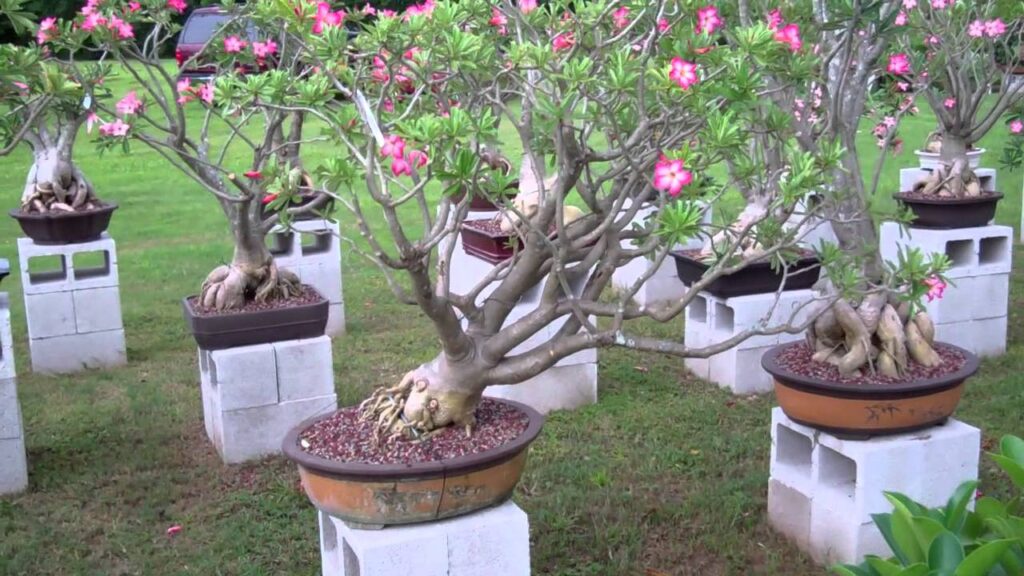
Pruning is the key to transforming a regular Adenium into a bonsai:
- Trim long branches: Cut back long, unruly branches to encourage compact growth.
- Shape the canopy: Aim for a balanced, asymmetrical look typical of bonsai.
- Remove dead or weak growth: This directs energy to stronger branches and healthier flowers.
- Encourage branching: Pinch or prune tips to stimulate new branch growth.
Pro tip: Don’t prune too heavily at once. Gradual shaping over weeks produces natural, elegant results.
Step 4: Wiring for Design (Optional)
For advanced shaping, you can use bonsai wire:
- Wrap a soft bonsai wire around branches gently.
- Bend branches slowly into the desired position.
- Leave the wire for a few weeks, checking regularly to avoid cutting into the bark.
- Remove the wire once the branches hold their shape.
Wiring allows you to create sweeping curves and unique forms that enhance the bonsai’s appeal.
Step 5: Watering and Fertilizing
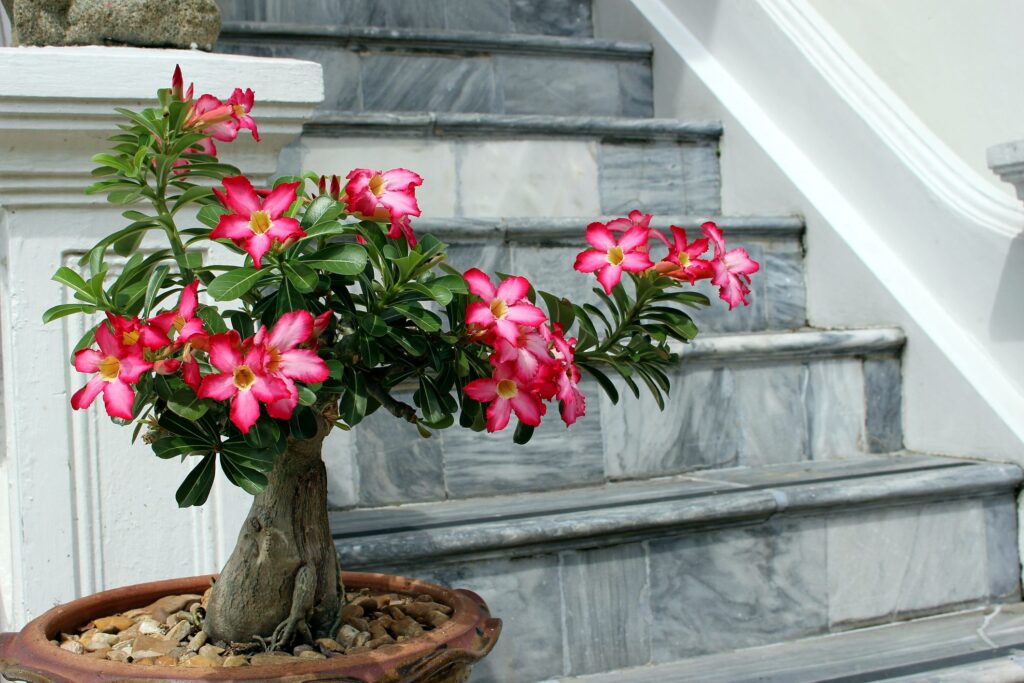
Adenium bonsai thrives on proper care:
- Watering: Allow the soil to dry slightly between waterings. Overwatering can cause root rot.
- Fertilizing: Use a balanced liquid fertilizer every 2–3 weeks during the growing season. Reduce feeding in the dormant season.
- Sunlight: Place your bonsai in a bright, sunny spot. Adeniums love at least 6 hours of sunlight daily.
Tip: During the flowering season, maintain consistent care to encourage vibrant blooms.
Step 6: Flowering and Seasonal Care
Adeniums bloom beautifully in warm seasons:
- Remove faded flowers to encourage continuous blooming.
- Protect the bonsai from frost or extreme cold. If grown indoors, keep it near a sunny window.
- Check for pests such as aphids or mealybugs and treat naturally with neem oil if needed.
A healthy bonsai with proper care will reward you with stunning flowers that enhance its artistic shape.
Step 7: Enhancing Aesthetic Appeal
Make your Adenium bonsai look even cuter and more natural:
- Add small stones or moss around the base to mimic a natural environment.
- Choose a pot color that complements the plant’s flowers.
- Experiment with creative shaping—spirals, windswept, or natural asymmetry for a unique style.
Tip: Remember that bonsai is living art. Your personal touch makes it unique.
Step 8: Propagation for More Bonsais
Once you’ve mastered one Adenium bonsai, you can create more:
- From seeds: Sow seeds in well-draining soil; young plants can be shaped into bonsai after 6–12 months.
- From cuttings: Take healthy stem cuttings, let them dry for a day, then plant in sandy soil to root.
This way, you can build a collection of cute Adenium bonsais with varying shapes and colors.
Step 9: Patience and Observation
Bonsai is an art of patience:
- Observe your Adenium regularly for growth patterns.
- Adjust watering, light, and pruning as needed.
- Avoid rushing the shaping process; gradual improvements produce natural beauty.
Tip: Keep a small notebook to track pruning dates, fertilizer schedules, and flowering patterns.
Conclusion
Creating a cute Adenium bonsai is easier than most people think. With the right plant, well-draining soil, careful pruning, and consistent care, anyone can enjoy the beauty of a Desert Rose bonsai. From its striking caudex to its colorful flowers, a well-shaped Adenium bonsai is a living piece of art that brightens any space.
Whether you’re a beginner or an experienced gardener, this fast and easy guide allows you to enjoy the satisfaction of shaping and nurturing your very own Adenium bonsai. With patience, observation, and a little creativity, your bonsai will not only survive but thrive—becoming a charming centerpiece that brings joy season after season.
Start with one plant, follow these simple steps, and watch as your Adenium transforms into a delightful bonsai masterpiece!