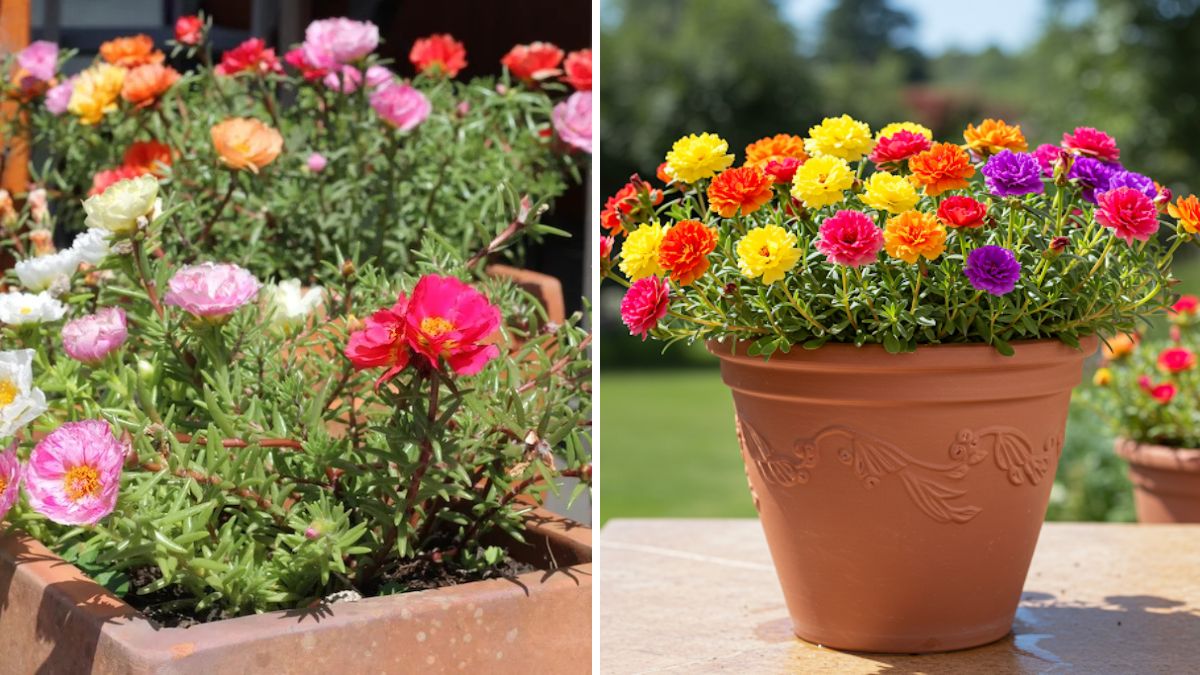
Portulaca, commonly known as Moss Rose, is a low-growing, sun-loving plant celebrated for its bright, vibrant flowers and succulent foliage. Its ability to thrive in hot, dry conditions makes it perfect for gardens, balconies, or container planting. Growing Portulaca from seeds is a rewarding experience, allowing gardeners to enjoy a colorful floral display throughout the summer months. In this guide, you’ll learn everything from selecting seeds to nurturing your plant until it blooms beautifully.
Why Grow Portulaca (Moss Rose) from Seeds?
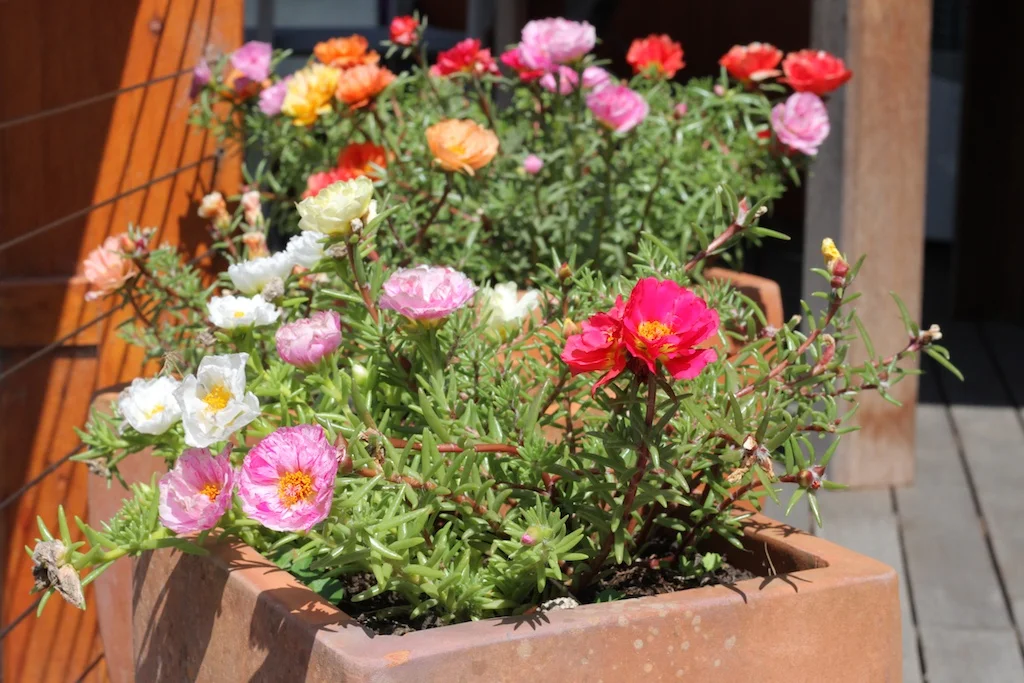
Starting Portulaca from seeds has several advantages:
- Cost-effective: Seeds are much cheaper than buying mature plants.
- Variety: You can grow multiple colors and varieties from a single packet of seeds.
- Control: Growing from seeds gives you control over soil, sunlight, and watering, resulting in healthier plants.
- Satisfaction: Watching seeds germinate and grow into vibrant flowers is immensely rewarding.
Portulaca is also low-maintenance, drought-tolerant, and resistant to pests, making it an ideal choice for beginner gardeners.
Materials You’ll Need
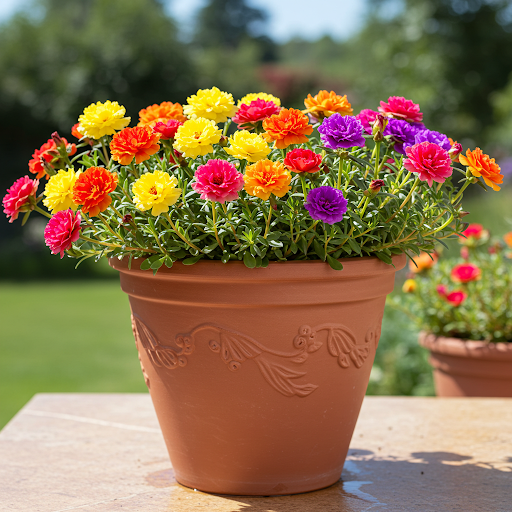
Before starting, gather the following essentials:
- Portulaca seeds – choose a mix of colors or a single variety.
- Seed trays or small pots – for germination.
- Well-draining soil – sandy or loamy soil works best.
- Water spray bottle – to keep soil moist without washing seeds away.
- Sunlight or grow lights – Portulaca seeds need light to germinate.
- Fertilizer – for nurturing seedlings and mature plants.
Optional: Mulch for container planting and decorative pebbles for aesthetic appeal.
Step 1: Selecting and Preparing Seeds
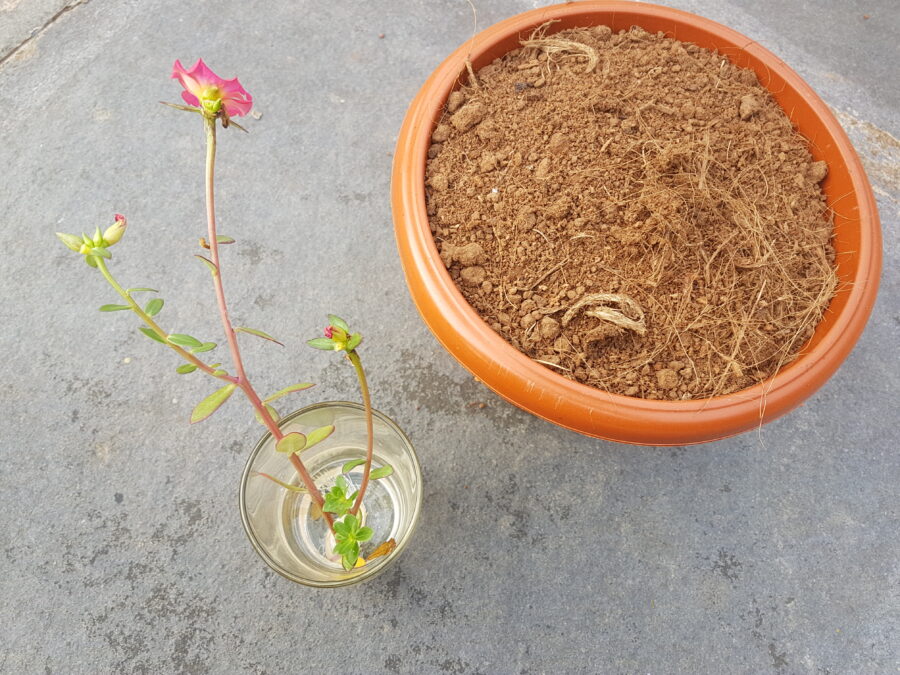
Portulaca seeds are tiny and require light to germinate, so preparation is key:
- Choose fresh seeds – older seeds may have reduced germination rates.
- Optional soaking – soak seeds in water for 2–3 hours to soften the seed coat and encourage faster germination.
- Prepare soil – use a well-draining seed-starting mix or sandy soil. Avoid heavy clay soil that retains too much water.
Tip: Lightly moisten the soil before sowing; it should be damp but not soggy.
Step 2: Sowing Seeds
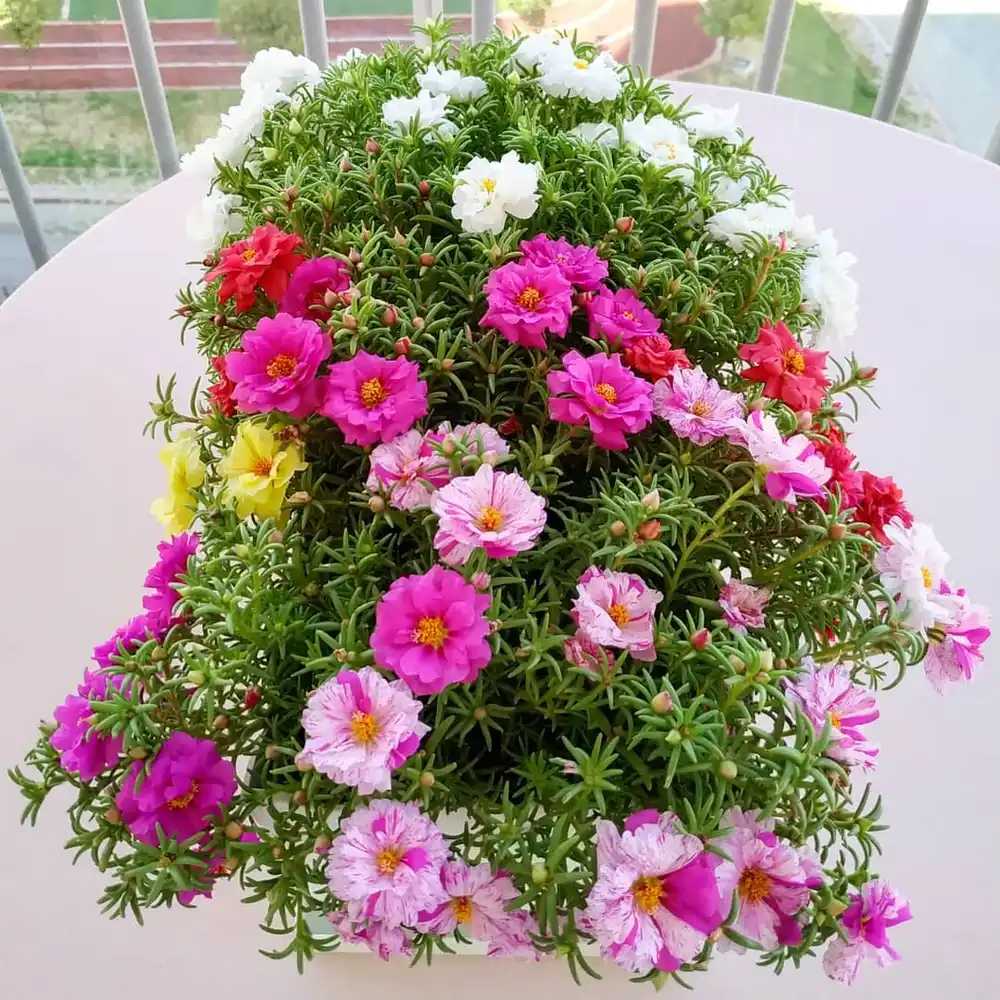
Portulaca seeds are very small, so handle them carefully:
- Sprinkle seeds evenly on the soil surface; do not bury them too deep, as they require light for germination.
- Lightly press seeds into the soil using a flat board or your fingers.
- Mist gently with water using a spray bottle to avoid displacing seeds.
Tip: Cover the tray with a transparent lid or plastic wrap to retain humidity but remove it as soon as seedlings emerge to prevent mold growth.
Step 3: Germination and Seedling Care
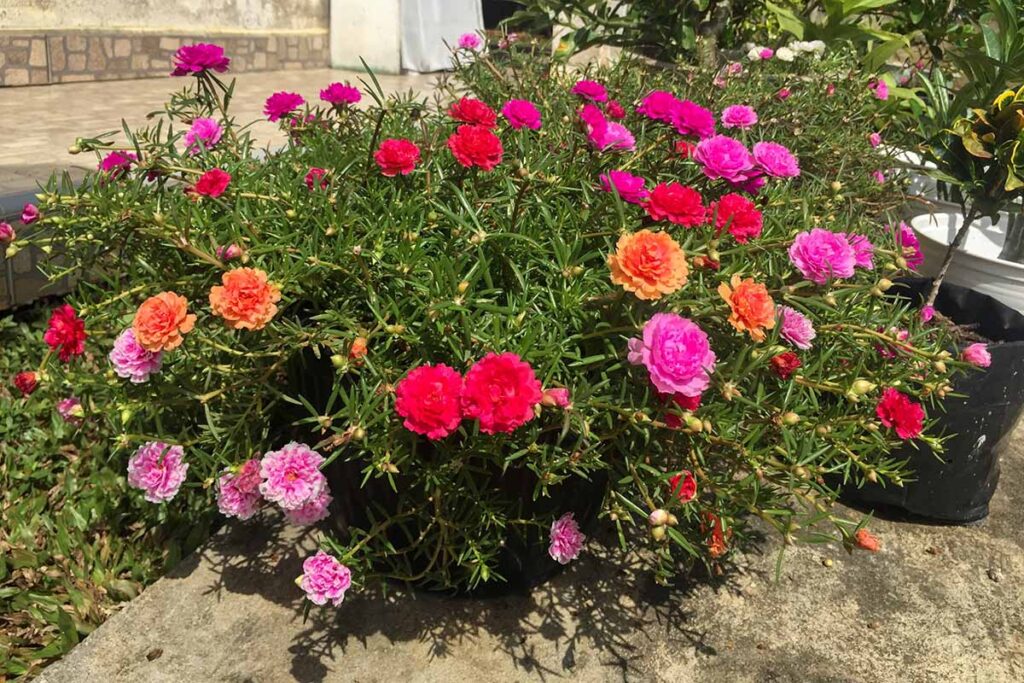
Portulaca seeds usually germinate in 7–14 days under the right conditions:
- Sunlight: Provide 6–8 hours of bright light daily. A sunny windowsill or grow lights works well.
- Temperature: Keep soil temperature around 20–25°C (68–77°F) for optimal germination.
- Watering: Keep the soil lightly moist, not soggy. Overwatering can cause seeds to rot.
Once seedlings have 2–3 true leaves, they are ready for thinning or transplanting.
Step 4: Thinning Seedlings
Thinning ensures each plant has enough space to grow:
- Select the strongest seedlings and remove weaker ones carefully.
- Maintain a spacing of 4–6 inches between plants for healthy growth.
- Transplant seedlings into larger pots or directly into the garden when they are 3–4 inches tall.
Tip: Handle seedlings gently by their leaves, not stems, to avoid damage.
Step 5: Choosing the Right Location
Portulaca thrives in full sun and well-drained soil:
- Sunlight: At least 6–8 hours of direct sunlight daily. Insufficient light can result in leggy plants and fewer flowers.
- Soil: Sandy or loamy soil with good drainage prevents root rot. Adding a little sand to garden soil improves drainage.
- Containers: Choose shallow pots or hanging baskets for container planting.
Tip: Portulaca tolerates drought better than excess moisture, so avoid overwatering.
Step 6: Watering and Fertilizing
Proper watering and nutrition are essential for healthy growth:
- Watering: Water young seedlings lightly and regularly. Mature plants are drought-tolerant and require minimal watering. Avoid waterlogging.
- Fertilizer: Use a balanced liquid fertilizer every 2–3 weeks. Excess fertilizer may promote foliage growth at the expense of flowers.
- Soil maintenance: Mulching around plants reduces moisture loss and keeps soil temperature stable.
Tip: Fertilizer with a slightly higher phosphorus content encourages flowering.
Step 7: Flowering and Maintenance
Portulaca produces colorful blooms throughout the summer and into early autumn:
- Deadheading: Remove faded flowers to encourage continuous blooming.
- Pest management: Portulaca is generally pest-resistant, but occasional aphids or mealybugs may appear. Use natural remedies like neem oil if needed.
- Pruning: Trim overgrown stems to maintain a compact, attractive shape.
With proper care, Portulaca blooms profusely, creating a stunning, colorful display in gardens, balconies, or containers.
Step 8: Propagation for Continuous Growth
Portulaca can also be propagated from cuttings, offering a faster alternative to seeds:
- Cut a healthy stem from an existing plant.
- Let the cutting dry for a few hours to prevent rot.
- Plant it in sandy soil and water lightly.
- Roots develop within a couple of weeks, producing a new plant.
Tip: Propagation allows you to expand your garden quickly and maintain a continuous supply of flowers.
Step 9: Seasonal Tips
- Summer: Ensure full sun exposure and minimal watering during hot days.
- Monsoon: Provide shelter or grow in containers to prevent waterlogging.
- Winter: In colder regions, grow Portulaca in pots indoors with sufficient sunlight.
Seasonal adjustments help your Portulaca remain healthy, vibrant, and blooming for longer periods.
Step 10: Enjoying Your Moss Rose Garden
Portulaca is perfect for various gardening styles:
- Garden beds: Use as a colorful ground cover.
- Containers: Ideal for balconies, patios, and window boxes.
- Hanging baskets: Adds trailing beauty to outdoor spaces.
- Rock gardens: Thrives in sandy, rocky areas where other plants may struggle.
With its drought tolerance, bright blooms, and low maintenance, Portulaca brings charm and color to any garden space.
Conclusion
Growing Portulaca (Moss Rose) from seeds is simple, enjoyable, and highly rewarding. From sowing tiny seeds to watching them transform into a vibrant carpet of flowers, this plant offers a colorful and low-maintenance addition to any garden. By providing proper soil, sunlight, water, and care, you can ensure continuous blooms throughout the growing season.
Whether you’re planting in garden beds, containers, or hanging baskets, Portulaca adds cheer, beauty, and a touch of tropical charm. Following this comprehensive guide, you’ll have all the knowledge to grow healthy, colorful moss rose plants from seeds, from the very first sprout to the full bloom.
Start sowing today, and enjoy a garden bursting with radiant, cheerful flowers that brighten every corner of your home!