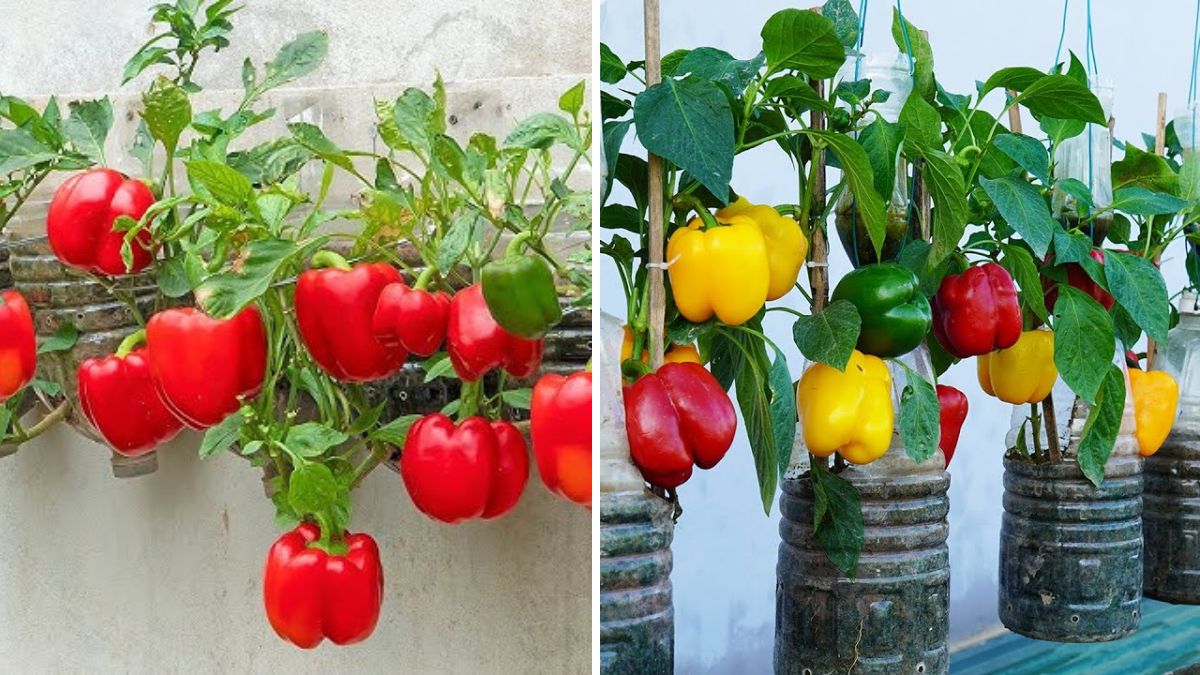
Bell peppers, also known as Capsicum, are vibrant, nutritious, and versatile vegetables widely used in salads, stir-fries, and cooking around the world. Growing them at home not only ensures fresh, chemical-free produce but also provides a rewarding gardening experience. With the right approach, you can cultivate bell peppers in pots, containers, or garden beds, achieving healthy plants and abundant harvests.
This comprehensive guide covers how to grow bell peppers at home, including soil preparation, planting, watering, fertilization, pest management, and seasonal updates—ensuring your Capsicum plants thrive from seed to harvest.
Why Grow Bell Peppers at Home?
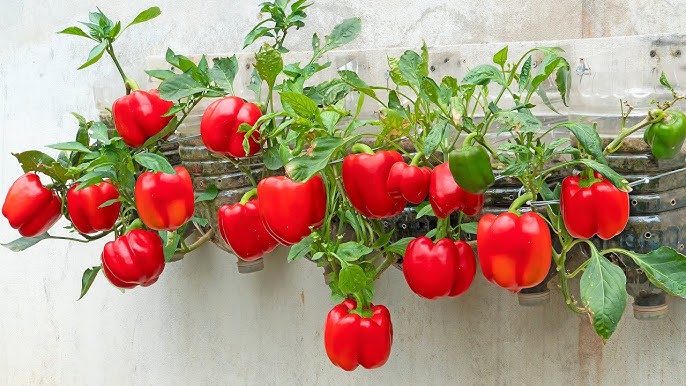
Home-grown bell peppers offer several advantages:
- Fresh and Nutritious: Avoid chemicals and enjoy fresh, vitamin-rich peppers.
- Cost-Effective: Save money by growing your own produce.
- Continuous Supply: With proper care and succession planting, enjoy peppers throughout the season.
- Custom Varieties: Choose from green, red, yellow, or orange peppers according to preference.
- Satisfaction: Growing bell peppers at home is rewarding and encourages sustainable gardening.
Bell peppers are suitable for both beginners and experienced gardeners, and can thrive in small spaces with containers.
Materials Needed
Before starting, prepare the following:
- Bell pepper seeds or seedlings
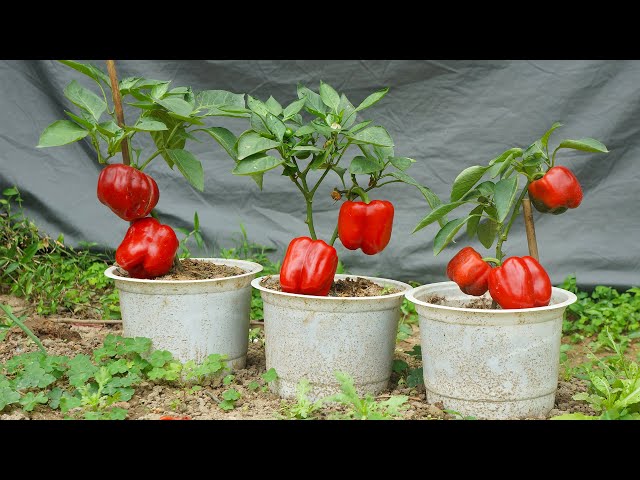
- Containers, pots, or garden bed with drainage holes
- Well-draining soil (garden soil mixed with compost)
- Organic fertilizer or balanced NPK fertilizer (10:10:10)
- Mulch (optional, for moisture retention)
- Watering can or gentle hose
- Stakes or supports (for taller plants)
- Neem oil or insecticidal soap (for pest control)
Having all materials ready ensures a smooth planting and growing process.
Step 1: Choosing Seeds or Seedlings
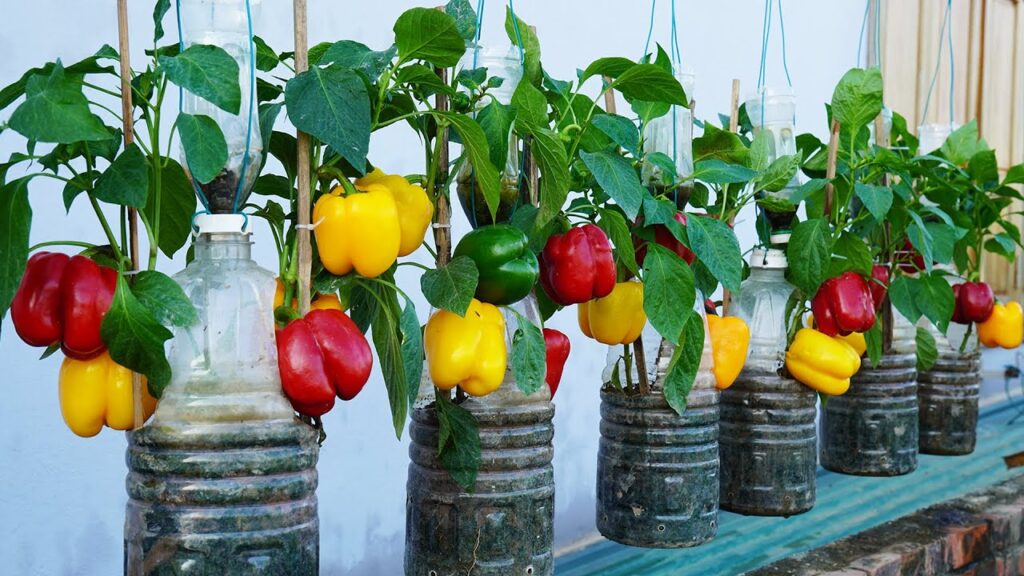
Start with high-quality seeds or seedlings:
- Seeds: Choose disease-resistant varieties. Green bell pepper seeds are most common, but red, yellow, and orange varieties are also available.
- Seedlings: If using nursery seedlings, pick strong, healthy plants with no signs of disease or pests.
Using quality seeds or seedlings ensures faster growth and a higher yield.
Step 2: Preparing the Soil
Bell peppers require nutrient-rich, well-draining soil for optimal growth:
- Soil Composition: Mix garden soil, compost, and sand or perlite (2:1:1 ratio).
- pH Level: Slightly acidic to neutral soil (pH 6.0–7.0) is ideal.
- Soil Preparation: Loosen the soil to a depth of 8–10 inches. Add compost or well-rotted manure for fertility.
Well-prepared soil promotes strong roots and healthy plant growth.
Step 3: Sowing Seeds or Transplanting Seedlings
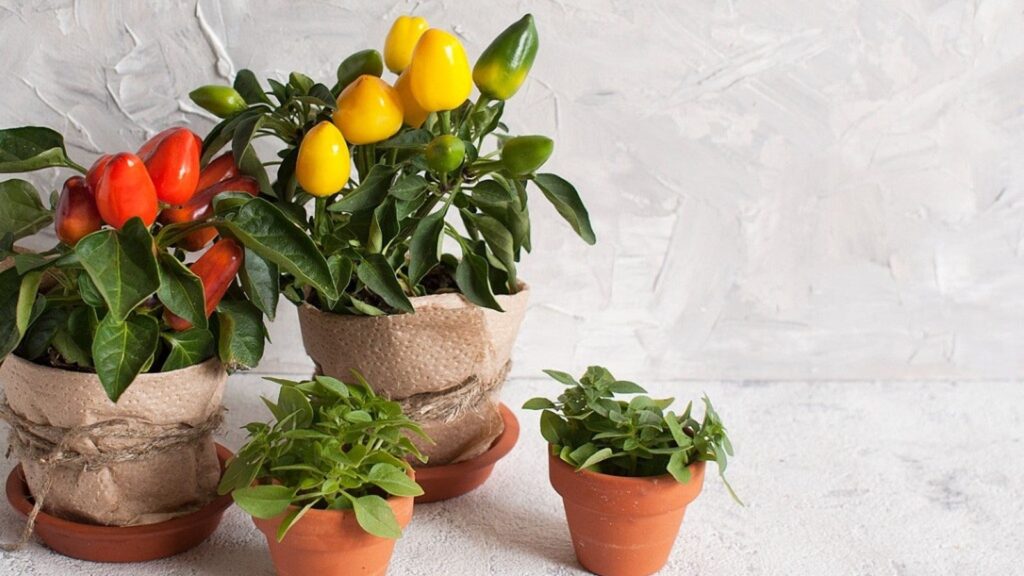
For seeds:
- Sow seeds in seed trays or small pots, 0.5–1 inch deep.
- Water gently and keep soil consistently moist.
- Place in warm, sunny location or under grow lights.
- Seeds germinate in 7–14 days.
For seedlings:
- Transplant seedlings to prepared containers or garden bed.
- Space plants 12–18 inches apart to ensure proper airflow.
- Dig a hole slightly larger than the root ball and plant seedlings at the same depth they were in the nursery pot.
- Water immediately after transplanting.
Healthy seedlings adapt faster and produce higher yields.
Step 4: Watering and Care
Proper watering is essential for bell pepper growth:
- Consistent Moisture: Keep soil evenly moist but not waterlogged.
- Watering Frequency: Water deeply 2–3 times per week, depending on climate.
- Mulching: Use straw, dry leaves, or garden mulch to retain moisture and reduce weed growth.
Avoid water stress, as it can lead to poor flowering and fruiting.
Step 5: Fertilization for Abundant Growth
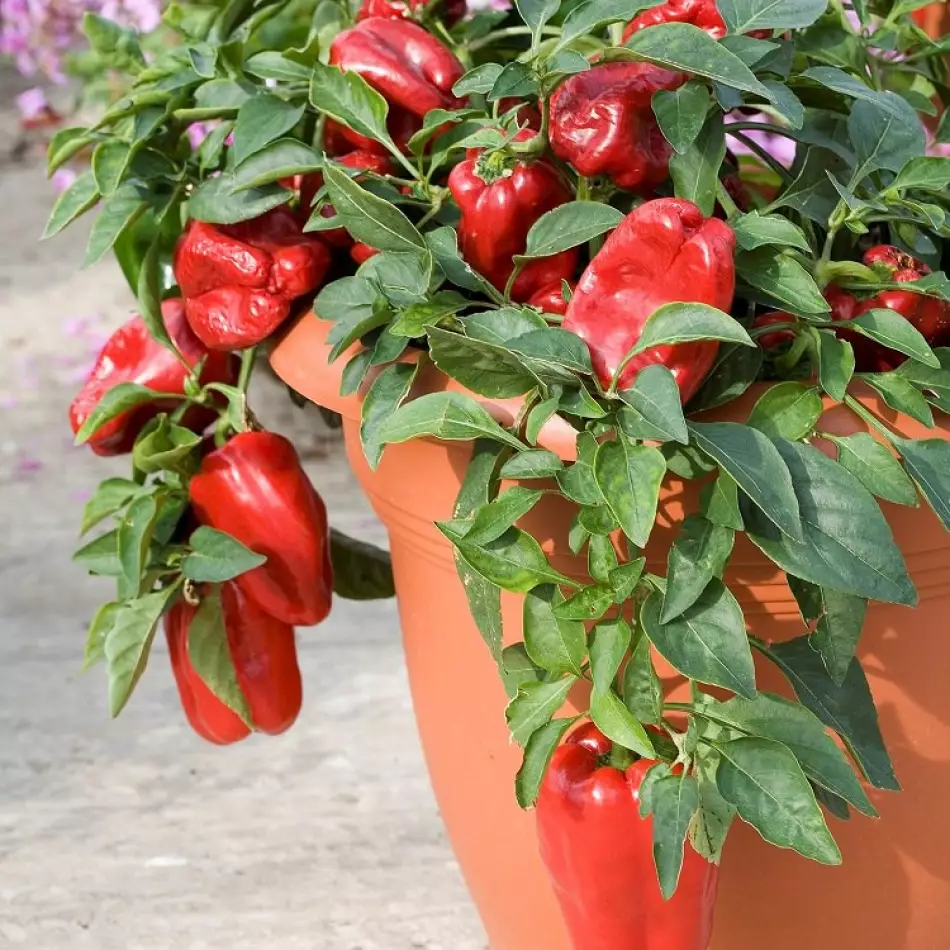
Bell peppers are heavy feeders and benefit from regular fertilization:
- Vegetative Stage: Use a balanced fertilizer (NPK 10:10:10) to promote leaf and stem growth.
- Flowering and Fruit Development: Switch to a fertilizer higher in phosphorus and potassium (e.g., 5:10:10) to encourage blooms and strong fruits.
- Organic Alternatives: Compost tea, fish emulsion, or well-rotted manure provide nutrients naturally.
Fertilizing at the right time ensures strong plants with high-quality fruits.
Step 6: Supporting the Plants
Bell pepper plants can grow tall and sometimes need support:
- Stakes or Bamboo Canes: Insert stakes near the plant to prevent bending or breakage.
- Tie Gently: Use soft ties to secure stems without damaging the plant.
- Airflow: Proper spacing prevents fungal growth and ensures strong stems.
Supporting plants helps reduce stress and improves fruit quality.
Step 7: Flowering and Fruit Development
- Bell peppers produce small white or yellow flowers before developing fruits.
- Pollination: Outdoor plants are usually pollinated by insects, but you can gently shake flowers or use a soft brush indoors to ensure pollination.
- Fruit Formation: Once flowers are pollinated, small green fruits start forming, gradually growing in size.
Consistent care during this stage ensures healthy, large bell peppers.
Step 8: Pest and Disease Management
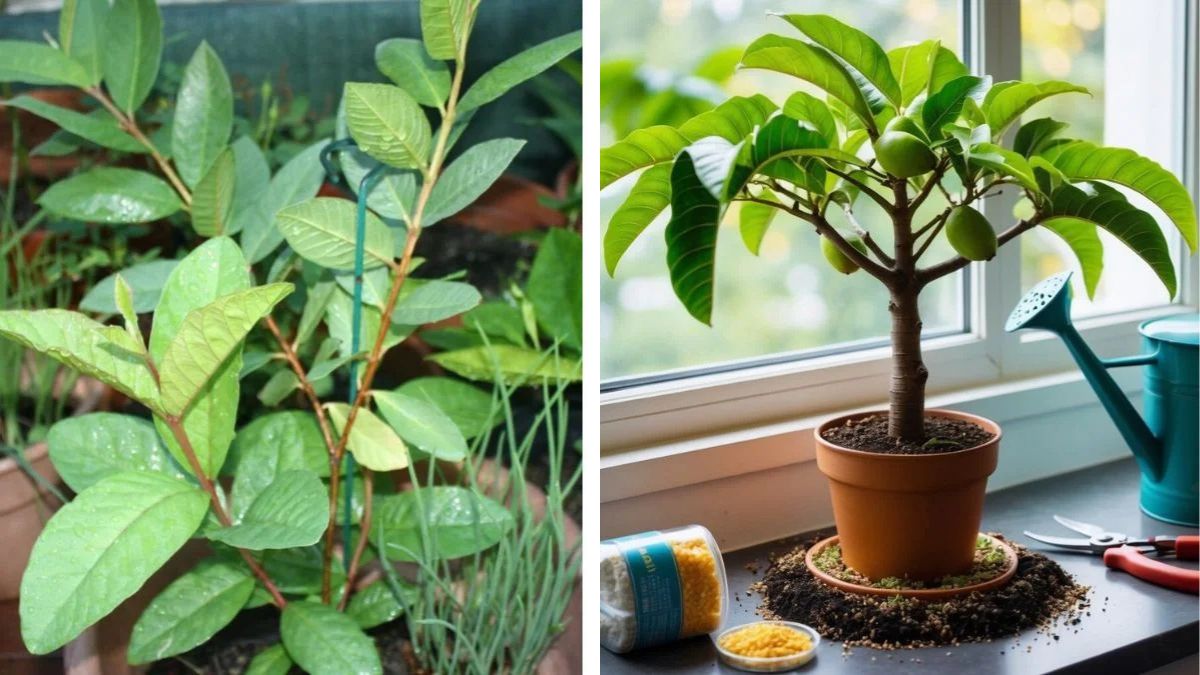
Bell peppers can be affected by common pests and diseases:
- Aphids, Whiteflies, and Spider Mites: Spray with neem oil or insecticidal soap.
- Fungal Diseases: Avoid overhead watering and ensure proper spacing.
- Bacterial Wilt or Leaf Spot: Remove affected leaves and use clean tools.
Regular inspection and preventive care keep plants healthy and productive.
Step 9: Harvesting Bell Peppers
Bell peppers can be harvested at different stages depending on preference:
- Green Bell Peppers: Harvest when fully grown but still green (usually 60–70 days after transplanting).
- Colored Bell Peppers: Allow the fruit to ripen on the plant for red, yellow, or orange peppers.
- Harvesting Method: Use a sharp knife or scissors to cut peppers from the plant, leaving a small stem attached.
Regular harvesting encourages continuous fruiting and prolongs the growing season.
Step 10: Seasonal Updates and Care Tips
- Spring: Start seeds indoors or sow directly after last frost.
- Summer: Provide consistent watering, mulching, and fertilization for active growth.
- Autumn: Continue harvesting fruits and remove dead leaves.
- Winter: In mild climates, peppers may survive indoors; otherwise, collect seeds for next season.
Following seasonal care ensures maximum yield and strong plants year after year.
Tips for Success in Growing Bell Peppers at Home
- Choose Healthy Seeds or Seedlings: Disease-free starting material increases success.
- Well-Draining Soil: Prevents root rot and promotes healthy roots.
- Adequate Sunlight: At least 6 hours of direct sunlight daily for optimal growth.
- Consistent Watering: Avoid stress from drought or overwatering.
- Regular Fertilization: Supports leaves, flowers, and fruit development.
- Staking and Support: Helps maintain plant health and reduces fruit damage.
- Pest Monitoring: Early detection prevents major infestations.
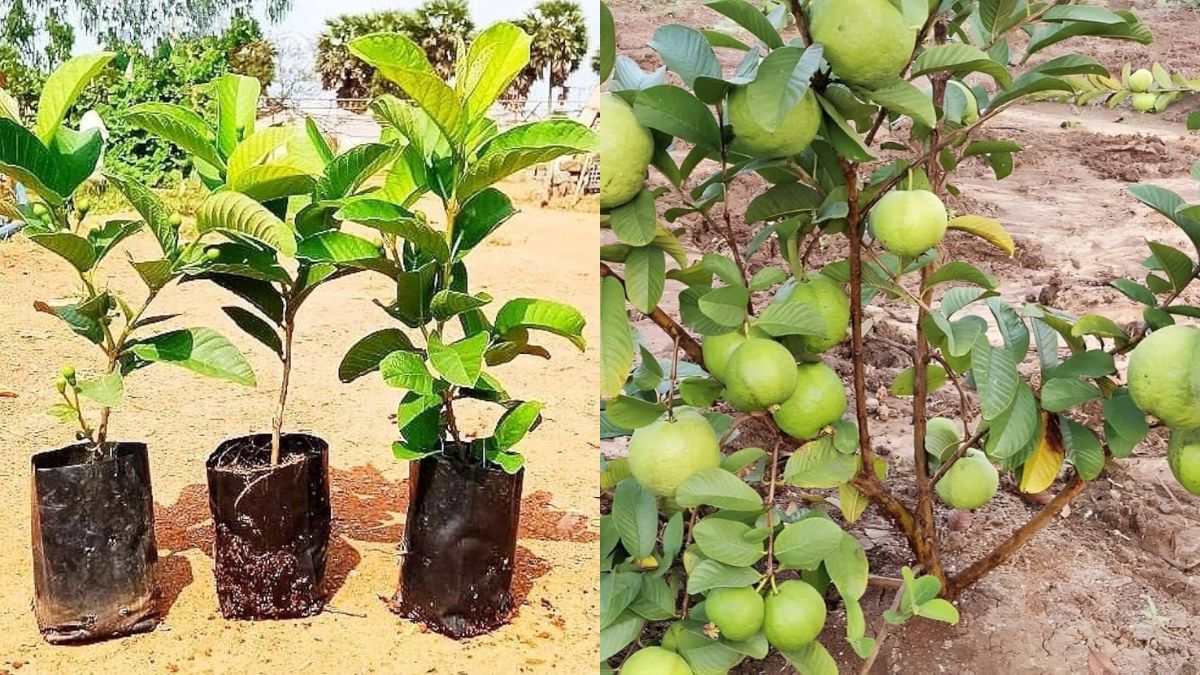
By following these simple tips, anyone can grow healthy, high-yield bell pepper plants at home.
Conclusion
Growing bell peppers (Capsicum) at home is easy, rewarding, and highly productive. With proper selection of seeds or seedlings, soil preparation, planting, watering, fertilization, pest management, and seasonal updates, you can enjoy a continuous supply of fresh, colorful, and nutritious bell peppers.
Whether you have a garden bed, balcony, or small container setup, these methods ensure that your bell pepper plants thrive and produce abundant harvests. Start today, follow these steps, and enjoy the satisfaction of growing vibrant, home-grown bell peppers right in your own home.