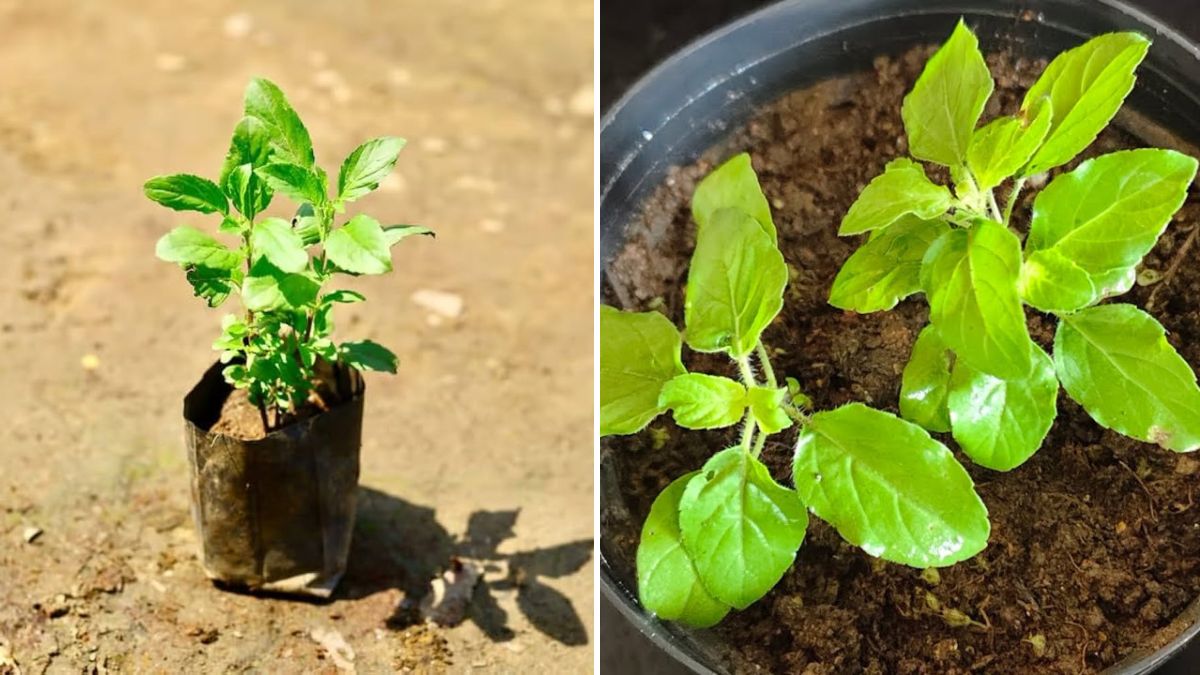
Tulsi, also known as Holy Basil, is one of the most revered herbs in India and around the world. Known for its medicinal properties, spiritual significance, and aromatic leaves, Tulsi is a must-have in every home garden. Growing Tulsi from seeds may seem challenging for beginners, but with the right techniques, anyone can cultivate a healthy, thriving plant. This comprehensive guide provides full updates, step-by-step instructions, and tips for beginners to grow Tulsi successfully at home.
1. Why Grow Tulsi from Seeds?
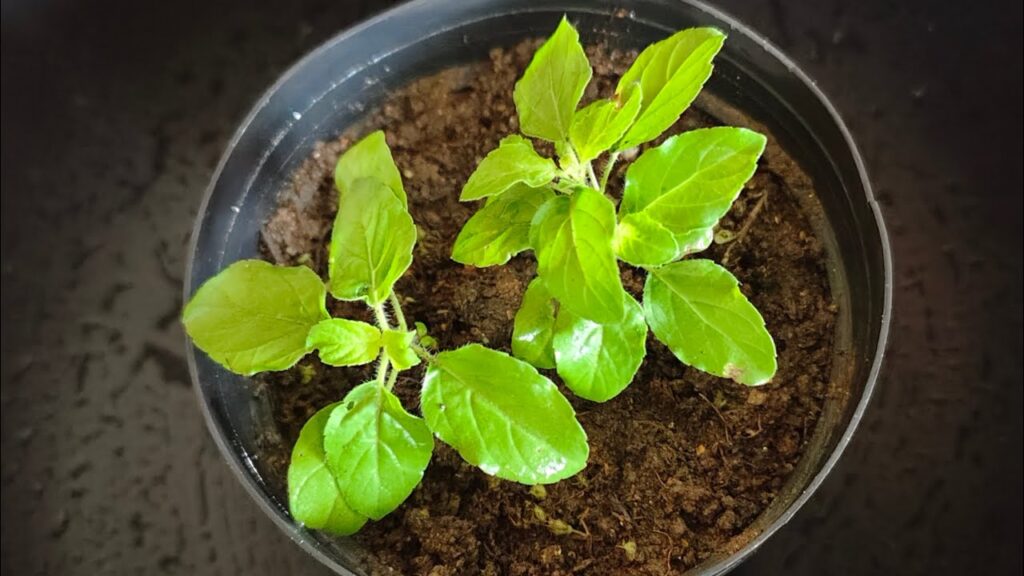
Growing Tulsi from seeds has several advantages:
- Cost-effective: Seeds are inexpensive compared to buying nursery plants.
- Variety selection: Choose from different Tulsi varieties such as Rama, Krishna, or Vana Tulsi.
- Homegrown freshness: Enjoy fresh leaves for medicinal use, teas, and rituals.
- Satisfying experience: Nurturing Tulsi from seed offers a rewarding gardening journey.
Starting from seeds gives gardeners complete control over the growth process and ensures healthy, natural plants.
2. Selecting Quality Tulsi Seeds
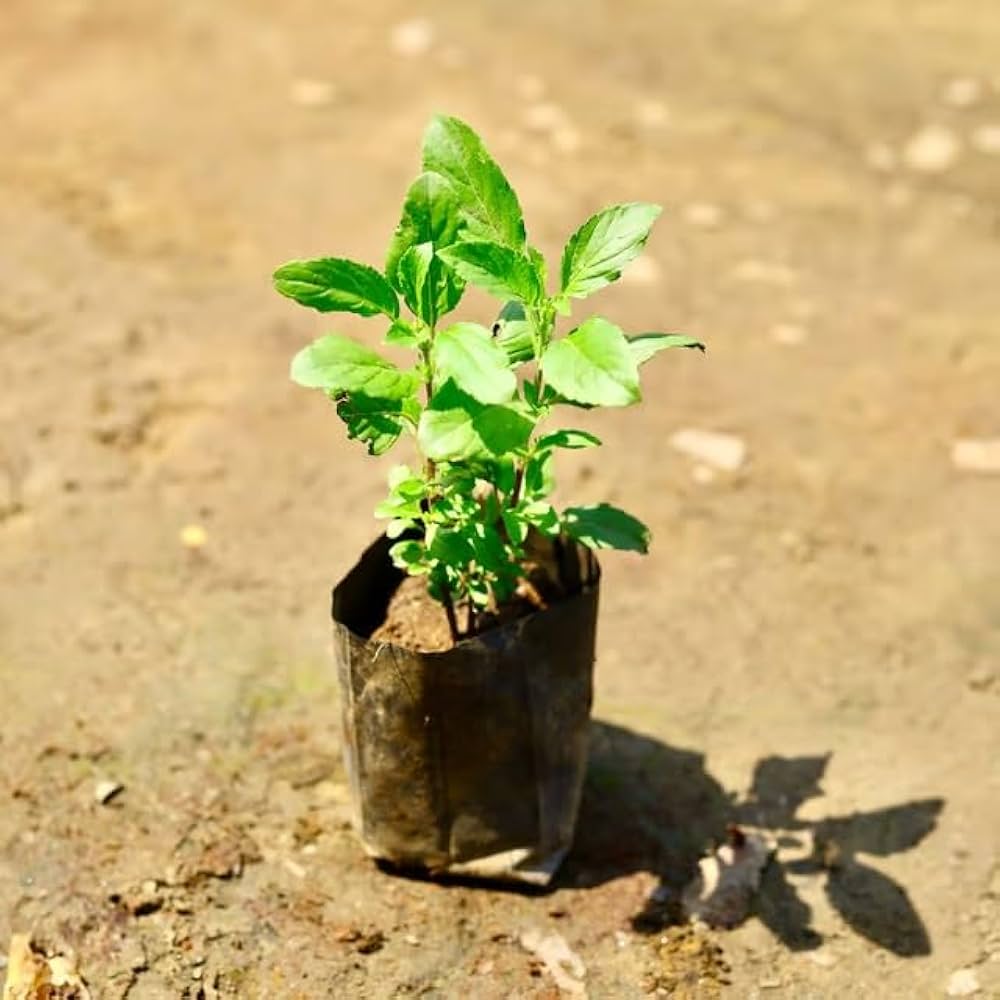
The first step to successful cultivation is choosing good seeds:
- Fresh seeds: Ensure seeds are recent and not expired for better germination.
- Variety choice: Popular varieties include:
- Rama Tulsi: Green leaves, mild aroma, used widely in teas and home remedies.
- Krishna Tulsi: Dark purple leaves, strong aroma, often used in spiritual practices.
- Vana Tulsi: Wild variety, medicinally potent and hardy.
- Organic seeds: Whenever possible, choose untreated or organic seeds for healthier plants.
High-quality seeds increase germination rates and lead to stronger seedlings.
3. Preparing Seeds for Germination
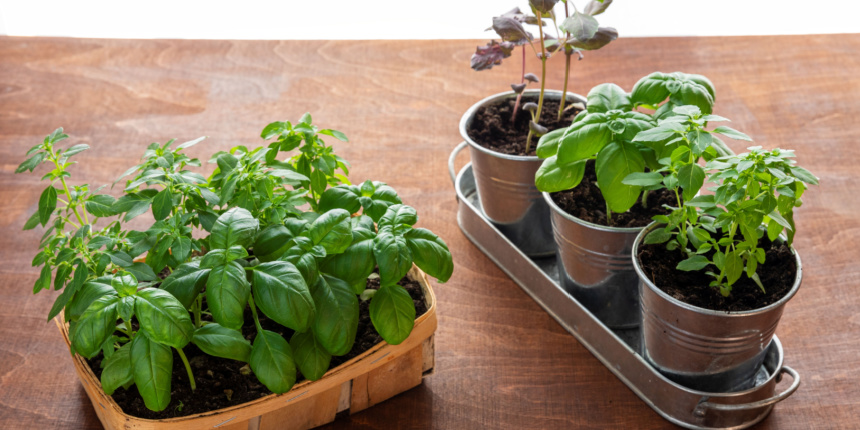
Tulsi seeds have a relatively hard coat, so pre-treatment improves germination:
- Soaking: Soak seeds in lukewarm water for 12–24 hours to soften the outer coat.
- Avoid over-soaking: Excess water may cause seeds to rot.
- Optional: Some gardeners lightly crush large seeds to help water absorption.
Pre-treated seeds germinate faster, giving seedlings a head start.
4. Choosing the Right Growing Medium
Tulsi thrives in light, well-draining soil. Proper soil preparation ensures strong growth:
- Soil mix: Use garden soil mixed with compost and a small amount of sand or perlite.
- pH level: Slightly acidic to neutral soil (6–7 pH) is ideal.
- Nutrient enrichment: Adding organic compost or vermicompost supports healthy leaves and stems.
Healthy soil ensures robust root systems and vibrant, aromatic foliage.
5. Planting Tulsi Seeds
Planting seeds correctly is crucial for strong seedlings:
- Containers: Tulsi grows well in pots, planters, or small garden beds. Ensure good drainage.
- Sowing depth: Plant seeds 1/8 inch deep and cover lightly with soil.
- Spacing: Sow seeds 1–2 inches apart to allow room for seedlings to grow.
- Watering: Gently mist the soil to keep it moist without washing away seeds.
Tulsi seeds typically germinate in 7–14 days under ideal conditions.
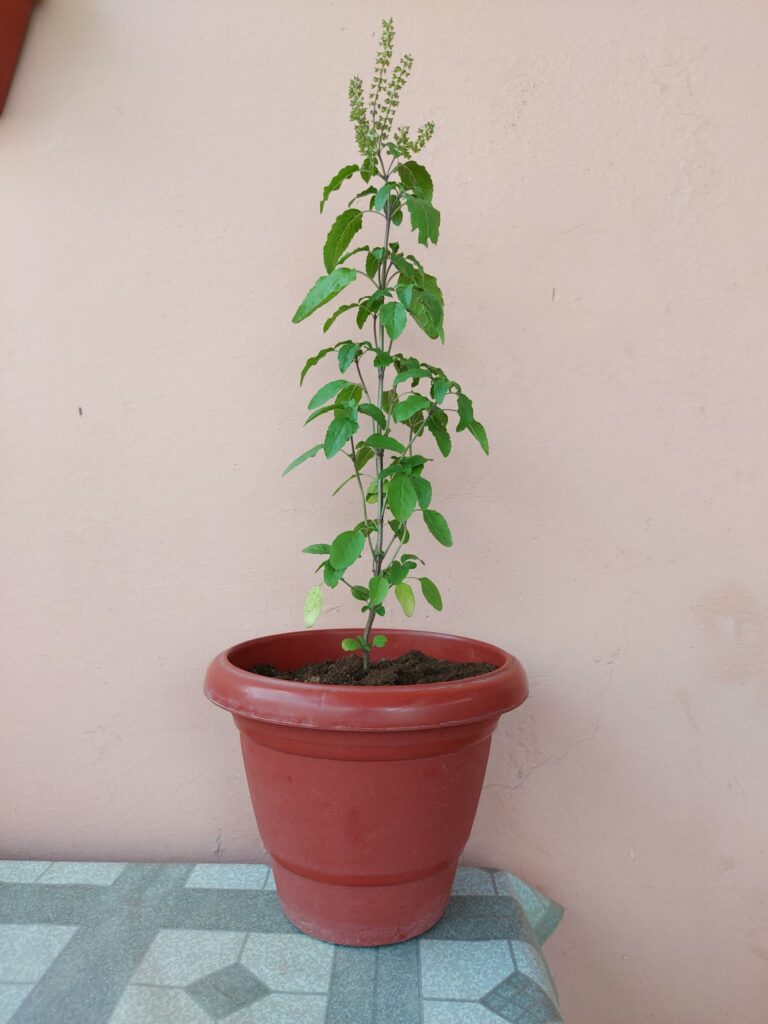
6. Light and Temperature Requirements
Tulsi grows best in warm and sunny conditions:
- Sunlight: 6–8 hours of direct sunlight daily ensures strong growth.
- Temperature: Germination occurs best at 20–30°C (68–86°F).
- Indoor growth: Place pots near sunny windows or use grow lights for 12–14 hours daily.
Sufficient light prevents leggy growth and encourages aromatic, healthy leaves.
7. Watering and Care
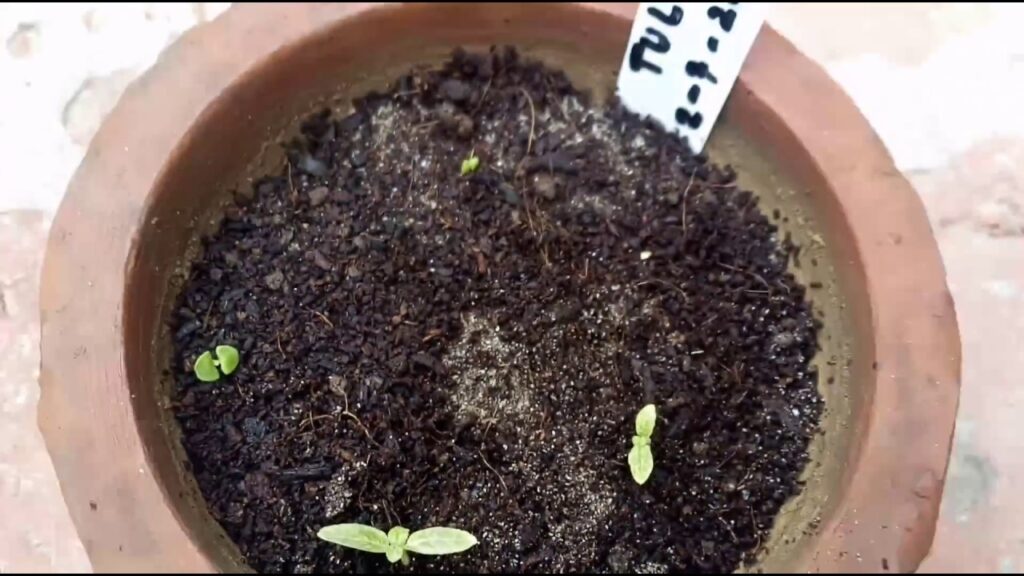
Proper watering is key to healthy Tulsi plants:
- Moisture: Keep the soil consistently moist during germination and early growth.
- Avoid overwatering: Waterlogged soil may rot roots and seeds.
- Mulching: Apply a light layer of mulch around seedlings to retain moisture and prevent weeds.
Balanced watering ensures strong stems and lush foliage for longer-lasting plants.
8. Fertilizing Tulsi
Tulsi benefits from light feeding, especially in pots:
- Organic fertilizers: Compost, vermicompost, or well-rotted manure every 3–4 weeks.
- Liquid feed: Diluted liquid fertilizer once every 2–3 weeks encourages healthy leaf growth.
- Avoid excessive nitrogen: Too much nitrogen results in lush leaves but reduces aroma and medicinal potency.
Proper fertilization ensures both growth and quality of Tulsi leaves.
9. Thinning Seedlings
Once seedlings sprout, thinning is necessary:
- Spacing: Thin seedlings to 6–8 inches apart to prevent overcrowding.
- Method: Snip weaker seedlings at soil level rather than pulling to avoid disturbing roots.
- Timing: Thin seedlings when they develop 2–3 true leaves.
Thinning promotes strong, healthy plants and improves air circulation.
10. Pruning and Harvesting Tulsi
Pruning encourages bushy growth and extends the life of the plant:
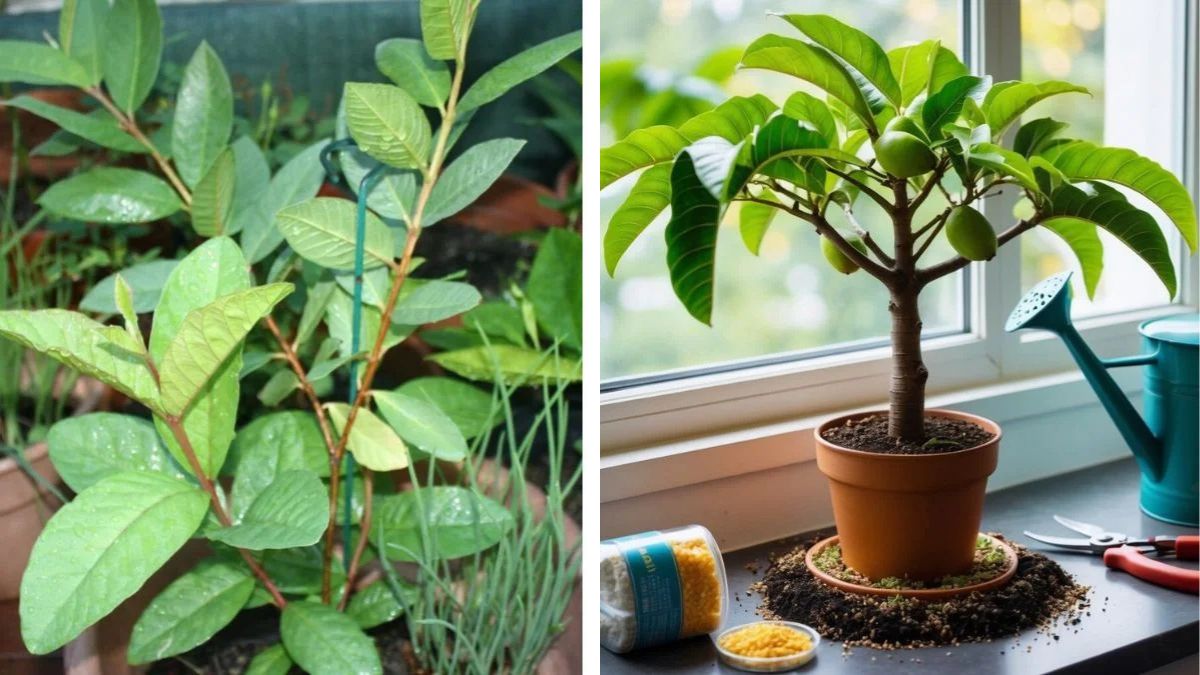
- Pinching tips: Regularly pinch the growing tips to stimulate side branches.
- Harvesting leaves: Begin harvesting once plants are 6–8 inches tall. Cut leaves as needed, leaving enough foliage for continued growth.
- Flower management: Remove flowers if you want to encourage leaf production instead of seed formation.
Proper pruning ensures a continuous supply of aromatic leaves.
11. Pest and Disease Management
Tulsi is hardy, but pests and diseases can appear:
- Common pests: Aphids, whiteflies, and spider mites. Spray neem oil or mild soap solution to control them.
- Diseases: Fungal issues like powdery mildew may occur in humid conditions. Ensure good airflow and avoid wetting leaves.
- Preventive measures: Water at the base, rotate soil annually, and maintain cleanliness around plants.
Regular monitoring ensures healthy plants and abundant harvest.
12. Tips for Growing Tulsi Indoors and Outdoors
- Containers: Use pots with drainage holes for indoor gardening.
- Location: Tulsi grows best in balconies, patios, or sunny windowsills.
- Succession planting: Sow new seeds every few weeks to maintain continuous leaf supply.
- Companion planting: Tulsi can be grown alongside vegetables like tomatoes or peppers to improve garden health naturally.
With these tips, beginners can enjoy thriving Tulsi plants both indoors and outdoors.
13. Benefits of Growing Tulsi at Home
- Medicinal properties: Helps boost immunity, improves digestion, and relieves stress.
- Aromatic and decorative: Adds greenery and fragrance to any space.
- Spiritual significance: Considered sacred in many cultures, especially in India.
- Cost-saving: Reduces dependency on store-bought Tulsi plants.
Homegrown Tulsi provides unmatched freshness, quality, and utility.
Conclusion
Growing Tulsi from seeds is simple, rewarding, and perfect for beginners. With proper seed selection, soil preparation, watering, sunlight, pruning, and pest management, you can cultivate a healthy, aromatic Tulsi plant at home. Whether for medicinal use, cooking, or spiritual practices, Tulsi is an invaluable addition to any home garden.
By following this comprehensive guide with full updates, beginners can enjoy the satisfaction of nurturing Tulsi from seed to a flourishing plant, ensuring fresh, fragrant leaves all year round. Start your Tulsi-growing journey today and experience the joy of homegrown Holy Basil!