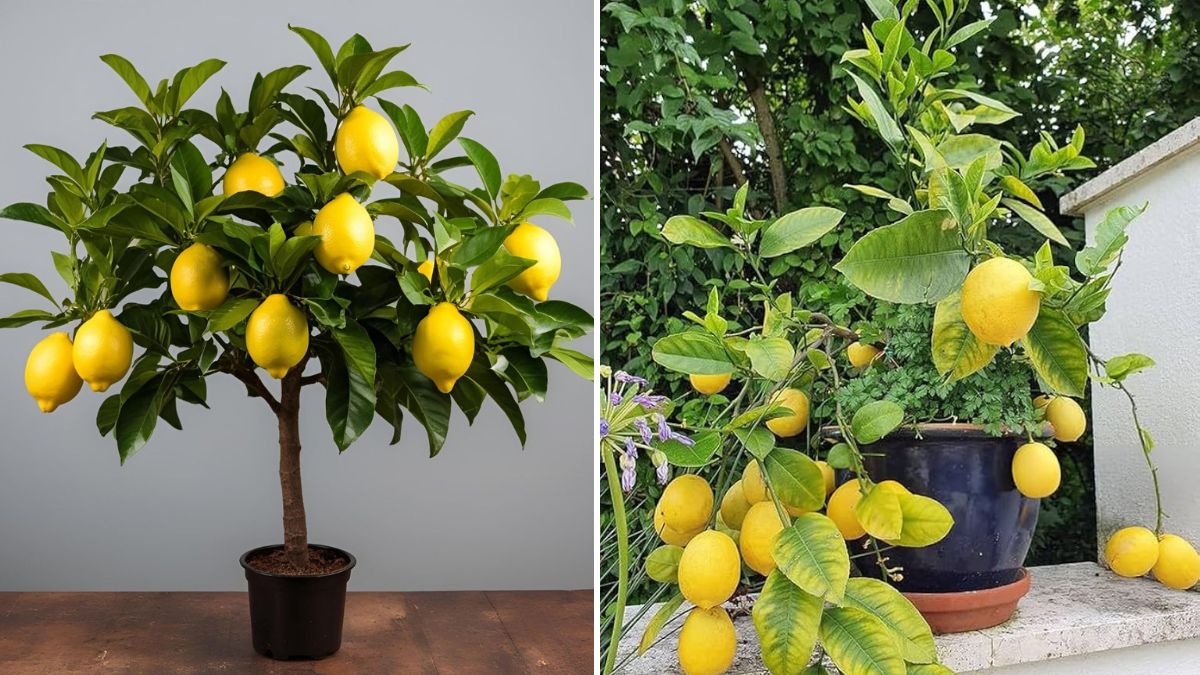
Growing your own lemon tree from seeds may sound difficult, but it’s surprisingly fun, rewarding, and magical. Whether you live in a small apartment, have a balcony garden, or a full outdoor yard, a lemon tree can easily become one of your favorite plants to grow. And the best part? Lemon trees are long-living, fragrant, and produce fruit for years when cared for properly.
In this complete guide, you’ll learn everything from collecting seeds, germinating them, transplanting, caring, troubleshooting, and finally harvesting juicy lemons from your homegrown tree. Let’s begin your lemon-growing journey!
Step 1: Collecting and Preparing Seeds
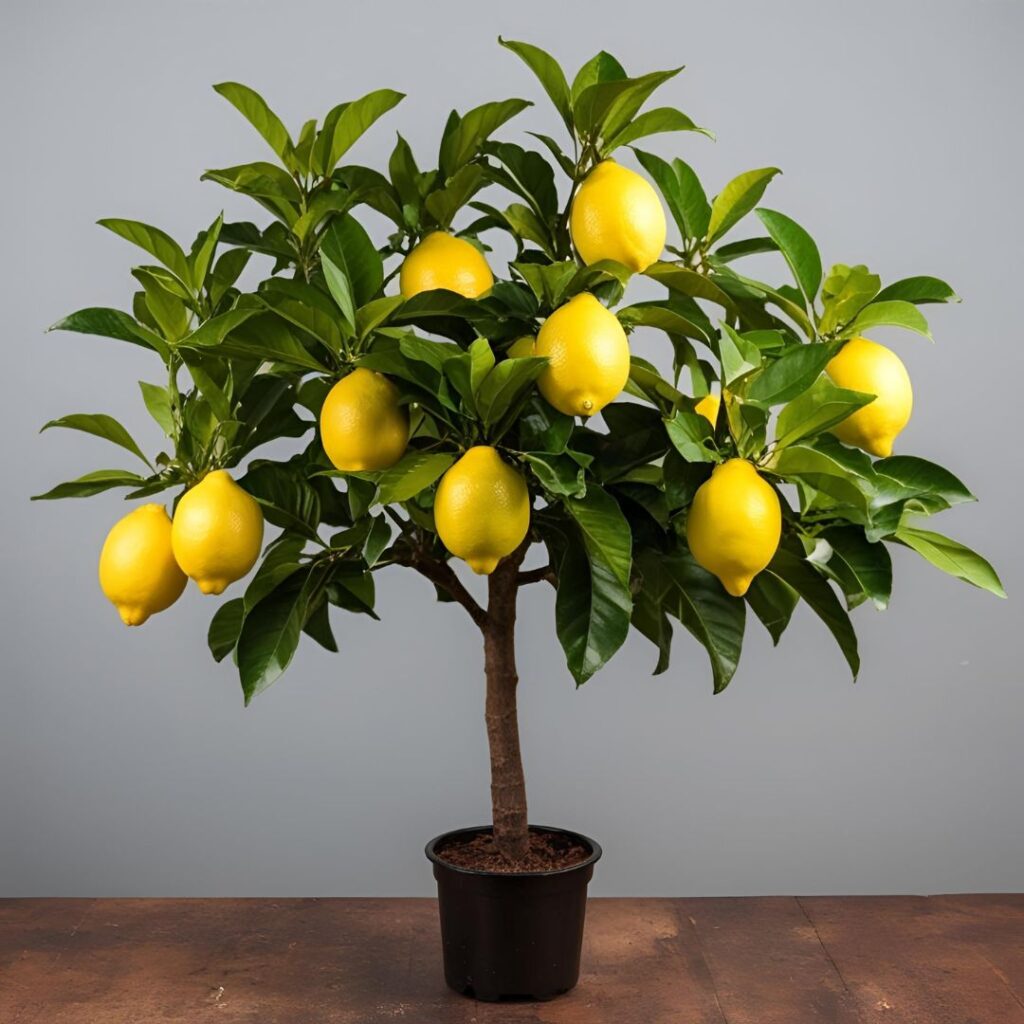
Growing lemon trees starts with selecting seeds from a fresh, healthy lemon. You can use any variety—local lemons, Meyer, or sweet lemons—all work well.
What You Need:
- Fresh lemons
- Water
- Paper towel or cotton cloth
- Small container
Seed Preparation:
- Extract the Seeds
Cut open a ripe lemon and gently remove 8–10 seeds. More seeds mean better germination chances. - Wash the Seeds
Rinse the seeds under clean water and remove the slimy lemon pulp. This step helps avoid fungus and rot. - Peel the Seed Coat (Optional but Recommended)
Carefully remove the thin outer layer with your fingernails or tweezers. This speeds up germination. - Soak in Water
Place the cleaned seeds in water for 8–12 hours. This activates the embryo and softens the seed.
After soaking, your seeds are ready for germination.
Step 2: Germinating Lemon Seeds
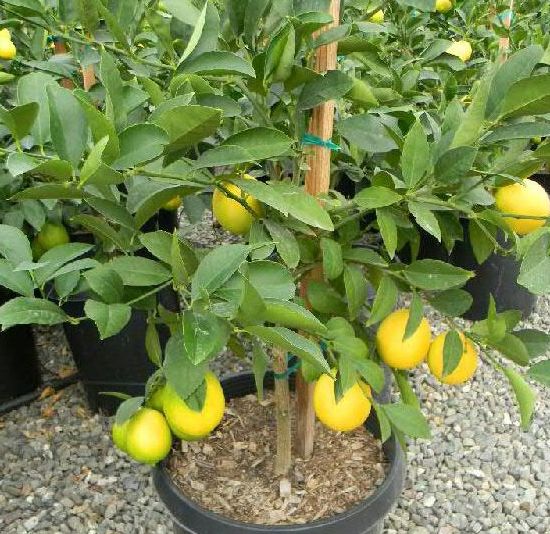
There are two easy methods:
Paper Towel Method (Fastest)
- Place seeds between a damp (not dripping) paper towel or cotton pad.
- Put it inside a zip-lock bag or airtight container.
- Store in a warm, dark place like inside a cupboard.
- Keep checking every 3–4 days and ensure the towel remains moist.
In 2–4 weeks, roots will appear. Once the small taproot grows to about 1 cm, seeds are ready for planting.
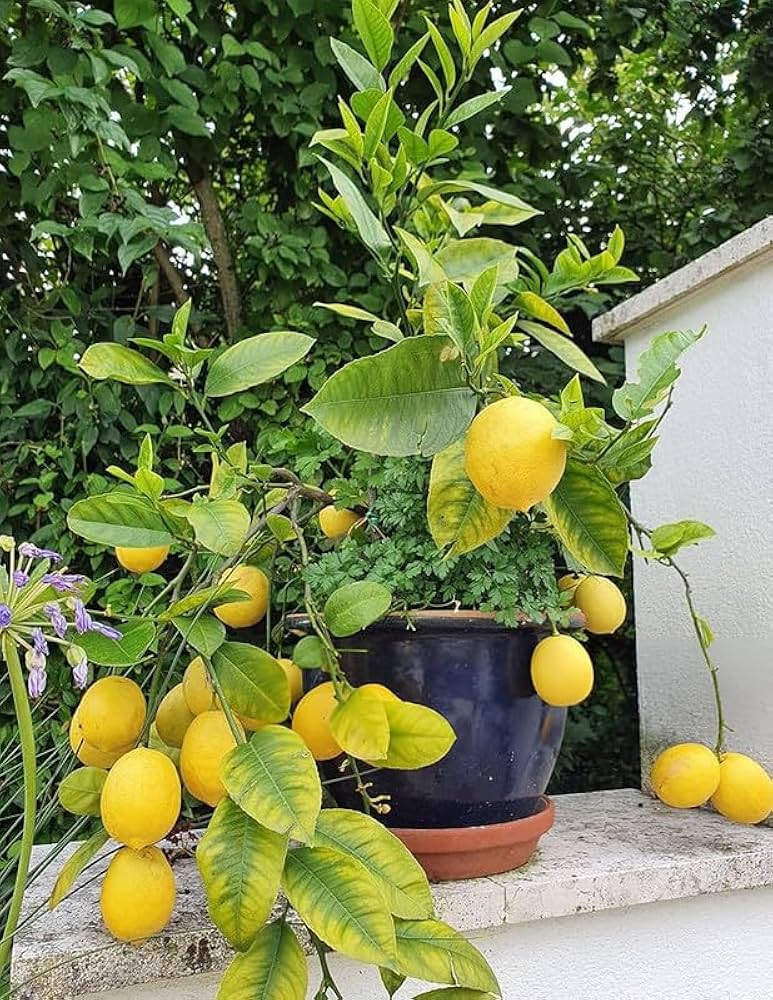
Direct Soil Method (Natural Growth)
Plant each seed ½ inch deep in moist, well-draining soil. Cover the pot with plastic wrap to create a mini greenhouse effect.
This method takes longer (3–6 weeks) but results in stronger seedlings.
Step 3: Transplanting Seedlings
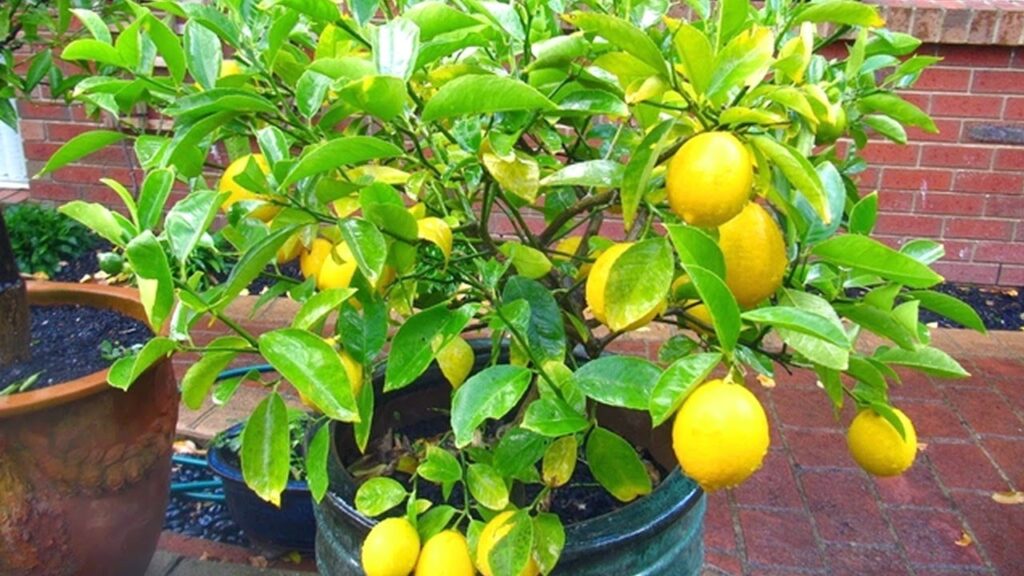
Once the sprouts reach 2–3 inches in height and develop 2–3 leaves, they can be transplanted into separate containers.
Soil Mix for Lemon Tree:
- 40% garden soil
- 30% cocopeat or compost
- 20% sand
- 10% perlite or crushed brick pieces
This ensures good drainage and avoids fungal diseases.
Pot Size:
Start with a 4–6 inch pot with drainage holes. Over time, upgrade to bigger pots as the plant grows.
Step 4: Light Requirements
Lemon trees LOVE sunlight!
- Daily requirement: 6–8 hours sunlight
- Keep near a sunny window or balcony.
- If indoors, rotate weekly to help even growth.
Without sunlight, lemon trees grow tall, weak, and leafless.
Step 5: Watering and Fertilizing
Watering Rules:

- Water when the top 1–2 inches of soil feels dry.
- Avoid overwatering — lemon trees hate soggy roots.
- In summer: water more frequently
- In winter: water less frequently
Natural Fertilizers to Use Every Month:
Banana Peel Powder – boosts potassium
Eggshell Powder – strengthens soil with calcium
Compost or Vermicompost – overall nourishment
Used Tea or Coffee Grounds (sun-dried) – improves soil texture
During the growing season (spring–summer), fertilize every 15–20 days. In winter, feed once a month.
Step 6: Pruning for Healthy Growth
Pruning helps shape the tree, removes weak branches, and encourages fruiting.
When to prune?
- After the plant is 6–12 months old
- Avoid pruning during winter
What to prune?
- Yellow, damaged, or crossing branches
- Weak shoots growing inward
A pruned plant grows stronger and produces flowers faster.
Step 7: Temperature and Weather
Lemon trees thrive in warm climates.
Best temperature: 18°C–30°C
Avoid freezing temperatures — move indoors if necessary.
Step 8: Pests and Diseases
Common pests include:
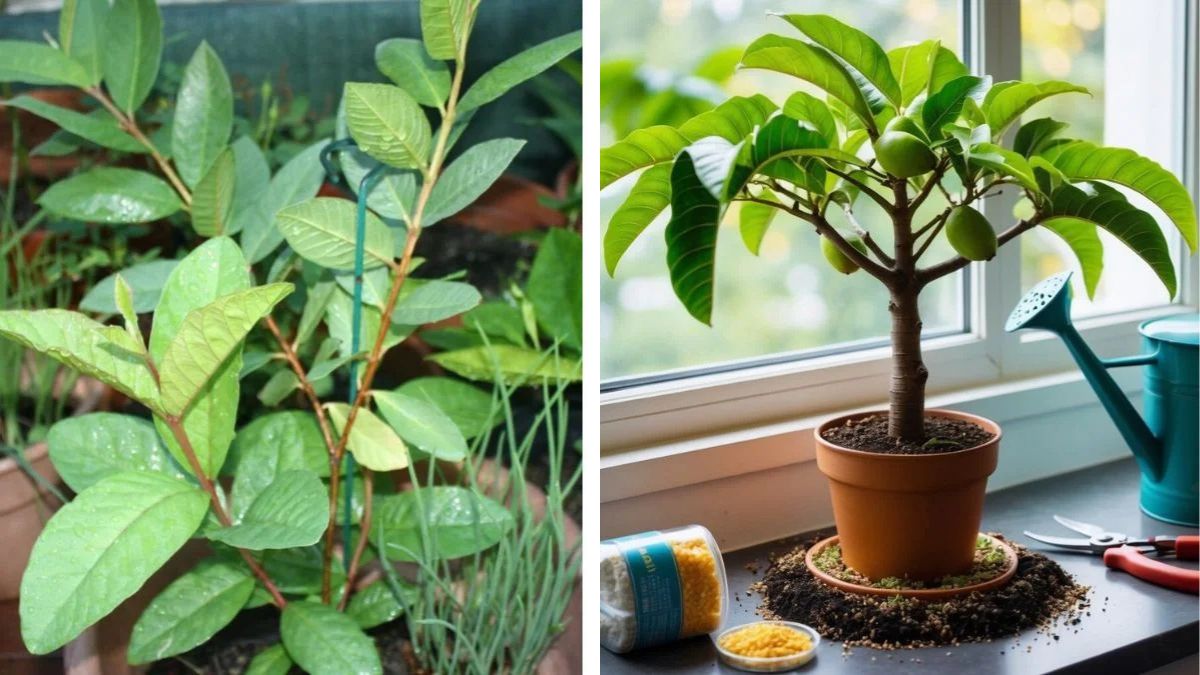
- Aphids
- Mealybugs
- Spider mites
Natural Pest Control:
- Spray neem oil once every 15 days
- Use soap water spray (few drops dish soap + water)
- Add crushed garlic + neem solution (optional booster)
Step 9: Flowering and Fruit Formation
Lemon trees grown from seeds take time — 2–5 years — to produce fruit, depending on variety and care.
Signs your tree is ready to fruit:
Thick woody stem
Healthy dark green leaves
Sweet citrus fragrance from foliage
Flower buds appearing on nodes
Once flowers appear, avoid moving or shaking the plant — it may cause flowers to fall.
Pollination is usually natural, but you can gently shake the plant or use a soft brush to help pollinate indoors.
Step 10: Harvesting Your Home-Grown Lemons
When lemons turn bright yellow or yellow-green and feel slightly soft when pressed, they are ready to harvest.
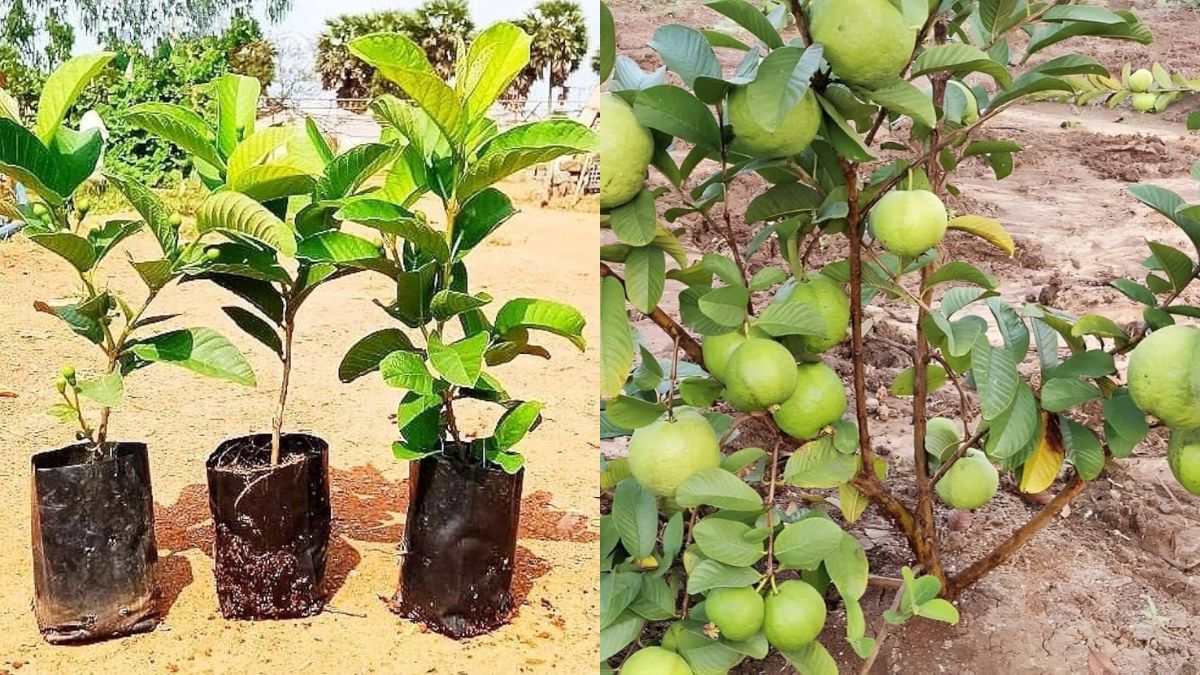
Use scissors instead of twisting the branch — this prevents damage and helps next-year fruiting.
Benefits of Growing a Lemon Tree at Home
Fresh organic lemons anytime
Beautiful evergreen plant
Natural air purifier
Flower fragrance reduces stress
Saves money and brings happiness
It’s not just gardening — it’s a long-term relationship with a plant that grows with you.
Final Tips for Success:
- Be patient — citrus plants grow slowly.
- Give sunlight, proper watering, and fertilizer.
- Repot gradually, not too quickly.
- Protect from extreme cold.