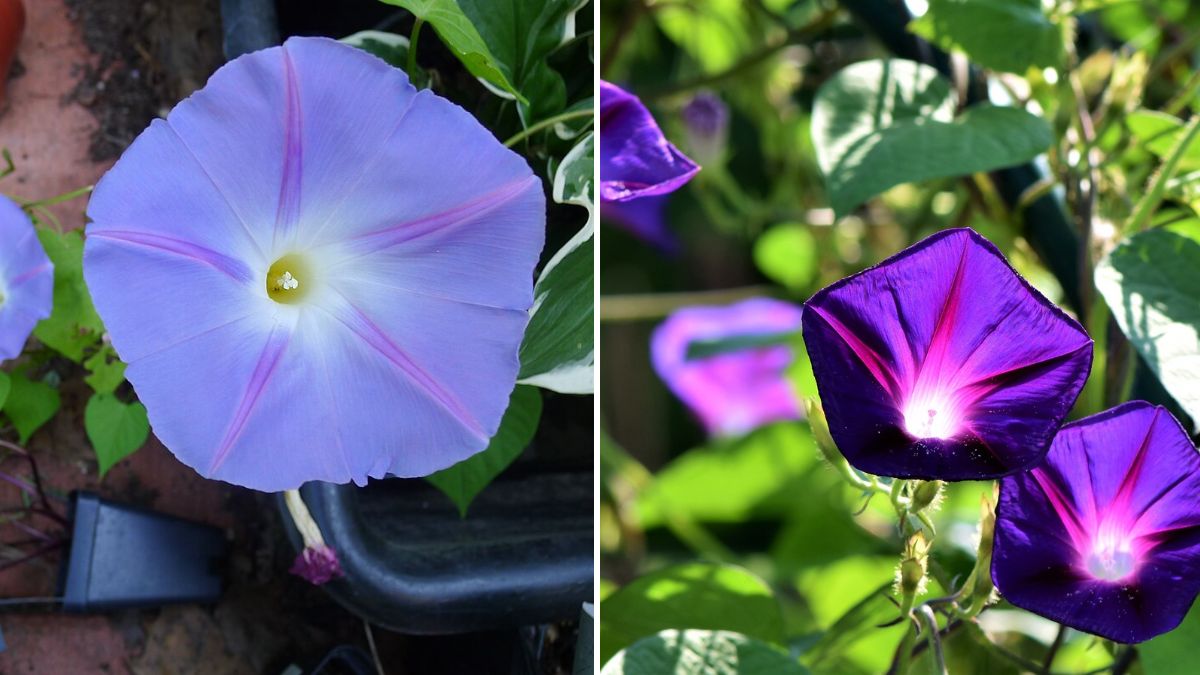
Morning Glory is a stunning, fast-growing flowering vine that brightens gardens, balconies, and fences with its vibrant trumpet-shaped flowers. Its rich hues of purple, blue, pink, and white make it a favorite among gardeners. Best of all, Morning Glory is easy to grow from seeds, even for beginners. This guide provides full information on planting, growing, and caring for Morning Glory, ensuring a flourishing garden display.
1. Why Grow Morning Glory from Seed?
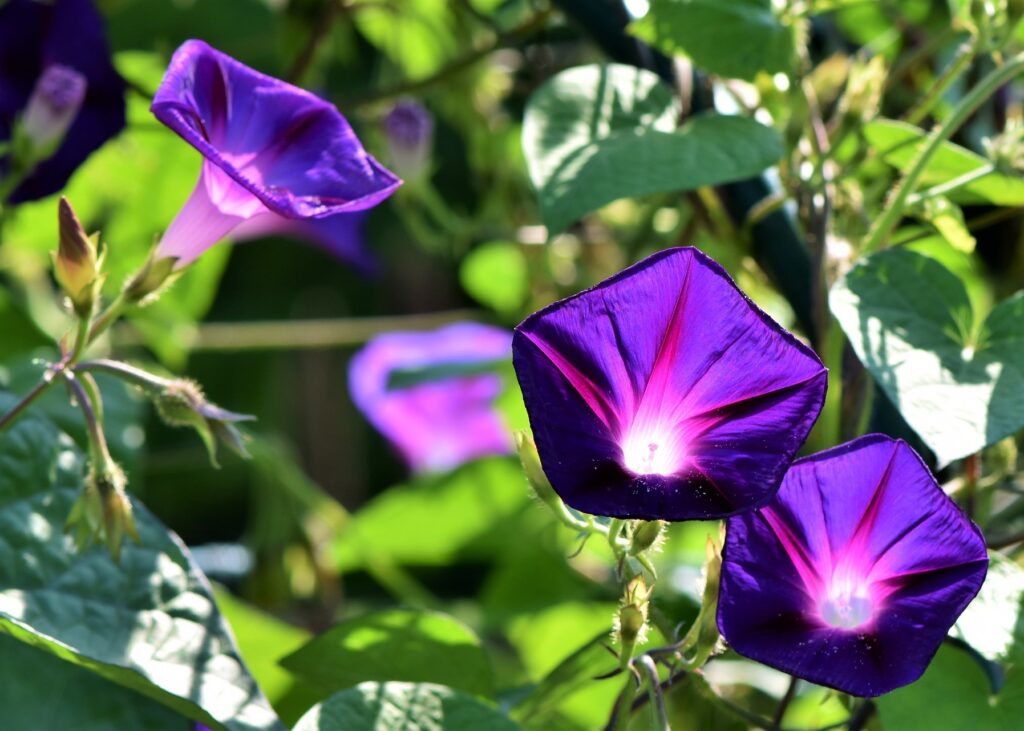
Growing Morning Glory from seeds has several advantages:
- Cost-effective: Seeds are inexpensive and readily available.
- Variety options: You can choose from a wide range of colors and climbing varieties.
- Rapid growth: Morning Glory vines grow quickly and bloom within 2–3 months.
- Easy propagation: Seeds germinate easily, making them perfect for beginners.
By starting from seeds, gardeners can select the exact variety they want and enjoy the satisfaction of nurturing a plant from the very beginning.
2. Selecting Quality Morning Glory Seeds
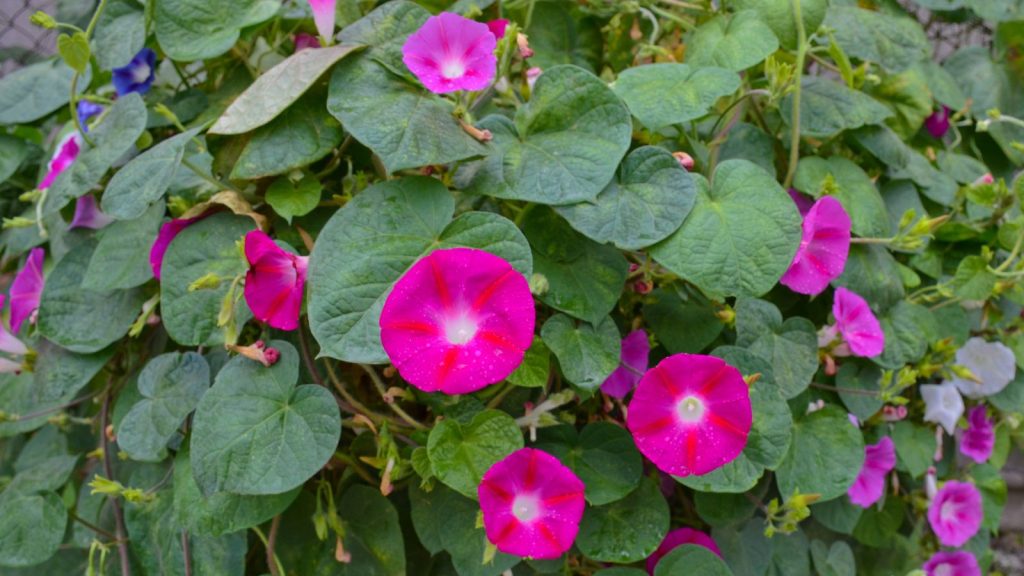
The first step for successful growth is choosing high-quality seeds:
- Fresh seeds: Check the packaging for the expiry date; older seeds may have reduced germination rates.
- Varieties: Popular varieties include ‘Heavenly Blue,’ ‘Scarlet O’Hara,’ ‘Blue Star,’ and ‘Grandpa Ott’s.’
- Organic options: If possible, choose untreated or organic seeds for healthier plants.
Investing in good seeds ensures stronger seedlings and abundant blooms.
3. Prepping Seeds for Faster Germination
Morning Glory seeds have a tough outer coat, so pre-treatment can speed up germination:
- Scarification: Gently rub seeds with sandpaper or nick them with a knife to allow water absorption.
- Soaking: Soak seeds in warm water for 12–24 hours before planting. Seeds will swell and be ready to sprout.
- Avoid over-soaking: Excessive soaking may cause seeds to rot.
This step increases the chance of rapid and uniform germination, giving your Morning Glory seedlings a strong start.
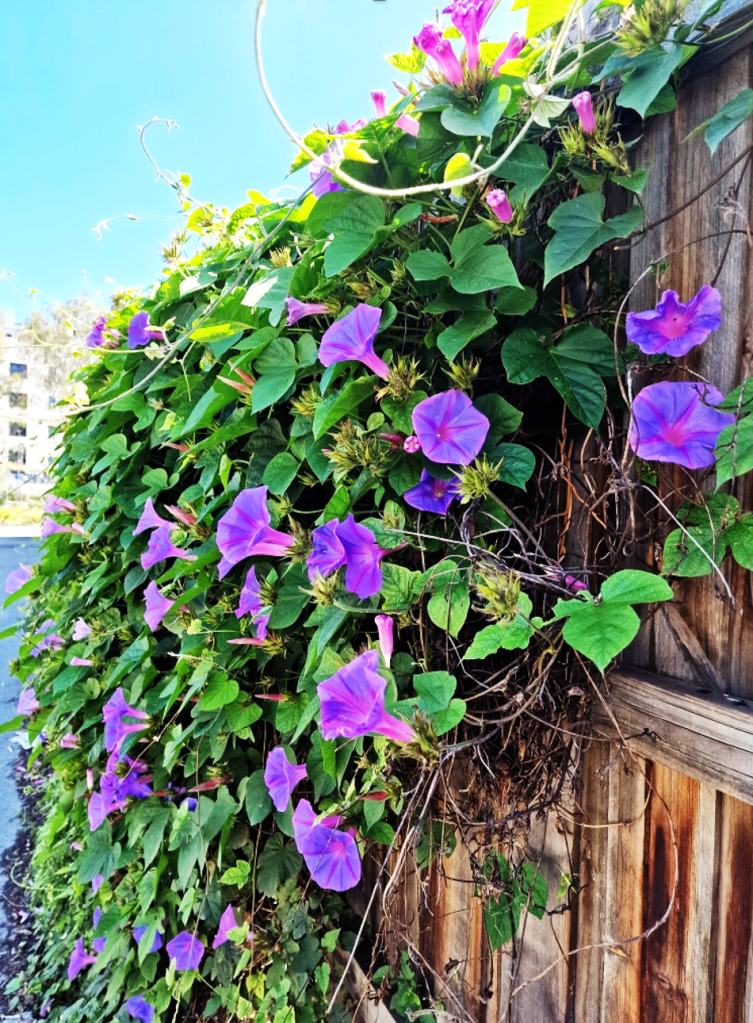
4. Choosing the Right Growing Medium
Morning Glory thrives in well-draining, nutrient-rich soil:
- Soil mix: Combine garden soil, compost, and a little sand or perlite for aeration.
- pH level: Slightly acidic to neutral soil (pH 6.0–7.0) is ideal.
- Containers vs. garden beds: Use pots, grow bags, or raised beds if planting in small spaces.
Healthy soil ensures strong root development, faster growth, and more blooms.
5. Planting Morning Glory Seeds
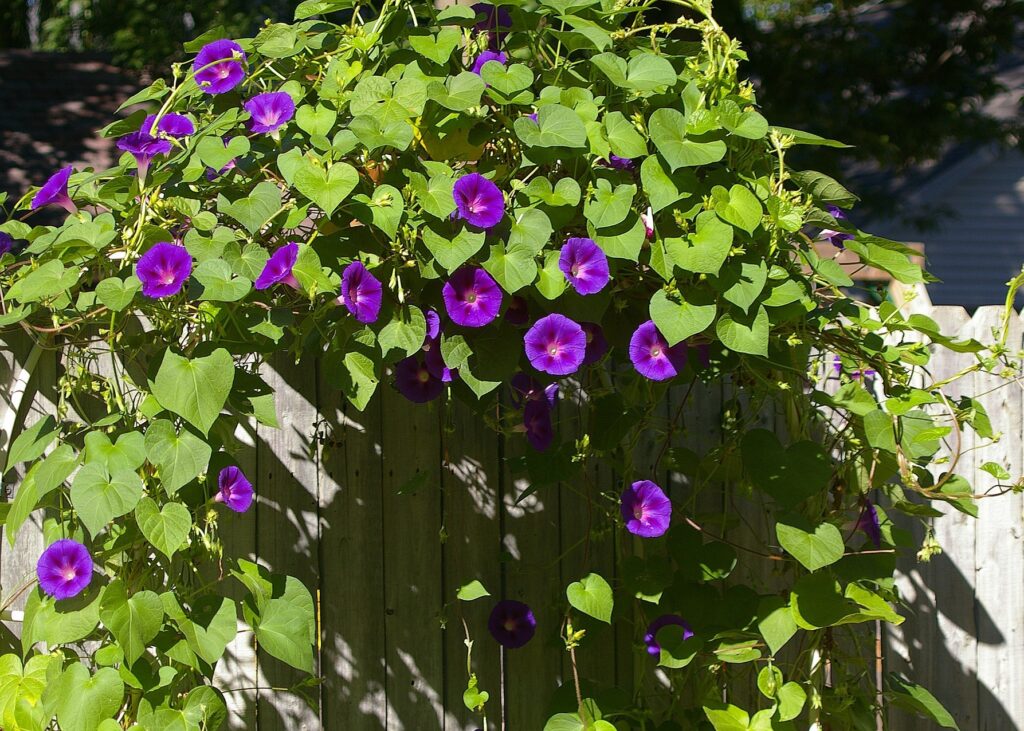
Planting seeds correctly is essential for strong seedlings:
- Depth: Sow seeds about ¼–½ inch deep. Cover lightly with soil.
- Spacing: Space seeds 6–12 inches apart to allow for vine growth.
- Containers: For pots, use one seed per small pot or 2–3 seeds per larger container. Thin weaker seedlings later.
- Watering: Lightly water after planting to keep soil moist but not soggy.
Morning Glory seeds typically germinate in 7–14 days under ideal conditions.
6. Light and Temperature Requirements
Morning Glory loves sun and warmth:
- Sunlight: Full sun is essential for vibrant blooms. Ensure at least 6–8 hours of direct sunlight daily.
- Temperature: Seeds germinate best in temperatures between 20–30°C (68–86°F).
- Indoor start: If starting indoors, place seedlings near a bright window or use grow lights.
Sufficient light ensures strong, fast-growing vines and more prolific flowering.
7. Watering and Care
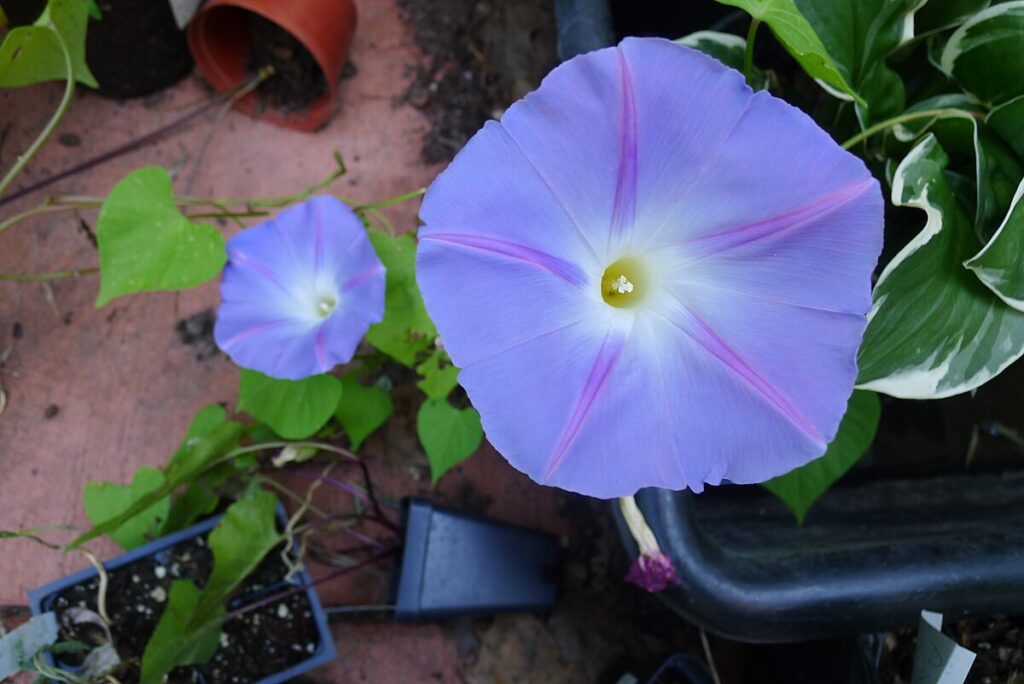
Morning Glory is relatively drought-tolerant but thrives with proper care:
- Consistent moisture: Water regularly to keep soil slightly moist, especially during germination and early growth.
- Avoid waterlogging: Overwatering can rot roots. Ensure good drainage.
- Mulching: Apply mulch around seedlings to retain moisture and suppress weeds.
Balanced watering promotes strong vines and healthy foliage, leading to better blooms.
8. Supporting the Vines
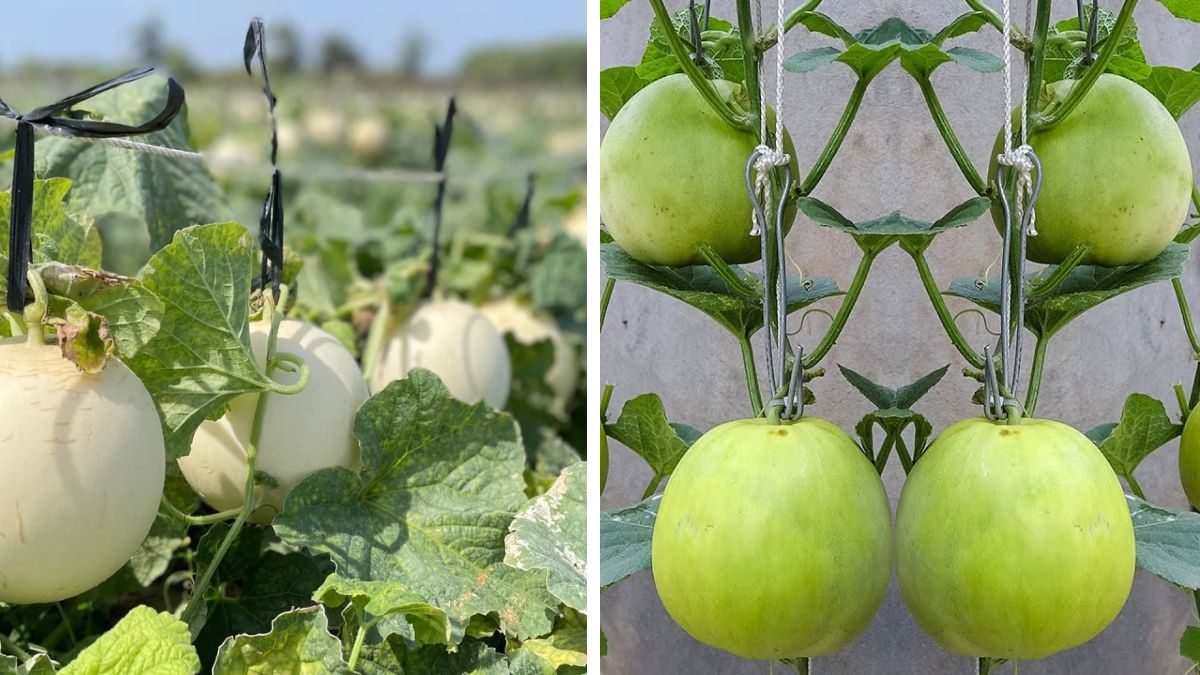
Morning Glory is a climbing vine and needs support to grow well:
- Trellises: Wooden or metal trellises work perfectly.
- Fences or railings: Morning Glory can naturally climb fences, walls, and balcony railings.
- Strings or stakes: For smaller spaces, tie vines to stakes or strings to encourage upward growth.
Supporting the plant properly prevents sprawling on the ground and promotes larger, more colorful blooms.
9. Fertilizing Morning Glory
Morning Glory doesn’t need heavy feeding, but light fertilization helps promote healthy growth:
- Balanced fertilizer: Use a general-purpose, low-nitrogen fertilizer every 3–4 weeks.
- Avoid excess nitrogen: Too much nitrogen encourages leaf growth but reduces flowering.
- Organic options: Compost tea or diluted liquid fertilizer works well for container plants.
Regular, moderate feeding enhances flower production without creating excessive foliage.
10. Pruning and Training Vines
Pruning helps maintain healthy vines and encourages more flowers:
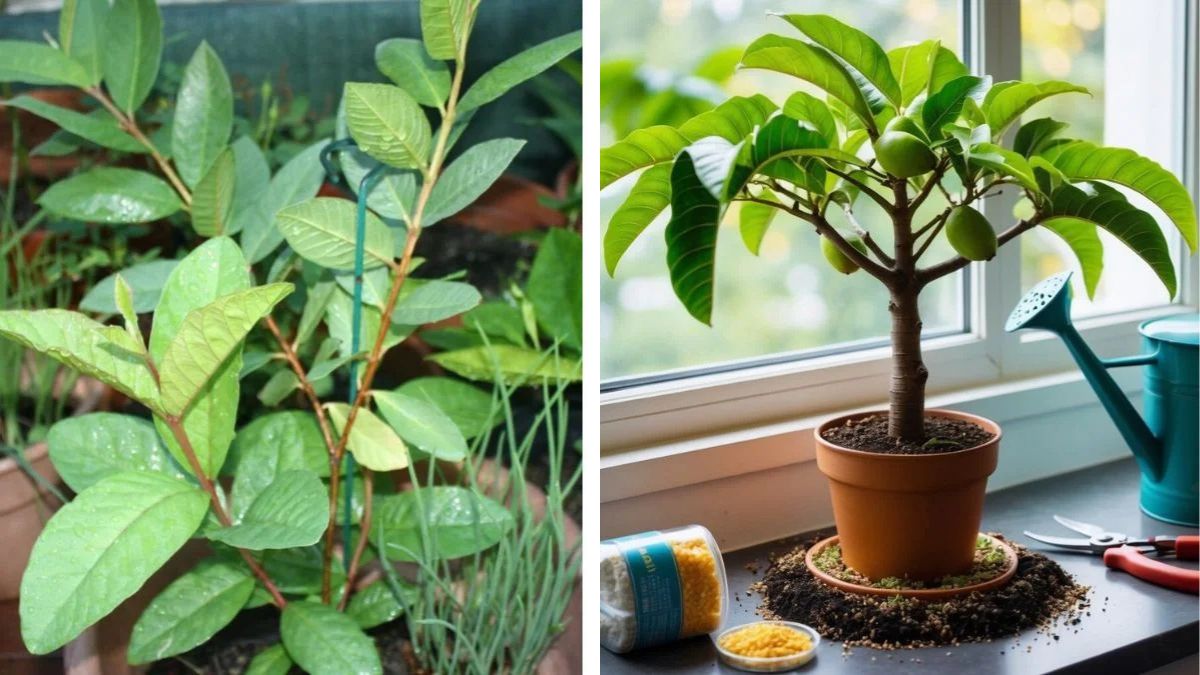
- Pinching tips: Pinch off new growth tips to encourage branching.
- Remove dead leaves: Regularly trim yellow or damaged leaves to improve airflow.
- Training: Guide vines along trellises or supports to ensure even coverage and display.
Proper pruning ensures a neat appearance and encourages more flowering throughout the season.
11. Pest and Disease Management
Morning Glory is relatively hardy, but occasional problems may occur:
- Pests: Aphids, spider mites, and caterpillars can damage leaves. Spray with neem oil or mild soapy water.
- Diseases: Fungal issues like powdery mildew can appear in humid conditions. Ensure proper spacing and airflow.
- Preventive care: Water at the base and avoid wetting foliage to reduce disease risk.
Regular inspection and timely intervention keep Morning Glory healthy and flourishing.
12. Harvesting Seeds
One of the joys of growing Morning Glory is collecting seeds for future planting:
- Seed pods: Allow flowers to fade naturally; seed pods will form afterward.
- Harvesting: Wait until pods are dry and brown. Break them open to collect black seeds.
- Storage: Store seeds in a cool, dry place for planting next season.
Seed harvesting ensures a continuous supply and allows you to expand your garden next year.
13. Tips for Beginners
- Start small: Begin with a few seeds in pots before planting larger beds.
- Label plants: Note the variety and planting date for tracking growth.
- Succession planting: Sow seeds every few weeks for continuous blooms.
- Companion plants: Morning Glory can climb alongside vegetables like beans or flowers like marigolds for added beauty.
Following these tips makes the Morning Glory growing experience smooth and enjoyable.
Conclusion
Growing Morning Glory from seeds is a rewarding experience for gardeners of all levels. From pre-treating seeds to planting, watering, supporting vines, and harvesting seeds, every step contributes to a stunning floral display. With vibrant colors, fast growth, and easy propagation, Morning Glory is an ideal plant for beginners and experienced gardeners alike.
By following this complete guide with full information, you can enjoy abundant blooms, healthy vines, and the satisfaction of growing these beautiful flowers from seed to full maturity. Start your Morning Glory journey today, and let your garden bloom with color and fragrance every morning!