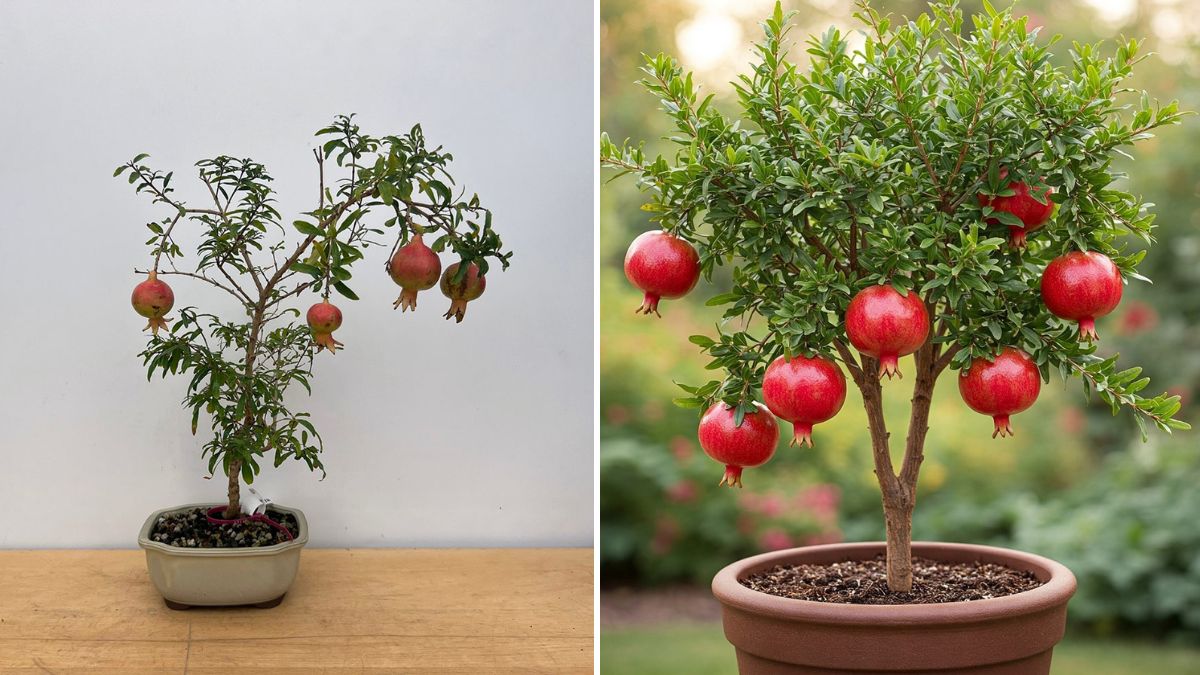
Growing pomegranates at home is one of the most rewarding gardening experiences—especially when your plant begins producing sweet, juicy fruits right from your balcony or terrace. Many people believe pomegranate trees need big gardens or farms, but the truth is: pomegranates grow beautifully in containers when cared for properly.
If you’re dreaming of harvesting your own organic pomegranates, this full seed-to-harvest guide will walk you through every step—from selecting seeds or cuttings to pruning, feeding, and harvesting fruits.
Let’s begin!
Why Grow Pomegranates in Pots?
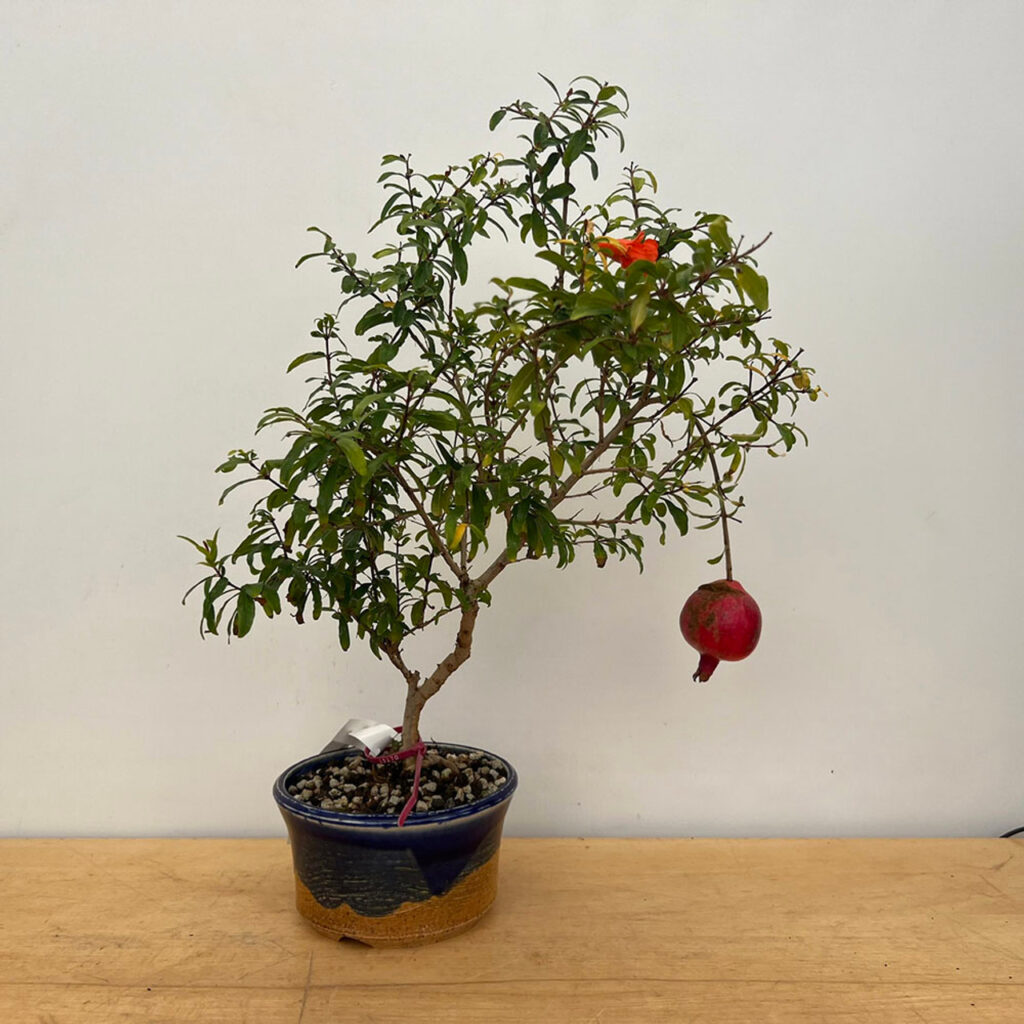
Growing pomegranates in containers offers many benefits:
- Requires very little space
- Perfect for balconies, patios, or rooftops
- Low-water and low-maintenance plant
- Produces fruit even in small pots
- Attractive plant with flowers and fruit in all seasons
A well-grown pomegranate plant can start producing fruits within 1.5–3 years, depending on whether you grow it from seed or cutting.
Step 1: Seed or Cutting — What Should You Choose?
You can grow pomegranate plants:
| Method | Time to Fruit | Best For |
|---|---|---|
| Seeds | 2–4 years | Beginners, fun experiment |
| Cuttings/Saplings | 1–2 years | Faster fruiting, guaranteed result |
If you want quick fruiting, go for a nursery plant or hardwood cutting.
If you enjoy the full growing journey, start from seeds.
Step 2: How to Grow Pomegranates from Seeds
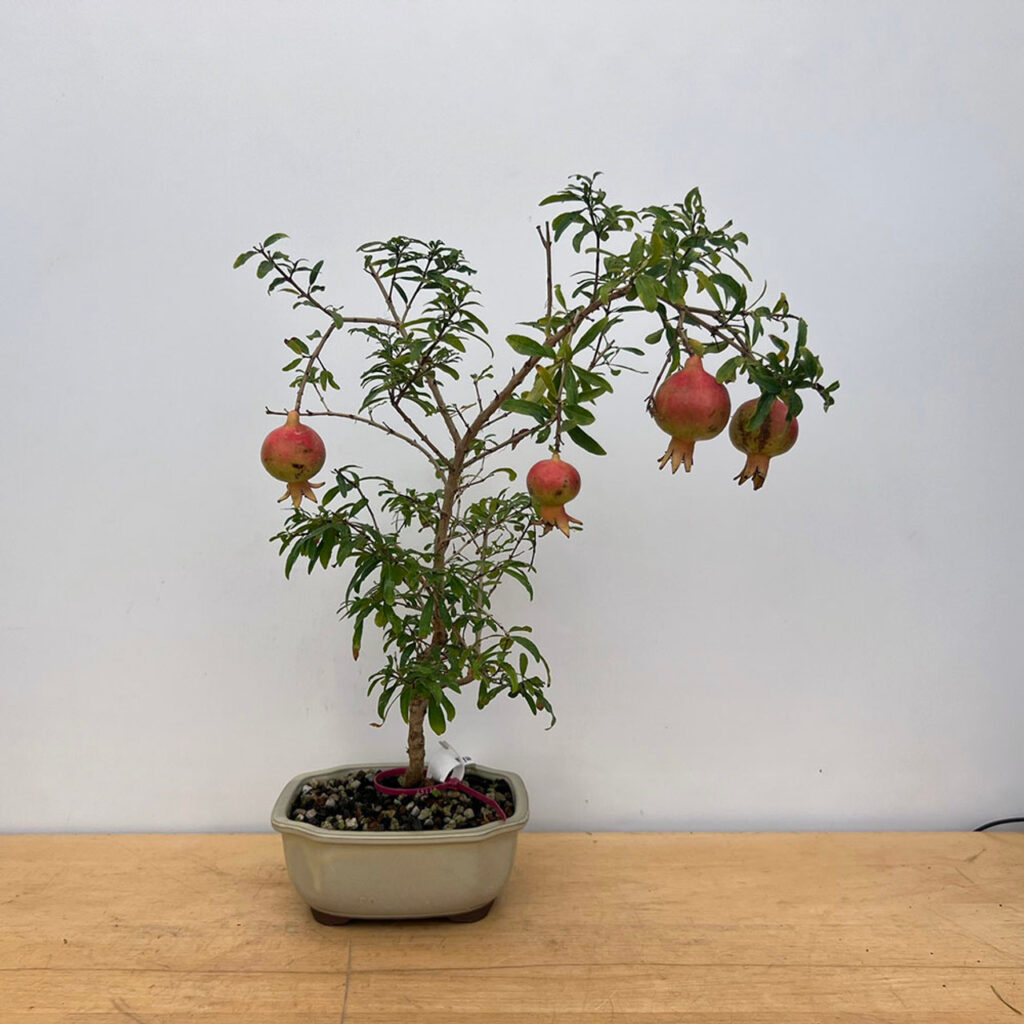
Follow these steps for best germination:
- Take seeds from a ripe pomegranate.
- Wash and remove pulp completely—only the dry kernel should remain.
- Dry seeds for 24 hours.
- Sow in a container filled with fluffy potting mix.
Best Potting Mix for Seeds:
- 50% garden soil
- 30% cocopeat
- 20% compost
Keep the soil moist (not soggy). Seeds germinate in 10–20 days in warm temperatures.
Step 3: Selecting the Right Pot
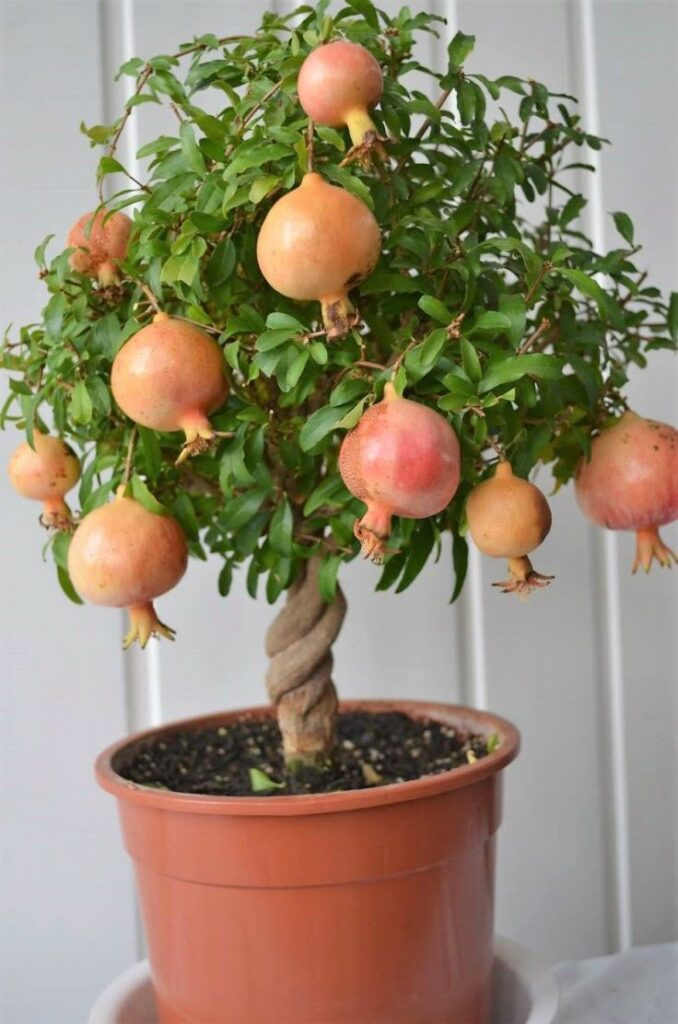
Pomegranate roots grow deep, not wide, so choose:
- Minimum pot size: 12–14 inches
- For mature plant: 18–24 inches deep container
Material can be plastic, clay, metal, or grow bags—all work well.
Step 4: Best Potting Mix for Fruit-Bearing Plants
Use a nutrient-rich but well-draining mix:
- 40% garden soil
- 30% compost or well-rotted manure
- 20% sand or perlite
- 10% cocopeat
Add a handful of neem cake to prevent pests.
Step 5: Sunlight Requirement
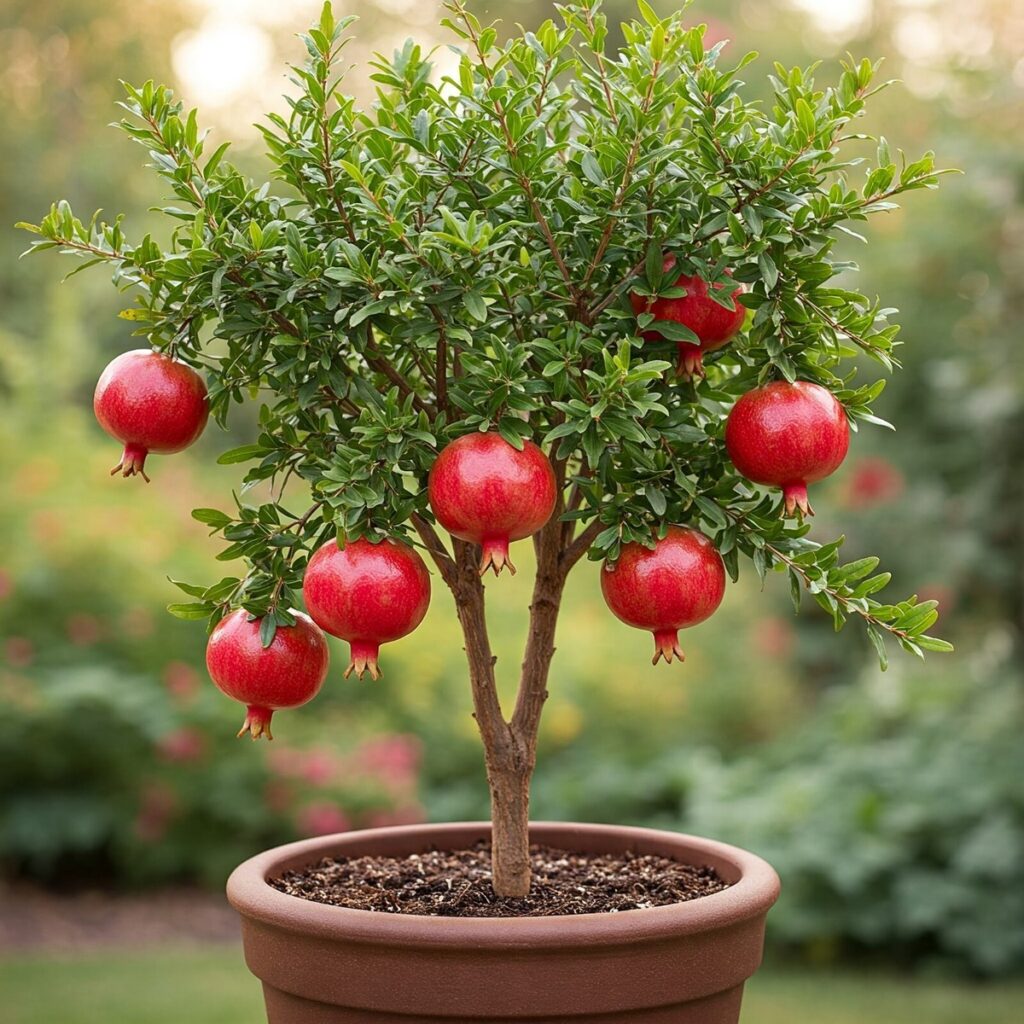
Pomegranates love sunlight.
6–8 hours of direct sunlight daily is ideal for growth and fruit development.
Without enough sunlight, flowering and fruiting will be delayed.
Step 6: Watering Schedule
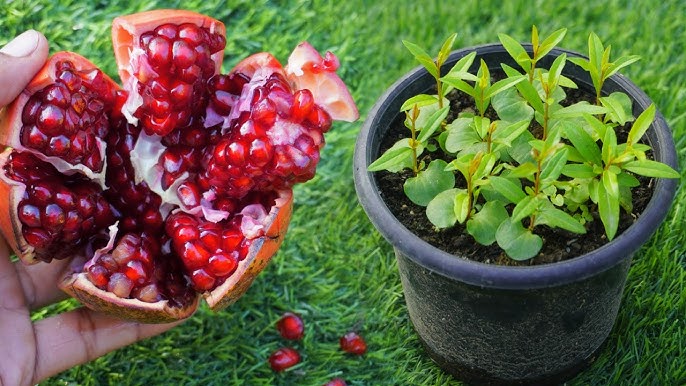
Pomegranates are drought-tolerant, but young plants need moisture.
- First 3 months: Keep soil slightly moist
- After that: Water only when the top soil feels dry
Overwatering causes flower drop and fruit cracking.
Step 7: Fertilizing for Maximum Fruit Production
To grow a healthy fruit-bearing plant, follow this feeding schedule:
| Time | Fertilizer |
|---|---|
| Every month | Organic compost or cow manure |
| Every 45 days | Seaweed or vermicompost tea |
| Flowering season (Feb-July) | Bone meal + potash-rich fertilizer (banana peel fertilizer works great) |
Potassium plays a big role in improving fruit sweetness and size.
Step 8: Pruning for Better Fruit Size
Pruning helps direct energy into fruit production instead of unnecessary leaves and branches.
- Prune the plant once a year
- Remove dry, damaged, or crossing branches
- Keep 3–5 main stems for a bushy shape
Open center pruning helps sunlight reach fruits.
Step 9: Common Problems and Solutions
| Problem | Cause | Fix |
|---|---|---|
| Flowers fall off | Overwatering or lack of sunlight | Reduce watering and provide full sun |
| Fruits crack | Irregular watering | Maintain consistent watering |
| Leaf curl | Aphids or mealybugs | Spray neem oil weekly |
A healthy plant usually resists most pests naturally.
Step 10: Flowering to Harvest Timeline
After flowering, fruits take:
90–120 days to fully mature
Harvest when the fruit:
- Turns deep red or yellowish depending on variety
- Feels heavy
- Has a glossy skin
Do not pick too early—it won’t sweeten after harvest.
When Will Your Plant Fruit?
| Growing Method | Expected Fruit Time |
|---|---|
| Seeds | 2–4 years |
| Cuttings | 1.5–3 years |
| Nursery plant | 1–2 years |
Proper sunlight, pruning, and fertilizing accelerate fruit production.
Winter and Summer Care Guide (Full Updates)
Summer Care
- Water early morning
- Mulch the soil
- Provide extra potassium for larger fruits
Winter Care
- Reduce watering
- Stop fertilizing
- Protect young plants from frost with cloth or shade net
Final Tips for Success
- Always grow in full sunlight
- Avoid overwatering
- Feed the plant regularly
- Prune yearly
- Use neem oil to prevent pests
With patience and proper care, you’ll soon enjoy sweet, homegrown pomegranates straight from your balcony garden.
Final Words
Growing pomegranates in pots is not just gardening—it’s a satisfying experience that connects you with nature and rewards you with delicious fruits. Whether you are a beginner or an experienced gardener, this plant will happily grow with minimal care and return beautiful flowers and fruits every year.
So grab a pot, some soil, and seeds or a cutting—and begin your journey of growing your own sweet pomegranates at home!