Plastic is everywhere—seed trays, plant pots, fertilizer bags, water bottles, and countless gardening tools. While plastic can be convenient, its long-term impact on the environment is harmful. It doesn’t break down easily, contributes to landfill waste, and often harms wildlife. As gardeners, we already care about the earth, so reducing plastic in our gardening routine is a meaningful step toward sustainability.
The good news? Creating a low-plastic or even zero-plastic gardening routine is possible. With a little creativity, you can grow plants beautifully while significantly reducing your environmental footprint. In this 1200-word guide, you’ll discover practical, achievable ways to use less plastic without sacrificing the health or success of your garden.
Why Reduce Plastic in the Garden?
Before diving into actionable tips, it helps to understand why plastic-free gardening matters. The gardening world produces enormous amounts of waste each year—single-use plant pots, plastic fertilizer containers, synthetic labels, and more. Most of this plastic ends up in landfills or breaks into microplastics that contaminate soil and water.
Reducing plastic in your gardening routine:
- Protects the soil from contamination
- Reduces landfill waste
- Saves money by encouraging reuse
- Supports a more natural and eco-friendly garden
- Reduces your overall carbon footprint
Even small steps add up when practiced consistently.
1. Reuse and Repurpose What You Already Have
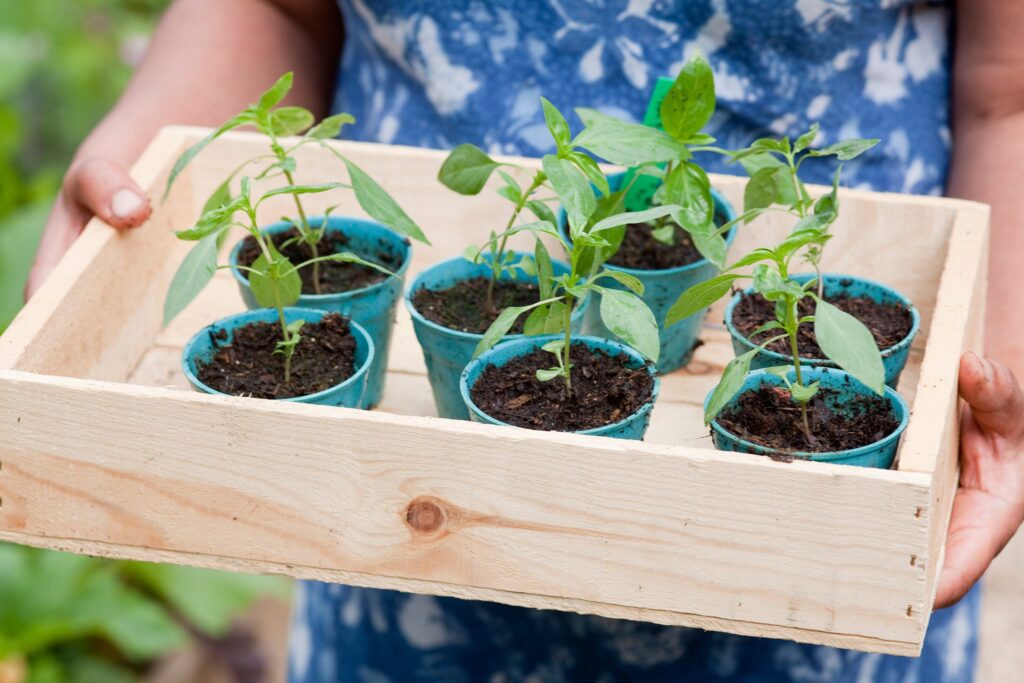
The easiest and most effective way to reduce plastic waste is to reuse the plastic items you already own.

How to Extend the Life of Plastic Plant Pots
- Wash and sanitize them after each season
- Use them for seed starting or propagation
- Reinforce cracks with tape for temporary use
- Convert small pots into organizers for plant labels or garden tools
Creative Ways to Repurpose Plastic Items
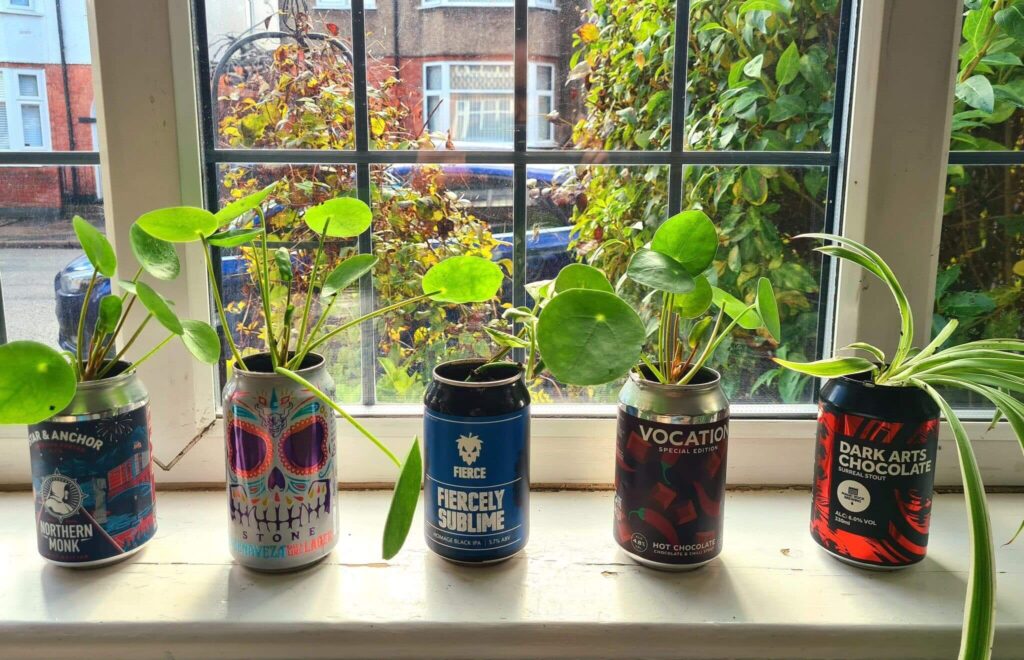
- Old plastic bottles → self-watering containers
- Broken buckets → worm bins or compost collectors
- Plastic food containers → seed trays
- Plastic jugs → watering cans (poke small holes in the cap)
Reusing doesn’t just prevent waste—it helps you save money.
2. Choose Terracotta, Metal, or Ceramic Pots Instead of Plastic Ones
Plant pots are one of the largest sources of garden plastic waste. Thankfully, there are long-lasting alternatives.
Terracotta Pots
- Breathable
- Keep soil cool
- Timeless rustic look
- Long lifespan when handled gently
Ceramic Pots
- Beautiful designs
- Durable
- Excellent for indoor plants
Metal Containers
- Great for herbs and hardy plants
- Weather-resistant
- Can be upcycled from old kitchenware
Fabric Grow Bags
Made from breathable textile materials, fabric grow bags are a sustainable alternative. They promote healthier root systems, prevent waterlogging, and last several seasons.
By switching to these options, you significantly cut down on long-term plastic use.
3. Start Seeds Without Using Plastic Trays
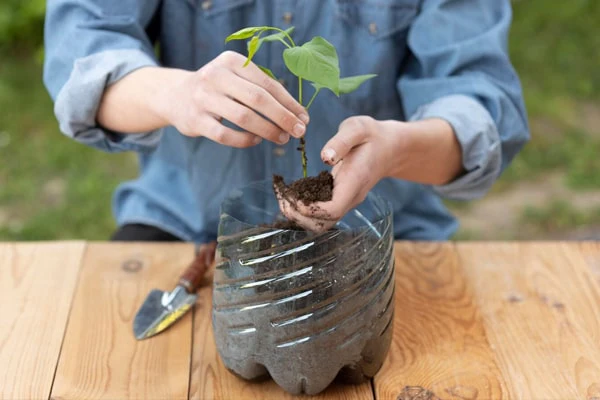
Seed trays are often made from soft plastic that cracks easily and becomes unusable after one season. Luckily, several plastic-free seed-starting methods work beautifully.
Eco-Friendly Seed Starting Ideas
- Eggshells – Perfect for herbs and greens
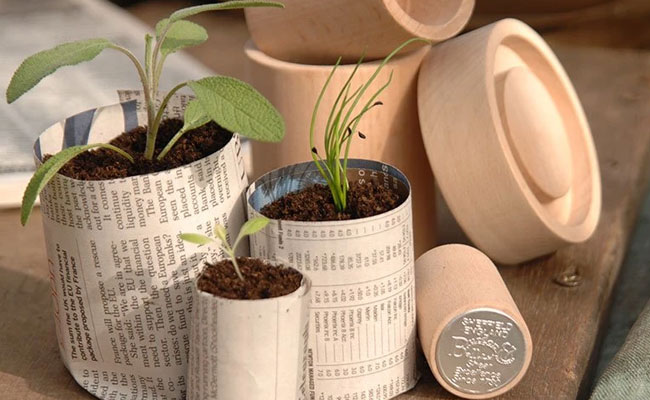
- Newspaper pots – Biodegradable and easy to make
- Coconut husk trays – Durable, natural, and soil-friendly
- Cardboard egg cartons – Ideal for seedlings with shallow roots
- Toilet paper rolls – Great for beans, peas, and tomatoes
Once your seedlings grow big enough, you can plant them directly into soil without generating waste.
4. Avoid Plastic Gardening Tools—Go for Wood or Metal
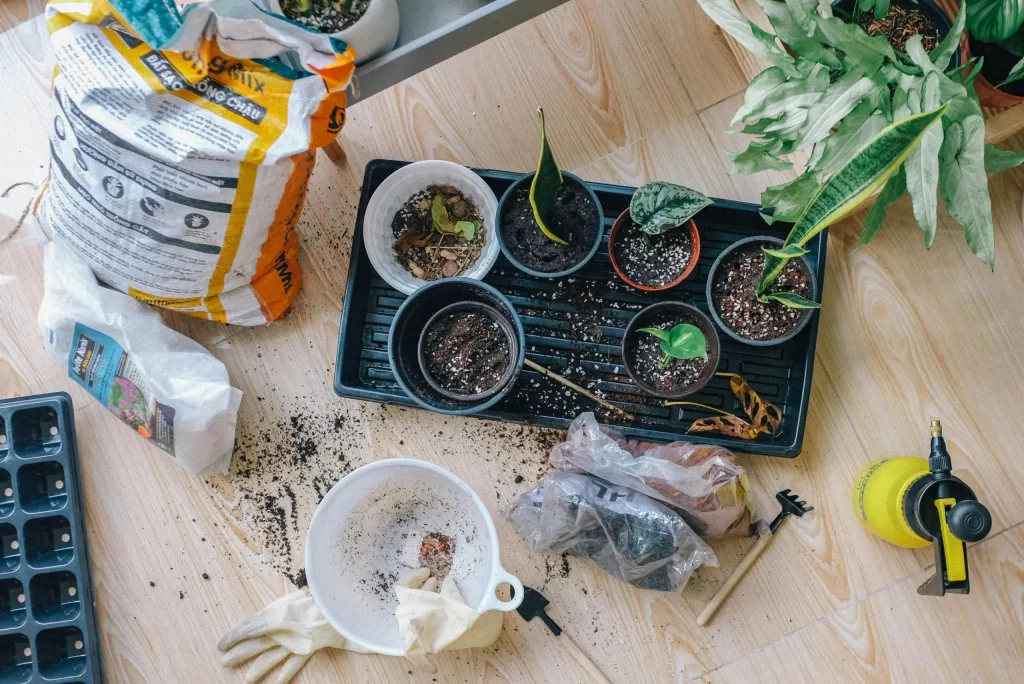
Plastic garden tools often crack under sunlight and wear quickly. Switching to wooden or metal tools improves both the sustainability and effectiveness of your gardening routine.
Eco-Friendly Tool Options
- Wooden-handled trowels and cultivators
- Stainless steel spades and pruners
- Bamboo plant labels
- Metal watering cans
- Jute or coir ropes instead of plastic ties
These alternatives last longer and are easier to repair or recycle.
5. Replace Plastic Mulch with Natural Mulching Materials
Plastic mulch is commonly used to suppress weeds and retain soil moisture—but it adds significant waste and can harm soil health.
Sustainable Mulch Alternatives
- Straw or hay
- Grass clippings
- Shredded leaves
- Wood chips
- Coconut husk mulch
- Pine needles
Natural mulch not only reduces plastic waste but also improves soil structure and adds valuable organic matter as it decomposes.
6. Make Your Own Compost Instead of Buying Plastic-Bagged Soil
Bagged compost, fertilizer, and potting mix often come in thick plastic packaging. Making your own compost eliminates the need for these products entirely.
How Composting Reduces Plastic Use
- No more buying soil in plastic sacks
- No need for synthetic fertilizers
- Organic waste turns into nutrient-rich compost
- Helps close the loop in a zero-waste gardening system
Composting can be done in:

- Clay pots
- Wooden crates
- Metal bins
- DIY tumblers made from old barrels (non-plastic)
A rich homemade compost means healthier soil without waste.
7. Switch to Natural Fertilizers and Plant Tonics
Chemical fertilizers usually come packaged in plastic bottles or packets. Instead, you can make your own natural fertilizers using everyday kitchen waste.
Plastic-Free Natural Fertilizers
- Banana peel water – Boosts potassium
- Eggshell powder – Adds calcium
- Used coffee grounds – Improves nitrogen
- Rice water – Enhances soil microbes
- Compost tea – Powerful organic feed
These DIY fertilizers promote sustainable gardening without depending on store-bought plastic-packaged products.
8. Reduce Plastic Use in Watering Methods
Instead of buying plastic watering cans, hoses, or spray nozzles, explore more sustainable approaches.
Eco-Friendly Watering Solutions
- Use metal watering cans
- Install clay olla pots for self-watering
- Reuse kitchen greywater
- Collect rainwater in metal barrels
- Use bamboo drip systems for slow watering
These methods conserve water and cut down on plastic tools.
9. Avoid Buying Plants Wrapped in Plastic
When purchasing plants from nurseries or markets, choose those that come in eco-friendly or reusable containers.

Smart Buying Practices
- Choose plants sold in terracotta pots
- Carry your own pots or containers
- Buy bare-root plants whenever possible
- Support nurseries that follow sustainability practices
A little awareness during purchasing can drastically reduce plastic waste.
10. Use Natural Twine and Supports Instead of Plastic Ties
Plastic ties, clips, and netting are commonly used to support climbing plants. These break down under sunlight and add to waste.
Sustainable Alternatives
- Jute string
- Cotton rope
- Coconut fiber twine
- Bamboo stakes instead of plastic stakes
- Natural coir nets for vertical gardening
These options are biodegradable, strong, and gentle on plant stems.
11. Repair Before You Replace
A powerful zero-waste habit is simply repairing what you have before buying new items.
Things You Can Easily Repair
- Cracked pots (use eco-friendly adhesive or convert into planters for succulents)
- Leaking watering cans (patch small holes)
- Loose tool handles (tighten screws or replace with wooden ones)
- Broken trays (use as drainage trays or propagation boxes)
Repairing not only saves plastic—it also saves money.
Final Thoughts: Every Small Step Makes a Big Difference
Reducing plastic use in your gardening routine doesn’t require huge changes. Even small habits—like choosing natural materials, composting, or avoiding plastic pots—bring meaningful results over time.
Gardening is all about nurturing life, and when we choose sustainable practices, we extend that care to the planet itself. Step by step, your eco-friendly garden becomes a symbol of mindful living, resourcefulness, and love for the environment.
If you’d like, I can also create a Zero-Plastic Gardening Checklist or a beginner-friendly action plan—just tell me!