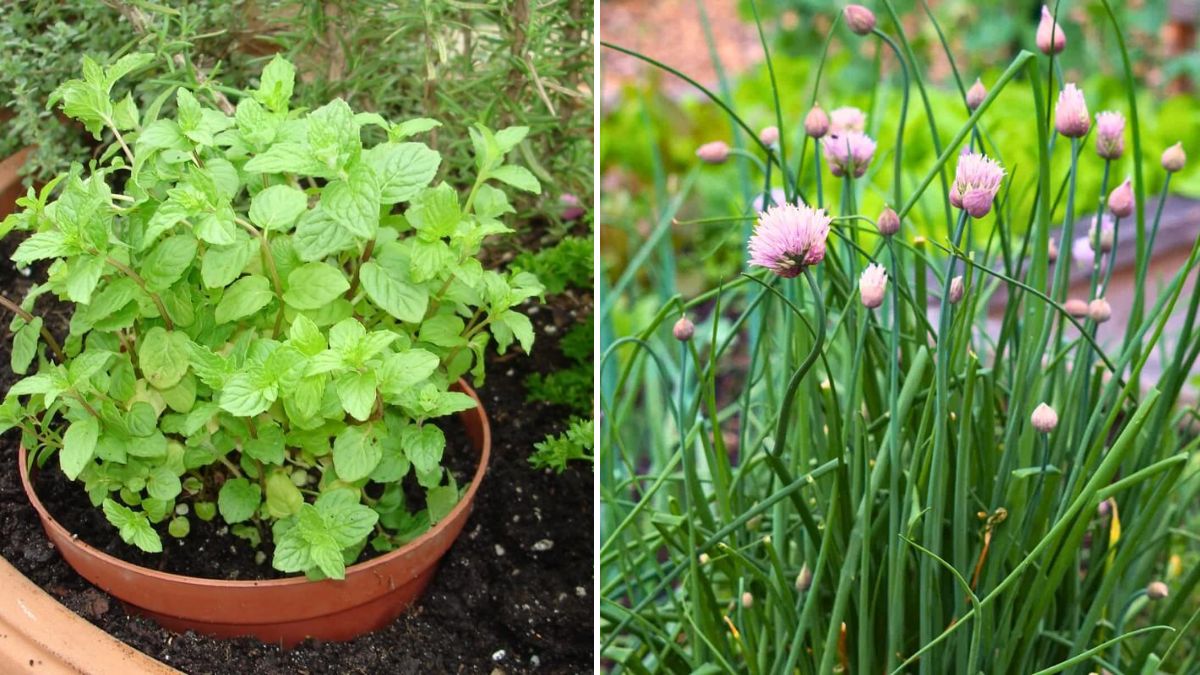
Winter doesn’t have to mean the end of gardening. While many plants die back or go dormant during cold months, there are several hardy herbs that not only survive frost—but actually thrive in it. These winter-tolerant herbs can endure freezing temperatures, snow, and chilly winds while still providing fresh leaves for your kitchen. Whether you’re growing them outdoors, in raised beds, or in containers, you can enjoy a year-round supply of aromatic and medicinal herbs with minimal maintenance.
In this comprehensive 1200-word guide, you’ll learn about eight frost-hardy herbs, the conditions they love, how to care for them in winter, and how you can use them in cooking, teas, and daily wellness.
1. Rosemary — Evergreen Aroma That Withstands Cold
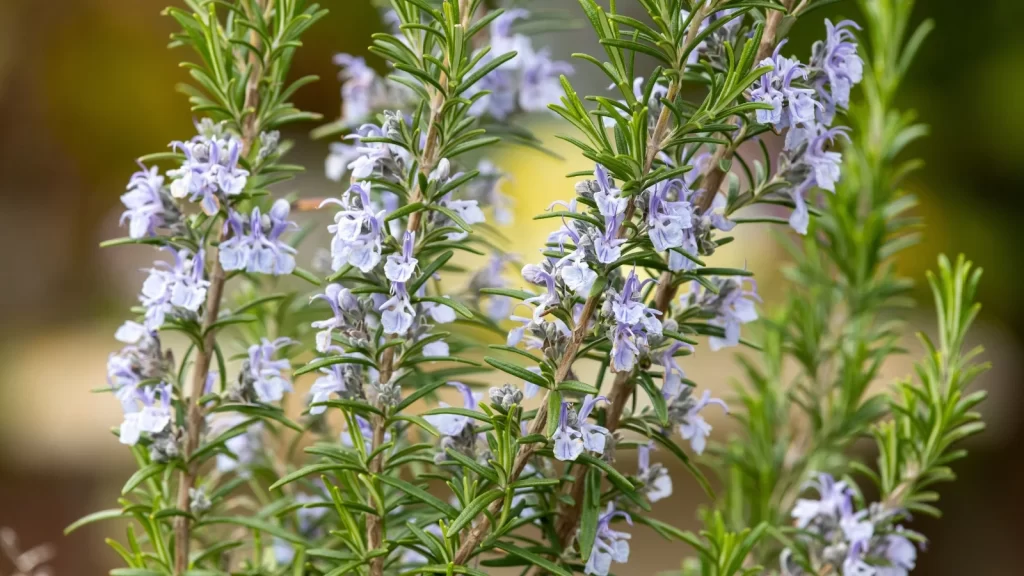
Rosemary is a classic Mediterranean herb known for its strong fragrance, woody stems, and evergreen foliage. While some varieties are frost-sensitive, several cold-hardy types survive temperatures well below freezing.
Why Rosemary Survives Winter
- Has thick, needle-like leaves that resist frost
- Produces essential oils that protect plant tissues
- Woody stems help it tolerate wind and chill
Cold-Hardy Varieties
- Arp
- Hill Hardy
- Salem
Winter Care Tips
- Plant in well-draining soil to prevent root rot
- Avoid overwatering during cold months
- Give it as much winter sunlight as possible
Uses
Rosemary adds aroma to roasted vegetables, bread, marinades, and herbal teas. It also boosts memory, digestion, and breathing health.
2. Thyme — The Ultimate Winter Warrior
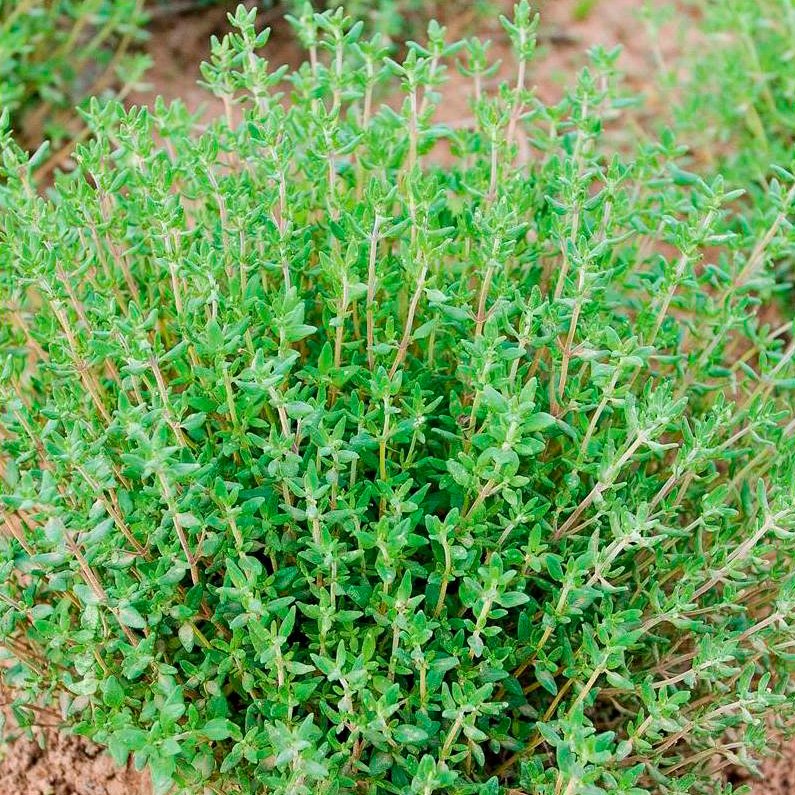
Thyme is one of the toughest herbs you can grow. Many varieties remain green even under snow, making it a favorite for winter gardens.

Why Thyme Thrives in Frost
- Low-growing habit protects it from harsh winds
- Small leaves reduce moisture loss
- Cold-tolerant species developed in mountain regions
Best Varieties for Winter
- English Thyme
- German Thyme
- Lemon Thyme
Winter Care Tips
- Avoid overly rich soil—thyme prefers dryness
- Trim lightly before winter to encourage compact growth
- Protect from standing water
Uses
Thyme is widely used in soups, stews, sauces, and immunity-boosting teas. It also has strong antibacterial and anti-inflammatory properties.
3. Sage — Frost-Tolerant and Evergreen
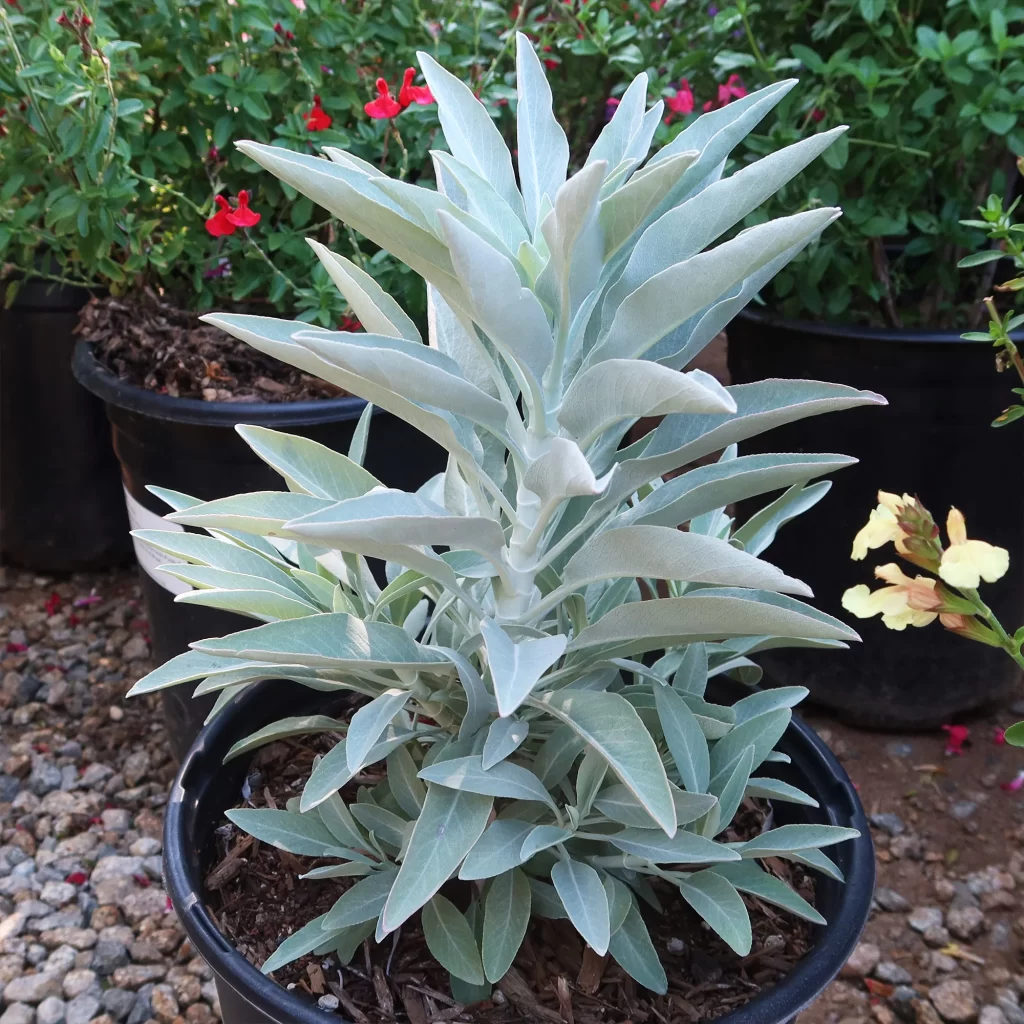
Sage is another evergreen perennial known for its silver-green leaves and earthy aroma. It naturally thrives in cold environments and can survive snow and frost easily.
Why Sage Loves Winter
- Has fuzzy leaves that insulate the plant
- Essential oils protect plant tissue
- Strong root system withstands freezing
Best Varieties
- Common Sage
- Berggarten Sage
- Purple Sage
Winter Care Tips
- Provide full sun even in winter
- Water sparingly
- Mulch lightly around the base
Uses
Sage is all about flavor and health. Use it for roasted dishes, stuffing, herbal teas, and remedies for sore throats and digestion.
4. Mint — A Hardy Herb That Spreads Even in Cold
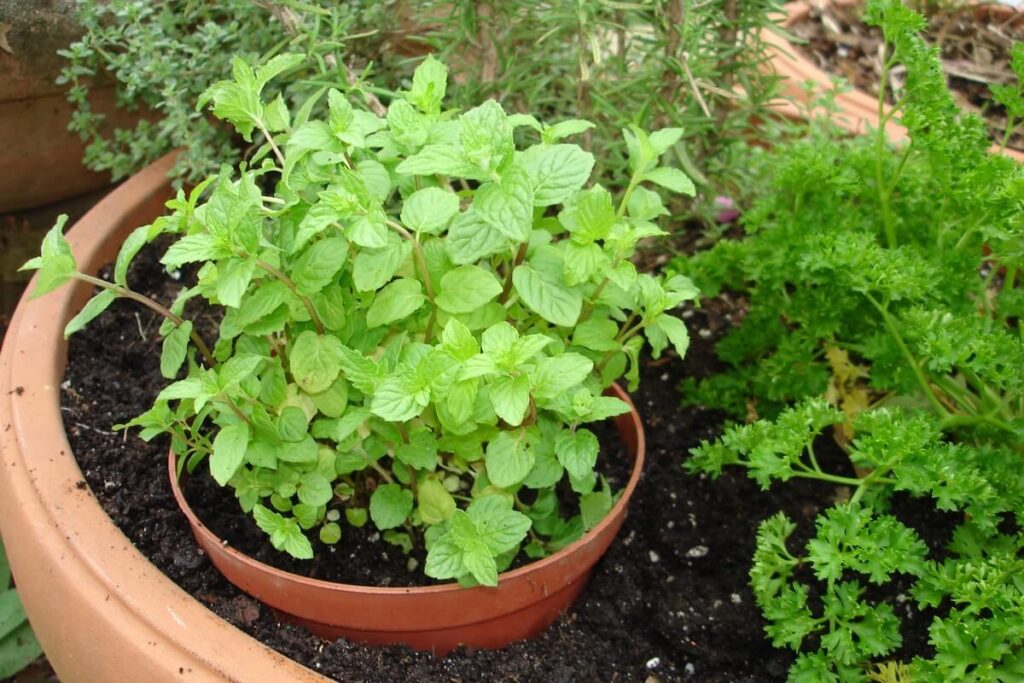
Mint is one of the easiest herbs to grow, and its resilience in harsh weather makes it perfect for winter herb gardening. Many gardeners find mint sprouting fresh growth even after heavy snowfall.
Why Mint Survives Frost
- Underground runners protect the plant from cold
- Strong root system regenerates even after freezing
- Many species adapted to cool climates
Best Varieties
- Peppermint
- Spearmint
- Chocolate Mint
Winter Care Tips
- Plant in containers to control spreading
- Trim back in late fall
- Protect roots with mulch in severe frost
Uses
Mint is perfect for teas, salads, desserts, chutneys, and fresh drinks. It also helps soothe digestion and reduces cold symptoms.

5. Chives — Cold-Loving and Perfect for Winter Harvests
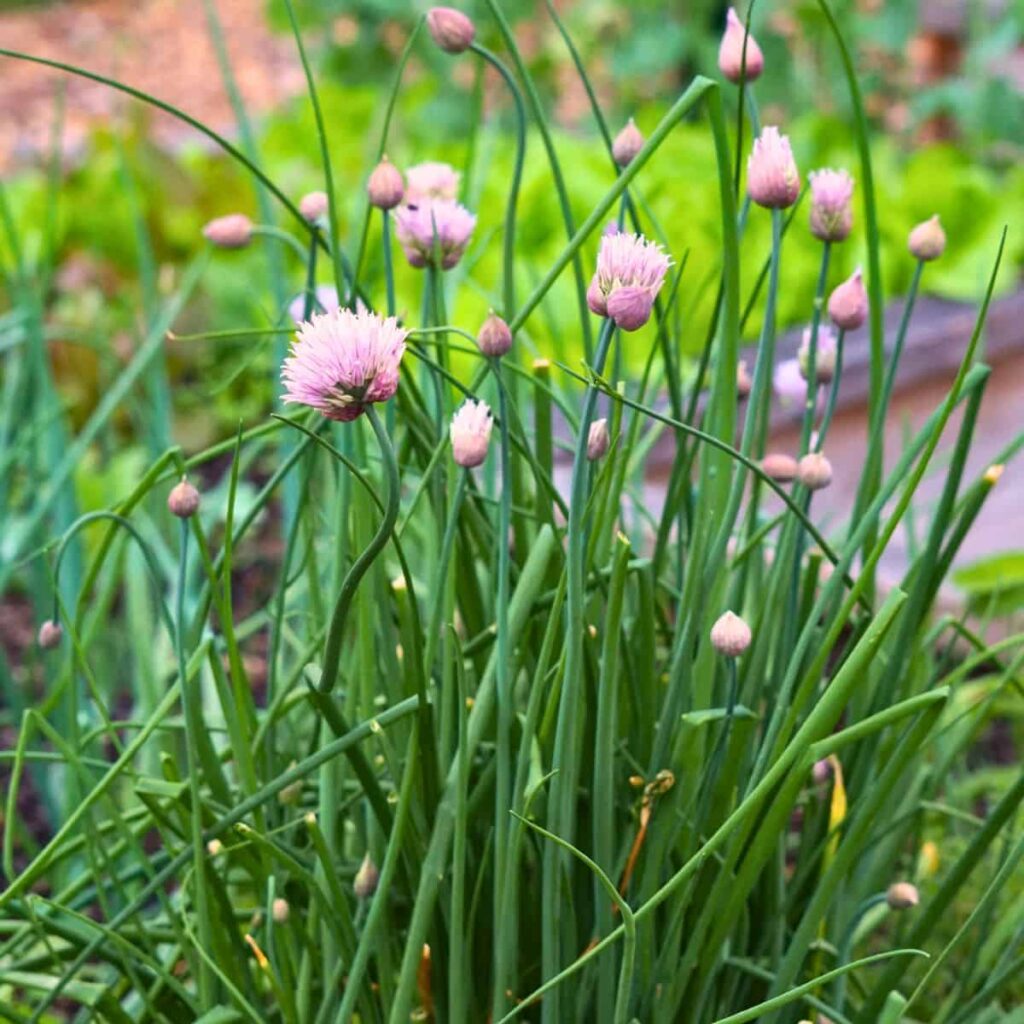
Chives are hardy perennials that return every spring, and in milder winters, they continue producing leaves even in freezing temperatures.
Why Chives Handle Extreme Cold
- Thin leaves die back but roots remain alive
- Strong underground bulbs retain nutrients
- Fast regrowth after frost
Best Varieties
- Common Chives
- Garlic Chives
Winter Care Tips
- Keep soil lightly moist
- Mulch the top layer in very cold areas
- Do not fertilize heavily in winter
Uses
Use chives for garnishing soups, omelets, salads, and baked potatoes. Garlic chives, especially, give a delicious mild onion-garlic flavor.
6. Parsley — Tough, Cold-Resistant, and Green All Winter
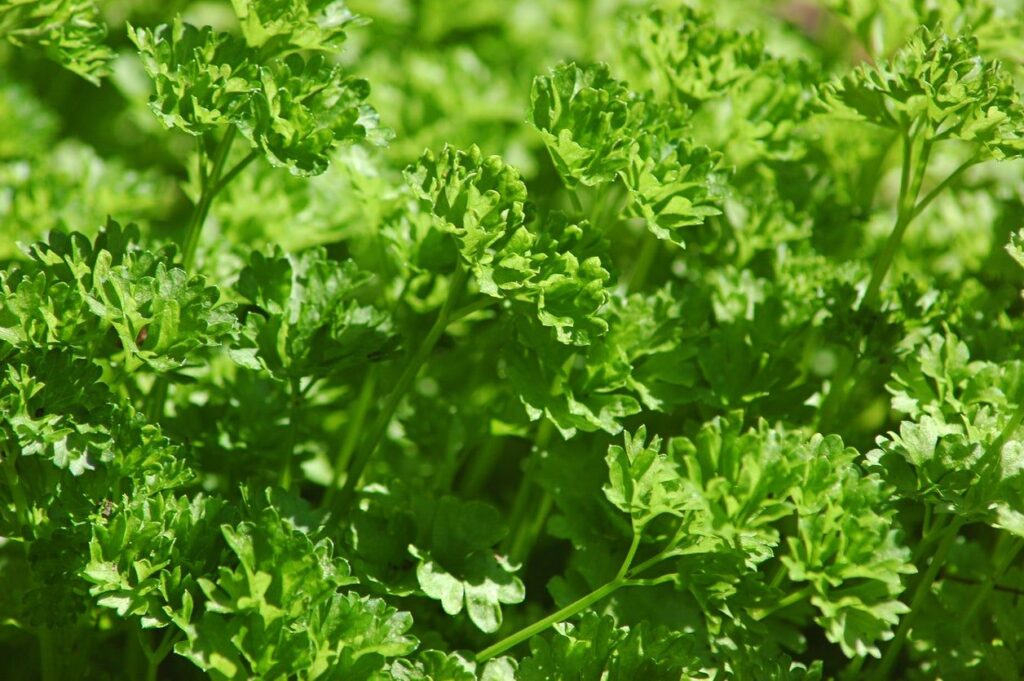
Parsley is a biennial that thrives in cool weather and tolerates frost extremely well. In many climates, it stays green throughout winter.
Why Parsley Survives Winter
- Has flexible leaves that resist freezing damage
- Dense growth protects inner stems
- Roots store energy for cold months
Best Varieties
- Curly Parsley
- Flat-leaf (Italian) Parsley
Winter Care Tips
- Provide partial winter sunlight
- Water moderately
- Avoid cutting too much in deep winter to avoid stressing the plant
Uses
Rich in vitamins A, C, and K, parsley is great in soups, smoothies, salads, and garnishes.
7. Oregano — A Robust Herb That Loves Cool Climates
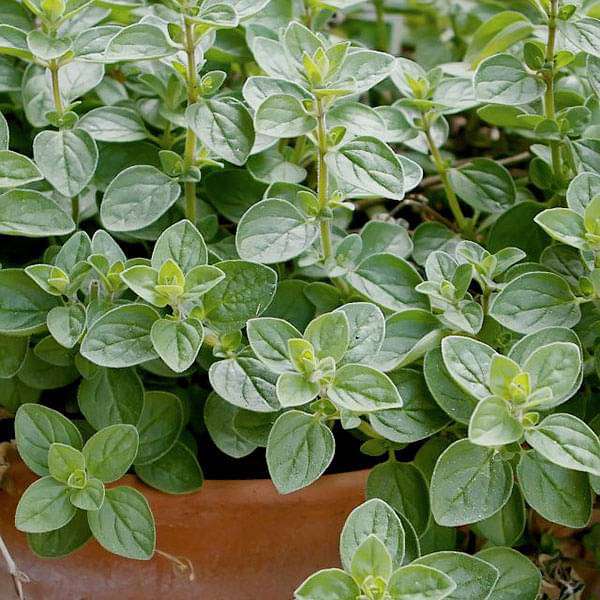
Oregano thrives in cooler temperatures and grows wide, spreading mats of fragrant leaves even when exposed to frost.

Why Oregano Survives Frost Naturally
- Mediterranean origins with cold winters
- Essential oils protect leaves
- Hardy perennial roots
Best Varieties
- Greek Oregano
- Italian Oregano
- Winter Oregano
Winter Care Tips
- Provide full sun
- Water lightly—too much water harms roots
- Trim quickly before frost to maintain shape
Uses
Oregano is essential in pizza seasoning, Italian food, Mediterranean cooking, and cold-fighting herbal teas.
8. Winter Savory — The Most Underrated Cold-Hardy Herb
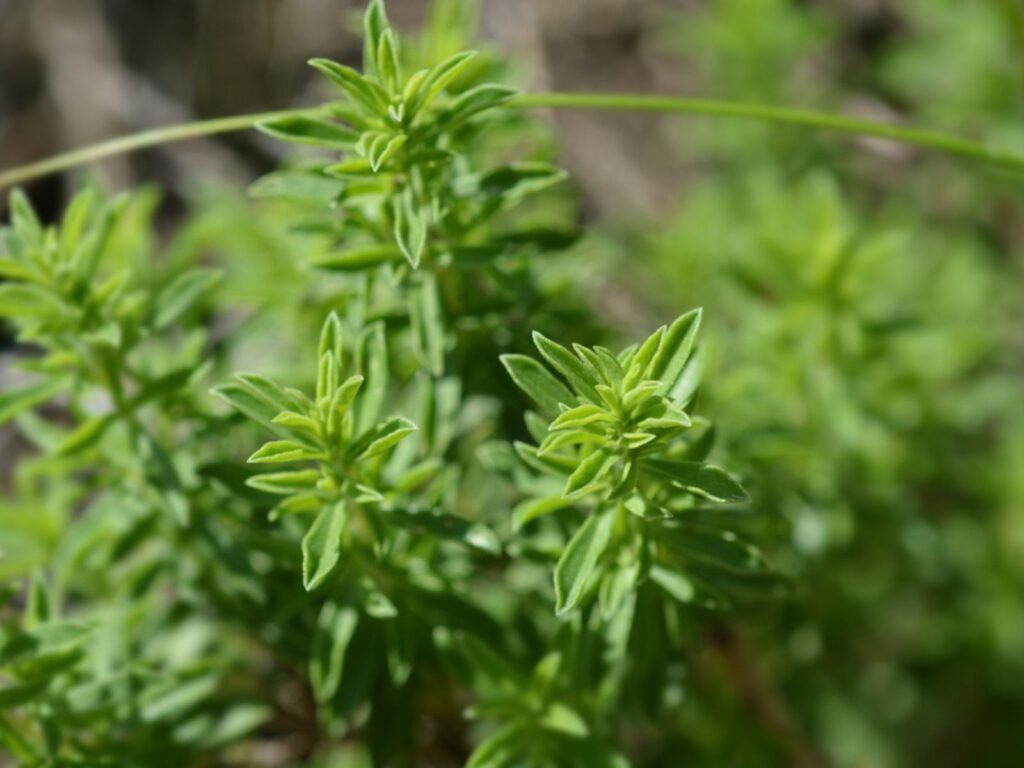
Winter savory is a lesser-known herb but incredibly powerful when it comes to frost resistance. Despite its name, it grows all year and thrives in cold conditions where many herbs fail.
Why Winter Savory Thrives in Frost
- Naturally adapted to high, cold mountains
- Woody stems provide frost protection
- Tough leaves resist moisture loss
Best Varieties
- Winter Savory (Satureja montana)
- Alpine Savory
Winter Care Tips
- Needs full sunlight
- Plant in well-draining soil
- Avoid heavy mulching, which may hold moisture
Uses
Winter savory adds a peppery flavor to meat dishes, bean recipes, soups, and herbal tea blends.
General Tips for Growing Frost-Hardy Herbs in Winter
While these herbs naturally tolerate cold, a little extra care ensures lush growth and protection during the harshest months.
1. Use Well-Draining Soil
Winter rains and frost make roots prone to rot. Use a mix of:

- Compost
- Coco peat
- Perlite or coarse sand
2. Avoid Overwatering
Herbs need less water in winter. Only water when the top 1–2 inches of soil feel dry.
3. Mulch Lightly
Mulch protects roots but use it sparingly:
- Dry leaves
- Straw
- Wood chips
Avoid thick layers that keep soil too wet.
4. Choose Sunniest Spots
Short winter days mean less light. Place pots where they get maximum sunlight.
5. Prune Before Frost
Remove long, leggy growth before winter begins to help the plant focus on survival.

Final Thoughts
Winter gardening doesn’t need to be a struggle. With frost-hardy herbs like rosemary, thyme, sage, mint, and others, you can enjoy a thriving herb garden even in the coldest months. These tough plants offer year-round greenery, rich aroma, and endless culinary and medicinal uses. Whether you’re a beginner or a seasoned gardener, these winter-surviving herbs are perfect for maintaining fresh flavors throughout the season.
Choose a few, plant them in containers or garden beds, and enjoy nature’s resilience right in your home. Your winter herb garden will not only survive—it will flourish!