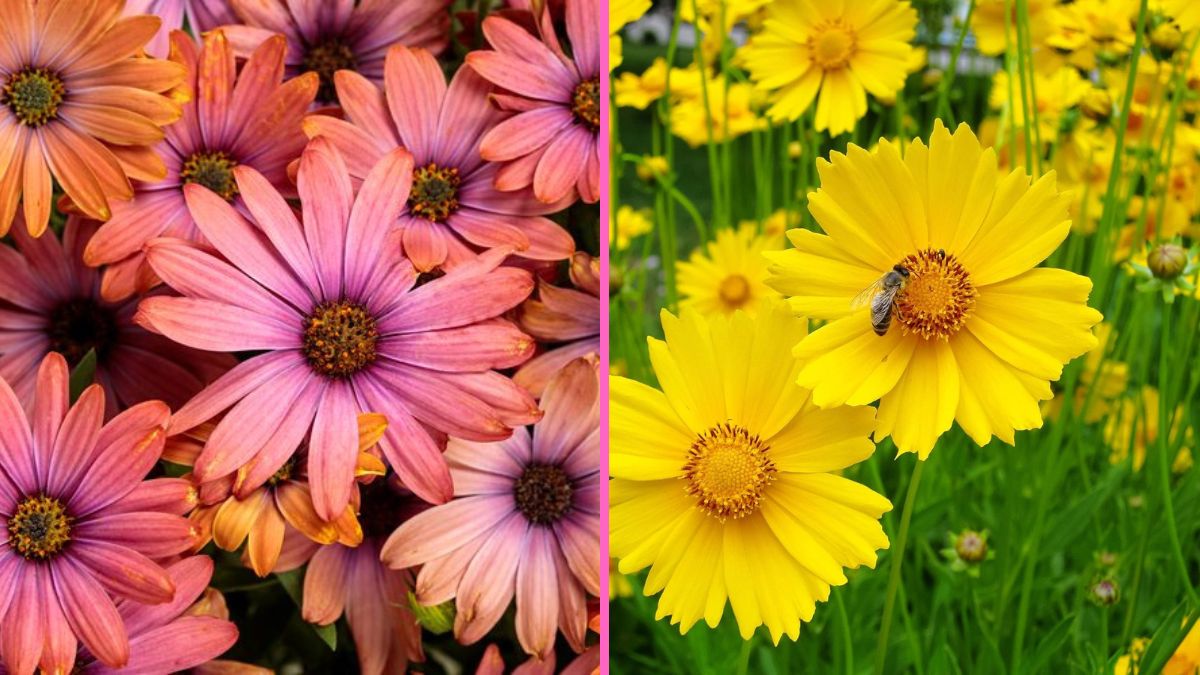
Perennial flowers are the quiet heroes of any thriving garden. Unlike annuals that need to be planted every year, perennials return season after season—often requiring less maintenance while offering more beauty. But what if you could grow perennials that not only return every year but also produce flowers almost all year long?
While no outdoor plant blooms literally 12 months without pause in every climate, several hardy perennials are known for exceptionally long bloom seasons, often flowering from early spring until frost—and in mild regions, nearly year-round. These plants give gardeners continuous color, fragrance, and texture, making them favorites in landscapes across the world.
If you want a garden that stays vibrant no matter the month, here are six perennial flowers that bloom beautifully all year (or nearly so!) along with tips for helping them thrive.
1. Geranium ‘Rozanne’ (Cranesbill)
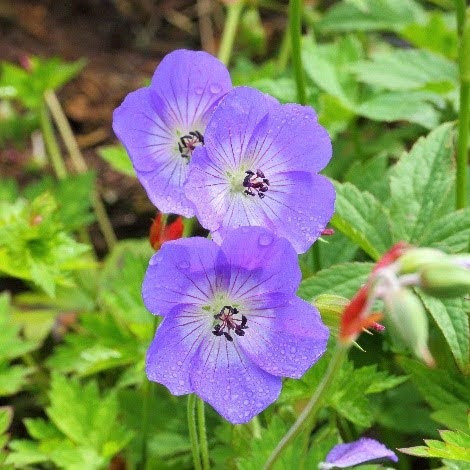
Bloom Time: Late spring through fall—up to 7 months
Geranium ‘Rozanne’ is often celebrated as one of the longest-blooming perennial flowers ever cultivated. Unlike common geraniums, this hardy perennial isn’t fussy, spreads nicely, and produces a constant stream of large violet-blue flowers with white centers.
Why It Blooms So Long
‘Rozanne’ doesn’t set seed like other cranesbills. Instead, it channels its energy into continual flowering. It also handles a wide range of temperatures and keeps blooming through heatwaves and cool nights.
How to Grow It
- Sun: Full sun to part shade
- Soil: Well-drained but rich
- Water: Moderate; tolerates some drought
- Maintenance: Shear lightly in mid-summer to encourage fresh growth
Planting ‘Rozanne’ near walkways, borders, or rock gardens rewards you with nearly nonstop color from late spring to frost—and in mild climates, it may bloom even longer.
2. African Daisy (Osteospermum)
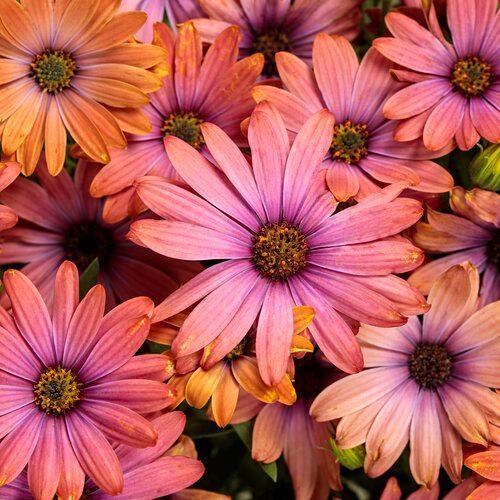
Bloom Time: Spring, summer, and fall; nearly year-round in warm regions
The African daisy is loved for its unique, vibrant blooms that open with the sun and close at night. These perennials thrive in warm climates and often flower almost year-round, especially where winters stay mild.
Why It Blooms All Year in Some Climates
Native to South Africa, these daisies evolved in a sunny, almost frost-free environment. When grown under similar conditions in gardens, they continue producing flowers whenever light and warmth are sufficient.
How to Grow It
- Sun: Full sun
- Soil: Light, sandy, or well-draining
- Water: Low to moderate
- Maintenance: Deadhead to encourage continuous flowering
They come in stunning shades—purple, orange, pink, white, and even bi-color—making them perfect for containers, borders, and xeriscape gardens.
3. Lantana
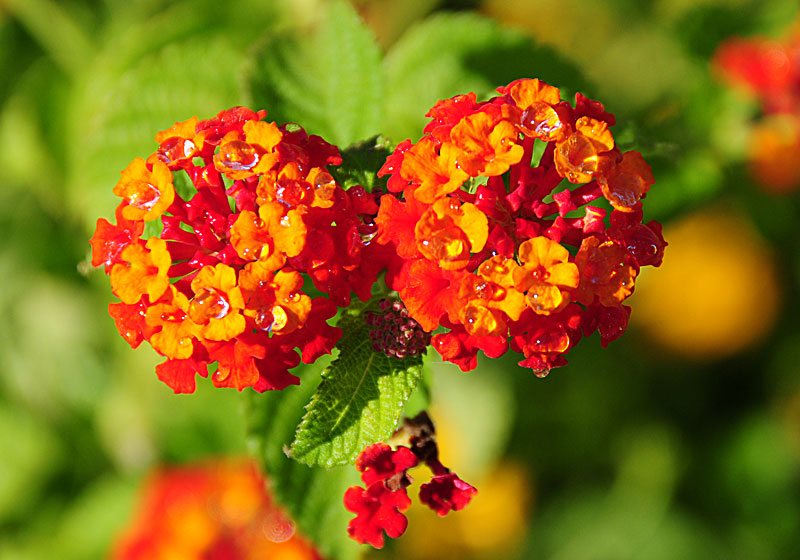
Bloom Time: Spring through winter in warm climates
Lantana is one of the toughest flowering perennials you can plant. It’s practically unstoppable once established, producing clusters of small, cheerful flowers in orange, red, yellow, pink, and purple. These blossoms attract butterflies and pollinators like magnets.
Why It’s Nearly Ever-Blooming
Lantana thrives on heat. In frost-free or tropical climates, it grows continuously—often producing flowers even during the winter months. In colder regions, it behaves like an annual but still blooms for up to six months.
How to Grow It
- Sun: Full, intense sunlight
- Soil: Any well-drained soil
- Water: Low; drought tolerant once established
- Maintenance: Prune lightly to shape; can be cut back hard in spring
Gardeners in Zones 8–11 can enjoy lantana’s nonstop blooms nearly all year, while others still benefit from its incredibly long growing season.
4. Coneflower (Echinacea)
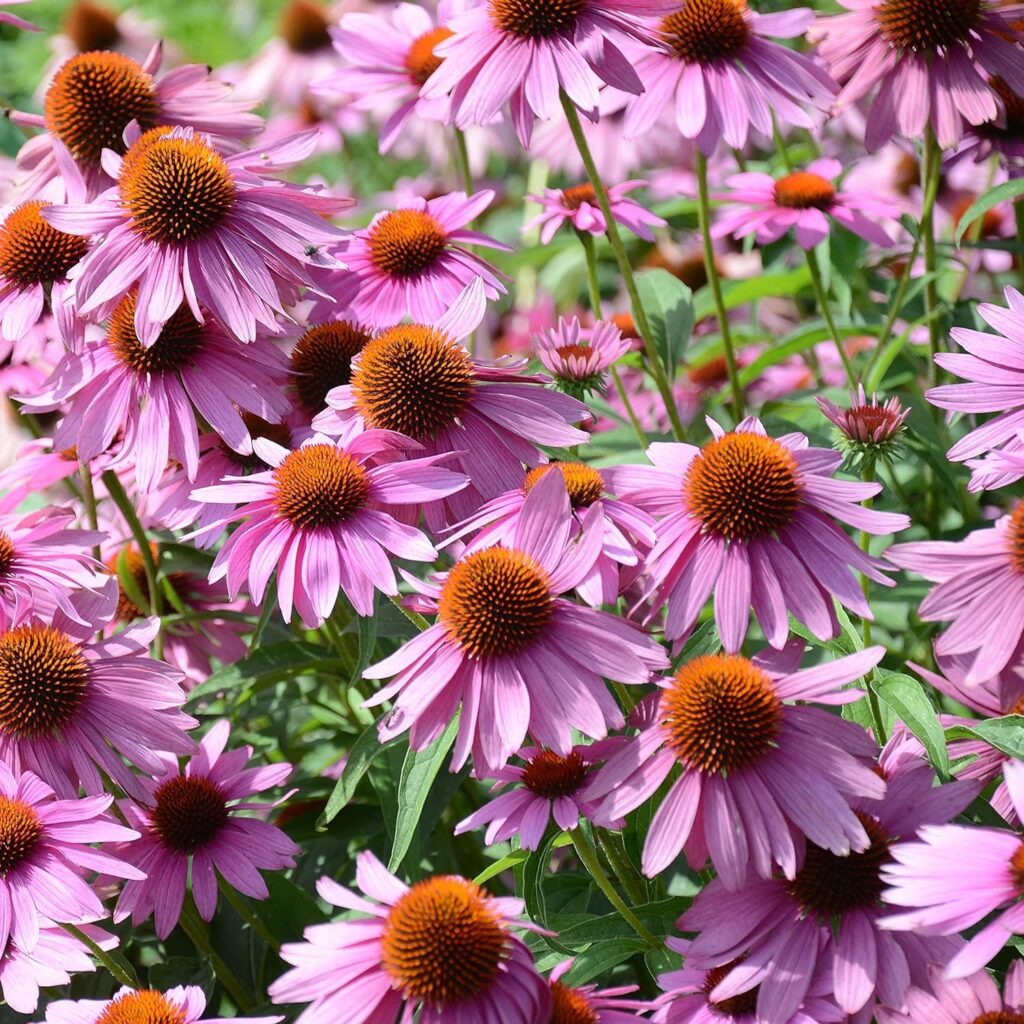
Bloom Time: Early summer to late fall; repeat blooms with deadheading
Coneflowers are classic garden perennials known for their daisy-like blooms and sturdy nature. While they traditionally bloom for several months, newer hybrid varieties have been bred to bloom almost continuously when cared for properly.
Why It Blooms So Often
Echinacea responds extremely well to deadheading. Every time you remove a spent flower, the plant pushes out new buds. Some varieties even rebloom without encouragement.

How to Grow It
- Sun: Full sun
- Soil: Well-drained, tolerates poor soil
- Water: Low; drought tolerant
- Maintenance: Deadhead regularly for nonstop flowers
Coneflowers also attract bees, butterflies, and birds, making them a perfect long-blooming addition to pollinator gardens.
5. Salvia (Sage)
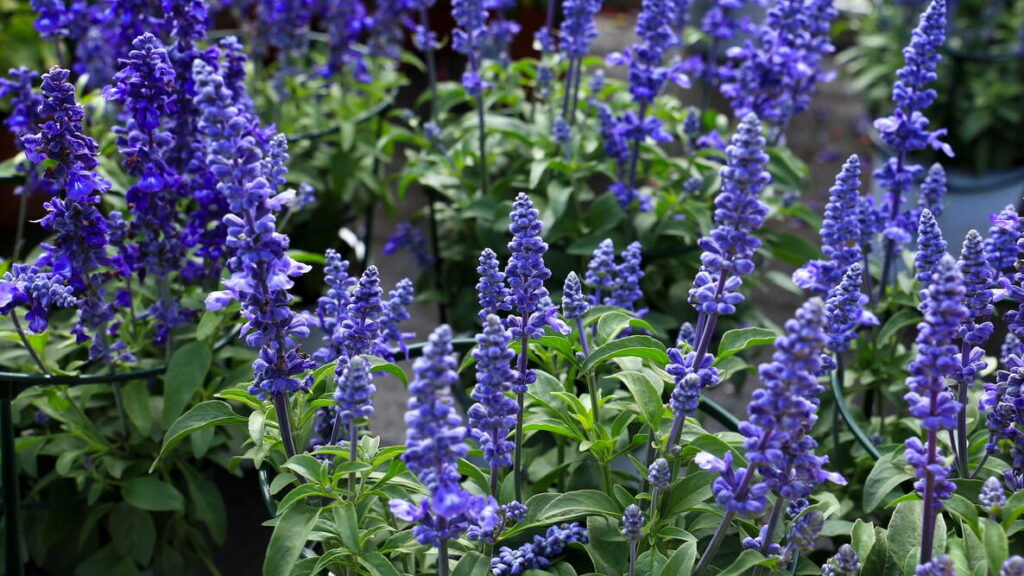
Bloom Time: Spring through fall; nearly year-round in mild winter climates
Salvia varieties—especially Salvia greggii, Salvia microphylla, and hybrid salvias—are some of the longest-blooming perennials you can plant. Their spiky flowers appear in waves almost all year and are beloved by hummingbirds.
Why It’s a True Extended Bloomer
These salvias are adapted to fluctuating temperatures and continue producing flowers even in mild winters. If lightly pruned, they will flush with new blooms continuously.
How to Grow It
- Sun: Full sun
- Soil: Well-drained
- Water: Moderate; can tolerate drought
- Maintenance: Shear lightly after large bloom cycles
Salvias come in rich purples, reds, blues, pinks, and whites, providing constant motion and color in the garden.
6. Coreopsis (Tickseed)
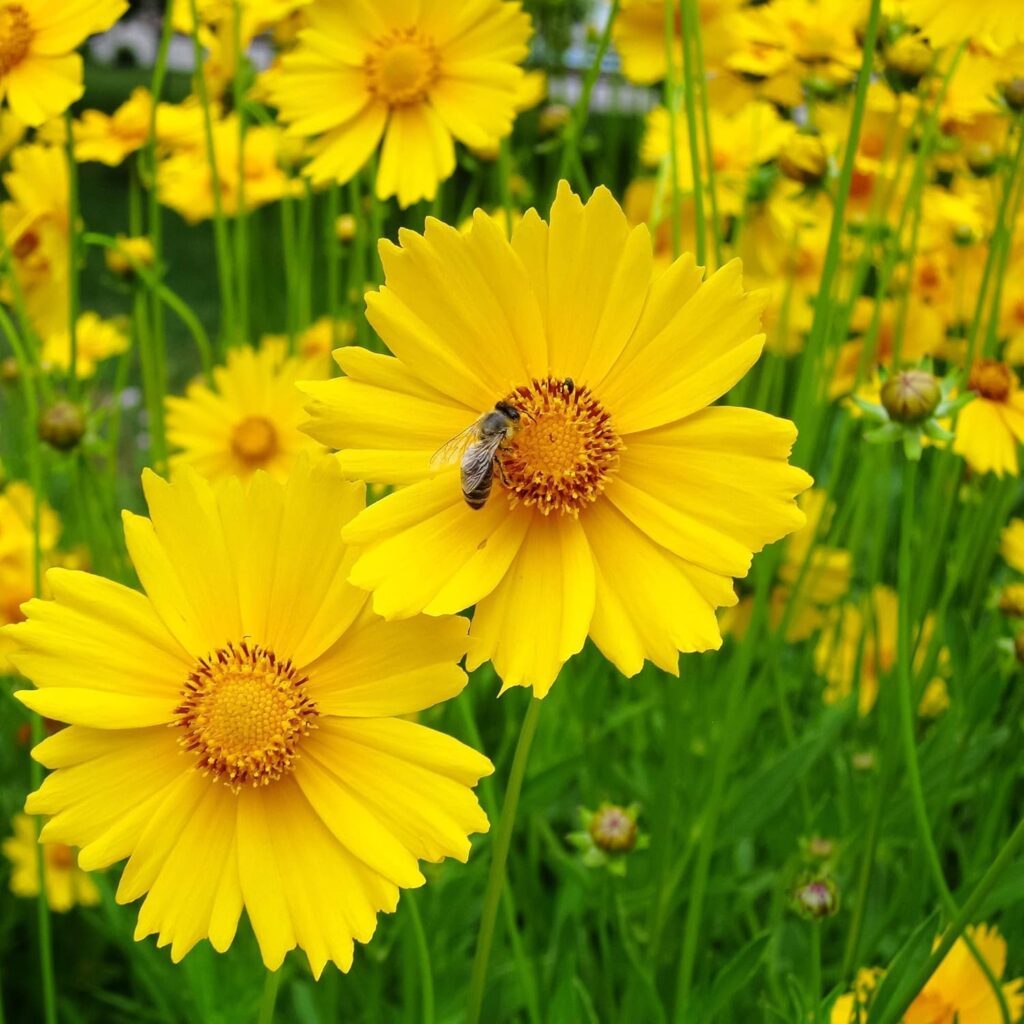
Bloom Time: Late spring to frost—sometimes longer in warm areas
Coreopsis is a cheerful, sun-loving perennial covered in bright yellow, pink, or red blooms for months on end. Some varieties flower so heavily and consistently that the plant seems perpetually covered in blooms.
Why It Blooms for Months
Coreopsis is extremely resilient and fast-growing. As soon as one cycle of blooms fades, another begins. Certain varieties, like Coreopsis verticillata and Coreopsis grandiflora, are especially long-blooming and thrive with minimal care.
How to Grow It
- Sun: Full sun
- Soil: Poor to average soils are fine
- Water: Low to moderate
- Maintenance: Occasional deadheading promotes nonstop flowering
It’s an ideal low-maintenance, long-blooming choice for cottage gardens, borders, and wildlife-friendly landscapes.

Tips for Encouraging Year-Round or Near Year-Round Blooming
Even long-blooming perennials thrive best when given the right care. Here are simple ways to keep flowers coming almost nonstop:
1. Deadhead Regularly
Removing spent flowers prevents the plant from going to seed and encourages new buds.
2. Feed with a Slow-Release Fertilizer
Balanced nutrition boosts bloom production over many months.
3. Water Deeply but Infrequently
Most perennials prefer deep, occasional watering over light daily sprinkles.
4. Trim Lightly Between Bloom Cycles
A quick shear can trigger fresh growth in varieties like salvia, geraniums, and coreopsis.
5. Protect from Frost
In colder climates, covering sensitive perennials can preserve winter blossoms.
6. Choose Varieties Suited to Your Climate
Some flowers—like lantana and African daisies—will bloom nearly all year only in warm or mild regions.
Why Long-Blooming Perennials Are a Gardener’s Best Friend
Planting long-blooming perennials offers several advantages:
Continuous Color
You get beauty all year, rather than just during short seasonal windows.
Less Work
Perennials require less frequent planting and maintenance compared to annuals.
Pollinator Support
Plants that bloom for extended periods provide consistent food for bees, butterflies, and hummingbirds.
Cost-Effective Landscaping
Fewer replacements mean lower gardening costs in the long term.
Versatility
These plants fit beautifully in borders, containers, cottage gardens, walkways, and pollinator gardens.
Final Thoughts
A garden that stays vibrant throughout the year is every gardener’s dream, and thanks to long-blooming perennials like geranium ‘Rozanne,’ African daisies, lantana, coneflowers, salvias, and coreopsis, that dream is entirely achievable. These hardy plants continue producing color through most seasons, and in the right climates, they can bloom nearly all year long.
Whether you’re planting a brand-new garden or improving an existing one, choosing perennials with extended bloom times ensures your space remains alive with color, movement, and fragrance. With just a bit of care and the right conditions, these six perennial flowers will reward you with continuous beauty—month after month, year after year.