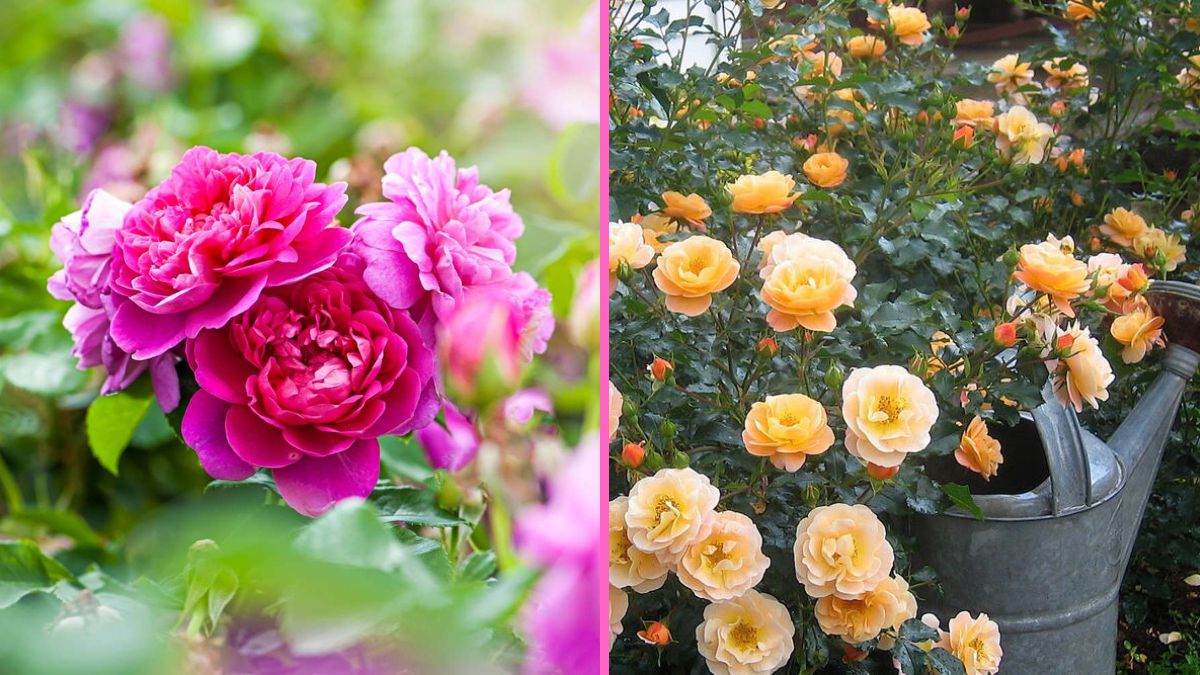
Roses have a reputation for being “fussy,” but not all varieties require expert pruning, perfect soil, or constant spraying. In fact, some roses are surprisingly simple to grow—even if you’re a beginner or working with limited space. With the right varieties and a little basic care, you can enjoy gorgeous, fragrant blooms without the stress.
Whether you’re planting roses in containers, along a walkway, or in a backyard garden, the following six varieties are incredibly forgiving, disease-resistant, and perfect for beginners.
1. Knock Out Roses – The Ultimate Beginner-Friendly Rose
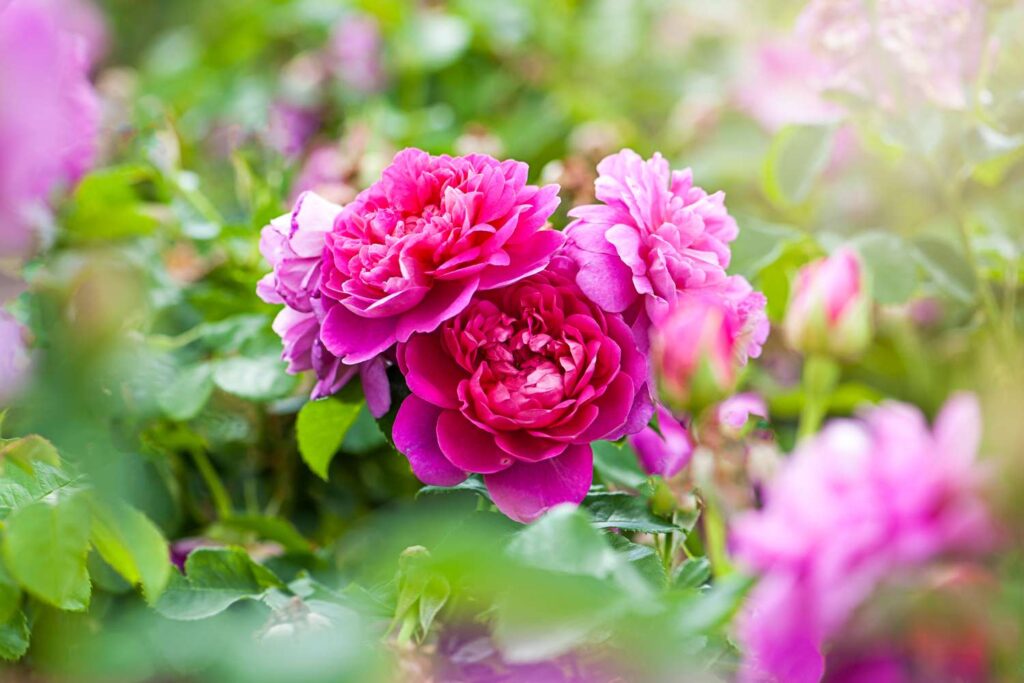
If you want a rose that practically takes care of itself, the Knock Out series is your best friend. These roses are widely considered the easiest variety for beginners—and for good reason.
Why They’re Easy to Grow
- Extremely disease-resistant
- Requires almost no pruning
- Heat-, drought-, and humidity-tolerant
- Continuous blooms from spring to frost
Knock Out roses come in many colors: red, pink, yellow, coral, and blush. They grow well in containers or directly in the ground, and they tolerate both inexperienced hands and inconsistent care.
Best For
- Busy gardeners
- Low-maintenance landscapes
- Hot climates
- Large, continuous splashes of color
Plant them in full sun, water them regularly during the first few weeks, and you’ll be rewarded with nonstop blooms all season.
2. Drift Roses – Compact, Hardy, and Perfect for Small Spaces
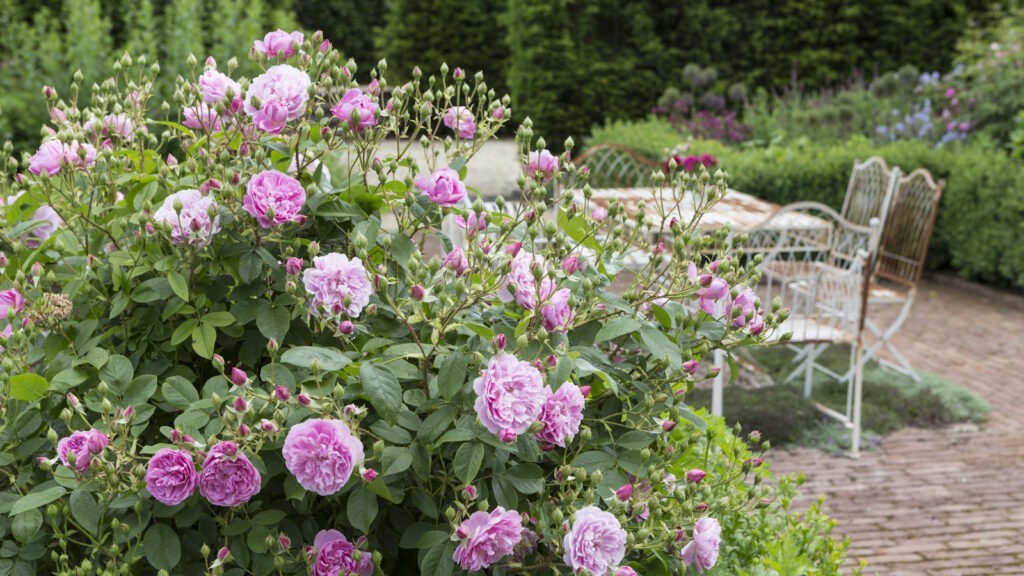
If you love roses but don’t have much room, Drift roses are the ideal compact option. Growing only 1–2 feet tall, these low-growing shrub roses are perfect for borders, edging, or containers.

Why They’re Great for Beginners
- Very small and manageable
- Superb resistance to pests and diseases
- Blooms in flushes from spring through fall
- Requires minimal pruning
Drift roses come in lovely shades like peach, apricot, coral, pink, and white. They create a cascading effect that looks beautiful in pots or spilling over a garden bed.
Best For
- Balcony or patio gardens
- Small yards
- Ground cover
- Busy gardeners
Even if you forget to prune or skip fertilizing, these roses will still thrive.
3. Floribunda Roses – Colorful Clusters With Little Effort
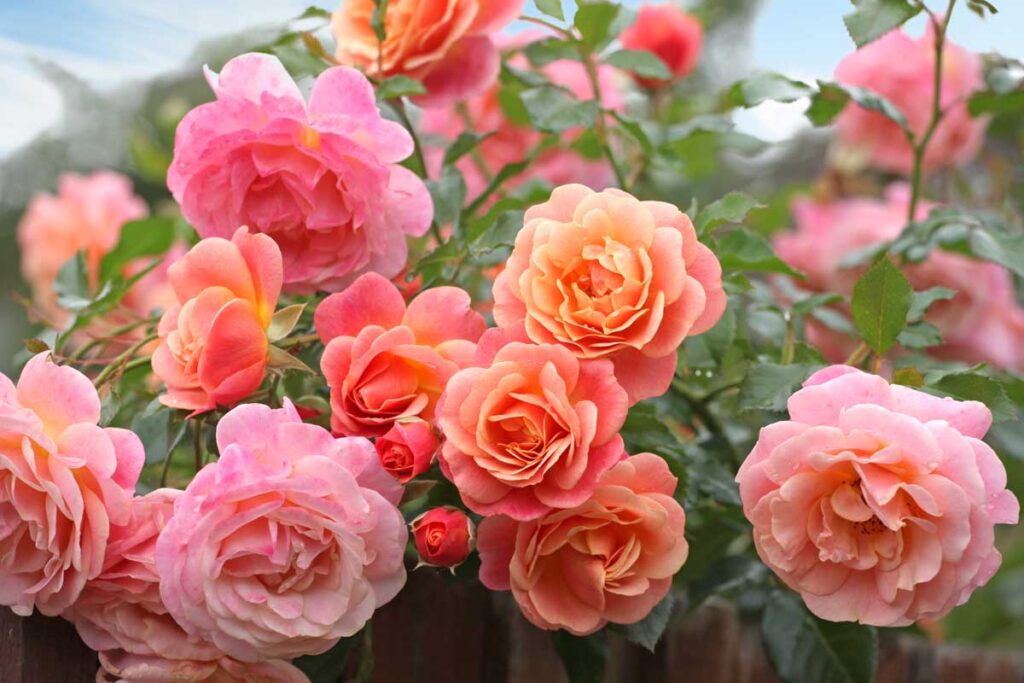
Floribundas are famous for their clusters of vibrant, medium-sized blooms that appear in waves throughout the season. They combine the hardiness of shrub roses with the showy appeal of hybrid teas—but with far less work.
Why Floribundas Are Beginner-Friendly
- High disease resistance
- Flower continuously
- Easier to prune than hybrid teas
- Available in dozens of colors and forms
Popular varieties like ‘Iceberg’, ‘Julia Child’, and ‘Hot Cocoa’ are extremely reliable even for first-time rose growers.
Best For
- Creating colorful rose beds
- Gardeners who want showy blooms without the fuss
- Sunny garden areas
These roses prefer at least six hours of sun per day and respond well to light pruning and occasional feeding.
4. Carpet Roses – Tough, Spreading, and Effortless
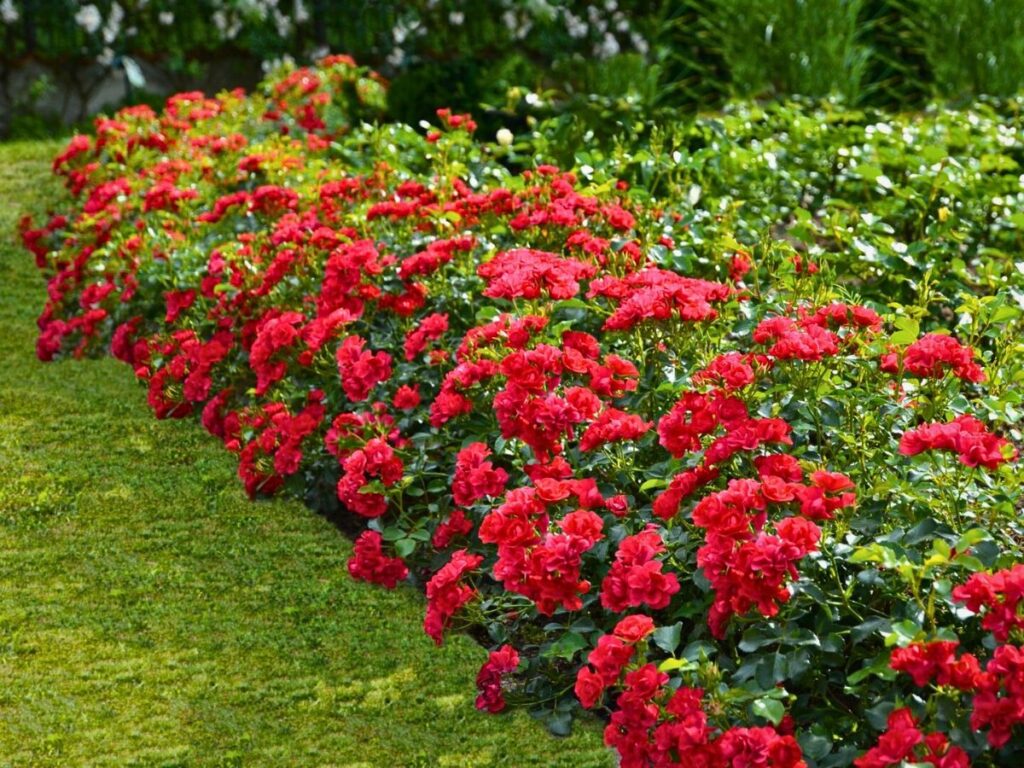
Another low-maintenance option for beginners is the Carpet Rose, also known as the Flower Carpet Rose. As the name suggests, it grows wide and low, making it an excellent choice for filling large empty spaces or controlling erosion.
Why They’re Easy to Grow
- Extremely resilient
- Prune only once a year
- Resistant to common rose diseases
- Can handle tough soil conditions
Carpet roses bloom prolifically, often covering the plant in a blanket of flowers from late spring until the first frost.
Best For
- Filling garden gaps
- Low-maintenance mass plantings
- Slopes, borders, and large open spaces
Even if you neglect them, these roses will keep blooming.
5. Shrub Roses – Natural, Hardy Roses for Beginners
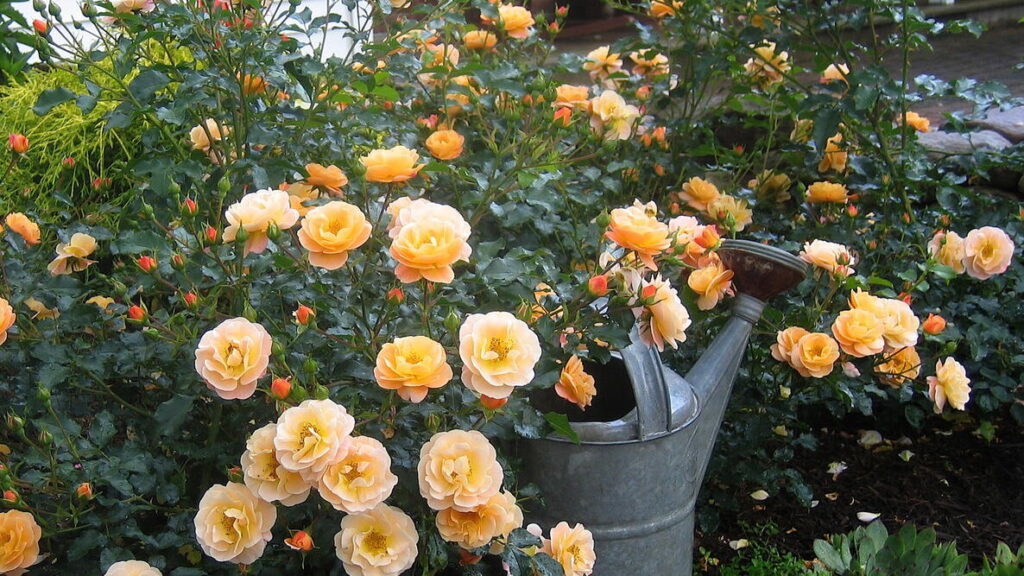
Shrub roses are a broad category, covering English roses, modern hardy hybrids, and many wild-type roses. They are tough, adaptable, and require almost no maintenance once established.
Why Shrub Roses Are Beginner-Friendly
- Hardy in a wide range of climates
- Extremely disease-resistant
- Naturally bushy and full
- Minimal pruning required
Many shrub roses—such as the famous David Austin varieties—offer incredible fragrance paired with romantic, old-fashioned blooms.
Best For
- Cottage-style gardens
- Low-maintenance landscapes
- Partially shaded areas
Shrub roses adapt well to different soil types and don’t require perfection to flourish.
6. Miniature Roses – Perfect for Pots and Indoor Spaces
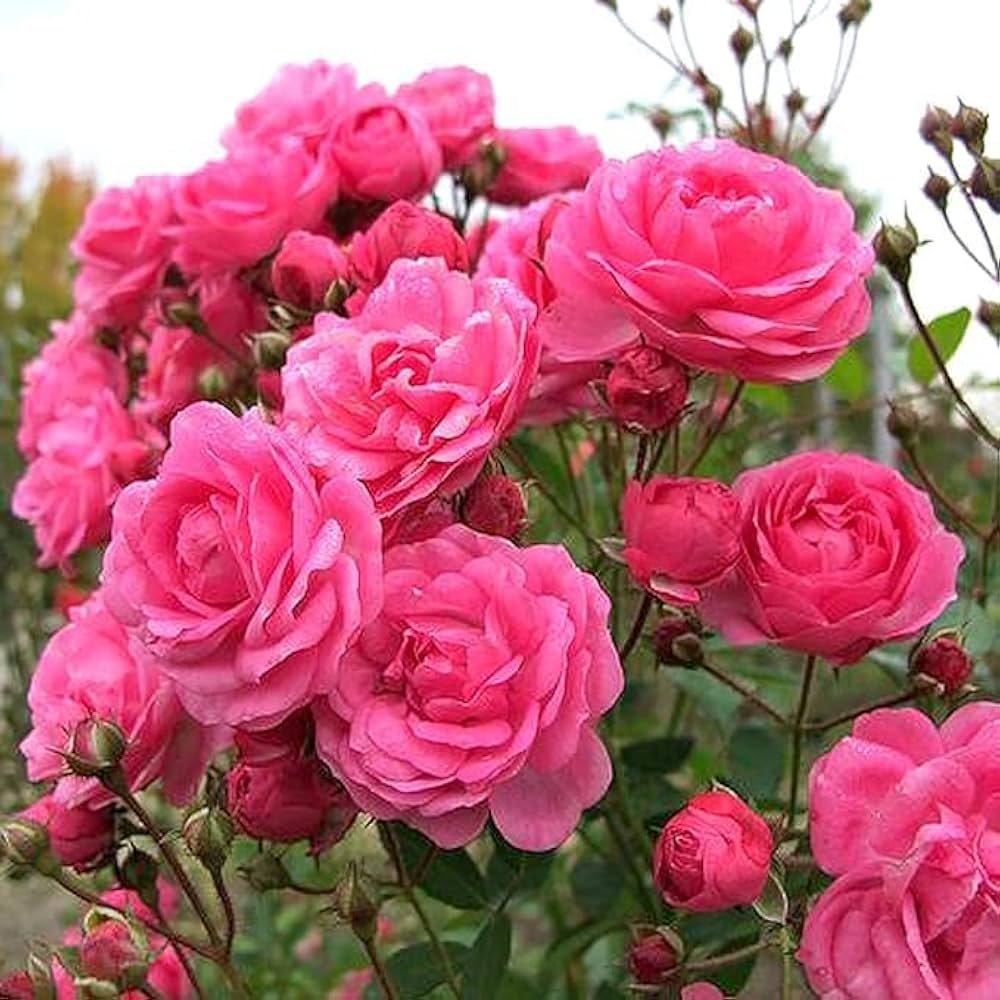
Small but mighty, miniature roses are wonderful for beginners because they can grow in pots, windowsills, or small balconies. Despite their small size, they offer full-sized blooms and vibrant colors.
Why Miniature Roses Are Great for Beginners
- Easily grown in containers
- Low pruning requirements
- Simple to overwinter
- Can be grown indoors with proper light
Popular varieties include ‘Rainbow’s End’, ‘Baby Boomer’, and ‘Bee’s Knees’.
Best For
- Apartment gardeners
- Windowsill or patio gardens
- Gift plants
Miniature roses only need bright sunlight, regular watering, and occasional feeding to stay healthy.
How to Care for Your Beginner-Friendly Roses
Even though these rose varieties are simple to maintain, giving them a good start helps ensure beautiful blooms all year.
1. Plant in the Right Location
Most roses need:
- 6–8 hours of direct sunlight
- Well-draining soil
- Good air circulation
Avoid low areas where water collects.
2. Water Deeply, Not Frequently
Water at the base of the plant:
- Once or twice a week
- More during hot weather
- Avoid wetting leaves to prevent disease
Container roses may need more regular watering.
3. Feed for Healthier Blooms
Use a balanced fertilizer:
- Early spring
- After each major bloom cycle
- Stop fertilizing before winter
Beginners can use slow-release fertilizers for low maintenance.
4. Prune Lightly
Beginner-friendly roses don’t require heavy pruning. Just remove:
- Dead or diseased branches
- Crossing stems
- Old blooms (deadheading)
This keeps the plant healthy and encourages more flowers.
5. Mulch to Protect Roots
A 2–3 inch layer of mulch:
- Prevents weeds
- Conserves moisture
- Protects roots from heat
Use bark, straw, or composted mulch around the base.
6. Watch for Pests—But Don’t Stress
Beginner rose varieties rarely suffer from serious problems. If you see pests like aphids, try:
- A strong water spray
- Neem oil
- Insecticidal soap
Most hardy roses bounce back quickly.
Final Thoughts
Growing roses doesn’t have to be intimidating. With the right varieties—like Knock Out, Drift, Floribunda, Carpet, Shrub, and Miniature roses—you can enjoy months of vibrant blooms with very little effort. These low-maintenance roses are perfect for anyone just starting out, or for gardeners who want beauty without the fuss.
Choose the varieties that match your space, follow the simple care tips, and soon you’ll have a rose garden that looks like it belongs in a magazine—without the stress or steep learning curve.